The structure of scientific inquiry has coalesced around a model that is, in general, both expensive and exclusive. This centralizes knowledge production within a circle of individuals, organizations, and institutions which rarely reflects the breadth of identities, experiences, and ways of knowing of those most directly connected to the places being explored.
Nowhere is this inequality of access more pronounced than in the ocean sciences, where all but a few entities have the capital to mount major oceanographic research campaigns. Even localized coastal research can be stymied by the need for vessels, equipment, and instruments, access to which is often controlled by research institutions. As the need to understand the dramatic changes happening both at the surface and beneath the waves accelerates, barriers that precludes the participation of ocean stakeholders further erodes our potential to understand, anticipate, and adapt to those changes.
The ocean belongs to everyone. The tools to study the ocean should be accessible to anyone with the curiosity and motivation to pursue that inquiry.
Chief among these tools is the workhorse of oceanography–an instrument that measures salinity, temperature, and depth–the CTD.
Today we celebrate the publication of The OpenCTD: A Low-Cost, Open-Source CTD for Collecting Baseline Oceanographic Data in Coastal Waters, a research paper ten years in the making. This adventure, like many, began in a tavern, The Backstreet Pub, where Kersey Sturdivant and myself lamented the high cost of the most essential tool for ocean science, the CTD, and how that cost meant that so many people, people who need access to ocean data, are systematically excluded from the production of the data.

We were young enough and misguided enough to think that we could do something about that, but not yet experienced enough to know just how tremendous an undertaking that would be. A decade later, after years of development and three seasons of extensive field testing, the OpenCTD is ready to stand on its own.
There is something radical about making and using your own scientific instruments.
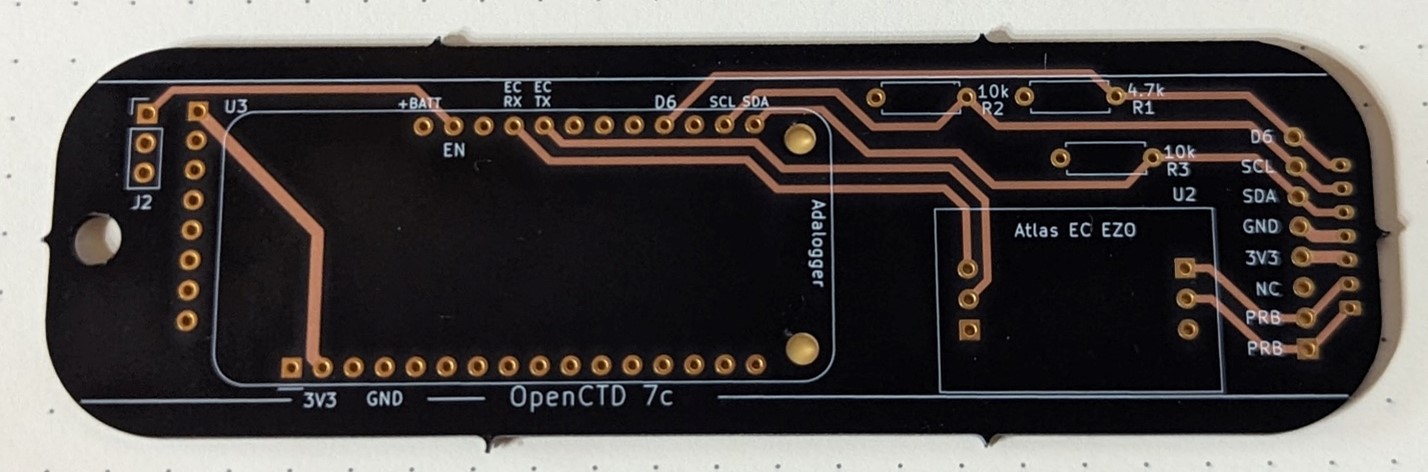
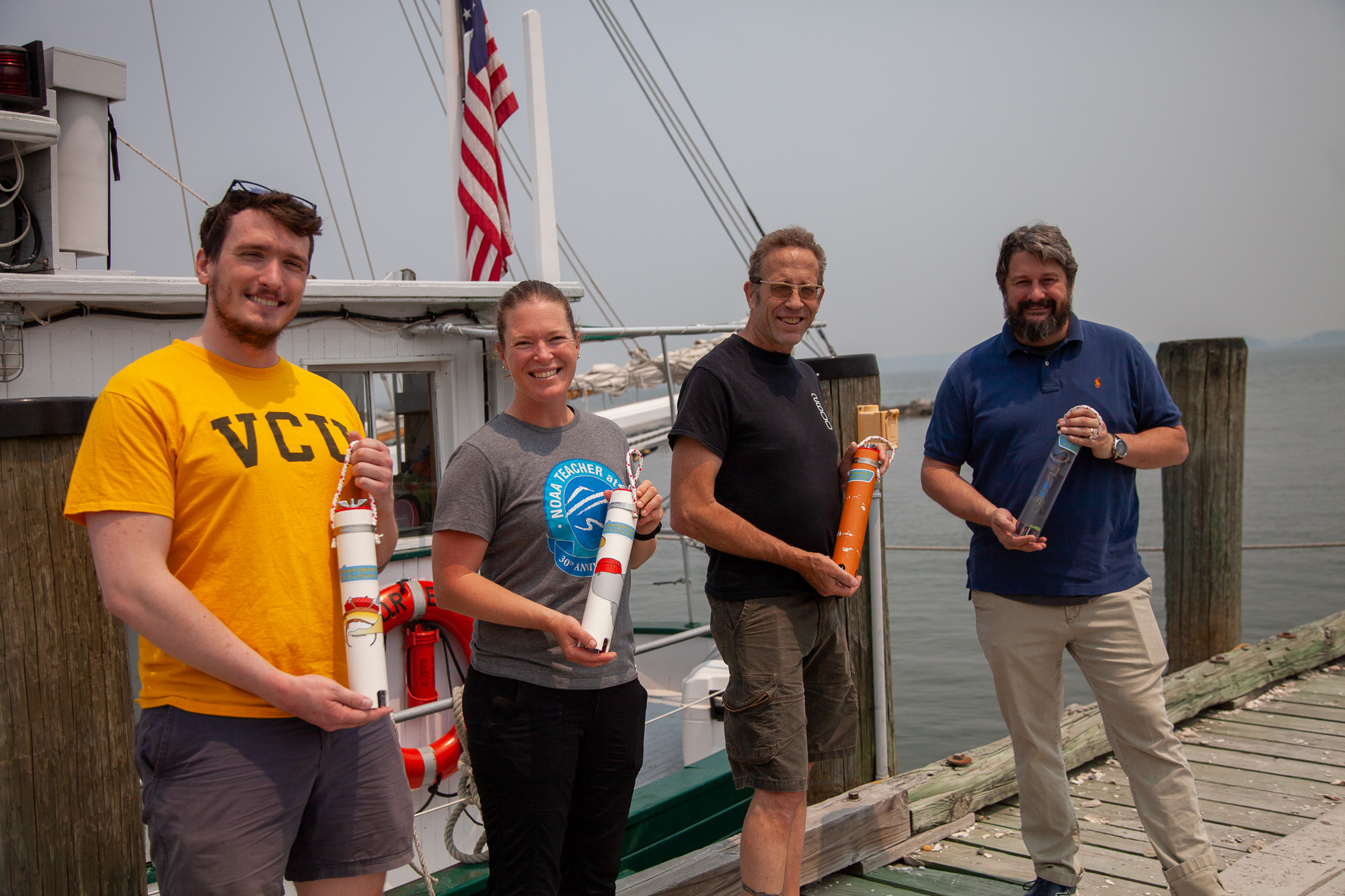
The OpenCTD is a research-quality oceanographic instrument designed to be built, maintained, calibrated, and repaired by the user. Its hardware and software is open source. It can be built for approximately $350 and 2 to 3 days of labor. We don’t sell them. We teach you how to build them. And we teach you how to teach other people how to build them. Our train-the-trainers workshop model builds local capacity that can continue to develop independent of the core OpenCTD team. This project belongs to everyone with curiosity and the desire to understand what’s happening in your ocean.
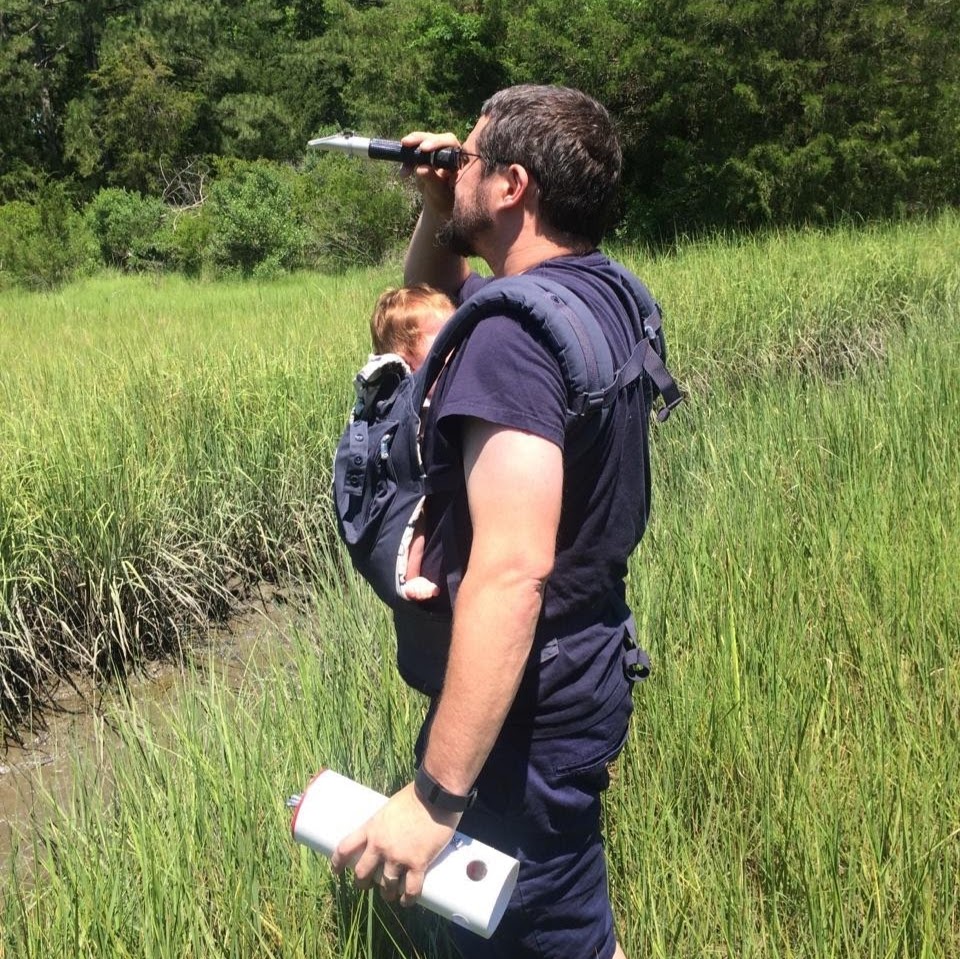
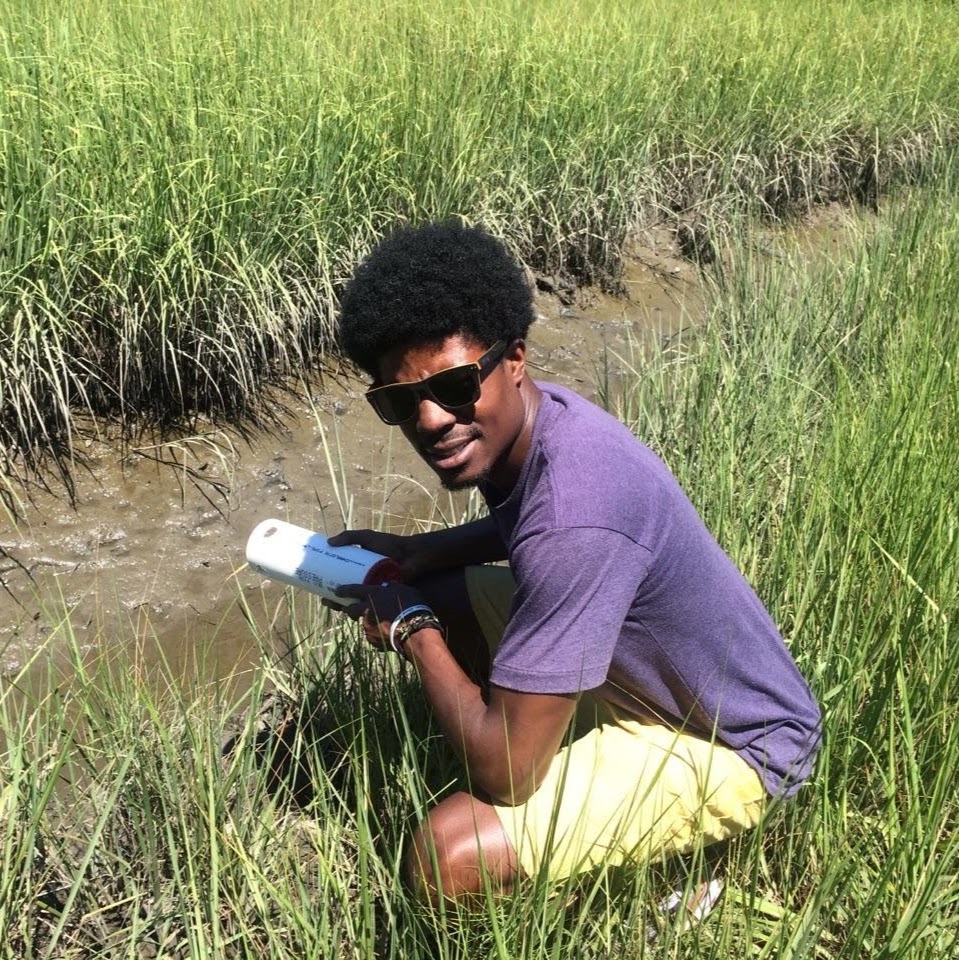
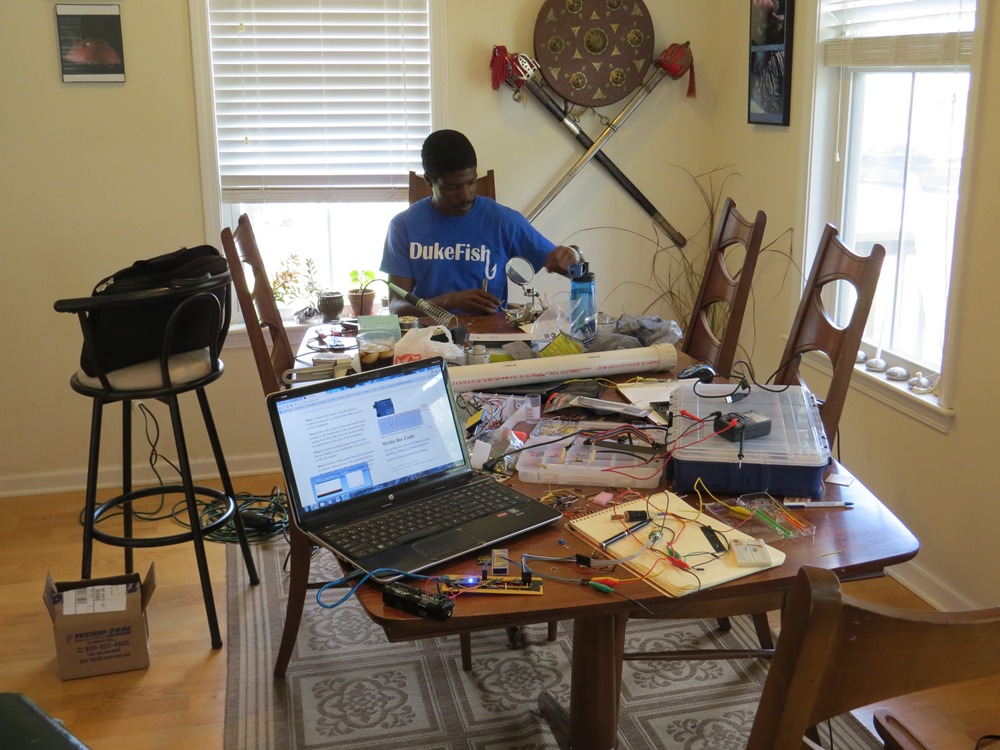
By building your own instruments to study and understand the natural world, by taking ownership over the tools of scientific inquiry, you contribute to expanding that circle of knowledge production. A scientist who can make their own instruments is not beholden to the cycles of funding and access that pervade formal, institutional inquiry. A researcher who can build and repair their own equipment is not dependent on the ever-changing wind of academic sentiment to decide what is and is not worthy of study. A community leader who has the tools to generate their own data does not have to wait for institutions to take notice of an emerging crisis before taking action.
You don’t need to ask for permission to understand your world.
We were joined by many others along the way, including Russell Neches, who was critical in helping us refine and develop the hardware and software, and Jake Levenson, whose support helped us move this project from a DIY instrument being build by a few nerds to a real oceanographic program, with partners across the US and beyond.
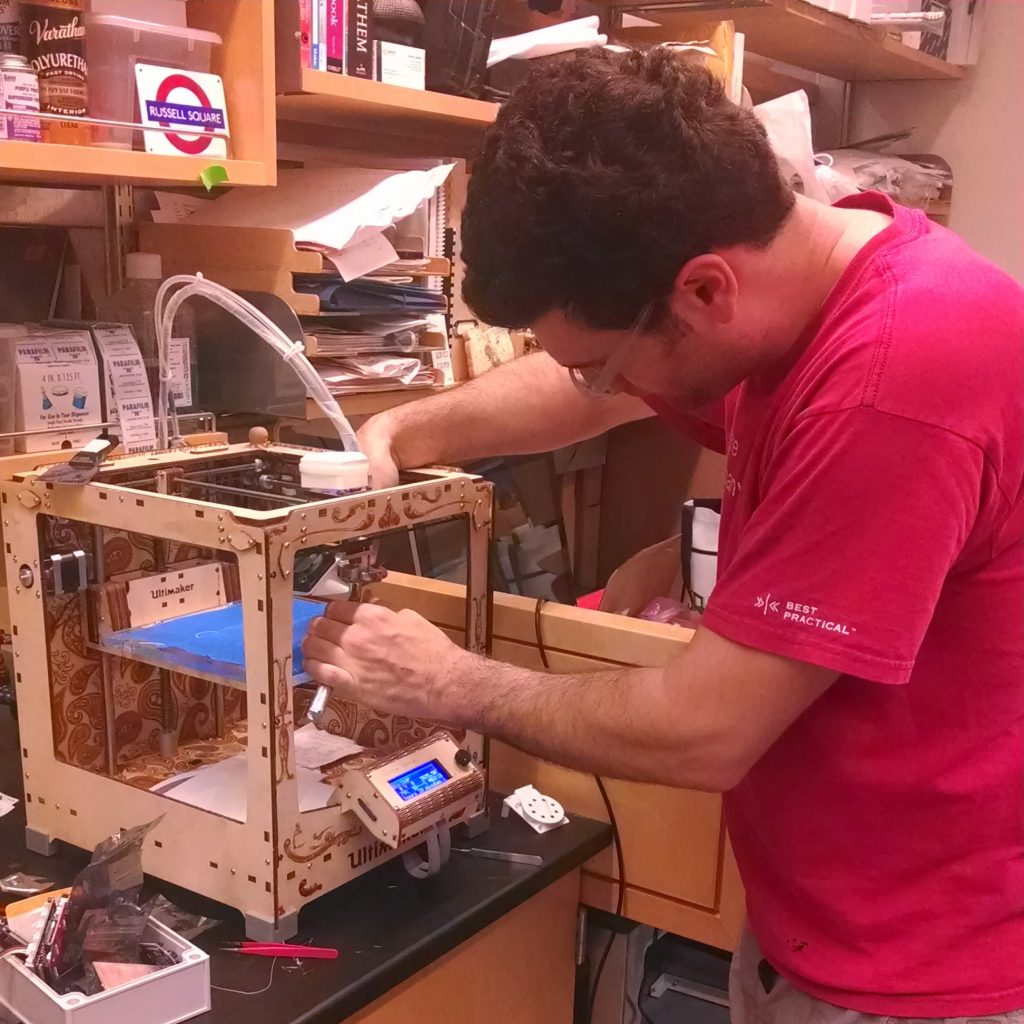
We’re just getting started. Getting this paper through peer-review is just the first milestone in the next decade of OpenCTD. We need deeper CTDs. We need faster CTDs. We need even cheaper CTDs. For those who want to share, we need a way to assess, analyze, and archive data from OpenCTD users around the world.
But, more then anything, we need you.
The OpenCTD: A Low-Cost, Open-Source CTD for Collecting Baseline Oceanographic Data in Coastal Waters is available as an early release open access paper in the journal Oceanography, today.
Southern Fried Science is free and ad-free. Southern Fried Science and the OpenCTD project are supported by funding from our Patreon Subscribers. If you value these resources, please consider contributing a few dollars to help keep the servers running and the coffee flowing. We have stickers.