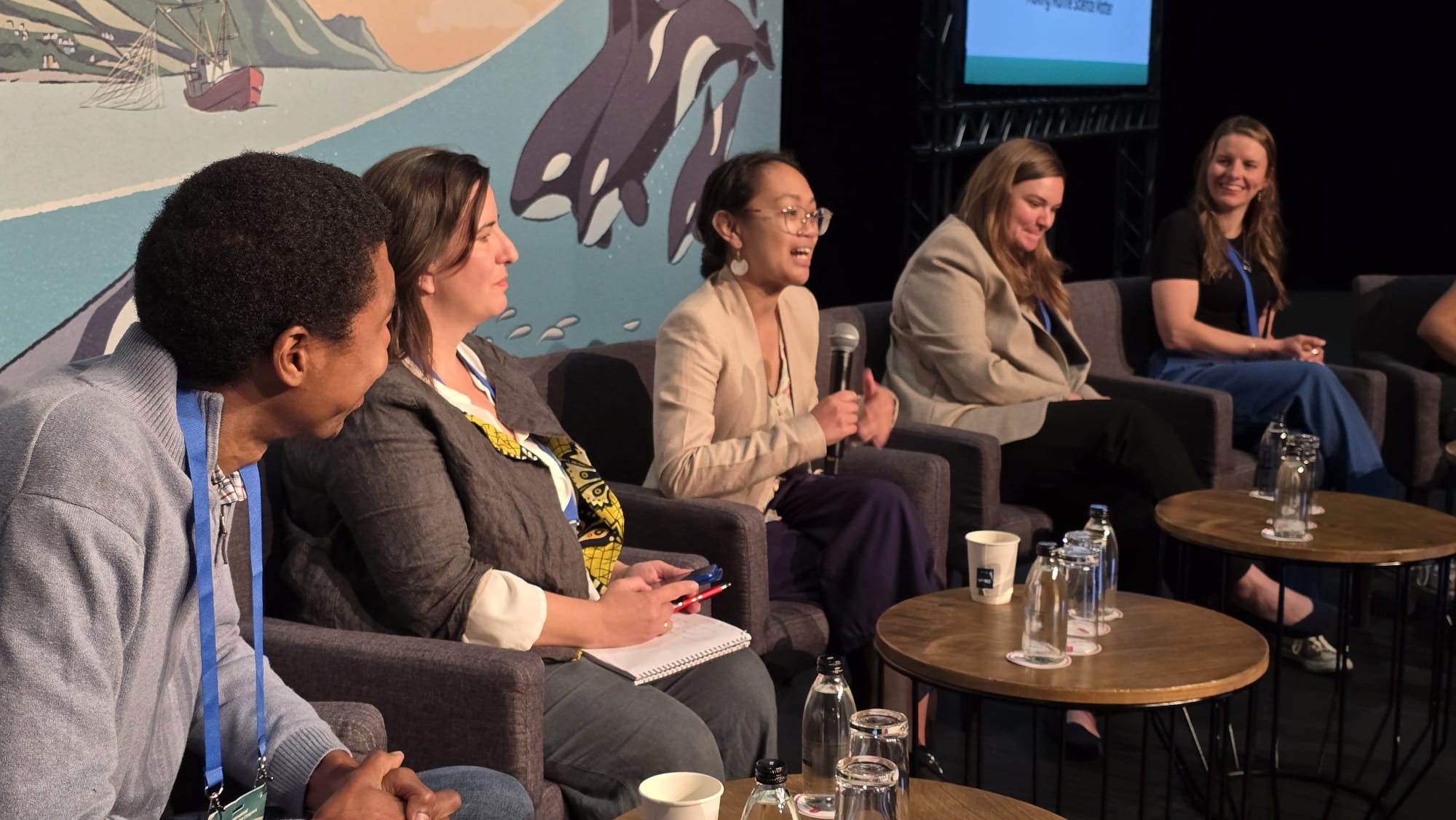
Abstract submissions are now open for the 8th International Marine Conservation Congress (IMCC8), taking place November 13–17, 2026, in Edinburgh, Scotland—and we’re excited to announce an open symposium on deep‑sea mining.
Titled “Between a Rock and a Deep Place: Science and Deep Sea Mining Policy,” this session will examine the science, ethics, and governance shaping one of the most consequential ocean debates of our time. Speakers will explore emerging research on deep‑sea ecosystems, environmental risks, and scientific uncertainty, alongside equity, Indigenous rights, and global policy dynamics, including ongoing International Seabed Authority negotiations.
Researchers and practitioners interested in contributing are encouraged to submit abstracts by May 15, 2026. When submitting, select Open Symposia and choose the symposium title.
Join us in Edinburgh to help make marine science matter—both above and below the surface.
Summary of topics to be discussed
This symposium will explore the rapidly evolving seascape of deep‑sea mining (DSM) at the intersection of science, ethics, and global and domestic policy. Participants will examine the latest understanding of deep‑sea ecosystems, including biodiversity, ecological connectivity, carbon implications, and the emerging scientific consensus that challenges confident decision‑making. Speakers will highlight environmental risks posed by DSM, from species loss to sediment plumes, and underscore gaps in our current knowledge that complicate risk assessments.
The session will explore the social and ethical dimensions of DSM, particularly issues of equity, Indigenous rights, and the perspectives of the Global South. Discussions will investigate how benefits and burdens could be distributed and what ethical guardrails are needed to ensure just outcomes.
Finally, speakers will address the state of governance, including the status of International Seabed Authority (ISA) negotiations, national moratoria, the sudden rise of unilateralism, and ongoing debates surrounding the precautionary approach. A moderated panel will guide participants through key policy positions, challenges, and opportunities for scientific societies, civil society organizations, and national governments to influence DSM decision making globally and domestically. Building on an earlier symposium organized by SCB, participants will discuss priority policy pathways and actionable recommendations for the conservation community.
Symposium Relevancy
Deep‑sea mining sits at the frontier of global environmental governance, where scientific uncertainty, technological ambition, and international politics converge. This symposium directly advances conservation science by synthesizing the state of knowledge on deep‑sea ecosystems. The session will highlight scientific gaps that must be filled to assess risks responsibly, including baseline biodiversity data, carbon cycling dynamics, and the long‑term impacts of seabed disturbance. This is essential for informing evidence‑based conservation strategies.
International negotiations over a mining regulatory regime remain underway at the ISA, even as some jurisdictions are fast-tracking seabed mining approvals while others are calling for a precautionary pause. Decisions will hinge on how science is interpreted and applied. Conservation scientists increasingly play a role in shaping global norms, advising governments, and guiding public understanding of DSM risks and alternatives. This symposium creates a venue for translating ecological research into tangible policy recommendations, equipping participants to engage in governance processes with clarity and credibility.
By connecting scientific insights with ethical considerations, equity concerns, and formal policy pathways, the session will help conservation professionals navigate consequential marine policy decisions. The outcome will strengthen the conservation community’s ability to advocate for responsible, knowledge‑grounded stewardship of the deep ocean.
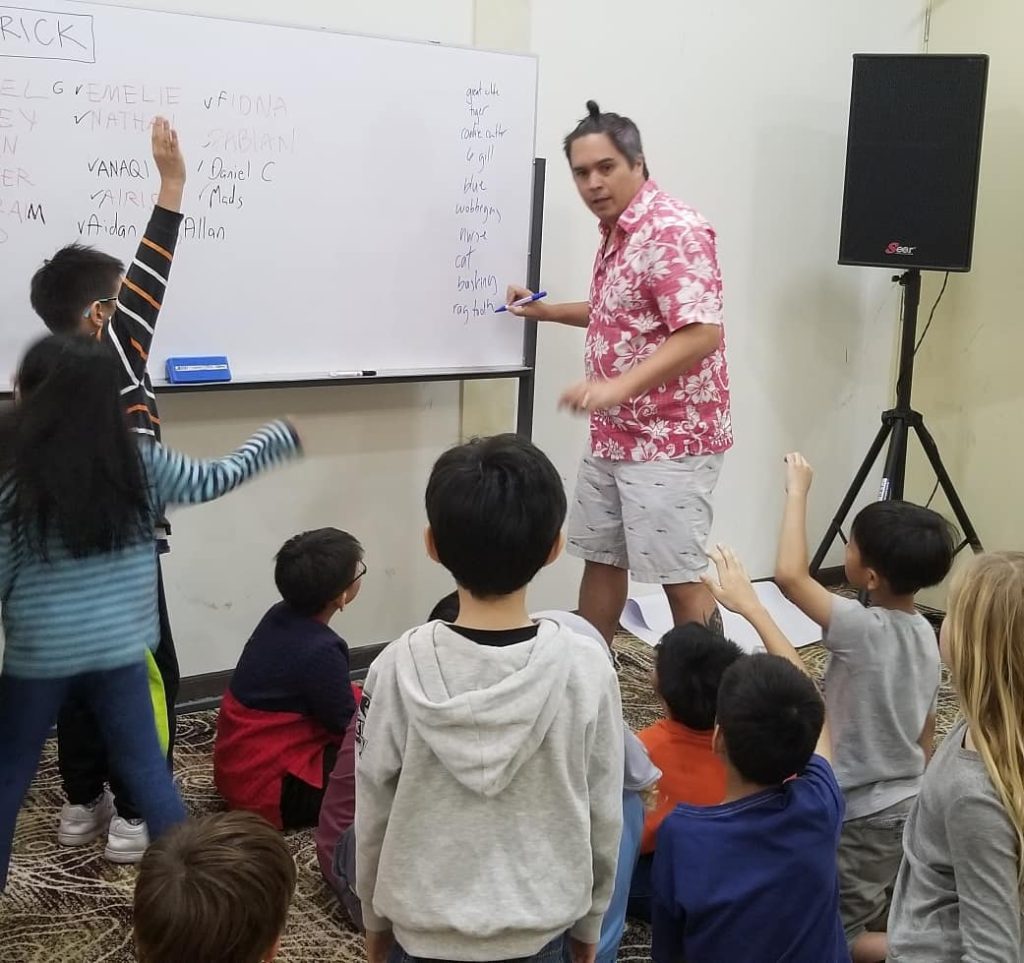
IMCC5 provided childcare during the conference in 2018 and invited scientists to take turns giving science presentations to the kids. I showed pictures from the Mariana Trench and tested their shark biodiversity knowledge.
My Favorite Conference
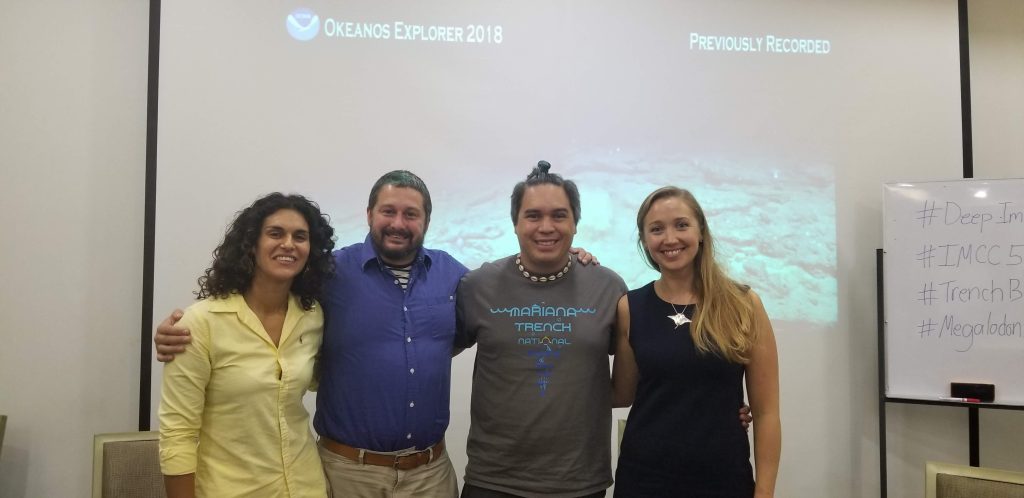
If you’ve read this far, you’re clearly my kind of people. Thank you. This will be my fifth IMCC—I’ve attended every meeting since IMCC4 in St. John’s, Canada—and it remains my favorite conference by far (I attended for the first time in 2016, gave my first talk in 2018, and gave my first plenary and organized my first symposium in 2024). IMCC strikes a rare and wonderful balance between science, policy, and real‑world conservation. It brings together experts from across disciplines, and the professional networks and friendships I’ve built through this community have genuinely enriched my life. If you’re already part of the science conference circuit, I can say with confidence: this one stands out above the rest. And if you’re new to these gatherings, there’s no better place to start.