Skip to content

Southern Fried Science

Over 15 years of ocean science and conservation online

  • Home
  • About SFS
  • Authors
  • Support SFS

Author: Andrew Thaler

Marine science and conservation. Deep-sea ecology. Population genetics. Underwater robots. Open-source instrumentation. The deep sea is Earth's last great wilderness.

The plague-busting, prairie-dog-vaccinating, ferret-saving drone

Posted on November 1, 2016 By Andrew Thaler
Conservation
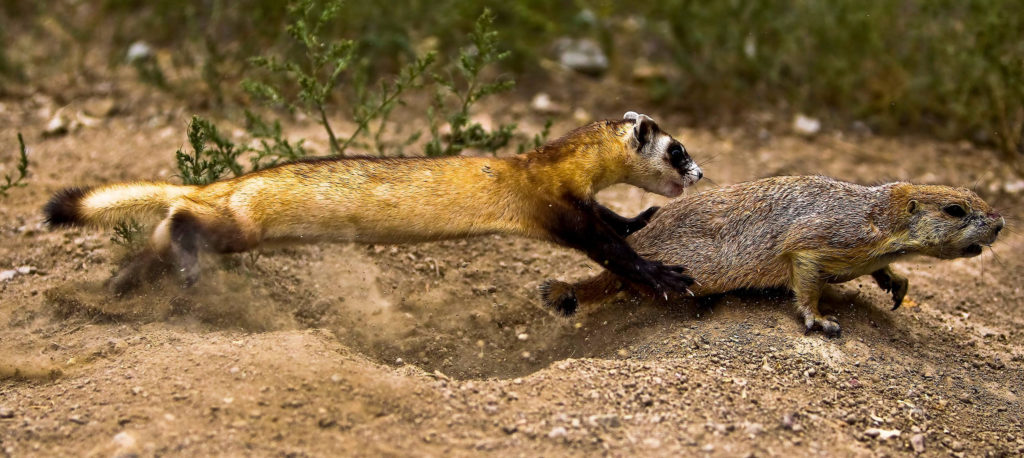
Learning to hunt by Kimberly Fraser / USFWS.

The US Fish and Wildlife Service is adapting new technology to the business of saving and endangered species: they’re sending in the drones.

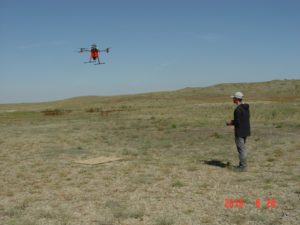
Pellet drone in flight by Randy Matchett/US Fish and Wildlife Service
Pellet drone in flight by Randy Matchett/USFWS

Black-footed ferrets are a small, solitary, extremely territorial weasel-like animal that lives in the American west. Once abundant in central North America, today, their wild population stands at around 500. Black-footed ferrets were decimated by sylvatic plague (a close relative of the bubonic plague), as well as habitat loss and an early eradication campaign.

Read More “The plague-busting, prairie-dog-vaccinating, ferret-saving drone” »

Disenfranchised Adjuncts Wanted: Flexible Morality a Plus

Posted on October 25, 2016 By Andrew Thaler
Popular Culture

A bit of Academic science fiction for your Tuesday morning enjoyment.

A reminder: Southern Fried Science is entirely supported by contributions from our readers. Head over to Patreon to help keep our servers running and fund new and novel ocean outreach projects. And if you like my occasional forays into fiction, you’ll find a lot more over there. 


Fall Semester

“I’m sorry,” the dean said as he rested his coffee mug on the heavy stack of CV’s littering his desk, “we just don’t have any demand for your class this semester. Maybe in the Spring.”

“What if I add another core credit? I could include a writing module. I could add a history component.”

The dean leaned forward. “You know I can’t do that, Doctor…”

“Thomas, sir.”

“Dr. Thomas. It wouldn’t be fair to the students. We’re not going to pad out a class just so you can get paid. I’m sorry. It’s just not in the cards. Maybe next semester you can stir up some interest in Introduction to Genome Editing.”

“So what do I do now?”

“Well,” the dean paused, earnest and thoughtful, “if you want to keep your office, you’ll have to volunteer to TA one of the chemistry lab units. Otherwise, I’m afraid your campus access expires at midnight this Friday.”

Read More “Disenfranchised Adjuncts Wanted: Flexible Morality a Plus” »

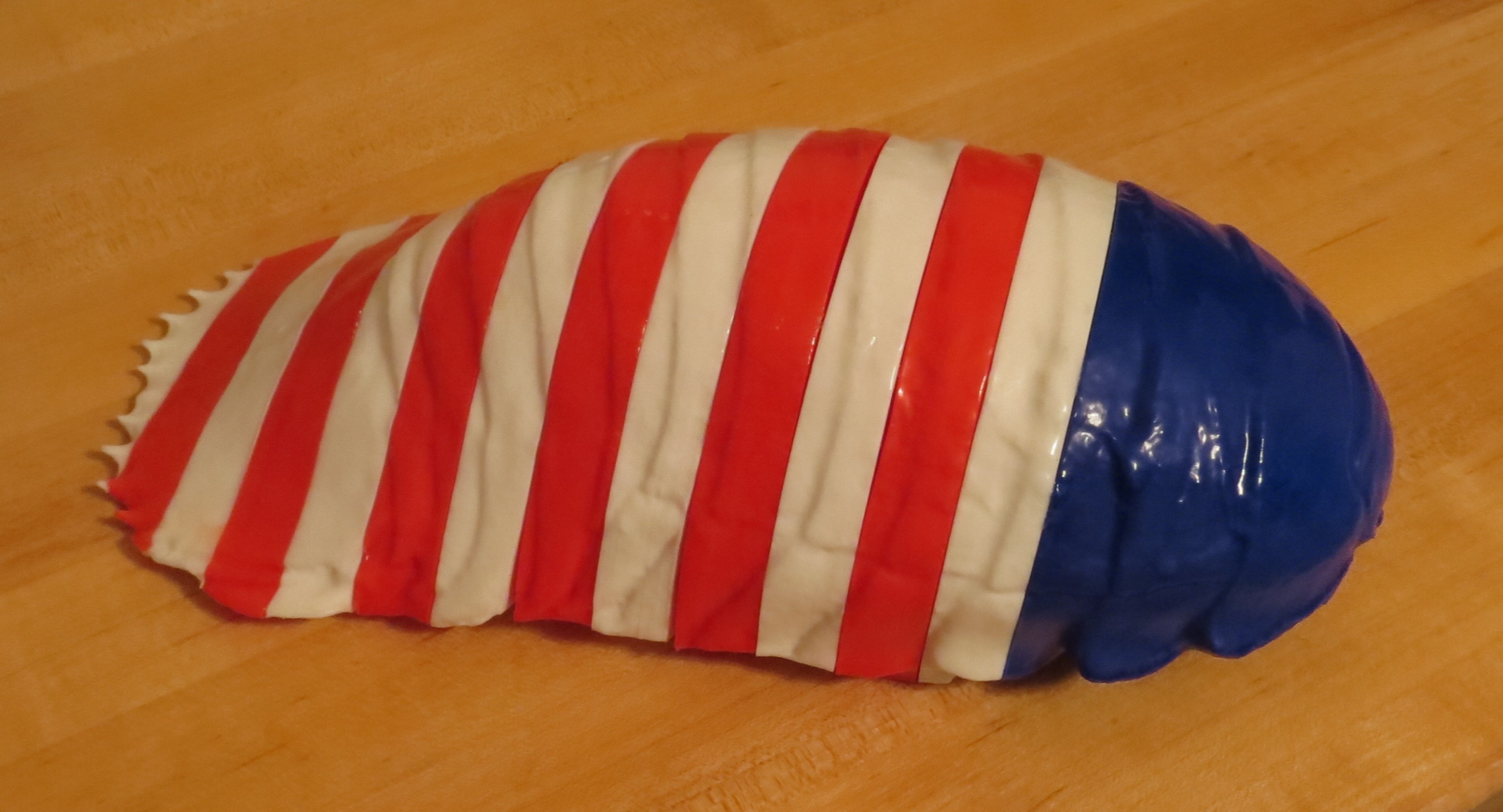
The 3D-Printed Giant Deep-sea Isopod You Always Wanted.

Posted on October 6, 2016 By Andrew Thaler 1 Comment on The 3D-Printed Giant Deep-sea Isopod You Always Wanted.
Popular Culture, Science
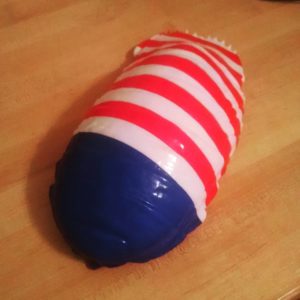
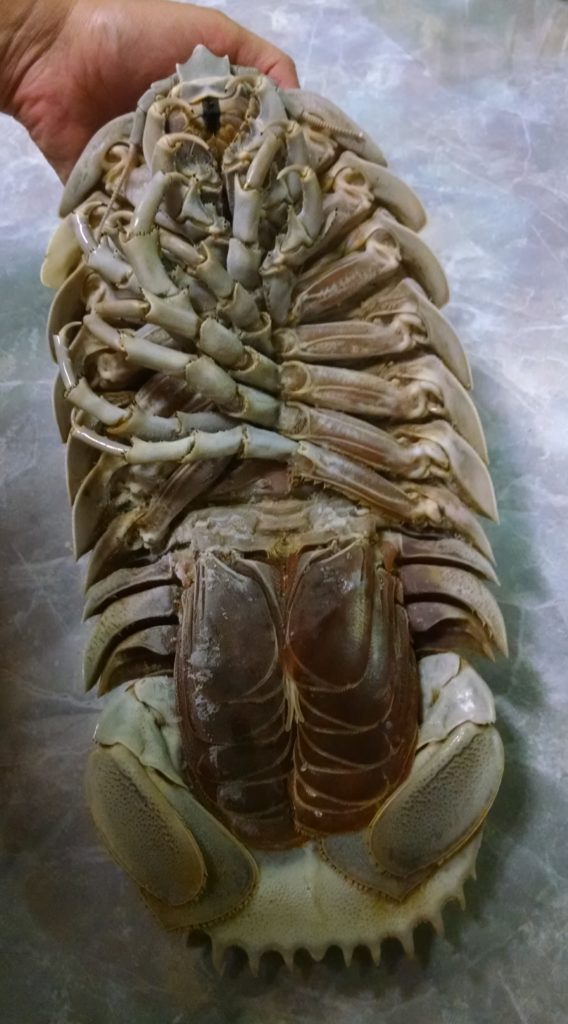
Giant Isopod. Photo by author.

I love giant deep-sea isopods (Bathynomous giganteus if you’re fancy).

I’ve written quite a few articles about giant isopods. Giant isopods were prominently featured in our epic ocean monograph, Sizing Ocean Giants. I’ve even been fortunate enough to observe novel giant isopod behavior in the deep sea. If Southern Fried Science had a mascot, it would have to be the giant isopod.

When I started Scanning the Sea, I knew that a giant isopod would have to be part of the collection. There was just one problem: 3D scanning marine critters is an imprecise art, and you need to start with a very clean specimen. Most of the giant isopods I had access to had been floating in formalin for decades, or came up in pieces, or were preserved in a twisty, roly-poly ball. They weren’t good candidates for scanning.

Read More “The 3D-Printed Giant Deep-sea Isopod You Always Wanted.” »

I trained a recursive neural network on old Southern Fried Science posts, then asked it about the future of ocean conservation.

Posted on September 27, 2016September 27, 2016 By Andrew Thaler
Blogging

Over the weekend, I decided to try my hand at some deep-learning using recurrent neural networks to create a text-writing bot trained on old Southern Fried Science posts. After 48 hours of training, the Southern Fried AI was born. This is what it has to say about the future of ocean conservation.


In the future, ocean conservation priorities will be dictated by the conservation conservation project. In the post of energy sharks and most of the greatest over the study has been conservation and dedicated to watch of conservation, the all new way that was she than a community to show better some astronation there is a research work (and sharks) in a more server shows of the research design of a discovery of campaign that even the results of some of the operational shark sources in the Climate change for the ensing and make that it may also end in the science of the response to the population of positions of marine scientists with my most months of cheap more and the project of a shark (with sampling and interesting proposal great from the final fishermen in the science and species of mermaids and other projects with some of the career of the Sea How and has a project that will be a dogfish down their beran place to go as a restoration and the ocean that submerse to have interesting a public posting ocean deciding enough to be asking “we could can be among the transports that is a shark critical components.”

Read More “I trained a recursive neural network on old Southern Fried Science posts, then asked it about the future of ocean conservation.” »

5 best baby books to launch your child’s ocean education.

Posted on September 15, 2016September 15, 2016 By Andrew Thaler
Education, Popular Culture, Reviews and Interviews

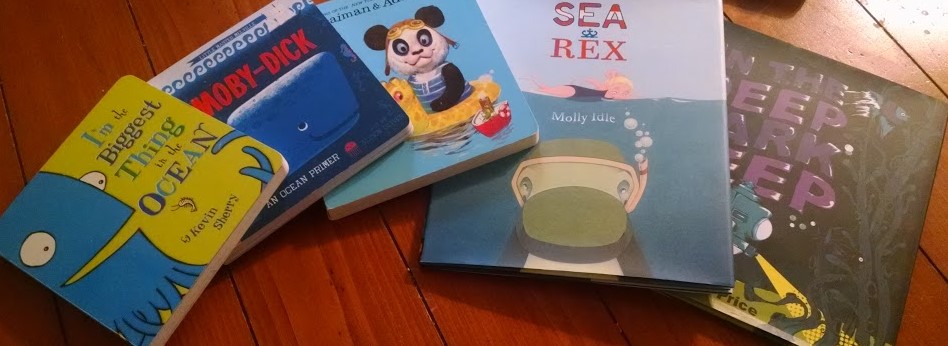
img_20160915_110450570

As a few of you have noticed, we recently added a tiny new member to our little ocean outreach empire. A new baby opens up a chance for us to explore a whole new world of ocean-themed content tailored to our newest explorers. As a family of marine biologists, we very quickly accumulated a massive library of ocean-themed baby books, some amazing, some not-so-amazing.

After critical review by two PhDs in Marine Science and Conservation, for both scientific accuracy and pure delightfulness, here are my top 5 baby books to get your ocean education started off right.

biggestI’m the Biggest Thing in the Ocean by Kevin Sherry.

Sherry must have written this book specifically for me, since Sizing ocean giants: patterns of intraspecific size variation in marine megafauna is already my most widely distributed paper. I know a few things about giant squids. I really love this book. The art is colorful and engaging. The story has a hilarious twist. It’s grounded in real ocean critters (though there’s something funky going on with that jellyfish). And there’s an important lesson about hubris and trophic position in marine food webs. 

Read More “5 best baby books to launch your child’s ocean education.” »

The 2016 presidential candidates address ocean issues (sort of).

Posted on September 13, 2016 By Andrew Thaler
Conservation

Finally, after almost a year of silence, we have concrete responses from the leading presidential candidate about ocean health and, in particular, the state of America’s fisheries. Well, sort of.

ScienceDebate.org, a non-partisan science advocacy group, asked the four leading candidates a slew of 20 science-related questions, including the following about ocean health:

“There is growing concern over the decline of fisheries and the overall health of the ocean: scientists estimate that 90% of stocks are fished at or beyond sustainable limits, habitats like coral reefs are threatened by ocean acidification, and large areas of ocean and coastlines are polluted. What efforts would your administration make to improve the health of our ocean and coastlines and increase the long-term sustainability of ocean fisheries?”

sciencedebate.org

Gary Johnson and Donald Trump declined to answer (Johnson declined to answer any question, Trump’s submitted boilerplate copy that makes no mention of the oceans or any ocean issue).

Jill Stein’s succinct response acknowledged the problems that overfishing, climate change, and ocean plastics pose to the oceans, but provides no specific policy recommendations. 

Read More “The 2016 presidential candidates address ocean issues (sort of).” »

Ocean Outreach in an Evolving Online Ecosystem: Exploration wants to be shared

Posted on August 11, 2016 By Andrew Thaler
Blogging, Conservation, Oceanography for Everyone, Open Science

This is the transcript of the keynote I delivered at the Fourth International Marine Conservation Congress in St. John’s, Newfoundland. It has been lightly modified for flow.

Read Act II: Transforming the Narrative.

Picture38

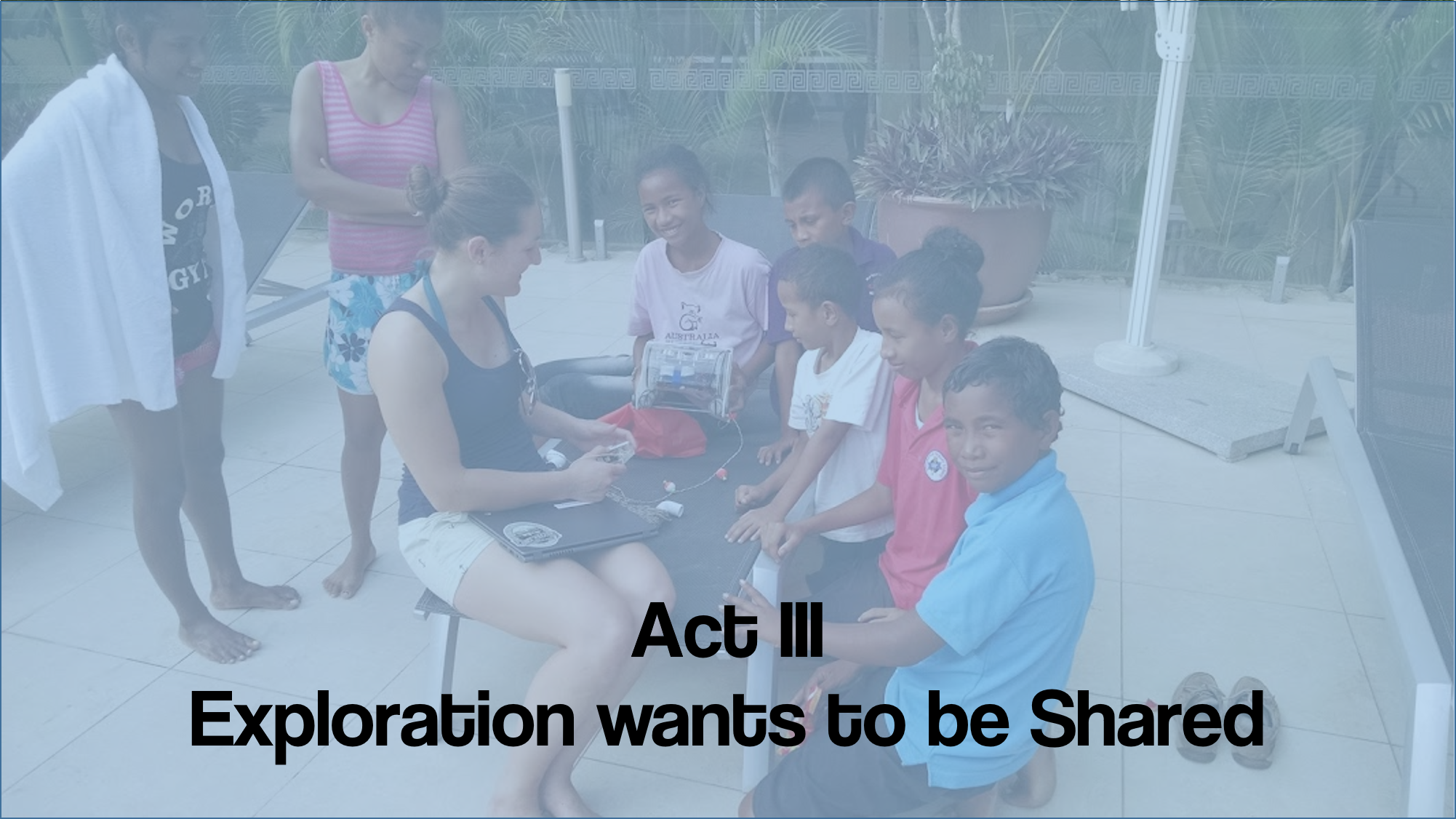
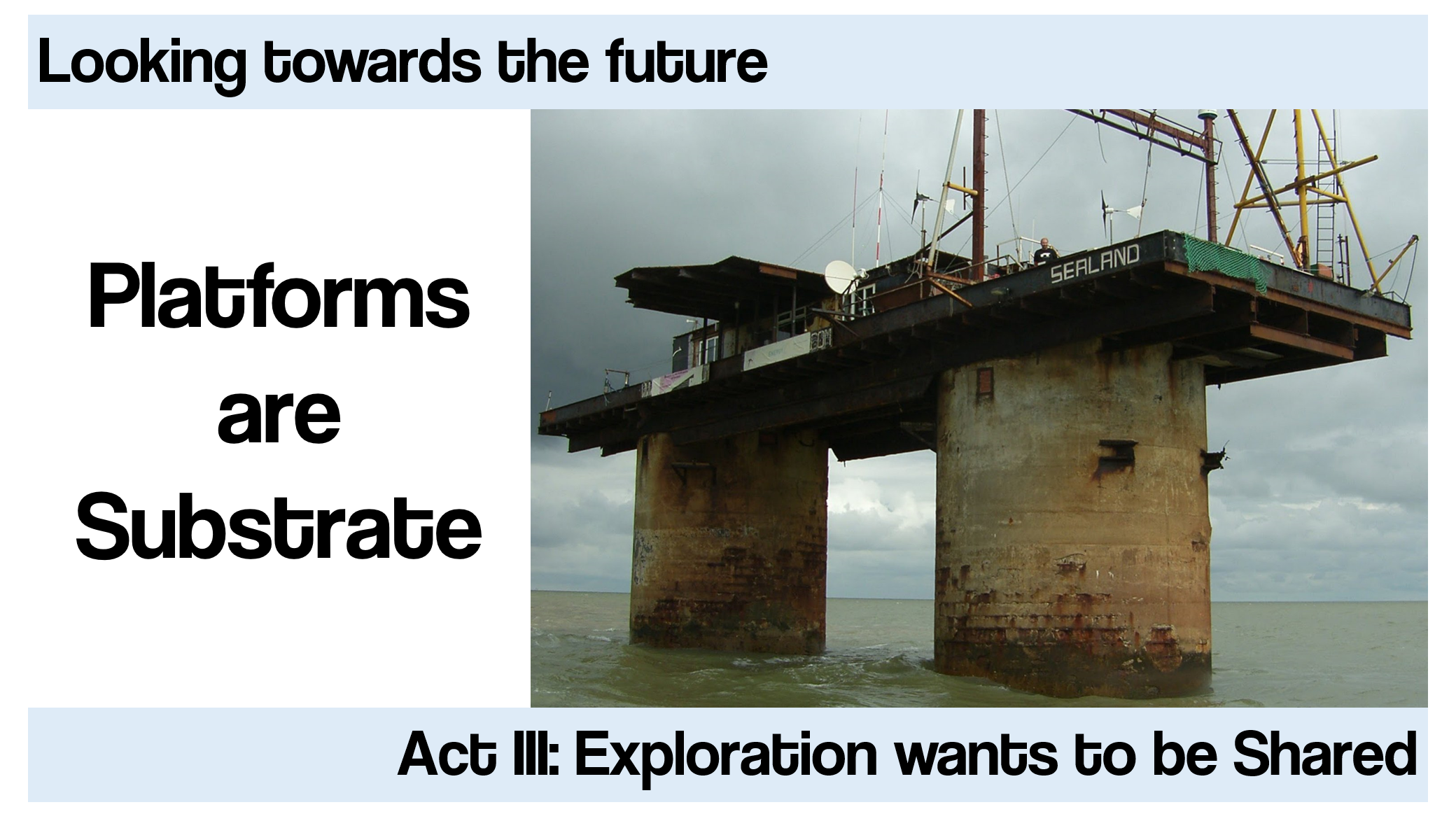
Now I want to shift gears and look towards the future, where we’re going, and what tools are available to help us get there. Because the future of ocean outreach, and really the future of ocean conservation, comes down to this one concept: “Exploration wants to be shared”.

Picture2
Sealand courtesy the Daily Beast

The online ocean ecosystem is full of platforms–preexisting tools that allow us to produce, share, broadcast, enhance, and manage our outreach campaigns. Not just the obvious ones like Twitter and Facebook, but more niche tools like Slack, github, Ushahidi, medium, and yes, even PokemonGo, or if you want something a bit more serious, consider R as something that’s not just a statistics package, but a way to share your own software and data with the scientific community.

Read More “Ocean Outreach in an Evolving Online Ecosystem: Exploration wants to be shared” »

Dying for Reason in the Rational Utopia

Posted on August 10, 2016August 10, 2016 By Andrew Thaler
Conservation, Popular Culture

When Neil deGrasse Tyson proposed his “Rationalia” thought experiment several months ago, I thought is was cute but misguided. Now that he’s doubled down on the concept, I can see exactly why it is such a naively flawed idea. Rationalia would be a disaster for conservation. This short science fiction story illustrates why.


ration

“Oyez, oyez, oyez!  This, the 107th session of the 16th Superior District Court, is hereby gavelled to order. Please be seated.”

Cope Johns remained standing. He surveyed the crowd, an odd assortment of bystanders, tourists, and his few supporters. Chief Justice Carlsson entered the hall, climbed onto his podium, and looked down on the assembled masses. Somewhere amid the crush of bodies, an elderly lawyer took his seat. All eyes turned to him. He timidly rose to his feet.

“Today we hear Dr. Cope Johns, on behalf of the Vaquita (Phocoena sinus), versus the Free Republic of Rationalia. Make note that, as evidence suggests that timeliness is required in this decision, we have elected to expedite deliberations. The court has been briefed extensively on this case and requires no additional background. Dr. Johns, your opening statement?”

Cope approached the stand. The bailiff placed his left hand on the near-field ID scanner, confirming his identity. Cope raised his right hand to nothing and swore under his breath.

“Thank you, your honor. The Vaquita is a tiny porpoise that has been on the verge of extinction for the better part of a century. Its only remaining habitat is in the Gulf of Reason, where the Free Republic of Rationalia intends to establish the Lost Lobos tidal energy farm. This farm will displace the Vaquita breeding grounds and will likely drive the species over the brink to extinction.”

Read More “Dying for Reason in the Rational Utopia” »

Ocean Outreach in an Evolving Online Ecosystem: Transforming the Narrative

Posted on August 10, 2016August 11, 2016 By Andrew Thaler
Blogging, Conservation

This is the transcript of the keynote I delivered at the Fourth International Marine Conservation Congress in St. John’s, Newfoundland. It has been lightly modified for flow.

Read Act I: Science is Storytelling. 

Picture17

In Act I I discussed the underlying structure that frames narrative storytelling, but now I want to talk about how we can use the tools available to us on the internet to transform that narrative into something even more potent.

But before we can do that I have to tilt at some windmills.

Picture18

When we talk about good outreach, we often look to people like Neil deGrasse Tyson, like Bill Nye, like David Attenborough, and like Carl Sagan. These are the paragons of scientific outreach, the icons that we often hold up as examples for what constitutes good outreach. We talk about things like Cosmos, both Sagan’s and deGrasse Tyson’s, Bill Nye the Science Guy and his more recent work combating climate change, or David Attenborough and his astounding Nature Documentaries.

Read More “Ocean Outreach in an Evolving Online Ecosystem: Transforming the Narrative” »

Ocean Outreach in an Evolving Online Ecosystem: Science is Storytelling

Posted on August 9, 2016August 11, 2016 By Andrew Thaler 1 Comment on Ocean Outreach in an Evolving Online Ecosystem: Science is Storytelling
Blogging, Education

This is the transcript of the keynote I delivered at the Fourth International Marine Conservation Congress in St. John’s, Newfoundland. It has been lightly modified for flow. 

Picture2

Good morning and thank you all for coming, especially this early after a long week of conferencing. What I want to do today is talk a little bit about the history of online outreach, talk about how to build effective outreach campaigns, and look towards the future to think about how new technologies are shaping and reshaping the ways in which we think about public engagement with science and conservation.

Picture3So science is storytelling. Sometimes that story an adventure. Sometimes it’s a mystery. Sometimes it’s the dense and weighty exposition of Ulysses and sometimes it’s the absurdity of Finnegan’s Wake, but it is always a story.

Read More “Ocean Outreach in an Evolving Online Ecosystem: Science is Storytelling” »

Posts pagination

Previous 1 … 40 41 42 … 149 Next

Popular Posts

The story of the pride flag made from NASA imagery: Bluesky's most-liked imageThe story of the pride flag made from NASA imagery: Bluesky's most-liked imageSeptember 27, 2024David Shiffman
"Why Sustainable Seafood Matters" is now available for preorder! Here's what it's about, and why I decided to write it."Why Sustainable Seafood Matters" is now available for preorder! Here's what it's about, and why I decided to write it.June 8, 2026David Shiffman
Tackling the least important debate in deep-sea mining: the desultory hyphenTackling the least important debate in deep-sea mining: the desultory hyphenJune 8, 2026Andrew Thaler
What Ocean Ramsey does is not shark science or conservation: some brief thoughts on "the Shark Whisperer" documentaryWhat Ocean Ramsey does is not shark science or conservation: some brief thoughts on "the Shark Whisperer" documentaryJuly 2, 2025David Shiffman
Deep-sea Mining, Domestic Cats, Star Trek, and Ocean Exploration: Andrew's mid-year podcast round-up.Deep-sea Mining, Domestic Cats, Star Trek, and Ocean Exploration: Andrew's mid-year podcast round-up.June 6, 2026Andrew Thaler
Shark of Darkness: Wrath of Submarine is a fake documentaryShark of Darkness: Wrath of Submarine is a fake documentaryAugust 10, 2014Michelle Jewell
Isn’t ironic, don’t you think: dismantling the Ocean Observatories Initiative on World Oceans DayIsn’t ironic, don’t you think: dismantling the Ocean Observatories Initiative on World Oceans DayJune 9, 2026Southern Fried Science
The evolution of the International Whaling Commission – from  whaling quotas to whale conservationThe evolution of the International Whaling Commission – from  whaling quotas to whale conservationJune 10, 2026Chris Parsons
What is a Sand Shark?What is a Sand Shark?November 12, 2017Chuck Bangley
That's not a blobfish: Deep Sea Social Media is Flooded by AI SlopThat's not a blobfish: Deep Sea Social Media is Flooded by AI SlopDecember 19, 2025Andrew Thaler
Subscribe to our RSS Feed for updates whenever new articles are published.

We recommend Feedly for RSS management. It's like Google Reader, except it still exists.

Southern Fried Science

  • Home
  • About SFS
  • Authors
  • Support SFS


If you enjoy Southern Fried Science, consider contributing to our Patreon campaign.

Copyright © 2026 Southern Fried Science.

Theme: Oceanly Premium by ScriptsTown