Skip to content

Southern Fried Science

Over 15 years of ocean science and conservation online

  • Home
  • About SFS
  • Authors
  • Support SFS

Blending smartphones for science, understanding the environmental hazards of 3D printing, flooding the midwest, and ocean news, too! Monday Morning Salvage: March 25, 2019

Posted on March 25, 2019March 25, 2019 By Andrew Thaler
Weekly Salvage

Foghorn (A Call to Action!)

  • Your regular reminder that the currently proposed 2020 US budget is a crime against the American People. Call your representatives, especially if you live in MD, LA, or NC.
    • U.S. Interior Official Suggests Trump’s Drilling Proposal Will Include Parts of Atlantic.

Flotsam (what we’re obsessed with right now)

  • The destruction of Beira is a catastrophe on a nearly unimaginable scale. ‘Almost Everything Is Destroyed’: Cyclone Idai Leaves Mozambique’s Fourth-Largest City in Ruins.
  • It’s Official, This Is the Oldest Known Mariner’s Astrolabe in the World.
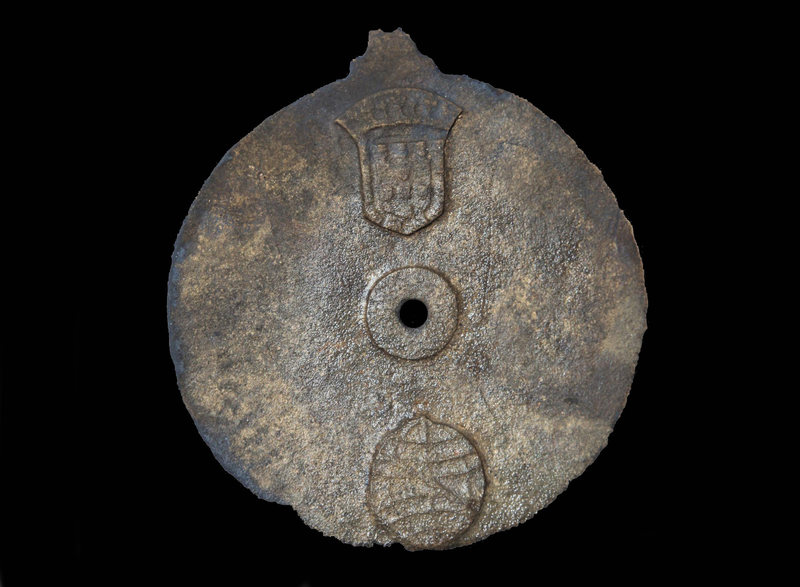
The oldest mariner’s astrolabe ever found, decorated with the Portuguese coat of arms. COURTESY DAVID MEARNS
  • After Two Decades, a Fishy Genetic Mystery Has Been Solved.
  • A scientist faced down the ultimate cold case: How did two groups of fish separately evolve genes for making antifreeze?

Jetsam (what we’re reading from around the web)
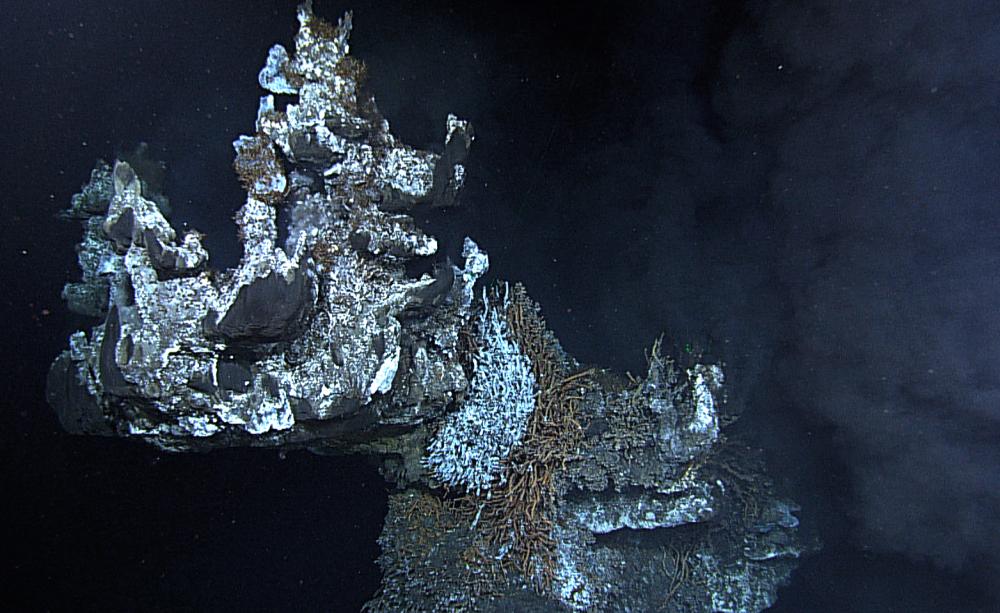
  • Deep-sea mining: regulating the unknown.
Venting fumeroles just from the crown of Godzilla hydrothermal vent. Ocean Networks Canada
  • Scientists track damage from controversial deep-sea mining method.
  • Discard Studies’ monthly round up of, well, discard studies. It’s The Dirt!
  • Wounded Wilderness: The Exxon Valdez Oil Spill 30 Years Later.
  • This headline is my brand: Study Shows Rogue Waves Are Becoming More Extreme.
  • Enric Sala: ‘We cannot continue just writing the obituary of the ocean’.
  • More coverage of Dr. McClain’s alligator falls in the Gulf of Mexico: Alligators dropped to darkest Gulf depths to see what bites.
  • The history of our whales and how whaling brought species ‘to brink of extinction’.
  • How is the deep sea so diverse? The struggle is real for late 1900s ecologists.
Small marine animals called macrofauna — snails, worms, clams, and other creatures no bigger than a pencil eraser — live and feed in the seafloor sediment. In an area the size of a coffee table, there may be more than 300 species of macrofauna in deep-sea sediments. Credit: Craig McClain
  • New Climate Change Visualization Presents Two Stark Choices For Our Future.
  • Wounded Wilderness: The Exxon Valdez Oil Spill 30 Years Later.
  • This headline is my brand: Study Shows Rogue Waves Are Becoming More Extreme.
  • Enric Sala: ‘We cannot continue just writing the obituary of the ocean’.
  • More coverage of Dr. McClain’s alligator falls in the Gulf of Mexico: Alligators dropped to darkest Gulf depths to see what bites.
  • The history of our whales and how whaling brought species ‘to brink of extinction’.
  • New Climate Change Visualization Presents Two Stark Choices For Our Future.
Image: Alexander Radtke
  • Whales in the bay: Great for sightseers, but biologists are concerned.
  • Release the Robots! How researchers are studying stressed sharks.
  • Exploding Whales, Poisoned Porpoises: The Gruesome World of Cetacean Autopsies.
  • Bottom trawling may irreparably damage seamount habitats.
  • Dramatic Satellite Photos Show Historic Flooding Across Central U.S. in Wake of Bomb Cyclone.
  • I am always here for new mountains in the sea. Thousands of unknown underwater mountains found in Earth’s oceans.
  • Even more from Discard Studies: Mapping USA electronics manufacturing pollution.
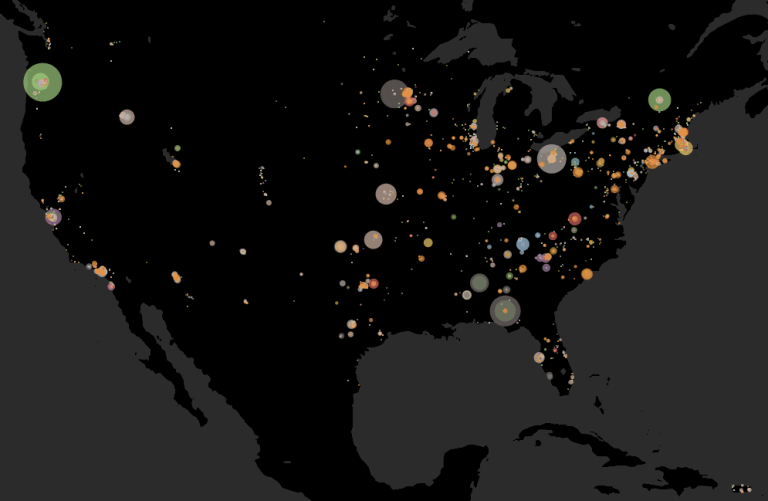
Chemical releases from the computer and electronics sector, 1991-2015. Click here to open the live map. Source: worldingelectronicwaste.xyz
  • Become? Could conservation become locked in a cycle of violence?
  • Wreckage Of World War II-Era Carrier USS Wasp Discovered.
  • These Scientists Ground an iPhone to Dust to Figure Out What’s Inside.

Lagan (what we’re reading from the peer-reviewed literature)

  • Simon‐Lledó and friends (2019) Ecology of a polymetallic nodule occurrence gradient: Implications for deep‐sea mining. DOI: 10.1002/lno.11157.
  • Boesch (2019) Barriers and Bridges in Abating Coastal Eutrophication. DOI :10.3389/fmars.2019.00123.
  • Zhang and friends (2017) Characterization of particle emissions from consumer fused deposition modeling 3D printers. DOI: 10.1080/02786826.2017.1342029.
  • Zhang and friends (2018) Investigating particle emissions and aerosol dynamics from a consumer fused deposition modeling 3D printer with a lognormal moment aerosol model. DOI: 10.1080/02786826.2018.1464115.
  • Liou and friends (2019) Coral-algal interactions at Weizhou Island in the northern South China Sea: variations by taxa and the exacerbating impact of sediments trapped in turf algae. DOI: 10.7717/peerj.6590.

Shipping News (academic and ocean policy wonkery)

  • The longer you sit in a closed conference room with a bunch of people, the worse your decision-making will be. Impaired Decision Making in Conference Rooms.

Feel free to share your own Foghorns, Flotsam, Jetsam, Lagan, Shipping News, Driftwood, and Derelicts in the comments below. If you enjoy Southern Fried Science, consider contributing to our Patreon campaign. For just $5 per month, you can support the SFS Writers Fund, which helps compensate your favorite ocean science and conservation bloggers for their efforts.

Share this:

  • Click to share on Bluesky (Opens in new window) Bluesky
  • Click to share on Facebook (Opens in new window) Facebook
  • Click to share on Reddit (Opens in new window) Reddit
  • Click to share on Threads (Opens in new window) Threads
  • Click to share on WhatsApp (Opens in new window) WhatsApp
  • Click to share on Mastodon (Opens in new window) Mastodon

Related

Tags: anti-freeze astrolabe Beira budget deep-sea mining NOAA

Post navigation

❮ Previous Post: Trump’s 2020 Budget will be a Disaster for America’s Coastal Economies
Next Post: Commerce Unveils a Budget to Decimate NOAA ❯

You may also like

Weekly Salvage
After mining a seabed is forever changed, divers do good and bad, eating plastic, a Musk mystery sub, and more! Monday Morning Salvage: June 17, 2019
June 17, 2019
Weekly Salvage
Parasitic barnacles, a code of conduct for marine conservation, #BillMeetScienceTwitter, and more! Monday Morning Salvage: May 22, 2017.
May 22, 2017
Uncategorized
Snot Bots for whale health, critical dolphins, lobster considerations, and more! Monday Morning Salvage: January 15, 2018.
January 15, 2018
Featured
NOAA carries a two century legacy of America’s first government science agency
February 19, 2025

Popular Posts

That's not a blobfish: Deep Sea Social Media is Flooded by AI SlopThat's not a blobfish: Deep Sea Social Media is Flooded by AI SlopDecember 19, 2025Andrew Thaler
What Ocean Ramsey does is not shark science or conservation: some brief thoughts on "the Shark Whisperer" documentaryWhat Ocean Ramsey does is not shark science or conservation: some brief thoughts on "the Shark Whisperer" documentaryJuly 2, 2025David Shiffman
The story of the pride flag made from NASA imagery: Bluesky's most-liked imageThe story of the pride flag made from NASA imagery: Bluesky's most-liked imageSeptember 27, 2024David Shiffman
What can the funniest shark memes on the internetz teach us about ocean science and conservation?What can the funniest shark memes on the internetz teach us about ocean science and conservation?November 8, 2013David Shiffman
The Trouble with Teacup PigsThe Trouble with Teacup PigsOctober 14, 2012Andrew Thaler
Shark of Darkness: Wrath of Submarine is a fake documentaryShark of Darkness: Wrath of Submarine is a fake documentaryAugust 10, 2014Michelle Jewell
I can serve on your graduate thesis committee. Here’s what you can expect of me, and what I expect in return.I can serve on your graduate thesis committee. Here’s what you can expect of me, and what I expect in return.October 16, 2025David Shiffman
Norway and Cook Islands put their deep-sea mining plans on pause.Norway and Cook Islands put their deep-sea mining plans on pause.December 3, 2025Andrew Thaler
Nodules, Lost Mines, and Dark Oxygen: A new documentary on deep-sea mining asks important questions about the future of the industry.Nodules, Lost Mines, and Dark Oxygen: A new documentary on deep-sea mining asks important questions about the future of the industry.July 24, 2025Andrew Thaler
Blackfish: the Science Behind the MovieBlackfish: the Science Behind the MovieSeptember 18, 2013Chris Parsons
Subscribe to our RSS Feed for updates whenever new articles are published.

We recommend Feedly for RSS management. It's like Google Reader, except it still exists.

Southern Fried Science

  • Home
  • About SFS
  • Authors
  • Support SFS


If you enjoy Southern Fried Science, consider contributing to our Patreon campaign.

Copyright © 2025 Southern Fried Science.

Theme: Oceanly Premium by ScriptsTown