This is Part 3 of Built to Last: A Reflection on Environmentally Conscientious Woodworking.
- Built to Last: A Reflection on Environmentally Conscientious Woodworking
- Part 1: I turned my woodshop into a personal solar farm.
- Part 2: Getting a handle on workworking chemicals, or sometimes we all need to vent.
- Part 3: Furniture as Revolution.
- Part 4: The best tool for the job is you
- A good joint is built to last: archaeologists uncover evidence for the earliest structural use of wood.
Small-scale DIY solar arrays are neat. Vigilance in chemical exposure risk is a valuable habit to develop. Selecting local materials and responsibly-sourced wood can ease your environmental burden while bolstering creativity. But these are not particularly paradigm-breaking expressions of an environmental ethic. It is the furniture itself that is the most profound manifestation of that ethic.
Creating a piece of functional, practical art that can last for generations is a radical departure from the current trend of disposable fast furniture made of particle board and held together with camming nuts, cheap dowels, and that one textbook that you can never read lest your bookcase collapses under its own precarious weight. Stores like Ikea have done an impressive job making attractive, modern furniture accessible and affordable, but it has done so at significant environmental costs.
Although fast furniture stores, and especially Ikea, have made huge strides in environmental compliance and sustainable production, their core business model is centered on the idea that furniture is disposable, that people want to “refresh” their living spaces every few years, and that the transience of fast furniture is part of its appeal. People want to go furniture shopping. Ikea gives you a reason to.
The life-cycle of fast furniture is grim. By design.
Can I make a simple, elegant table that’s cheaper than an Ikea table? Not a chance. My material costs alone for a good dining table exceed even the most expensive Ikea table, before factoring in time and consumables. But over the lifetime of the piece, a lifetime that can conceivably span a century or more, that value proposition changes dramatically.
Fast furniture results in aggressive deforestation, involves intensive manufacturing, and relies on an increasingly fragile global supply chain. Woodworking rejects that paradigm. One generational piece of furniture can replace dozens of pieces of fast furniture throughout its life, dramatically reducing the environmental impacts of production, shipping, and disposal associated with consumable furniture.
A well-made piece of furniture can undermine the fast furniture model for generations.
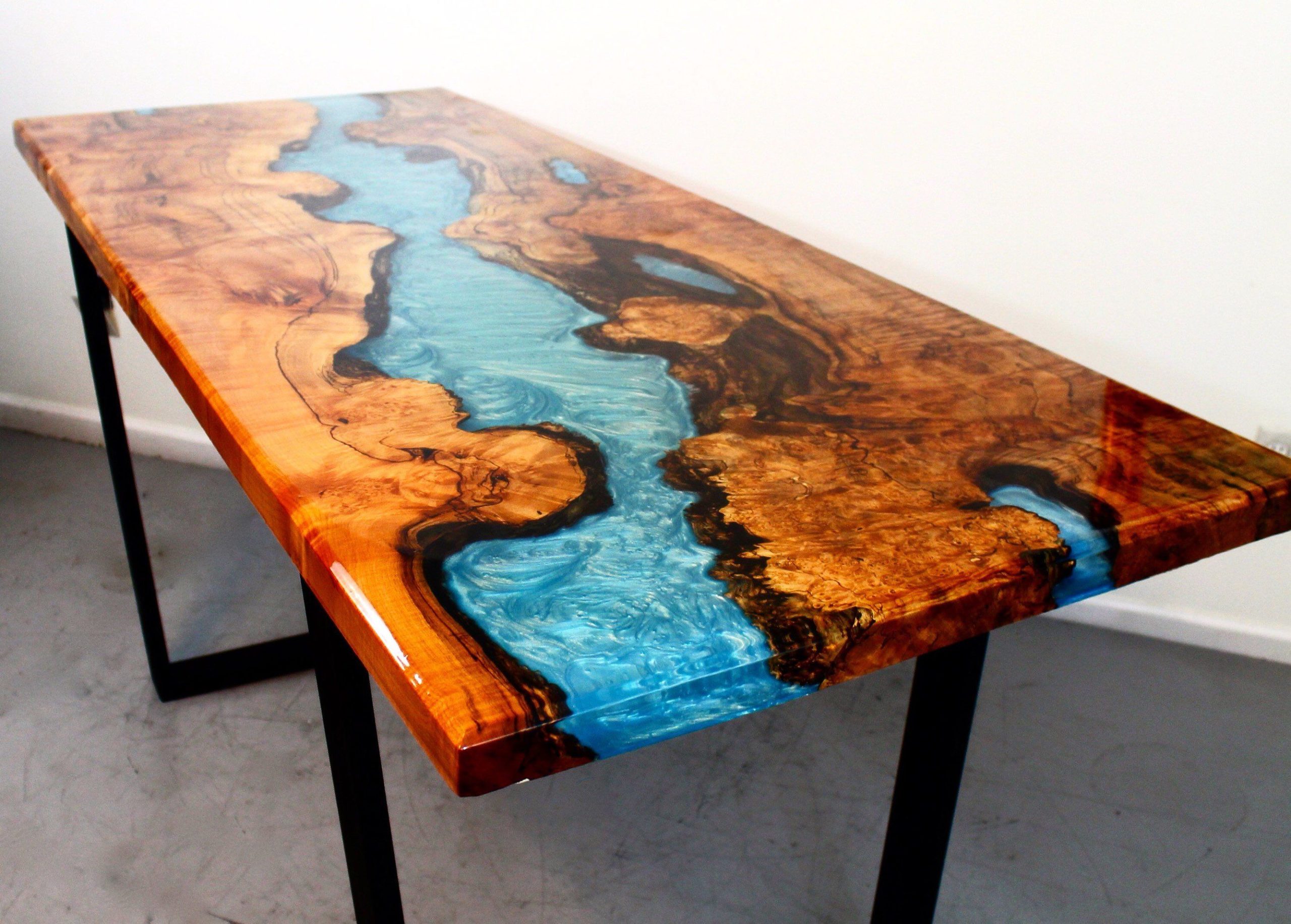
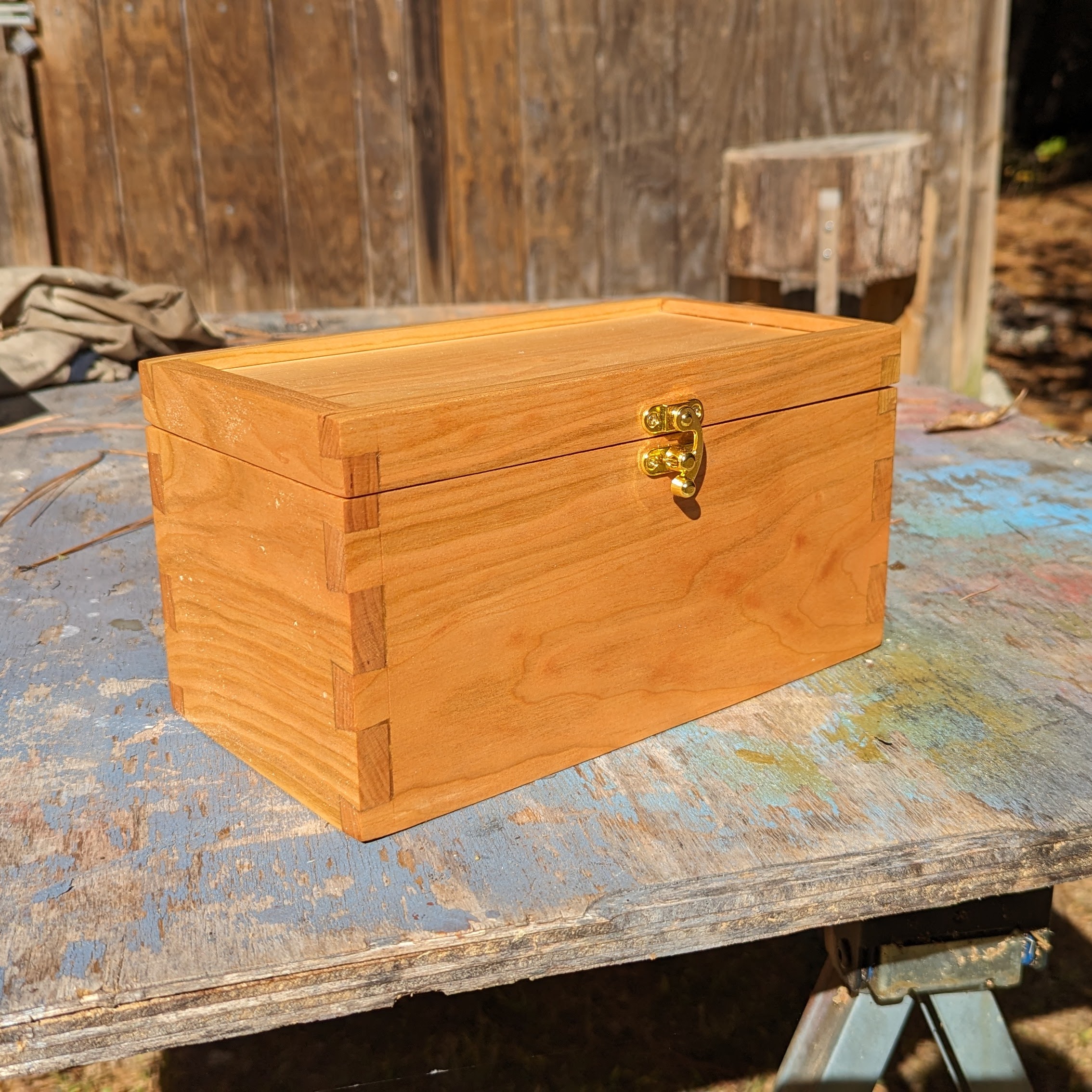
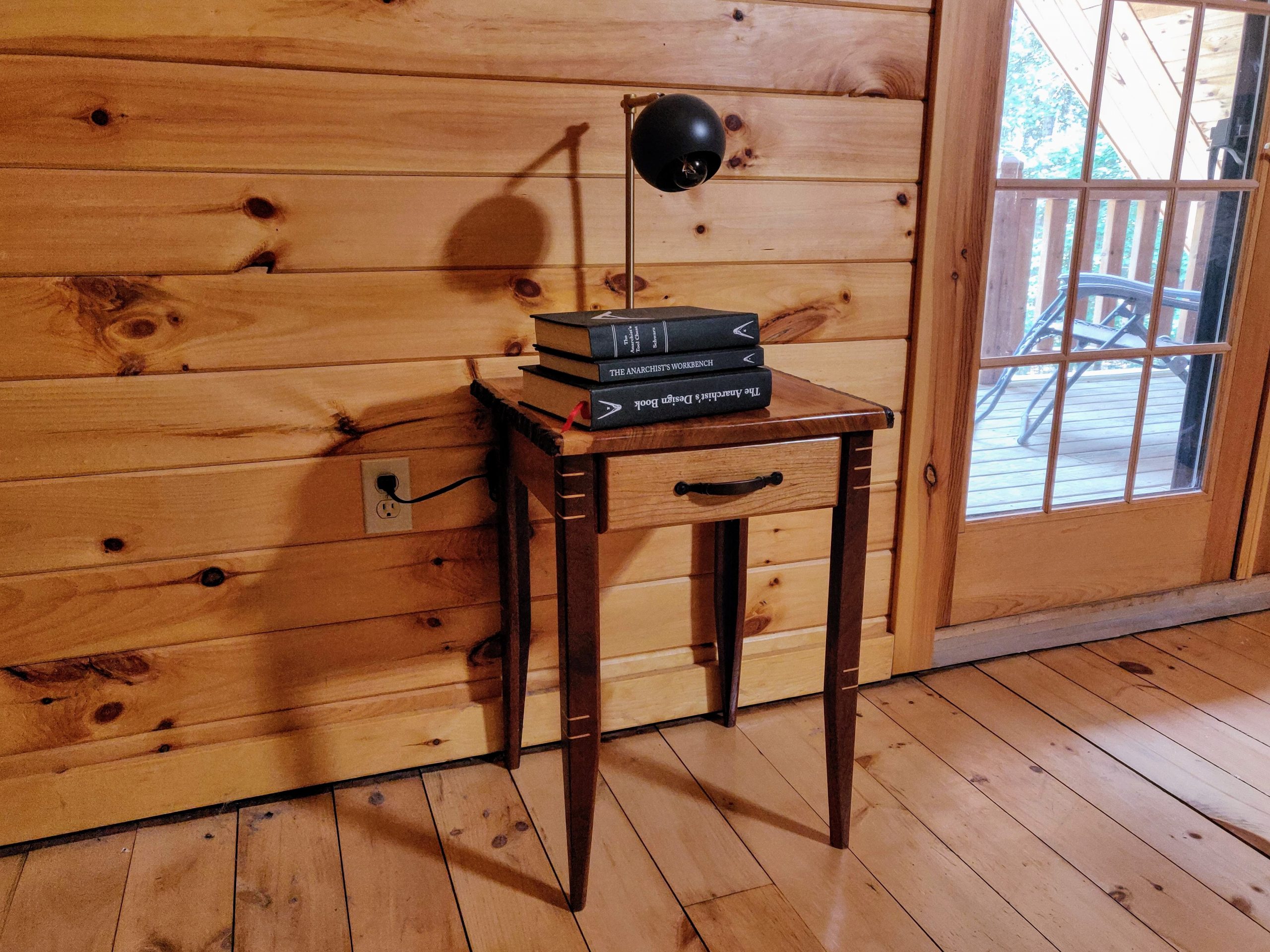
And here’s the thing: you don’t have to own the same piece of furniture for 50 years to make it matter. Over the last decade, I’ve made probably close to a hundred different pieces of various sizes and functions. Some of my early work, a few knock-together shelves, and a handful of projects built to take a ton of abuse, have met their end. But from cutting boards to chicken coops, most of the things I’ve made are all still out in the world, providing a lifetime of use to whoever currently cares for them.
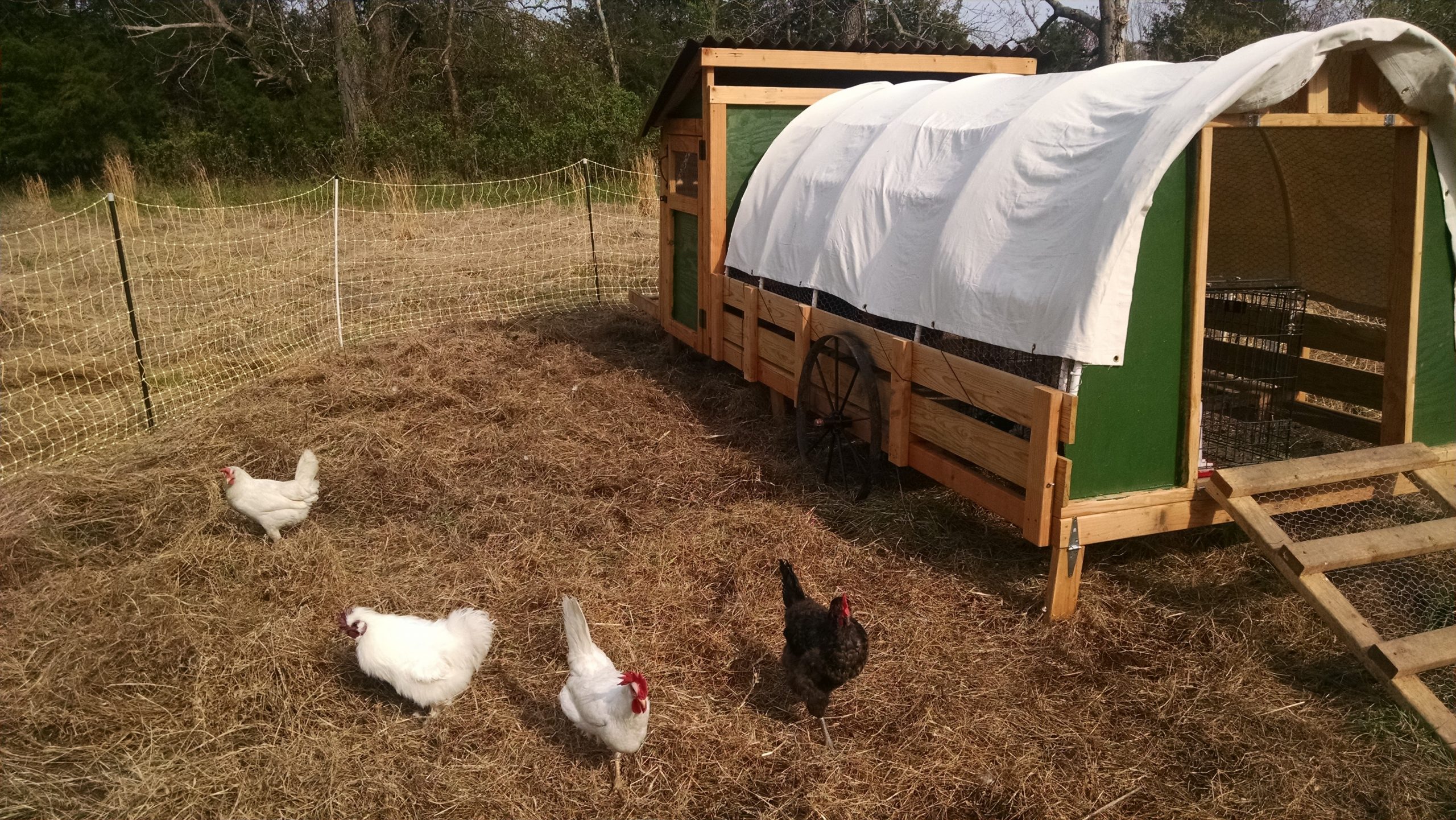
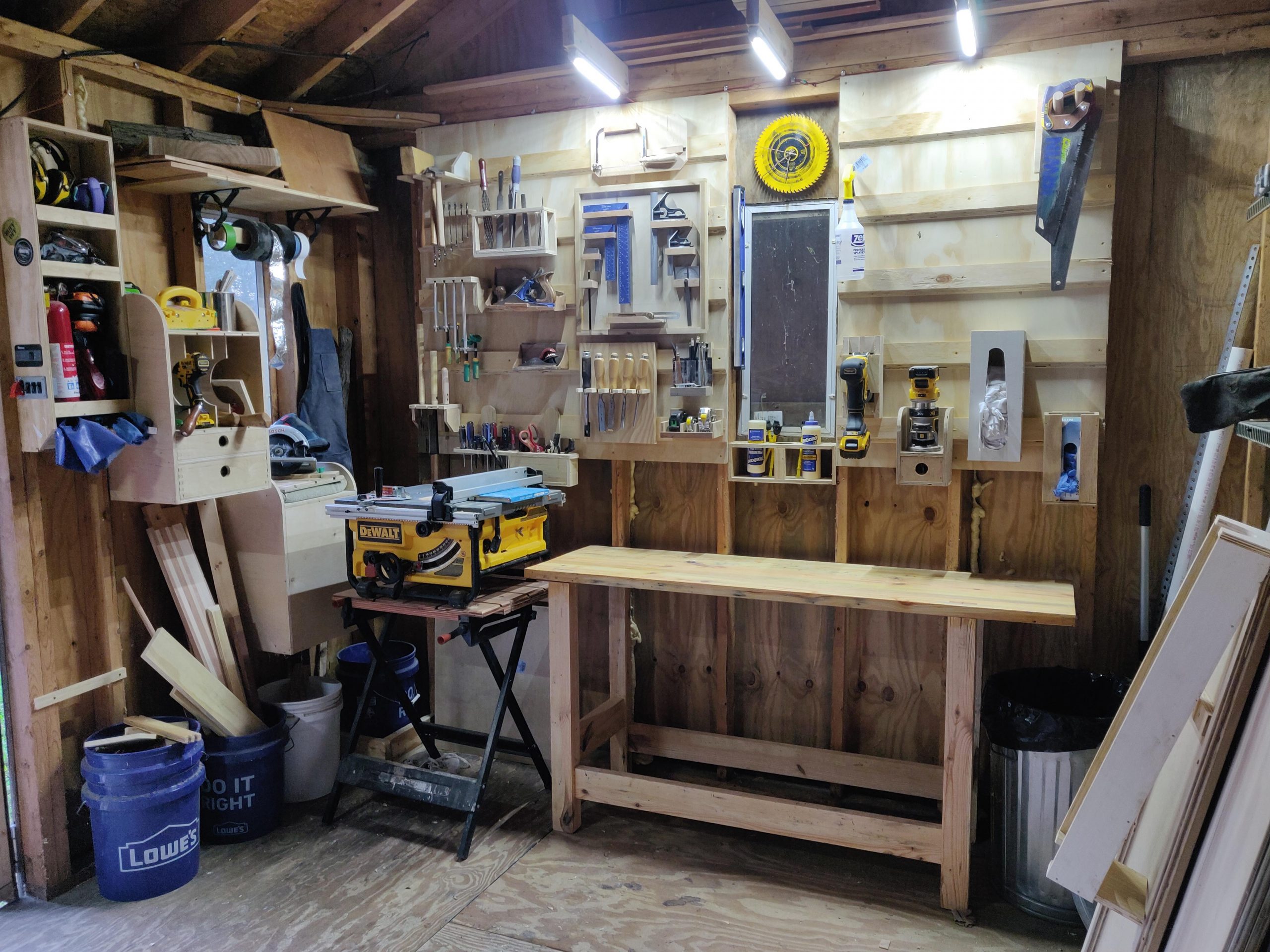
Beyond the solar shed and the chemical audit, my biggest focus is in honing my craft, learning the design and joinery fundamentals to build a piece of furniture that stands the test of time, from lumber sourced locally and sustainably.
This is the real promise of sustainable woodworking. Minimizing and mitigating the impacts of production have their benefits. A conscientious approach to the chemicals we use can reduce the environmental burden of the craft. A fully-renewable source of electricity can change the energy equation for high-amperage power tools. But it is the creation of something that lasts, something that asserts its permanence over a culture of furniture-as-consumable that makes woodworking a revolutionary act.
In a present defined by levying a tax on future generations through manufactured frailty, making something designed to persist beyond the lifetime of its creator is a radical environmental act. It is a reminder that we can act with foresight, that we are betting on resilience, not surrender. It is a rejection of the conspicuous consumption that has shaped the current era. And it is a promise to the future that we intend to endure.