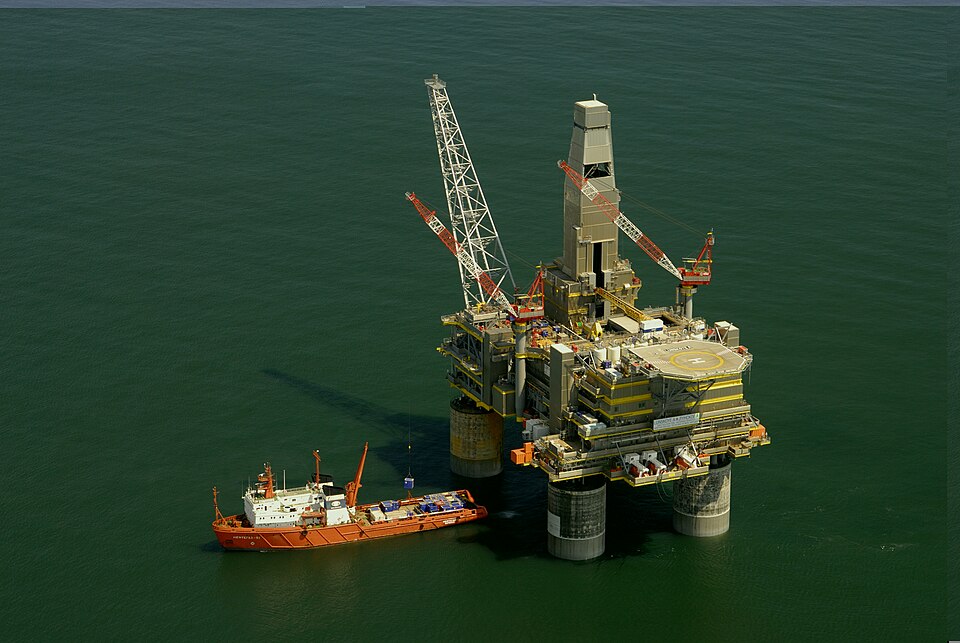
The 2026 budget proposal from the Trump administration just dropped, and if you’re a fan of having a functional ocean, breathable air … or whales, you might want to sit down. We’ve seen “lean” budgets before, but this isn’t a haircut; it’s a lobotomy of U.S. marine science that shifts our entire blue backyard from a managed ecosystem to an unregulated gas station.
Blinding ocean monitoring
First on the chopping block is the National Oceanic and Atmospheric Administration (NOAA), facing a staggering $1.6 billion cut. This isn’t just “trimming the fat”; it’s a systematic dismantling of our ability to monitor the planet.
By proposing to dissolve the Office of Oceanic and Atmospheric Research (OAR) and gutting climate labs, the administration is effectively gouging out its own eyes when it comes to monitoring the oceans. We are choosing to go blind to ocean acidification and warming trends. For the ecological world, this means we lose the baseline data required to understand why kelp forests are disappearing or why fish stocks are migrating. You can’t manage what you don’t measure, and this budget ensures we won’t be measuring much of anything.
Death to whales (and dolphins)
The FWS is a fantastic agency, but they are geared toward terrestrial and freshwater systems. Moving the Marine Mammal Protection Act to FWS creates a profound “knowledge gap.” Marine mammals live in a world of acoustics and fluid dynamics, and their greatest threats are fishing, shipping and ocean climate change. Areas where specialized expertise currently lives within NOAA.
In a move that wins the award for “least logical synergy,” the administration wants to strip marine mammal management from NOAA Fisheries and dump it into the U.S. Fish and Wildlife Service (FWS).
Worse, the budget seeks to raise “incidental take” limits. This essentially legalizing the accidental killing of more whales and dolphins during seismic blasting conducted by the oil and gas industry (which is scientifically documented to kill marine mammals, unlike offshore renewable energy).
By simultaneously eliminating the Marine Mammal Commission (MMC), the administration is removing the only independent watchdog capable of calling out Federal actions that could kill large numbers of whales and dolphins. Without the MMC, the Trump administration can push through
Ignoring the lessons of Deepwater Horizon
Perhaps the most dangerous ecological gamble is the “re-unification” of the Bureau of Ocean Energy Management (BOEM) and the Bureau of Safety and Environmental Enforcement (BSEE) into a new entity: the Marine Minerals Administration (MMA).
We’ve seen this movie before, and it ended with 4.9 million barrels of oil in the Gulf of Mexico. Before 2011, these roles were combined in the Minerals Management Service (MMS), an agency so plagued by conflicts of interest that safety inspectors were often overruled by those chasing leasing quotas.
This led to the environmental impact assessments for the Deepwater Horizon platform listing walruses and sea otters as animals that live in the Gulf of Mexico. They just copy and pasted an impact assessment from an Alaskan oil rig and it got approved by MMS.
The Obama administration split them specifically to ensure that the people protecting against oil spills and disasters at sea didn’t report to, and shelf safety concerns for, the people trying to sell the oil. Rejoining the two agencies removes the ecological firewall. It turns the “police” into “promoters,” inviting a repeat of the Deepwater Horizon disaster by treating environmental oversight as a bureaucratic hurdle rather than a necessity.
The oceans have become the billionaires’ gas station
The cuts go deeper than just the big agencies. By targeting the Pacific Salmon Recovery Fund and the Office of Habitat Conservation, the budget strikes at the literal foundation of our fisheries, i.e., the wetlands and spawning grounds. For species like the North Atlantic right whale (down to fewer than 370 individuals) the loss of funding for “ropeless” fishing gear to prevent entanglements, is effectively a fast-track to extinction.
This budget treats the ocean as a private gas station rather than a public trust. It put ownership of the oceans into the hands of industry, and not the communities and species that rely upon ocean ecosystems. It swaps decades of conservation progress for short-term extraction, and short-term profit. Billionaires adding a few extra billion to their over inflated bank accounts, while looting, pillaging and ransacking the oceans. Causing damage to the oceans and the planet that may never heal.