

 In the last few months, the Middle East and North Africa have seen some of the most dramatic political changes since the breakup of the Ottoman Empire. Tunisian President Zine el-Abidine Ben Ali, who had ruled with an iron fist for more than 20 years, was overthrown. Shortly after, Egyptian President Hosni Mubarak, who had also been a brutal dictator for decades, stepped down in the wake of massive public protests. As of this writing, similar protests are taking place in Yemen, Oman, Morocco, Iran, Djibouti, Jordan and Libya (where government retaliation to the protests has been particularly brutal). If you’re a CNN junkie like I am, you’ve read all about how these revolutions will affect human rights, international relations, oil prices, and the influence of terrorism in the region. There has been relatively little mainstream media focus on how science will be affected, however.
Kate Orff, is not a biologist, she’s an architect. I love the idea of using natural systems to design human systems. The idea that construction should work with the landscape is not new, all you have to do is visit Falling Water to see that, but it’s an idea that hasn’t taken off like it … Read More “Weekly dose of TED: Reviving New York’s rivers with oysters!” »
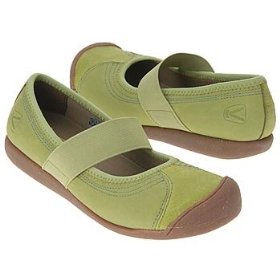
 Everyone’s seen the Keen sandals – the ones that characterize the feet of kayakers all over and arguably create their own style. Keen, however, also offers shoes more in line with their motto of “hybrid life” – that is, they are supposed to be good for a life on-the-go for someone who only wants to carry one pair of shoes.
I received such a pair as a birthday gift from my mother – the source of most shoes in my life. She bought them because they were “cute” and because they came in green, a color that pervades my wardrobe. So they’ve passed the mom test on style. How’d they do on function?
The Three Gorges region of Central China has one of the most striking landscapes on Earth. Steep cliffs covered in lush greenery rise right from the shores of the Yangtze (Yellow) river. Despite the harshness of the terrain, millions of people and numerous species of unique plants and animals call this region home.
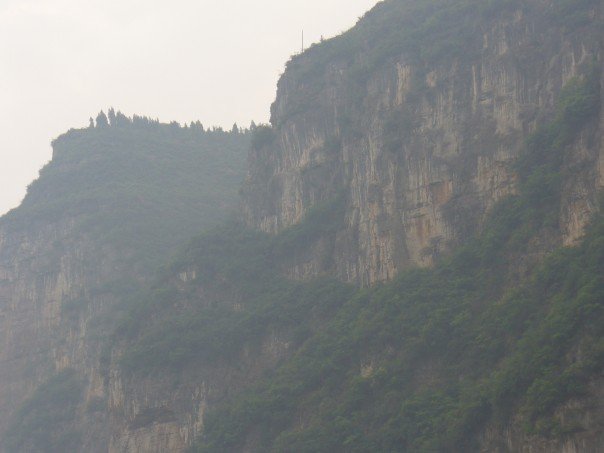
The Yangtze is the third largest river in the world (after the Nile and the Amazon). The river and it’s shores are home to iconic Chinese species such as the Dawn Redwood tree, the tiger, the pangolin, the Chinese sturgeon and the Chinese river dolphin. All told, 570 species of vertebrates and almost 2,100 species of plants live in this region according to UNESCO. The area also has thousands of archaeological sites, including rare evidence of the Ba and Damaio peoples. This entire ecosystem is in big trouble because of one of the largest engineering projects of all time- the Three Gorges Dam.
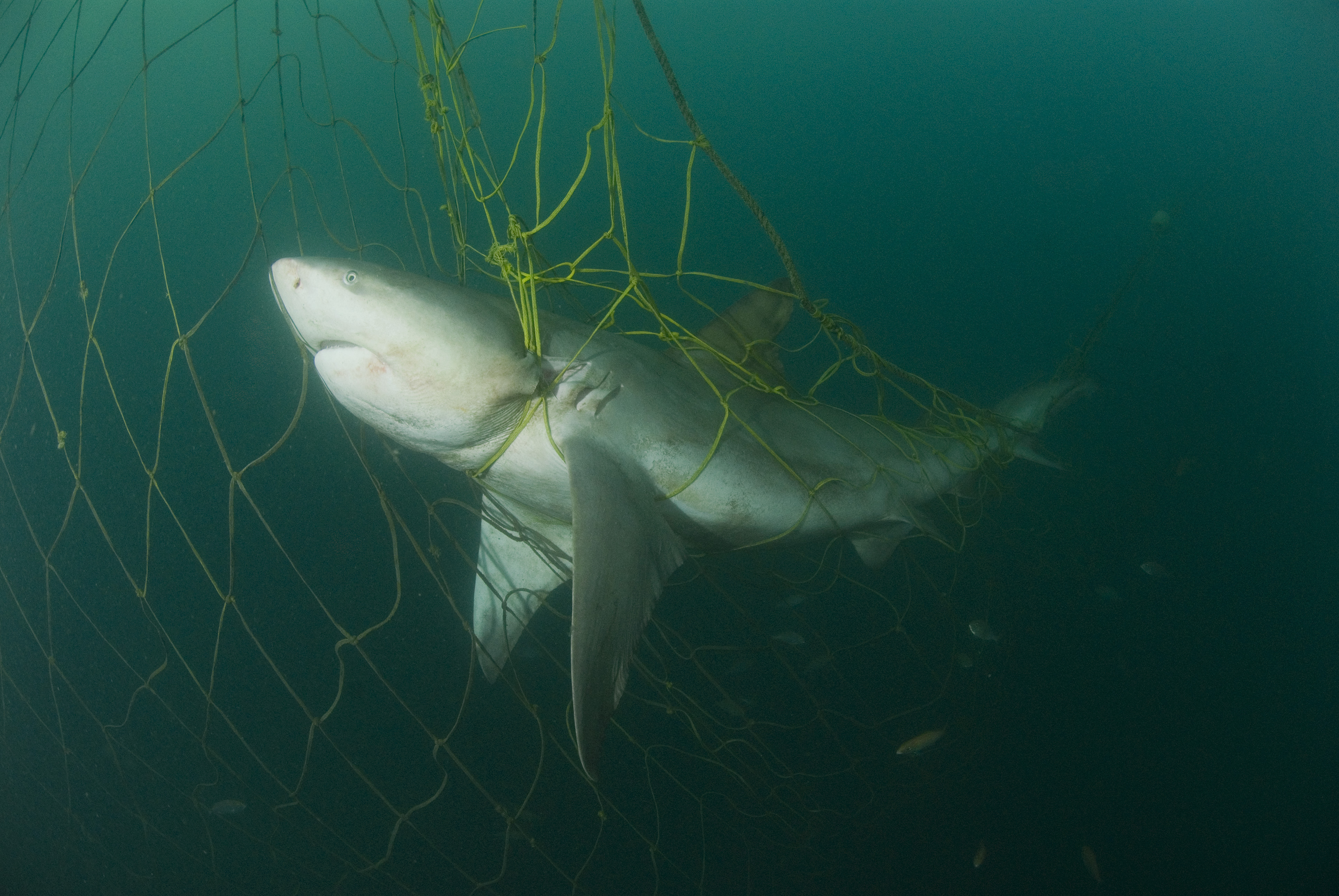
Shark populations around the world are crashing. Researchers have reported that many populations have decreased by 90% or more since the 1970’s. The leading causes for these precipitous declines are bycatch, which kills tens of millions of sharks each year, and the shark fin fishery, which kills as many as 73 million sharks each year. In this edition of State of the Field, I will explain what different countries are doing about this problem.
In many parts of the world, it is still legal to cut the fins off of a still-living shark and dump the rest of the animal overboard where it will bleed to death or drown. Other nations have a variety of management policies.
Read More “State of the Field: Shark Conservation Policies” »
 The Nicholas School of the Environment is seeking scholarly editorial contributions to Environmental Leadership, a 2-volume, 100-chapter reference handbook that is part of the new SAGE Reference Series on Leadership. Chapters are anticipated to be 7000 words. This is a unique opportunity to help define environmental leadership. Academic and public libraries will be able to purchase the handbook as both a printed and a digital product.
Read More “Call for chapters – Environmental Leadership: A Reference Handbook” »
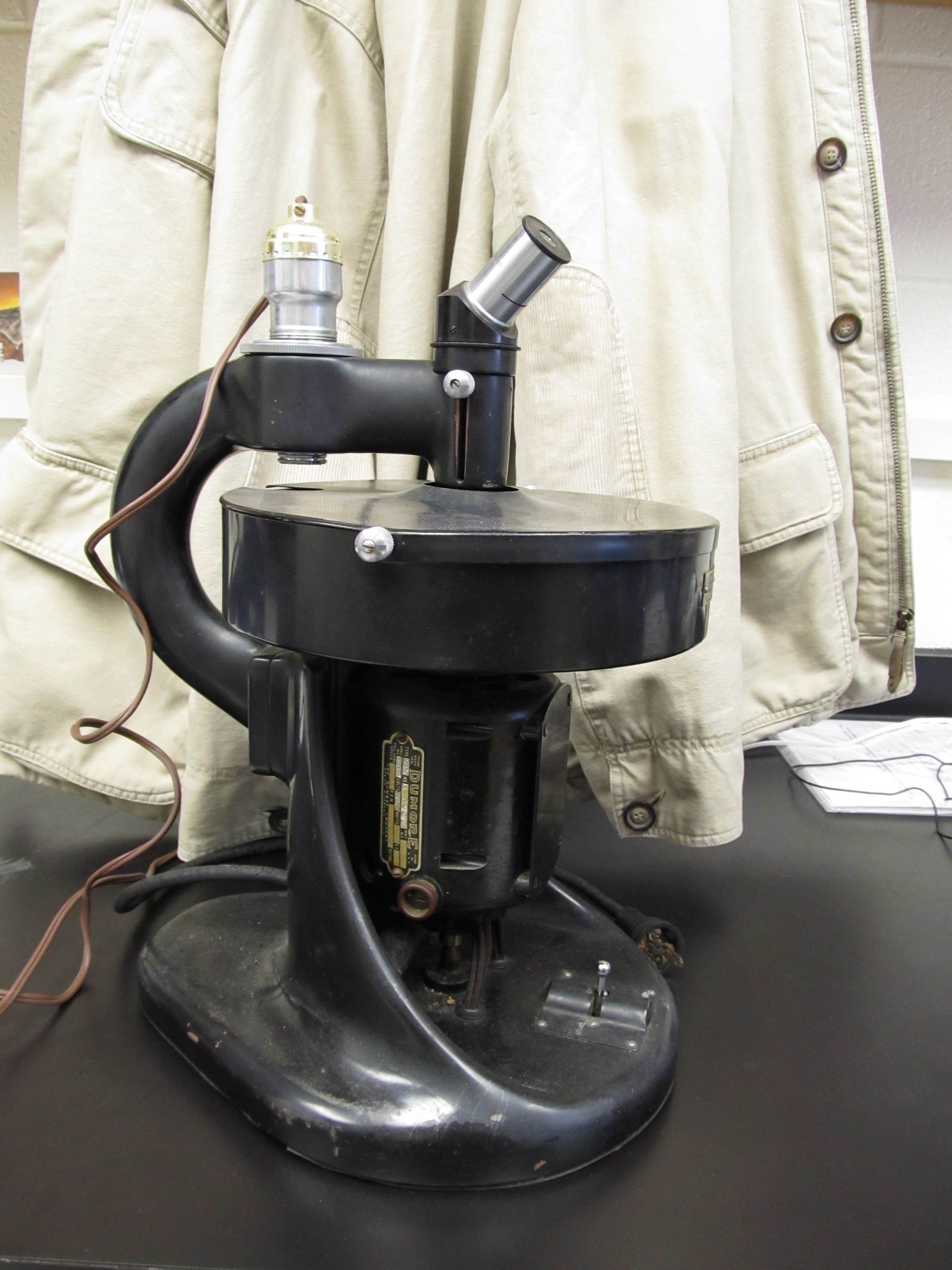
While cleaning out our lab the other day, we discovered this mysterious piece of equipment buried deep within a cabinet. After querying several dozen scientists of different eras, we have determined only that it was manufactured in the early 20th century and no one has any idea what it is. The optics were made by Bausch and Lomb, the motor was made by Dunmore. We have a few guesses about its intended purpose.
This machine is massive, it weighs about 50 pounds and is forged from Bakelite and steel. The drum is clearly some kind of centrifuge and the optics point into the center of the spinning drum. No one has yet been willing to plug it in and turn it on. There are two patent numbers listed on the plate – patent # 1,648,369 and patent # 1,907,803.
Read More “Help identify this mystery machine from the darkest recesses of our lab” »
 Political ecology within the First World came from a gradual realization that the definition of the field did not only apply to exotic cultures abroad, but had resonance domestically. As first defined by Blaikie and Brookfield (1987), political ecology combines “the concerns of ecology and a broadly defined political economy. Together this encompasses the constantly shifting dialectic between society and land-based resources, and also within classes and groups within society itself” (17). Scholars returning from research in the Third World observed this shifting dialectic in their own countries, complete with struggles over power and access between sectors of society.
The first call to the political ecology community to consider applying their principles to the First World came from Louise Fortmann (1996) in her article “Bonanza! The unasked questions: Domestic land tenure through international lenses.” Although she admitted there are vast differences between home and abroad, she identifies six lessons from the international land tenure debate that could have traction in the United States: property as social process, customary tenures, common property and community management of resources, gender, the complexity of tenancy relationships, and land concentration.
Read More “Political Ecology at Home – Lessons from Abroad?” »
Kiribati is perhaps one of the most remote countries in the world. Despite its distance from the sources of environmental degradation, it will probably be the very first country to be destroyed by climate change. Most of the country, a collection of small islands spanning an area almost as large as the United States, lies … Read More “Weekly dose of TED – Greg Stone: Saving the ocean one island at a time” »
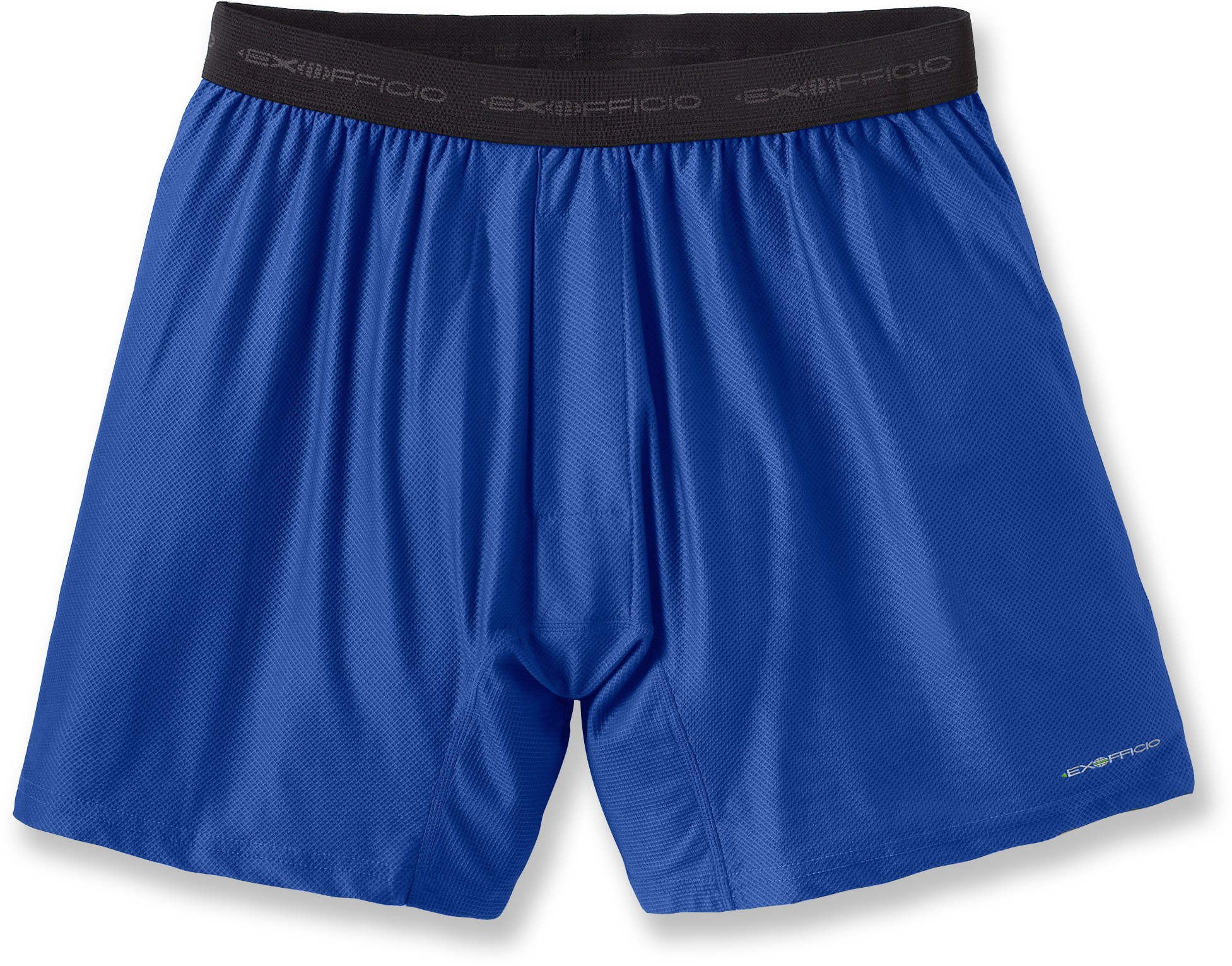 There’s a reason I wrote this free form poem, and that reason is Exoficio’s anti-bacterial boxer shorts. Yes, today we’re talking about underwear. Let’s face it, a bad pair of underpants can make a field season miserable, while a decent pair will make you, and everyone around you, much more comfortable. Life is messy, especially while doing field work.
Read More “SFS Gear Review: ExOfficio anti-microbial Underwear” »