Skip to content

Southern Fried Science

Over 15 years of ocean science and conservation online

  • Home
  • About SFS
  • Authors
  • Support SFS
Latest News
  • Norway and Cook Islands put their deep-sea mining plans on pause

Recent Posts

What we know we don’t know: impacts of deep-sea mining on whales, dolphins, sharks, turtles, and other migratory species.
November 20, 2025
Norway and Cook Islands put their deep-sea mining plans on pause.
December 3, 2025
Beyoncé is Right: History Can’t Be Erased
October 23, 2025
Teaching with D&D: My favorite source books for running a great Dungeons & Dragons campaign.
September 23, 2025
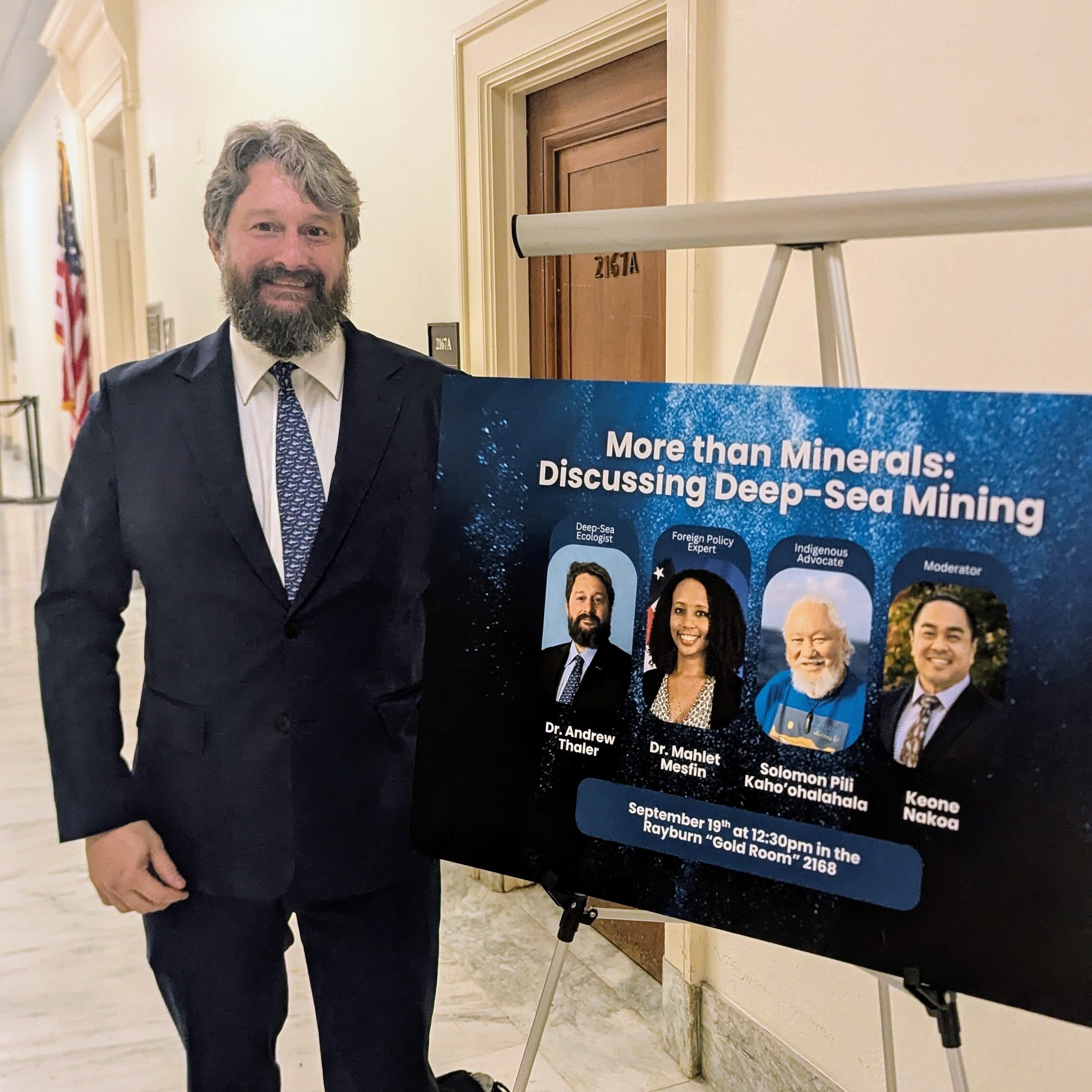
9 Quick Questions About Deep-Sea Mining from My Congressional Briefing
September 22, 2025
Help support a new shark science and conservation exhibit in Maryland!
September 15, 2025

I built the cheapest 3D printer available online so that you don’t have to: iNSTONE Desktop DIY (review)

Posted on March 14, 2019November 15, 2019 By Andrew Thaler
Reviews and Interviews

How cheap can a 3D printer be and still function? Although they seemed plucked out of science fiction, there’s not really that much to these machines. A few stepper motors, some switches, a control board, a heating element, and a nozzle are really all you need. It’s the software, and the expiration of a bunch of patents, that kicked the 3D printing revolution into high gear.

Is it possible to assemble the right collection of components to make a functional 3D printer for less than $100? iNSTONE thinks you can, and they are not wrong.

Behold, the iNSTONE Desktop DIY.

iNSTONE Desktop DIY. Photo by Author.

This is the best printer you could build for $99. It’s terrible. I love it. You absolutely should not buy it.

Read More “I built the cheapest 3D printer available online so that you don’t have to: iNSTONE Desktop DIY (review)” »

A literal foghorn foghorn, Apple’s recycling farce, art from the deep sea, and more! Monday Morning Salvage: March 11, 2019.

Posted on March 11, 2019March 11, 2019 By Andrew Thaler
Weekly Salvage

Foghorn (A Call to Action!)

  • A literal foghorn. Trump official who said air gun tests don’t hurt whales blasted with air horn.A

Flotsam (what we’re obsessed with right now)

  • This reports on the activities of the WWF is shocking and damning. WWF Funds Guards Who Have Tortured And Killed People.
  • I am always here for deep-sea art.

Read More “A literal foghorn foghorn, Apple’s recycling farce, art from the deep sea, and more! Monday Morning Salvage: March 11, 2019.” »

The ongoing search for an inexpensive, field-ready 3D printer: Monoprice Select Mini (review)

Posted on March 7, 2019November 15, 2019 By Andrew Thaler
Reviews and Interviews

Monoprice, the king of rebadged 3D printers, has two entries in the sub-$200 printer category. We already dug into the guts of the Mini Delta, a great little delta-style printer, and now it’s time for the Monoprice Select Mini! This is a pretty standard cantilever printer, with the x-axis tied to the print bed and an y-axis connected by a single support to a moving gantry. It’s basic, but solid, with a bare-bones set of features that gets the job done.

The Monoprice Select Mini is currently for sale on Amazon for $189. I got mine in white because every other printer manufacturer has decided that you can have whatever color you want as long at it’s matte black.

Monoprice Select Mini. Photo by author.

There is also a Select Mini Pro which, since this review series started, has been discounted to $199. It does look like it has some nice features that make it wort the extra $11, including an automatic bed leveler, magnetic build plate, and touch screen. The budget for this series is blown, but if Monoprice wants to send us one *hint hint* I’ll be happy to put it through the wringer.

Monoprice is a rebadger, as we explained in the Delta review, and this printer is identical to the Malyan M200, which itself seems to be an improvement on the Infitary R100.

This is the only printer in our series with steel construction, so I have high hopes that it will stand up to the abuse I’m about to heap upon it.

For an explanation of our testing protocols, please see: We’re gonna beat the heck out of these machines: The search for the best dirt-cheap 3D printer for fieldwork.

Read More “The ongoing search for an inexpensive, field-ready 3D printer: Monoprice Select Mini (review)” »

The fate of the deep sea is being decided behind closed doors, plastic in the deepest trench, memories of whales, and more! Monday Morning Salvage: March 4, 2019

Posted on March 4, 2019March 4, 2019 By Andrew Thaler
Weekly Salvage

Foghorn (A Call to Action!)

  • Last week was a huge week for deep-sea mining and there’s still more coming. Catch up on the latest!
    • Species threatened by deep-sea mining.
    • The future of deep seabed mining.
    • Deep seabed mining: key questions.

Flotsam (what we’re obsessed with right now)

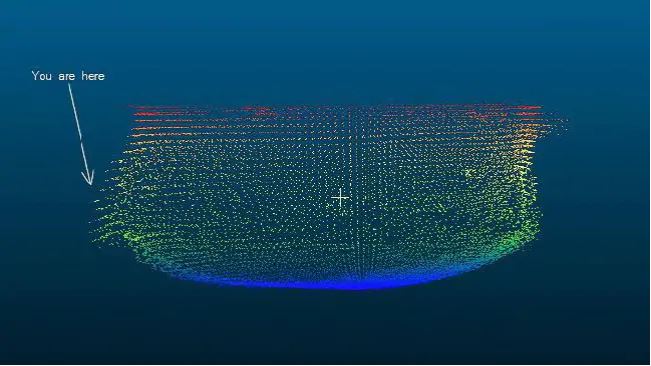
  • Legendary submarine pilot Erika Bergman, a couple dudes, and a group of scientists make exciting discovery inside Great Blue Hole and What Erika Bergman, Richard Branson, Fabien Cousteau, and Aquatica Submarines Found In Belize’s Great Blue Hole.
The voyage meant scientists could construct a 3D map of the hole. Picture: Thomas Bodhi Wade/Aquatica Submarines

Read More “The fate of the deep sea is being decided behind closed doors, plastic in the deepest trench, memories of whales, and more! Monday Morning Salvage: March 4, 2019” »

Decoding the Superpowers of the Great White Shark

Posted on February 25, 2019February 26, 2019 By Chuck Bangley
Uncategorized

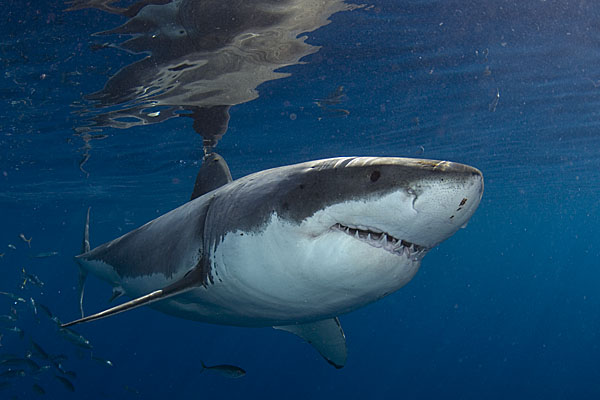
Sharks are often thought of in terms of superlatives, and perhaps no species has racked up as many “mosts” as the Great White Shark, Carcharodon carcharias. This is the star of “Jaws” after all, and probably the species most people who aren’t devoted to being familiar with fish visualize when they hear the word “shark.” Thanks to new research by Marra and friends (2019), we’re becoming familiar with the White Shark on the most basic level of all: the genetic level.

Not every species has had its entire genome decoded, and the White Shark is one of only a handful shark species to get this level of attention. The Whale Shark and the Elephant Shark (actually a species of chimera) have also had their genetic codes mapped, providing a couple of fairly closely-related species for comparison. By comparing the full genome of the White Shark with these other shark species and other vertebrates, the authors were able to identify specific mutations that have stood the tests of time and natural selection. Many of these genes are associated with the very traits that have made sharks such incredible survivors for going on 450 million years.

Wonder Shark, what is the secret of your powers? Image by Andy Murch.

Read More “Decoding the Superpowers of the Great White Shark” »

Live from the International Seabed Authority, sand strikers, strange typhoons, and more! Monday Morning Salvage: February 25, 2019.

Posted on February 25, 2019February 24, 2019 By Andrew Thaler 2 Comments on Live from the International Seabed Authority, sand strikers, strange typhoons, and more! Monday Morning Salvage: February 25, 2019.
Weekly Salvage

Foghorn (A Call to Action!)

  • We’re live from the 25th General Assembly of the International Seabed Authority. Watch here!
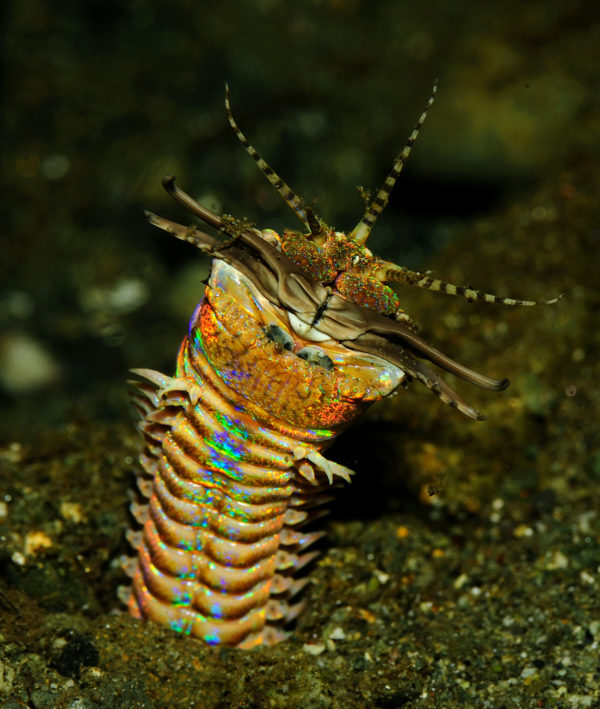
  • Update your indices. This marine worm is called the Sand Striker.
This is the Sand Striker
[source: https://www.flickr.com/photos/26598370@N00/5205585822]

Flotsam (what we’re obsessed with right now)

  • This is very much not normal. An Extremely Rare February Typhoon Is Approaching Guam.
  • US Coast Guard Officer Suspected Of Terror Plot Faces Charges.

Read More “Live from the International Seabed Authority, sand strikers, strange typhoons, and more! Monday Morning Salvage: February 25, 2019.” »

Nodules for sale: tracking the origin of polymetallic nodules from the CCZ on the open market. 

Posted on February 22, 2019February 22, 2019 By Andrew Thaler
Nodules for sale: tracking the origin of polymetallic nodules from the CCZ on the open market. 
Uncategorized

[This article originally appeared yesterday in the Deep-sea Mining Observer. ~Ed.]

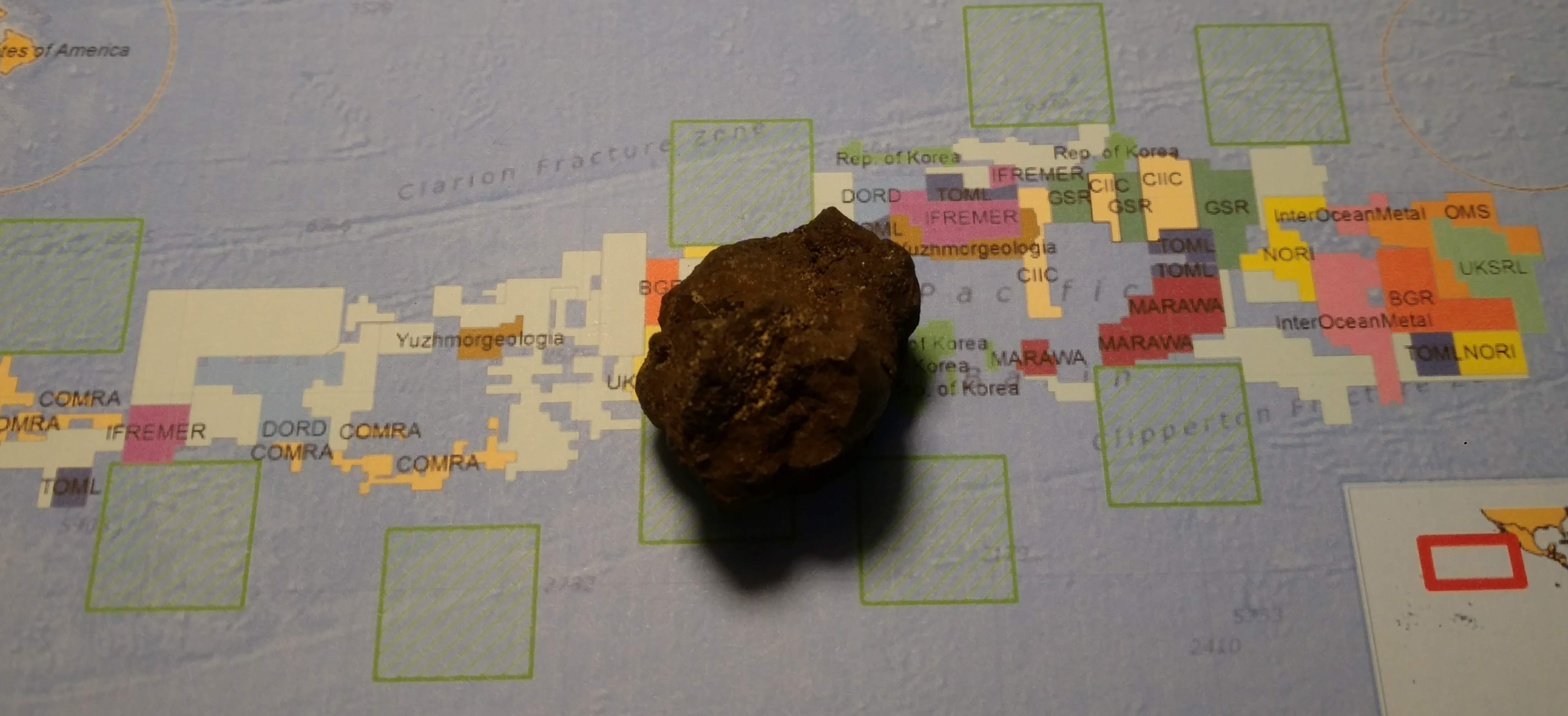
You can buy a 5-lb bag of polymetallic nodules from the Clarion-Clipperton Fracture Zone on Amazon, right now.

Depending on your vantage point and how long you’ve participated in the deep-sea mining community, this will either come as a huge surprise or be completely unexceptional. Prior to the formation of the International Seabed Authority, there were no international rules governing the extraction of seafloor resources from the high seas. Multiple nations as well as private companies were engaged in exploration to assess the economic viability of extracting polymetallic nodules and tons of material was recovery from the seafloor for research and analysis. Some of that material almost certainly passed into private hands.

Read More “Nodules for sale: tracking the origin of polymetallic nodules from the CCZ on the open market. “ »

The search for an inexpensive, field-ready 3D printer continues: Anet A6 (review)

Posted on February 21, 2019November 15, 2019 By Andrew Thaler
Reviews and Interviews

One of the reasons 3D printing exploded seemingly overnight a decade ago has a lot to do with the RepRap project, an initiative to build a fully open-source and largely 3D-printable 3D-printer. The idea of a machine that could replicate itself was pulled straight from the pages of science fiction, and yet, here were machines–janky, kludgey, barely functional, machines–assembled from parts clearly fabricated by those same machines. They were conceptually impressive, but not a particularly awe-inspiring sight to behold.

And then came Josef Průša and the Prusa Mendel.

Affectionately known as the Ford Model T of the 3D printing world, the Prusa Mendel was the first of the open-source 3D printers that was designed to be easily mass produced. It looked good and it ran great. Released under an open-source license, it was replicated and iterated on a massive scale. That didn’t prevent Průša from building a successful company. The current Prusa i3 MK2 is among the most successful desktop 3D printers in the world, and certainly one of the best.

There are a lot of Prusa i3 clones.

Clocking in at $197.69, the Anet A6 is the most expensive printer in this review series. It’s also the biggest, with a massive 220mm by 220mm by 250mm build area. It’s an upgraded version of the popular Anet A8, with a larger build volume and a better user interface, but not much else. From reviews, this printer seemed like a solid representation of what you can get at the top end of the menagerie of sub-$200 Prusa i3 clones. It (and its smaller A8 brother) certainly have the fan-base and hacking community to support its reputation.

Anet A6, working hard. Photo by author.

This acrylic-framed beast ships as a kit, so expect to spend half a day putting this printer together.

If you’re going off of dollar per cubic millimeter, this is the best bang for you buck by a wide margin. And that’s about the extent of the good things I have to say about this machine.

For an explanation of our testing protocols, please see: We’re gonna beat the heck out of these machines: The search for the best dirt-cheap 3D printer for fieldwork.

Read More “The search for an inexpensive, field-ready 3D printer continues: Anet A6 (review)” »

Deep-sea gator falls covered in isopods, more struggles for the Ocean Cleanup, a robot lost in the cold (but not the one you’re thinking of), and more! Monday Morning Salvage: February 18, 2019

Posted on February 18, 2019February 17, 2019 By Andrew Thaler
Weekly Salvage

Flotsam (what we’re obsessed with right now)

What do you do if you find yourself at the helm of a major Louisiana marine science institution? If you’re Dr. Craig McClain, you plant the first experimental Alligator falls in the deep Gulf of Mexico!

Photos courtesy Dr. Craig McClain via Deep Sea News.

On the other hand, if you find yourself at the helm of a US Navy destroyer, you might want to review this incredible and exhaustive accounting of the USS Fitzgerald disaster and how training deficits, exhaustion, and poor decision making compounded to create a deadly situation.

USS Fitzgerald. Public domain photo.

Read More “Deep-sea gator falls covered in isopods, more struggles for the Ocean Cleanup, a robot lost in the cold (but not the one you’re thinking of), and more! Monday Morning Salvage: February 18, 2019” »

The search for an inexpensive, field-ready 3D printer: Monoprice Mini Delta (review)

Posted on February 13, 2019November 15, 2019 By Andrew Thaler
Reviews and Interviews

[NOTE: Please see our update regarding this printer: Finding the best dirt-cheap, field-tough 3D printer for science and conservation work: six months later.]

Monoprice is an interesting organization. They’re a rebadging company that seeks out unbranded or off-brand products, makes a few tweaks, and then sells them to secondary markets under their own brand. They made their mark in the early 2000s selling good, cheap cables and have expanded from there. You can find headphones, cookware, cables, computer accessories, and, of course, 3D printers, under the Monoprice label. But that doesn’t mean their products are cheap knockoffs. Monoprice has a reputation for finding quality equipment.

The Monoprice Mini Delta is a rebadged Malyan M300. From the specs, it doesn’t look like Monoprice changed anything but the logo, and that’s a good thing. Malyan printers have a great reputation.

This is a delta printer, which means rather than having independent X, Y, and Z-axes, three identical stepper motor arrays work in tandem to control the position of the extruder while the bed itself remains stationary. It uses a Bowden-style extruder that keeps the weight on the printhead down. It has an aluminum frame with steel structural elements. The relatively small circular print area is 110 mm diameter by 120 mm height. Controls are integrated into the printer and it allegedly has WiFi capability through an app.
The Monoprice Mini Delta is available on Amazon for $159.99.

We’re going to make this little printer suffer.

For an explanation of our testing protocols, please see: We’re gonna beat the heck out of these machines: The search for the best dirt-cheap 3D printer for fieldwork.

Read More “The search for an inexpensive, field-ready 3D printer: Monoprice Mini Delta (review)” »

Posts pagination

Previous 1 … 31 32 33 … 269 Next

Popular Posts

Shark scientists want their research to help save threatened species, but don’t know how. Our new paper can help.Shark scientists want their research to help save threatened species, but don’t know how. Our new paper can help.December 1, 2025David Shiffman
Norway and Cook Islands put their deep-sea mining plans on pause.Norway and Cook Islands put their deep-sea mining plans on pause.December 3, 2025Andrew Thaler
What Ocean Ramsey does is not shark science or conservation: some brief thoughts on "the Shark Whisperer" documentaryWhat Ocean Ramsey does is not shark science or conservation: some brief thoughts on "the Shark Whisperer" documentaryJuly 2, 2025David Shiffman
What we know we don't know: impacts of deep-sea mining on whales, dolphins, sharks, turtles, and other migratory species.What we know we don't know: impacts of deep-sea mining on whales, dolphins, sharks, turtles, and other migratory species.November 20, 2025Andrew Thaler
What is a Sand Shark?What is a Sand Shark?November 12, 2017Chuck Bangley
10 fish weirder than the fish in the 10 weirdest fish in the world list10 fish weirder than the fish in the 10 weirdest fish in the world listDecember 18, 2013Guest Writer
2025: My year in writing, public speaking, and media interviews2025: My year in writing, public speaking, and media interviewsDecember 3, 2025David Shiffman
Urea and Shark OsmoregulationUrea and Shark OsmoregulationNovember 15, 2010David Shiffman
Mermaids: The New Evidence is a Fake DocumentaryMermaids: The New Evidence is a Fake DocumentaryMay 28, 2013Andrew Thaler
Alberta, Canada is the proud owner of the largest man-made pyramid on the planetAlberta, Canada is the proud owner of the largest man-made pyramid on the planetOctober 16, 2012Andrew Thaler

squishy

Subscribe to our RSS Feed for updates whenever new articles are published.

We recommend Feedly for RSS management. It's like Google Reader, except it still exists.

Southern Fried Science

  • Home
  • About SFS
  • Authors
  • Support SFS


If you enjoy Southern Fried Science, consider contributing to our Patreon campaign.

Copyright © 2025 Southern Fried Science.

Theme: Oceanly Premium by ScriptsTown