Skip to content

Southern Fried Science

Over 15 years of ocean science and conservation online

  • Home
  • About SFS
  • Authors
  • Support SFS

Tag: climate change

Red tide, whale poop, and vanishing puffins: Thursday Afternoon Dredging, August 30th, 2018

Posted on August 30, 2018 By David Shiffman
Uncategorized

Cuttings (short and sweet): Follow the official account of the US Sawfish Recovery Team on twitter! The harmful algal blooms in Florida, explained. From the Ocean Conservancy blog. This environmental news story has resulted in not only heartbreak, but confusion. This explainer post by Ocean Conservancy experts answers many of the questions that folks have … Read More “Red tide, whale poop, and vanishing puffins: Thursday Afternoon Dredging, August 30th, 2018” »

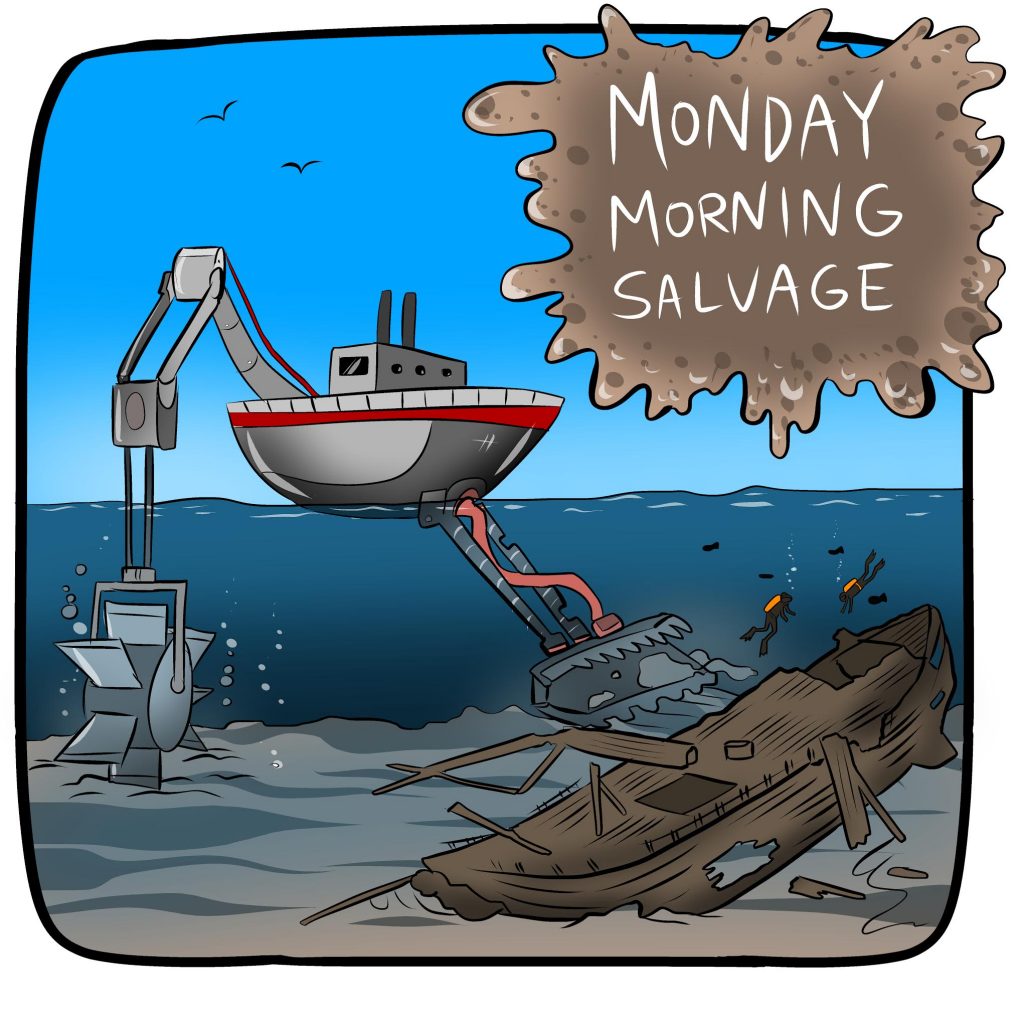
Lost shipwrecks, weaponized hagfish, plastivorous worms, deep-sea mining, and more! Monday Morning Salvage: August 20, 2018.

Posted on August 20, 2018 By Andrew Thaler
Weekly Salvage

Foghorn (A Call to Action!)

  • Did you know that oceanbites also published in Spanish? Go check it out!

Flotsam (what we’re obsessed with right now)

  • Marine Worms Are Eating Plastic Now. I’m sure this will be fine [Ed: I’m not sure. It won’t be fine.]
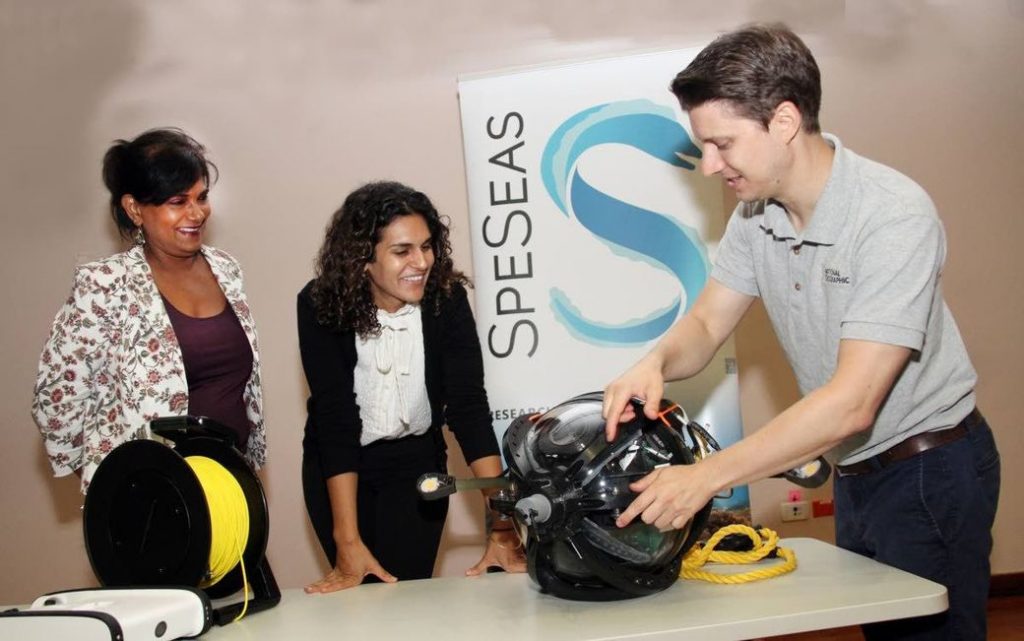
  • Are you following Diva Amon’s latest expedition: My Deep Sea, My Backyard in Trinidad and Tobago? Join the adventure!
Dr. Amon shows off a deep-sea dropcam. Courtesy OpenExplorer.
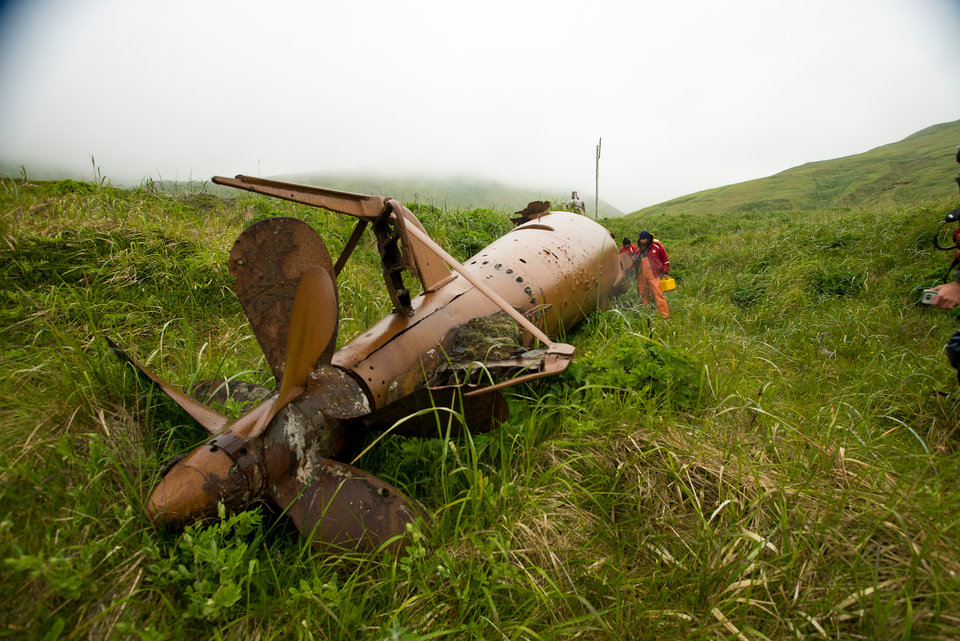
  • Researchers just found a WWII shipwreck that was lost for over 75 years off the coast of an Alaskan island.
Members of the expedition take time to examine a Japanese mini submarine that remains in the historic sub pens on Kiska Island. Image courtesy of Kiska: Alaska's Underwater Battlefield expedition.
Members of the expedition take time to examine a Japanese mini submarine that remains in the historic sub pens on Kiska Island. Image courtesy of Kiska: Alaska’s Underwater Battlefield expedition.

Read More “Lost shipwrecks, weaponized hagfish, plastivorous worms, deep-sea mining, and more! Monday Morning Salvage: August 20, 2018.” »

Eat hagfish, work at LUMCON, clone Vaquita, question floating trash collectors, and more! Monday Morning Mega-Salvage: August 13, 2018

Posted on August 13, 2018August 12, 2018 By Andrew Thaler
Weekly Salvage

Foghorn (A Call to Action!)

  • It’s time for Africosh! The annual Africa Open Science and Hardware Summit Heads is in Dar es Salaam, Tanzania this year!
  • LUMCON is hiring! They’re looking for two exceptional coastal and marine science faculty hires in any discipline. And they have the best “come work for us” video!

Flotsam (what we’re obsessed with right now)

  • Hakai Magazine is my jam this month.
    • How an Epidemic Exposed the Ecological Importance of Sea Stars: The near eradication of British Columbia’s sea stars demonstrated the dynamic role they play in regulating kelp forests.
    • How to Dismantle a Blue Whale: In Chile, a team of volunteers confronts stench and gore to ensure a new life for a dead whale. [Warning: Link contains graphic pictures of whale evisceration]
  • I’ve been following this project for almost 2 years. Awesome to see how far they’ve come. NinjaPCR is a WiFi enabled, Opensource DNA Amplifier and Thermocycler for Polymerase Chain Reaction developed by 2 hackers in Tokyo.
  • Plastic wrap made from shellfish and plants is completely compostable.

Hagfish (just Hagfish)

  • Yes, people do eat hagfish. Yum! Snake-like creature writhes, squirms on grill.
  • Hagfish are the emissaries of love, not war. Stop it. Synthetic ‘Slime’ To Help US Navy Trap Enemy Ships.

Read More “Eat hagfish, work at LUMCON, clone Vaquita, question floating trash collectors, and more! Monday Morning Mega-Salvage: August 13, 2018” »

Gently jelly-nabbing bots, deep-coral under threat, albino stingrays, #JacquesWeek, and more! Monday Morning Salvage: July 23, 2018

Posted on July 23, 2018July 22, 2018 By Andrew Thaler
Weekly Salvage

Foghorn (A Call to Action!)

  • All Hands on Deck! You’re got one week left to apply to join the MIT Media Lab and NOAA’s Office of Ocean Exploration and Research for this year’s National Ocean Exploration Forum as an Ocean Discovery Fellow!
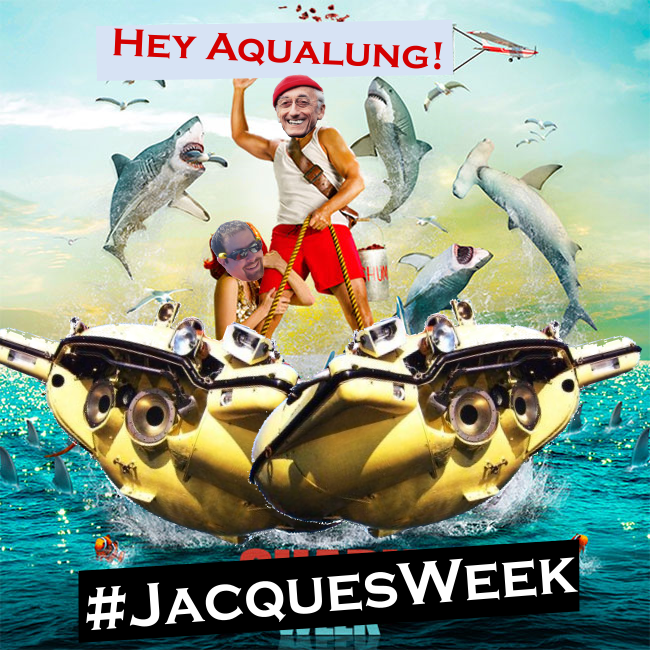
  • Jacques Week 2018 is here!

Flotsam (what we’re obsessed with right now)

  • What just happened? Everyone is going wild for the deep-sea fish attack video.
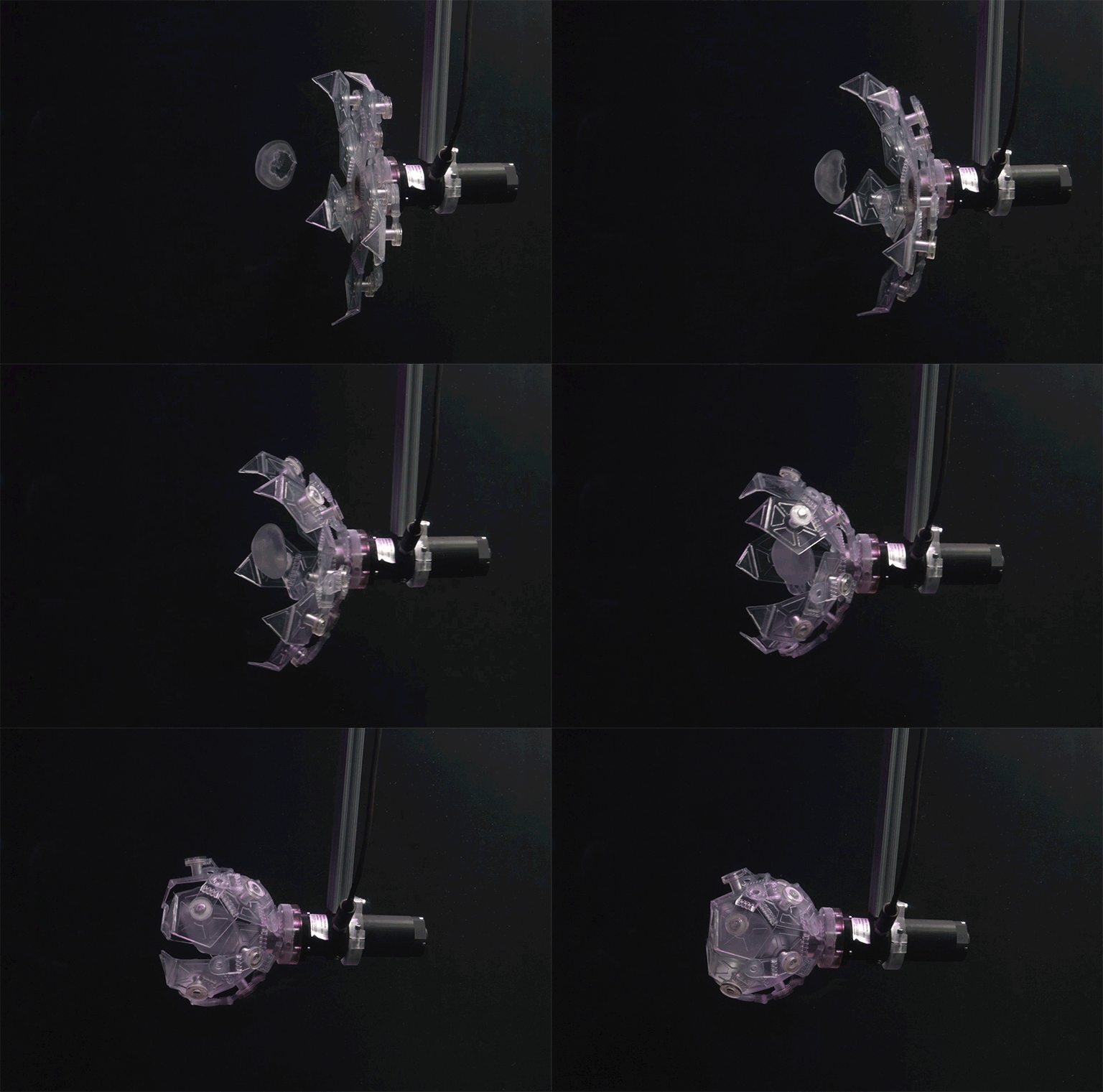
  • A gentle jellyfish-grabbing claw for collecting squishies without squishing them!

The Levee (A featured project that emerged from Oceandotcomm)

  • Stitching Hope for the Coast – communicating coastal optimism for Louisiana. Deadline for submissions has been extended to October!

Read More “Gently jelly-nabbing bots, deep-coral under threat, albino stingrays, #JacquesWeek, and more! Monday Morning Salvage: July 23, 2018” »

#JacquesWeek returns! Falling glaciers, fish that don’t eat plastic, sharks and the women who study them, and more! Monday Morning Salvage: July 16, 2018

Posted on July 16, 2018July 15, 2018 By Andrew Thaler
Weekly Salvage

Foghorn (A Call to Action!)

  • Jacques Week is coming! Have no fear. Our annual answer to Shark Week’s ocean madness will be back for a forth season!

Flotsam (what we’re obsessed with right now)

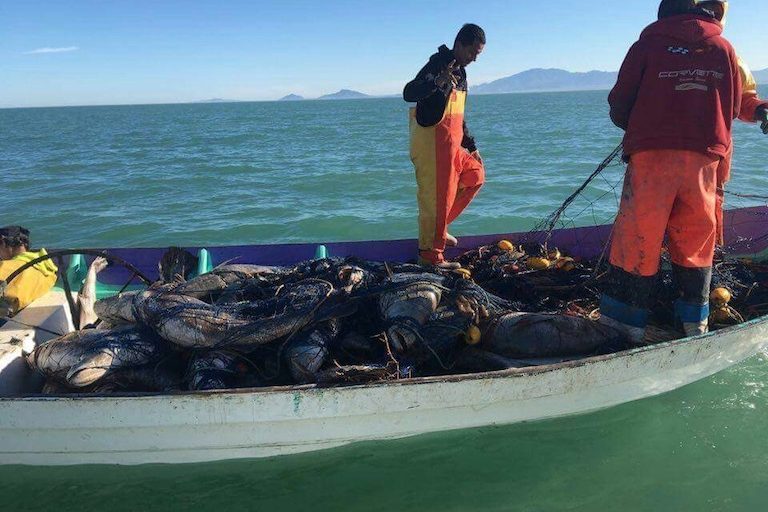
  • Saving the Vaquita was always about understanding human cultures and how social structures intersect with the ecosystem. Investigation reveals illegal trade cartels decimating vaquita porpoises.
Fishermen with an illegal haul of totoaba. Image courtesy of Elephant Action League.
  • Keep beating this drum until it sinks in: Plastic Straw Bans Leave Out People With Disabilities.
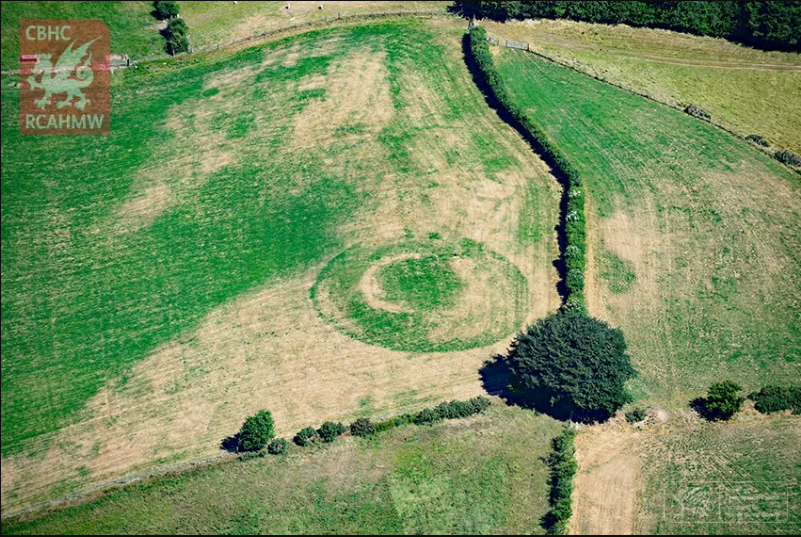
  • Climate change may be a boon for archaeology: Scorching Heat Wave Reveals Signs of Ancient Civilization in the UK.
Photo: Toby Driver (RCAHMW)

Read More “#JacquesWeek returns! Falling glaciers, fish that don’t eat plastic, sharks and the women who study them, and more! Monday Morning Salvage: July 16, 2018” »

Ice-free Arctic and salmon symphonies: Thursday Afternoon Dredging, July 12 2018

Posted on July 12, 2018 By David Shiffman
Uncategorized

Cuttings (short and sweet):  Follow environmental social scientist Angela Dean on twitter! Ice free passage for ships could cause problems for marine mammals. From MongaBay Bone scraps hint at whale harvest by ancient Romans. From Nature News. The Senate Committee on Commerce, Science, and and Transportation is holding a hearing entitled “SHARKS!”  “We don’t see many … Read More “Ice-free Arctic and salmon symphonies: Thursday Afternoon Dredging, July 12 2018” »

Obama’s ocean monuments, deep diving seals, and sustainable US fisheries: Thursday Afternoon Dredging, May 24th, 2018

Posted on May 24, 2018May 24, 2018 By David Shiffman
Uncategorized

Cuttings (short and sweet):  Follow Canadian ocean science communicator Kayla Glynn on twitter. NOAA’s status of stocks. By Steve Midway, for the Fisheries Blog. Antarctic seals recruited to measure the effects of climate change. By Alex Fox, for Nature News. 15,000 lionfish removed from Florida waters. By Ed Killer, for the Treasure Coast Palm. Plastic bag … Read More “Obama’s ocean monuments, deep diving seals, and sustainable US fisheries: Thursday Afternoon Dredging, May 24th, 2018” »

Bone-eating Jabba worms, the world’s deepest plastic bag, new shipwrecks, climate change art, and more! Monday Morning Salvage: May 14, 2018.

Posted on May 14, 2018 By Andrew Thaler
Weekly Salvage

Foghorn (A Call to Action!)

  • Yale study: Newspaper op-eds change minds and The Long-lasting Effects of Newspaper Op-Eds on Public Opinion. Scientists and conservationists, this May, make an effort to publish a Letter to the Editor or OpEd in your local paper. If you’ve done so, please leave a link to it in the comments.
  • How to save the high seas: As the United Nations prepares a historic treaty to protect the oceans, scientists highlight what’s needed for success.

Flotsam (what we’re obsessed with right now)

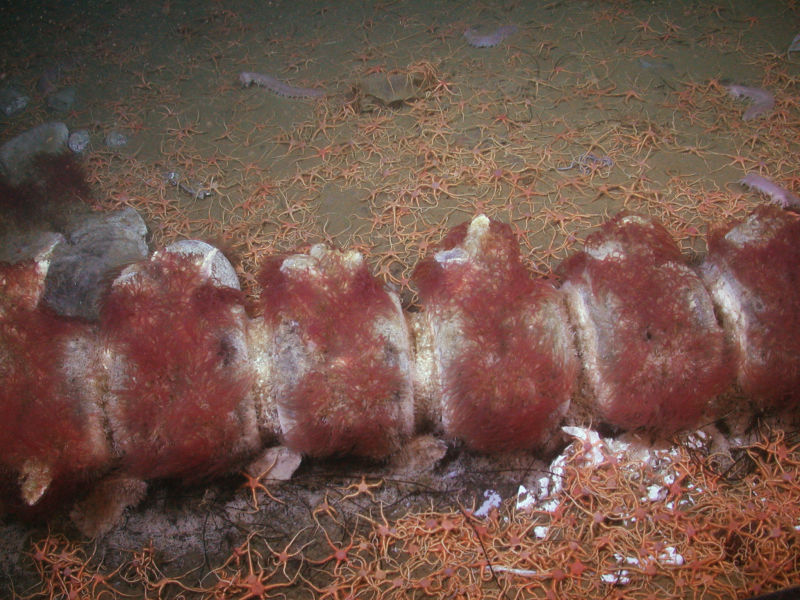
  • No commentary needed: Eyeless, Mouthless, Bone-Eating Worm Named After Jabba the Hutt.
Osedax worms growing on the vertebrae of a dead whale.
Photo: 2006 MBARI
  • Every ocean, every dive, every time, trash: Plastic Bag Found at the Bottom of World’s Deepest Ocean Trench.

Read More “Bone-eating Jabba worms, the world’s deepest plastic bag, new shipwrecks, climate change art, and more! Monday Morning Salvage: May 14, 2018.” »

Seven ways the heroes of the Marvel Cinematic Universe could stop runaway climate change.

Posted on April 9, 2018November 11, 2018 By Andrew Thaler
Popular Culture

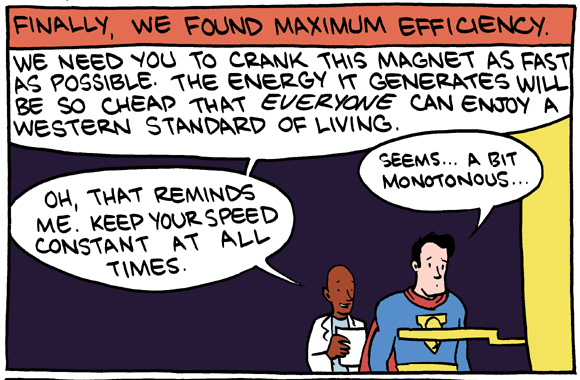
One of the big ironies of superhero comics and movies is that these beings of immense power, though committed to saving the world, do so by punching things pretty hard. Even when far more obvious solutions to world shaking challenges are presented, the question is not “what will do the most good for the most people” but “can I punch at it really, really hard?” Superman could have done far more for his adoptive home world if he used his limitless strength to turn a crank on an alternator.

Weinersmith knows what’s up.

Heroes in the Marvel Cinematic Universe don’t fair much better. While off avenging, sorcering, and civil warring, they’ve managed to overlook some fairly self-evident solutions to the most pressing global crisis of our time. So how could Earth’s Mightiest Heroes bring an end to runaway climate change?

1. Tony Stark creates unlimited free energy.

We can get the obvious one out of the way, first. Stark’s Arc Reactor is, for all intents and purposes, a free energy machine. Miniaturization means Arc Reactors could be used to power anything, from cars to aircraft carriers to entire cities. Switching the world’s power grid and transportation network to Arc tech would result in an immediate reduction in CO2 emissions and halt the accumulating damage of continuous energy growth as demand for technology increases around the world.

Ok, that’s the obvious one that has to be mentioned in order to avoid insufferable Twitter comments. Now on the the good stuff.

2. Use Pym Particles to sequester CO2 in the Quantum Realm. 

Pym Particles are particles that “shrink the spaces between atoms” allowing an object bombarded with these particles to shrink continuously while maintaining its mass, unless it’s a tank on a key-chain, for some reason. Comic books are ridiculous, ok?

Unfortunately, the shrinking power of Pym Particles is limitless, and once an object shrinks to the point where it’s smaller than an atom, somehow, it enters the Quantum Realm, where the laws of Newtonian physics no longer apply, time is meaningless, and you can never escape (except when you can). Shrink into the Quantum Realm and you shrink forever. That really seems like the ideal place to sequester CO2 , doesn’t it?

The big problem with carbon sequestration is that it’s not always a permanent solution. Sequestered CO2 in trees is only sequestered so long as no one cuts those trees down and burns them. The carbon is still out there in the world, waiting to be re-mobilized into the environment. But! If we could sequester carbon by bombarding it with Pym Particles and sending it to the Quantum Realm, it would shrink forever, permanently locked away in a world of very poorly interpreted quantum physics. That seems safe.

Read More “Seven ways the heroes of the Marvel Cinematic Universe could stop runaway climate change.” »

Invisible squid and fish with glowing eye spikes: Thursday Afternoon Dredging, April 5th, 2018

Posted on April 5, 2018April 2, 2018 By David Shiffman
Uncategorized

Cuttings (short and sweet):  Follow Louise Chavarie, an Arctic aquatic ecologist, on twitter! A squid-skin inspired invisibility cloak. From Nature News research updates. Underwater noise pollution disturbs fish, too. From CBC News. NOAA publishes list of global fisheries and their risks to marine mammals. By John Cannon, for MongaBay Antarctic ice melting faster than thought. By … Read More “Invisible squid and fish with glowing eye spikes: Thursday Afternoon Dredging, April 5th, 2018” »

Posts pagination

Previous 1 … 3 4 5 … 12 Next

Popular Posts

What Ocean Ramsey does is not shark science or conservation: some brief thoughts on "the Shark Whisperer" documentaryWhat Ocean Ramsey does is not shark science or conservation: some brief thoughts on "the Shark Whisperer" documentaryJuly 2, 2025David Shiffman
Here's how to join my IMCC8 symposium, "Ocean Science Communication: What's New and What's Next?"Here's how to join my IMCC8 symposium, "Ocean Science Communication: What's New and What's Next?"April 22, 2026David Shiffman
That's not a blobfish: Deep Sea Social Media is Flooded by AI SlopThat's not a blobfish: Deep Sea Social Media is Flooded by AI SlopDecember 19, 2025Andrew Thaler
What is a Sand Shark?What is a Sand Shark?November 12, 2017Chuck Bangley
Fun facts and FAQs about Megalodon, Maryland's new (and definitely extinct) official state sharkFun facts and FAQs about Megalodon, Maryland's new (and definitely extinct) official state sharkApril 15, 2026David Shiffman
Here are some ocean conservation technologies that I'm excited aboutHere are some ocean conservation technologies that I'm excited aboutFebruary 19, 2026David Shiffman
Reflections on science and my role in it, ten years since my Ph.D. defenseReflections on science and my role in it, ten years since my Ph.D. defenseApril 1, 2026David Shiffman
Join Me at Upwell: A Wave of Ocean Justice — Our Fourth Year!Join Me at Upwell: A Wave of Ocean Justice — Our Fourth Year!March 24, 2026Angelo Villagomez
Here's what I teach my students about finding jobs in marine biology and conservationHere's what I teach my students about finding jobs in marine biology and conservationApril 10, 2024David Shiffman
Urea and Shark OsmoregulationUrea and Shark OsmoregulationNovember 15, 2010David Shiffman
Subscribe to our RSS Feed for updates whenever new articles are published.

We recommend Feedly for RSS management. It's like Google Reader, except it still exists.

Southern Fried Science

  • Home
  • About SFS
  • Authors
  • Support SFS


If you enjoy Southern Fried Science, consider contributing to our Patreon campaign.

Copyright © 2026 Southern Fried Science.

Theme: Oceanly Premium by ScriptsTown