Skip to content

Southern Fried Science

Over 15 years of ocean science and conservation online

  • Home
  • About SFS
  • Authors
  • Support SFS

Tag: International Seabed Authority

Live from the International Seabed Authority, sand strikers, strange typhoons, and more! Monday Morning Salvage: February 25, 2019.

Posted on February 25, 2019February 24, 2019 By Andrew Thaler 2 Comments on Live from the International Seabed Authority, sand strikers, strange typhoons, and more! Monday Morning Salvage: February 25, 2019.
Weekly Salvage

Foghorn (A Call to Action!)

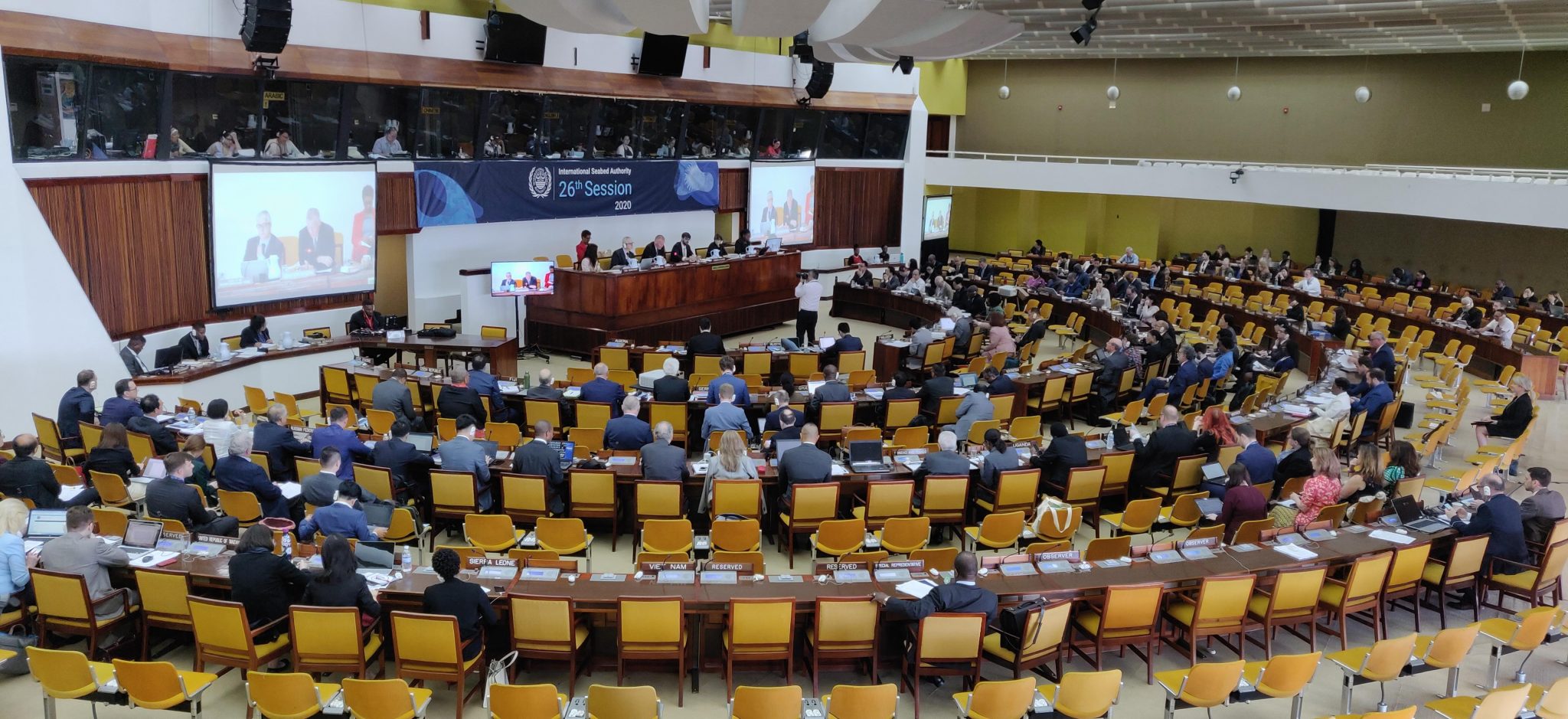
  • We’re live from the 25th General Assembly of the International Seabed Authority. Watch here!
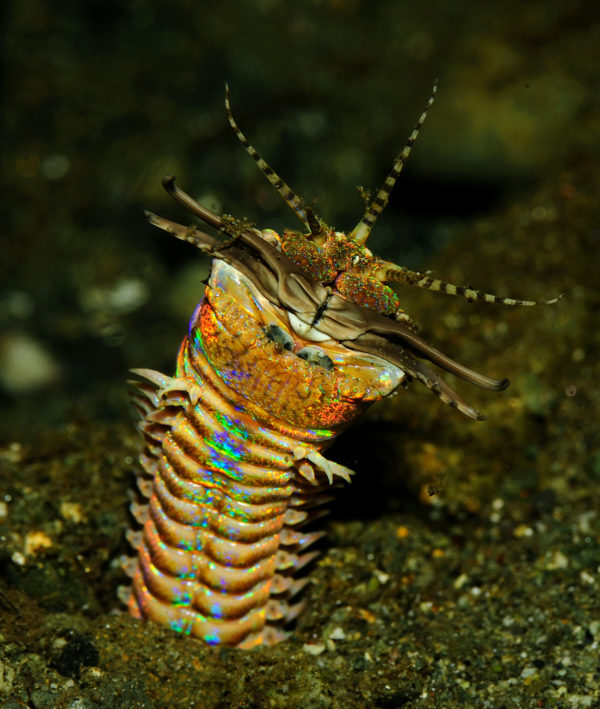
  • Update your indices. This marine worm is called the Sand Striker.
This is the Sand Striker
[source: https://www.flickr.com/photos/26598370@N00/5205585822]

Flotsam (what we’re obsessed with right now)

  • This is very much not normal. An Extremely Rare February Typhoon Is Approaching Guam.
  • US Coast Guard Officer Suspected Of Terror Plot Faces Charges.

Read More “Live from the International Seabed Authority, sand strikers, strange typhoons, and more! Monday Morning Salvage: February 25, 2019.” »

A lost continent, rich in cobalt crusts, could create a challenging precedent for mineral extraction in the high seas.

Posted on January 18, 2019January 18, 2019 By Andrew Thaler
A lost continent, rich in cobalt crusts, could create a challenging precedent for mineral extraction in the high seas.
Science

[This article originally appeared yesterday in the Deep-sea Mining Observer. ~Ed.]

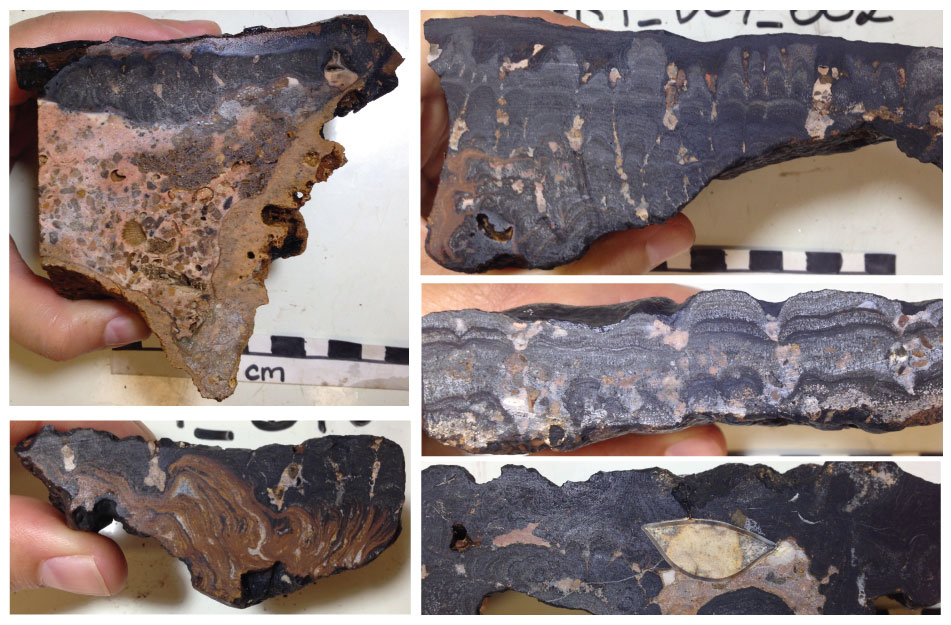
The Rio Grande Rise is an almost completely unstudied, geologically intriguing, ecologically mysterious, potential lost continent in the deep south Atlantic. And it also hosts dense cobalt-rich crusts.

The Rio Grande Rise is a region of deep-ocean seamounts roughly the area of Iceland in the southwestern Atlantic. It lies west of the Mid-Atlantic Ridge off the coast of South America and near Brazil’s island territories. As the largest oceanic feature on the South American plate, it straddles two microplates. And yet, like much of the southern Atlantic deep sea, it is relatively under sampled.

Almost nothing is known about the ecology or biodiversity of the Rio Grande Rise.

Read More “A lost continent, rich in cobalt crusts, could create a challenging precedent for mineral extraction in the high seas.” »

VentBase – securing the conservation of deep-sea hydrothermal vent ecosystems

Posted on April 16, 2012April 17, 2012 By Andrew Thaler 3 Comments on VentBase – securing the conservation of deep-sea hydrothermal vent ecosystems
Conservation, Science

As a marine biologists just beginning my deep-sea education, conservation as a priority was an alien concept. The deep sea was the last true wilderness, distant and alien, impossibly difficult to access. We knew that exploitation was coming, companies had been exploring the potential of deep-sea mining for decades, but they always seemed to be generation away. Conservation was a question for my scientific descendants. For my peers and me, we still had a few good decades left in the golden age of exploration that began in the 1970’s with the first discovery of deep-sea hydrothermal vents. That age is about to end.

The reality of deep-sea exploitation is imminent. The first hydrothermal vent mining lease has been issued in the territorial waters of Papua New Guinea. The International Seabed Authority, which regulates seafloor extraction in international waters, has approved the first two mining exploration permits for seafloor massive sulfides in international waters. Manganese nodule extraction, once quashed by a global decline in metal prices, has recently reappeared. Crustal metal deposits are fast becoming a viable resource. The isolation of rare earth elements from the seafloor, a newcomer in deep-sea exploitation, could open up new, massive deposit for critical electronic components. All of these are likely to occur within the next few decades.

Read More “VentBase – securing the conservation of deep-sea hydrothermal vent ecosystems” »

Posts pagination

Previous 1 2 3

Recent Popular Posts

What Ocean Ramsey does is not shark science or conservation: some brief thoughts on "the Shark Whisperer" documentaryWhat Ocean Ramsey does is not shark science or conservation: some brief thoughts on "the Shark Whisperer" documentaryJuly 2, 2025David Shiffman
Getting a sense of porpoiseJanuary 20, 2009Andrew Thaler
What can the funniest shark memes on the internetz teach us about ocean science and conservation?What can the funniest shark memes on the internetz teach us about ocean science and conservation?November 8, 2013David Shiffman
Shark of Darkness: Wrath of Submarine is a fake documentaryShark of Darkness: Wrath of Submarine is a fake documentaryAugust 10, 2014Michelle Jewell
Mermaids: The New Evidence is a Fake DocumentaryMermaids: The New Evidence is a Fake DocumentaryMay 28, 2013Andrew Thaler
Your car has just been crushed by hagfish: Frequently Asked QuestionsYour car has just been crushed by hagfish: Frequently Asked QuestionsFebruary 27, 2024Andrew Thaler
Oh Hell No: Ten Years of SharkNadoOh Hell No: Ten Years of SharkNadoAugust 16, 2023David Shiffman
What is a Sand Shark?What is a Sand Shark?November 12, 2017Chuck Bangley
Good intentions and negative transfer effects: The California swordfish fisheryGood intentions and negative transfer effects: The California swordfish fisheryMarch 13, 2012Guest Writer
A quick and dirty guide to making custom feeds on BlueskyA quick and dirty guide to making custom feeds on BlueskyFebruary 7, 2024Andrew Thaler
Subscribe to our RSS Feed for updates whenever new articles are published.

We recommend Feedly for RSS management. It's like Google Reader, except it still exists.

Southern Fried Science

  • Home
  • About SFS
  • Authors
  • Support SFS


If you enjoy Southern Fried Science, consider contributing to our Patreon campaign.

Copyright © 2025 Southern Fried Science.

Theme: Oceanly Premium by ScriptsTown