Skip to content

Southern Fried Science

Over 15 years of ocean science and conservation online

  • Home
  • About SFS
  • Authors
  • Support SFS

Tag: outreach

“Twitter sucks now and all the cool kids are moving to Bluesky:” Our new survey shows that scientists no longer find Twitter professionally useful or pleasant

Posted on August 19, 2025August 20, 2025 By David Shiffman 3 Comments on “Twitter sucks now and all the cool kids are moving to Bluesky:” Our new survey shows that scientists no longer find Twitter professionally useful or pleasant
“Twitter sucks now and all the cool kids are moving to Bluesky:” Our new survey shows that scientists no longer find Twitter professionally useful or pleasant
Blogging, Education, Featured, Science

My colleague Dr. Julia Wester and I have a new paper out in the journal Integrative and Comparative Biology reporting on the results of a survey distributed to over 800 scientists, science educators, and science communicators. I presented these results at the 2025 Joint Meeting of Ichthyologists and Herpetologists. Our study confirms a trend that’s … Read More ““Twitter sucks now and all the cool kids are moving to Bluesky:” Our new survey shows that scientists no longer find Twitter professionally useful or pleasant” »

Youth v Gov, thinking about oysters, how to talk climate change to radicalized conservatives, delightful dumbo octopuses, and more! Monday Morning Salvage: October 29, 2018.

Posted on October 29, 2018 By Andrew Thaler
Weekly Salvage

Foghorn (A Call to Action!)

  • The kids are alright. I’m suing the U.S. government for causing the climate change crisis #YouthVGov.
  • This fleet of underwater robots will help citizen scientists make the case for ocean conservation. Find out how you can get yours through the SEE Initiative!

Flotsam (what we’re obsessed with right now)
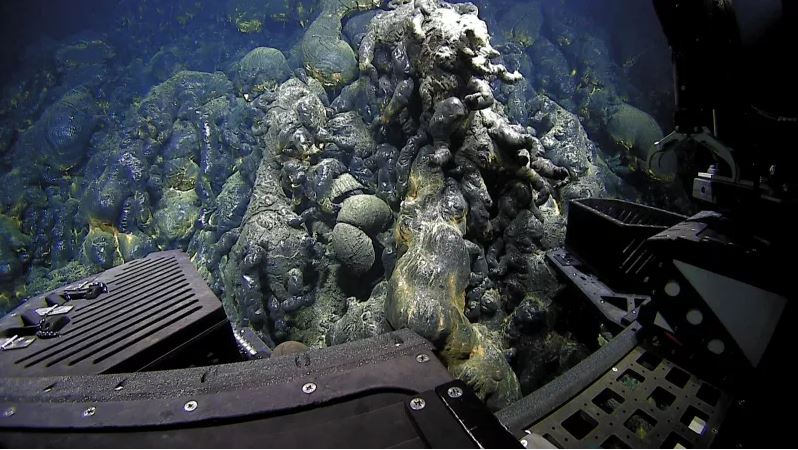
  • The Deepest Volcanic Eruption Ever Documented Left a Gnarly Sight on the Ocean Floor.
A lava flow detected in the Mariana back-arc that’s evidence for the deepest historic eruption ever detected. Photo: Courtesy Bill Chadwick
A lava flow detected in the Mariana back-arc that’s evidence for the deepest historic eruption ever detected. Photo: Courtesy Bill Chadwick.
  • This comic comes at you like a kick in the teeth. Can Climate Science Be Rendered Conservative-Friendly? How to pitch environmentalism to climate change deniers.


Read More “Youth v Gov, thinking about oysters, how to talk climate change to radicalized conservatives, delightful dumbo octopuses, and more! Monday Morning Salvage: October 29, 2018.” »

Defining Your Audience (Or How To Plan The Worst Birthday Ever)

Posted on May 23, 2018June 14, 2018 By Rachel Pendergrass
Uncategorized
Skeptical beardy stock-photo man at a lame party.
Credit: WAYHOME studio / Shutterstock

This is part of the new regular column on science communication. To suggest a topic, email blog@scienceartfusion.com. 

Imagine, for a moment, that you’re in middle school. The spring formal is approaching and if you don’t have a date, you will literally die ohmygod. Your goal is “find someone to go to the dance with me”. You can’t just walk into the cafeteria and scream “SOMEONE GO TO THE DANCE WITH ME”. (I mean, you can, but…) You need to be tactical. You need to have a specific audience in mind.

A poorly defined audience (or one that is overly broad) is the root cause of the vast majority of issues I run into when I’m working with someone on their science outreach. From “I don’t know where to start” to “I can’t get anyone to listen/subscribe/come to my talk/donate,” my first question is always going to be “who is your audience?”. My next question is going to be “okay, now can you narrow that down”?.

The temptation is always going to be to have the broadest audience possible. If you aren’t appealing to EVERYONE you might miss out on potential opportunities! You could turn away a potential audience! You could miss out on the chance to be the most beloved science communicator that ever communicated!

Read More “Defining Your Audience (Or How To Plan The Worst Birthday Ever)” »

What makes high school girls love sharks but avoid science

Posted on July 25, 2017 By Michelle Jewell
Education, Uncategorized

A shortened – and less ribald – version of this post was published 24-07-2017 in the International Business Times.

Ah, the transition from middle school to high school… the one part of adolescence no one reminisces about fondly.  It’s the time in our lives where mental and physical changes happen at pace without any apparent continuity, and we feel compelled to blend in.  This is the same time when most young girls’ interest in STEM stops, and in my educator/zoologist opinion, these events are related.

What does our culture gear teenage girls to prioritize?  Making varsity teams, growing boobs to the correct size and at the correct time, and completing enough social jostling to earn the superhuman prom date.  Most of the STEM-geared young girls I have worked with couldn’t care less about the above – but the attitude of their peers changes by the end of 8th grade.

https://www.tumblr.com/subtubitles/30828711121

Students of both sexes in 6th grade will happily discuss how rainbows are made and share their mutual wonder if the natural world, but those conversations quickly become “immature” when the puberty plague takes hold.  It’s also in 8th grade when boys enter a race to the bottom of inappropriate jokes fueled by mutual insecurities.  Suddenly, STEM-interested pupils find that their friends are segregating, fashion forward girls to one side and crude boys to the other, leaving a handful who want to discuss the space/time continuum floundering somewhere in the middle.

Then, regardless of where you sit on the social divide, hormones kick in.  This critical time is when young people figure out how to create partnerships, what constitutes a good or bad relationship, and the physics of copulation.  In addition to this, obtaining a socially higher-ranking partner becomes an unconscious priority.  Guess what most young men think is unattractive in women?  Intelligence (unless you’re beautiful enough to compensate).  YOU READ THAT CORRECTLY.

Read More “What makes high school girls love sharks but avoid science” »

Ocean Outreach in an Evolving Online Ecosystem: Transforming the Narrative

Posted on August 10, 2016August 11, 2016 By Andrew Thaler
Blogging, Conservation

This is the transcript of the keynote I delivered at the Fourth International Marine Conservation Congress in St. John’s, Newfoundland. It has been lightly modified for flow.

Read Act I: Science is Storytelling. 

Picture17

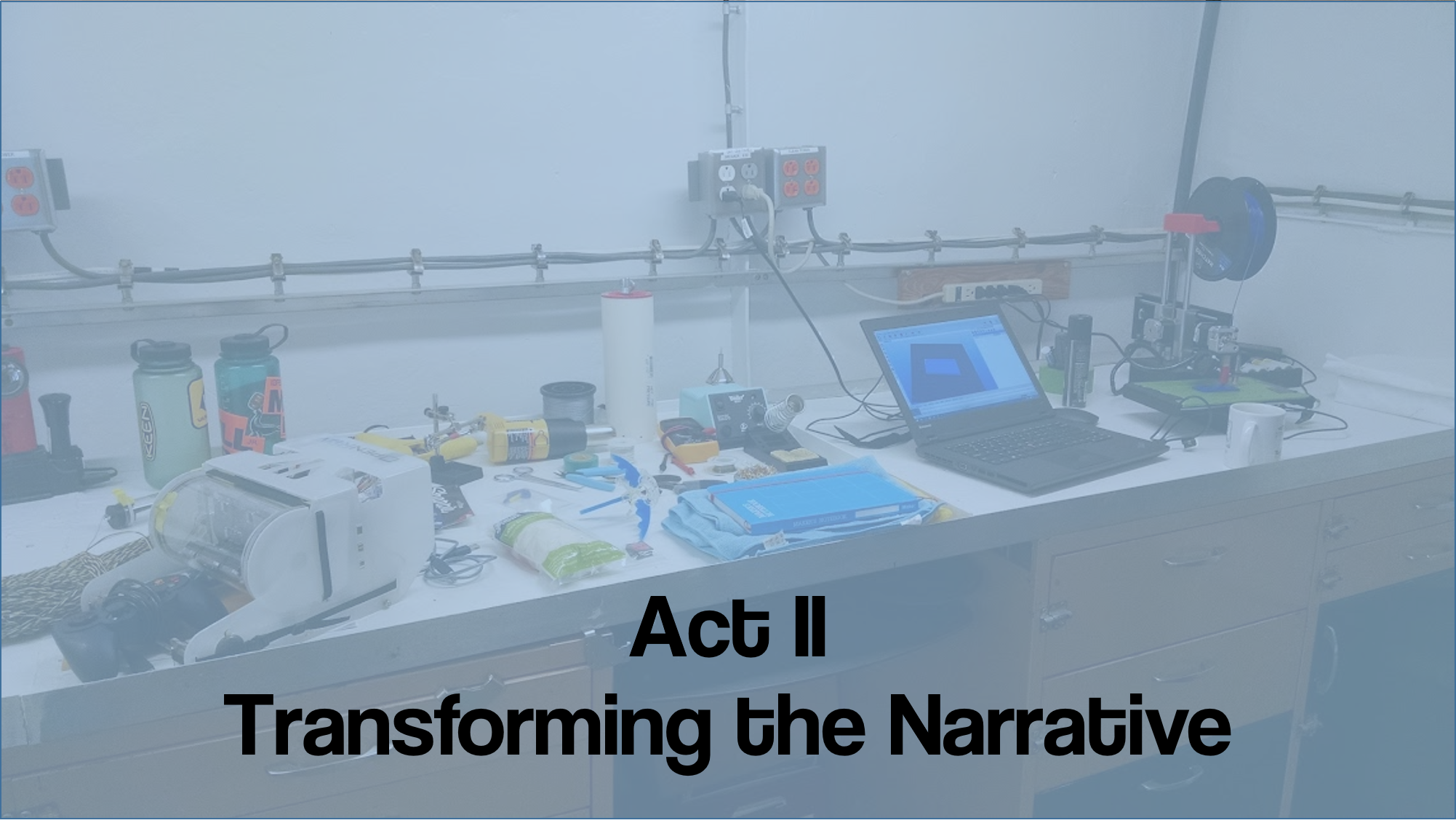
In Act I I discussed the underlying structure that frames narrative storytelling, but now I want to talk about how we can use the tools available to us on the internet to transform that narrative into something even more potent.

But before we can do that I have to tilt at some windmills.

Picture18

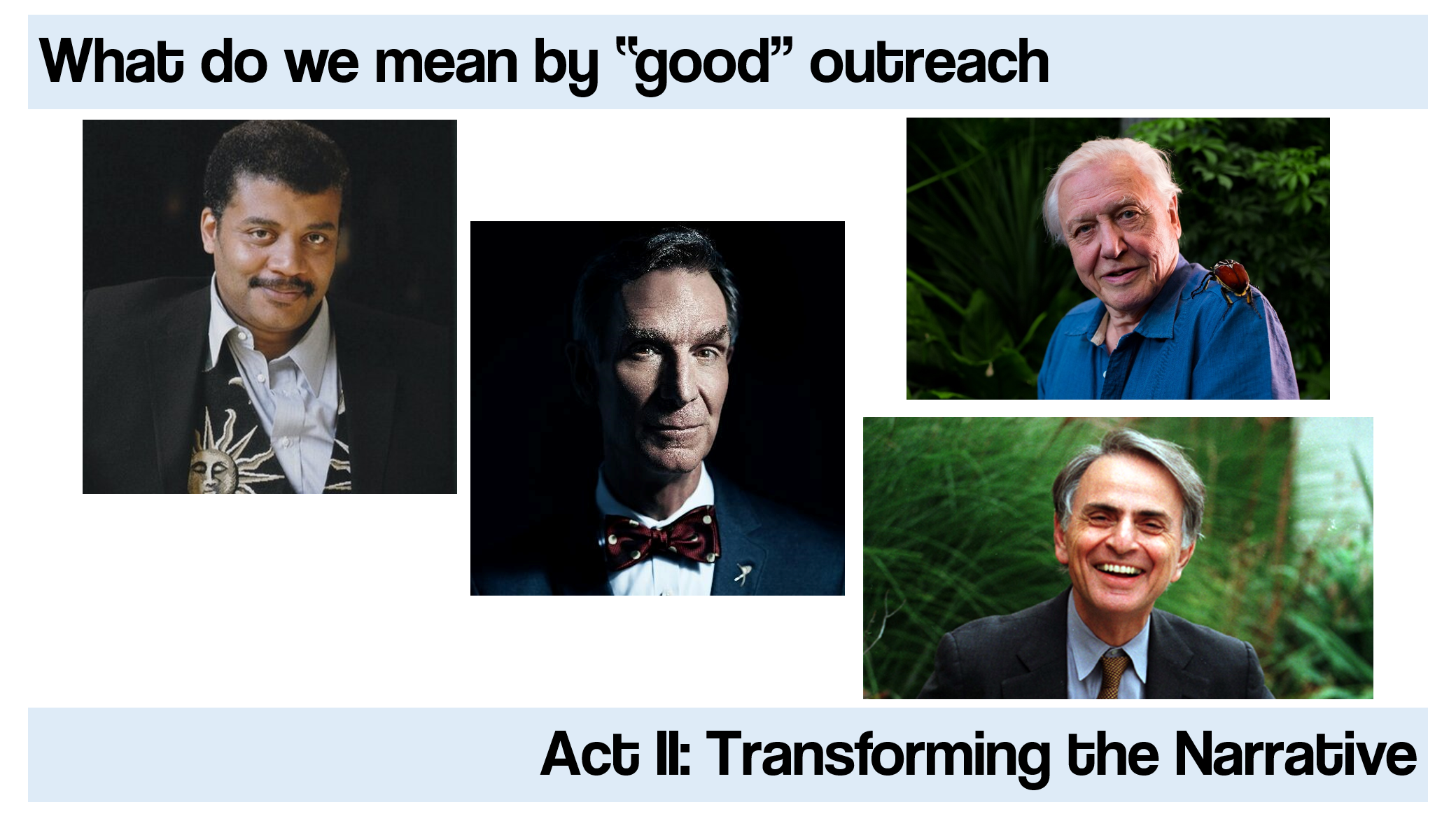
When we talk about good outreach, we often look to people like Neil deGrasse Tyson, like Bill Nye, like David Attenborough, and like Carl Sagan. These are the paragons of scientific outreach, the icons that we often hold up as examples for what constitutes good outreach. We talk about things like Cosmos, both Sagan’s and deGrasse Tyson’s, Bill Nye the Science Guy and his more recent work combating climate change, or David Attenborough and his astounding Nature Documentaries.

Read More “Ocean Outreach in an Evolving Online Ecosystem: Transforming the Narrative” »

Ocean Outreach in an Evolving Online Ecosystem: Science is Storytelling

Posted on August 9, 2016August 11, 2016 By Andrew Thaler 1 Comment on Ocean Outreach in an Evolving Online Ecosystem: Science is Storytelling
Blogging, Education

This is the transcript of the keynote I delivered at the Fourth International Marine Conservation Congress in St. John’s, Newfoundland. It has been lightly modified for flow. 

Picture2

Good morning and thank you all for coming, especially this early after a long week of conferencing. What I want to do today is talk a little bit about the history of online outreach, talk about how to build effective outreach campaigns, and look towards the future to think about how new technologies are shaping and reshaping the ways in which we think about public engagement with science and conservation.

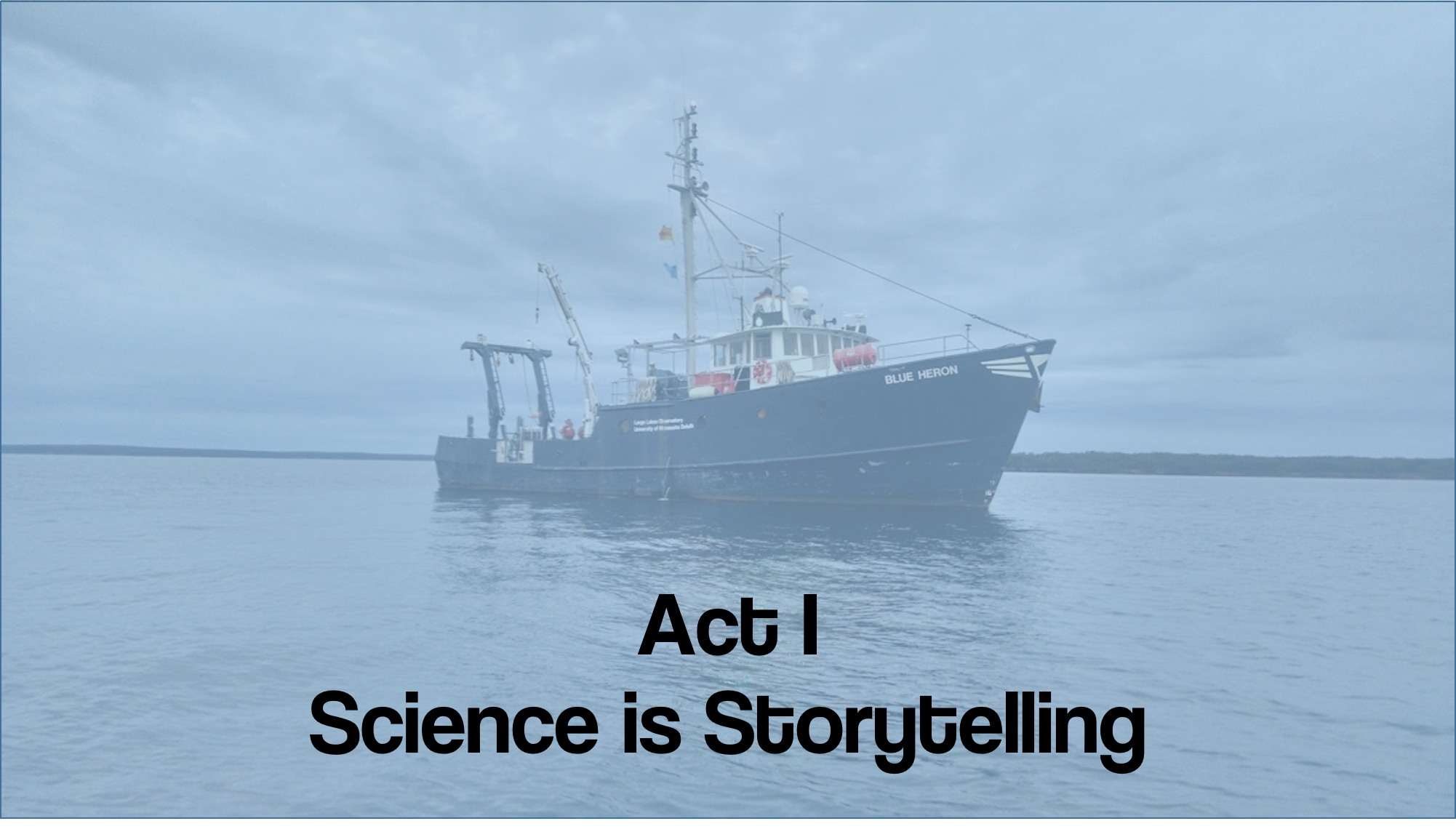
Picture3So science is storytelling. Sometimes that story an adventure. Sometimes it’s a mystery. Sometimes it’s the dense and weighty exposition of Ulysses and sometimes it’s the absurdity of Finnegan’s Wake, but it is always a story.
Read More “Ocean Outreach in an Evolving Online Ecosystem: Science is Storytelling” »

How to NOT get ahead in advertising – what many conservation NGOs are doing wrong

Posted on August 17, 2015August 17, 2015 By Chris Parsons
Conservation, Education

This year’s International Congress for Conservation Biology had a special double symposium on conservation marketing. What is conservation marketing I hear you ask? Well it’s using the tried and tested techniques from the advertising field, behind which there is a significant amount of research, to increase public awareness and especially change public behavior to aid conservation. Conservation marketing is already being used by several NGOs and initiatives – RARE for example. The Society for Conservation Biology has recently set up a working group for Conservation Marketing and Engagement* as it’s believed that this technique could help highlight many endangered species and highlight important conservation issues.

In this symposium myself and several colleagues had a presentation on why the advertising campaigns of conservation NGOs are doing things wrong – specifically these campaigns are often geared towards fundraising, telling members and especially donors what a great job they’re doing, launching surveys or petitions that do little to help conservation, oh and more fund- raising. The general public has a dire understanding of the need for biodiversity conservation or endangered species, and instead of increasing awareness and getting the public to change their behavior to act in a more pro-conservation manner, NGOs are instead concentrating on …hey did I mention fund-raising?!

As the result of many requests for copies of the presentation slides, I’ve decided to make them available for Southern Fried Science. Most of the slides are self explanatory. Feel free to copy and steal memes you like and count up the number of geeky references ….

Read More “How to NOT get ahead in advertising – what many conservation NGOs are doing wrong” »

How a 10 Million Year old fossil, a smart phone, and a 3D printer recharged my #OceanOptimism.

Posted on April 10, 2015 By Andrew Thaler
Popular Culture, Science

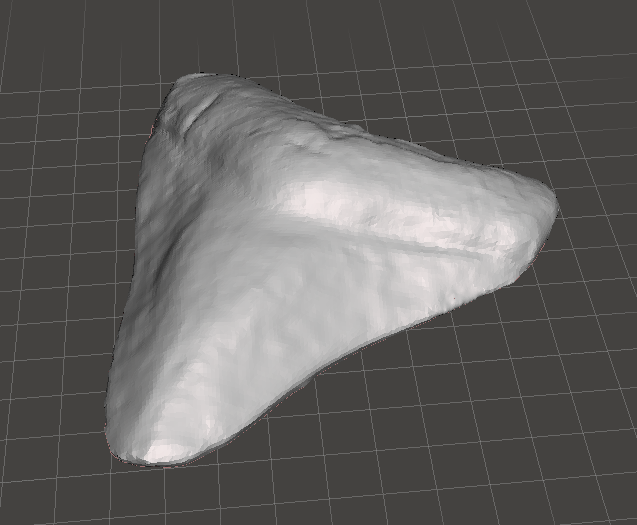
3dtootLast week, we launched a novel little experiment in crowdfunding marine science and conservation – Buy David Shiffman a Less Ugly Pair of Sunglasses – ostensibly about replacing David’s legendarily hideous sunglasses with something a bit more aesthetic. Of course, anyone digging into the stretch goals quickly realized that this was less about sunglasses and more about funding some cool research and outreach projects we’re currently working on; projects like a hammerhead conservation genetics analysis, building a marine ecology drone, and sending students from underserved schools of a shark tagging trip. This was made more explicit when we hit our first goal in the first 36 hours of funding.

With the first funding goal achieved, I decided we needed a cool perk, something not particularly expensive to produce but completely novel and cool enough to justify making a heftier donation. And, of course, it needed to be thematically related to the spirit of the project.

Enter the Megalodon.

Read More “How a 10 Million Year old fossil, a smart phone, and a 3D printer recharged my #OceanOptimism.” »

Sizing Sizing Ocean Giants: Patterns of #scicomm outreach in a marine megapaper

Posted on January 20, 2015February 9, 2021 By Andrew Thaler 2 Comments on Sizing Sizing Ocean Giants: Patterns of #scicomm outreach in a marine megapaper
Blogging, Conservation, Science

Last week, Craig McClain and many friends published Sizing Ocean Giants: patterns of intraspecific size variation in marine megafauna, a research paper that would better be described as a monograph. The response to the paper has been overwhelming.

Since it’s publication last Tuesday, Sizing Ocean Giants has been viewed almost 44,000 times by 38,000 people and downloaded 1200 times. If this seems like a lot for what is essentially a natural history monograph, you are correct. According to Altmetric, a service that measures the non-citation impact of scientific papers, Sizing Ocean Giants is the most discussed and shared article in the history of PeerJ. With a score of 546 (most papers average a score of 5, PeerJ papers average about 20), our paper has climbed into the 99th percentile of all articles ever tracked.

We’ve been covered in the Washington Post, Newsweek, National Geographic, and Scientific American, as well as numerous non-English media outlets from Mexico to Greece. Opa!  We’ve seen a small attention spike on twitter and tons of shares (almost 12,000) via Facebook.

So how do we account for the huge success of this massive paper?

Read More “Sizing Sizing Ocean Giants: Patterns of #scicomm outreach in a marine megapaper” »

Why exploding whale stories just won’t die and how we can use them to help save the ocean

Posted on July 15, 2014 By Andrew Thaler
Blogging

Exploding whales are an endless source of amusement, even when they don’t explode. When a cetacean detonation made a guest appearance on Saturday Night Live, it was clear that we had reached peak exploding whale saturation. Now that we’ve all had a few months to decompress, it’s time to take a step back and look at why these stories are important and how we can leverage them into effective ocean outreach.

Good, effective outreach has to have a reason to exist. Outreach without a clearly defined objective is flat and meaningless. Deep-sea fauna with googly eyes exists explicitly to remind people, through the proliferation of viral images, that there is life in the deep sea, an ecosystem few people think about on a day to day basis. The Fukushima Debunking Initiative was created to help halt the proliferation of bad science and pseudoscience that distracted from the real tragedy of the Fukushima-Daichi Nuclear Disaster and shifted attention away from real problems impacting the US West Coast. Hasthewhaleexplodedyet.com was designed to leverage the mass media attention focused on the exploding whale to accomplish one simple goal: to disseminate information about what to do when you encounter a stranded marine mammal.

Read More “Why exploding whale stories just won’t die and how we can use them to help save the ocean” »

Posts pagination

1 2 Next

Popular Posts

Shark scientists want their research to help save threatened species, but don’t know how. Our new paper can help.Shark scientists want their research to help save threatened species, but don’t know how. Our new paper can help.December 1, 2025David Shiffman
Norway and Cook Islands put their deep-sea mining plans on pause.Norway and Cook Islands put their deep-sea mining plans on pause.December 3, 2025Andrew Thaler
What Ocean Ramsey does is not shark science or conservation: some brief thoughts on "the Shark Whisperer" documentaryWhat Ocean Ramsey does is not shark science or conservation: some brief thoughts on "the Shark Whisperer" documentaryJuly 2, 2025David Shiffman
The Trouble with Teacup PigsThe Trouble with Teacup PigsOctober 14, 2012Andrew Thaler
What we know we don't know: impacts of deep-sea mining on whales, dolphins, sharks, turtles, and other migratory species.What we know we don't know: impacts of deep-sea mining on whales, dolphins, sharks, turtles, and other migratory species.November 20, 2025Andrew Thaler
2025: My year in writing, public speaking, and media interviews2025: My year in writing, public speaking, and media interviewsDecember 3, 2025David Shiffman
Urea and Shark OsmoregulationUrea and Shark OsmoregulationNovember 15, 2010David Shiffman
Shark of Darkness: Wrath of Submarine is a fake documentaryShark of Darkness: Wrath of Submarine is a fake documentaryAugust 10, 2014Michelle Jewell
How tiny satellites are tracking marine wildlifeDecember 1, 2025Andrew Thaler
Build a dirt cheap, tough-as-nails field computer in a Pelican caseBuild a dirt cheap, tough-as-nails field computer in a Pelican caseJuly 21, 2015Andrew Thaler
Subscribe to our RSS Feed for updates whenever new articles are published.

We recommend Feedly for RSS management. It's like Google Reader, except it still exists.

Southern Fried Science

  • Home
  • About SFS
  • Authors
  • Support SFS


If you enjoy Southern Fried Science, consider contributing to our Patreon campaign.

Copyright © 2025 Southern Fried Science.

Theme: Oceanly Premium by ScriptsTown