Skip to content

Southern Fried Science

Over 15 years of ocean science and conservation online

  • Home
  • About SFS
  • Authors
  • Support SFS

Tag: Papua New Guinea

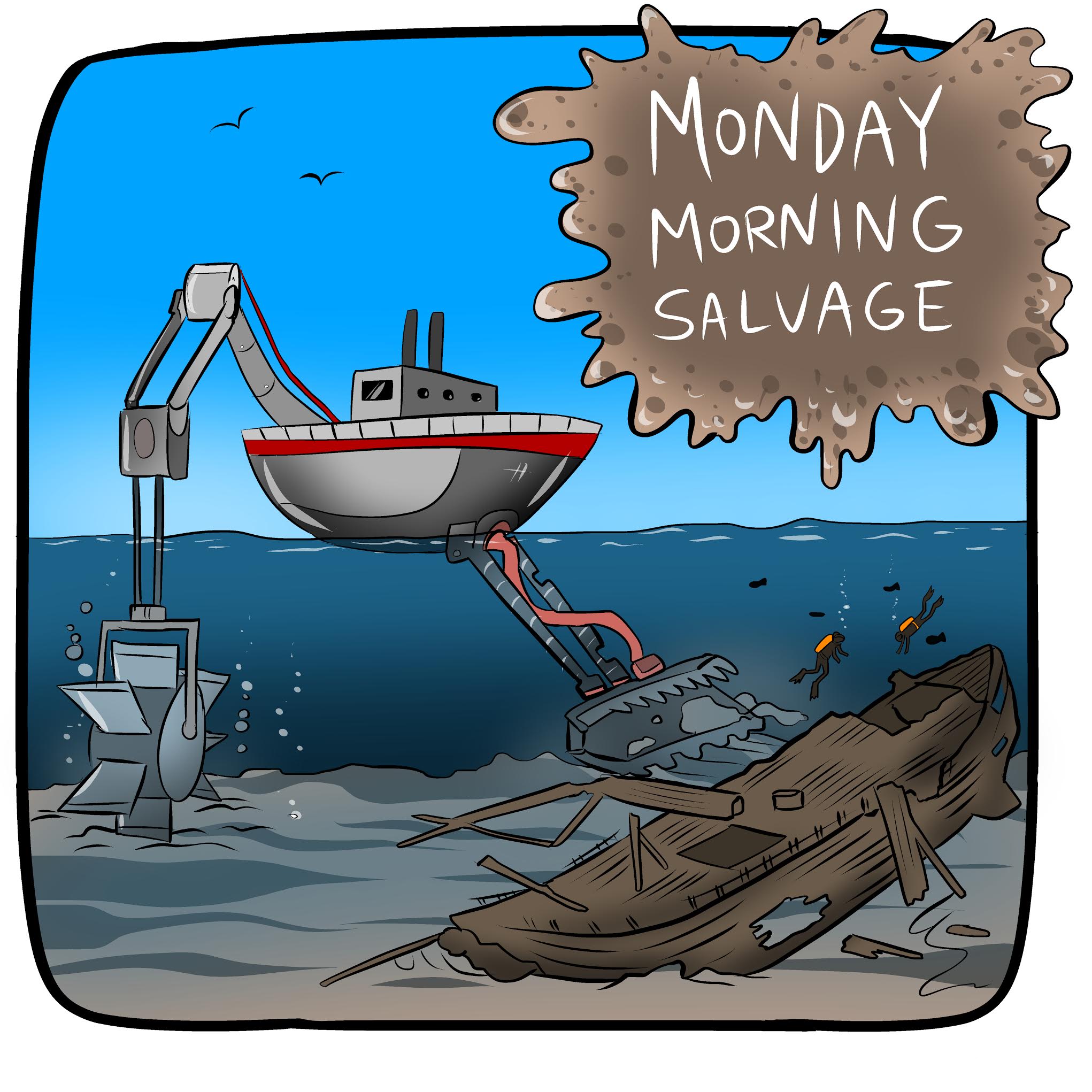
Beware the walrus, explosion detected near missing submarine, diamond mining, and more! Monday Morning Salvage: November 27, 2017

Posted on November 27, 2017 By Andrew Thaler
Weekly Salvage

Fog Horn (A Call to Action)

  • In Port Moresby this Wednesday? The University of Papua New Guinea is hosting a public lecture and panel on experimental seabed mining in the Bismark Sea.

Flotsam (what we’re obsessed with right now)

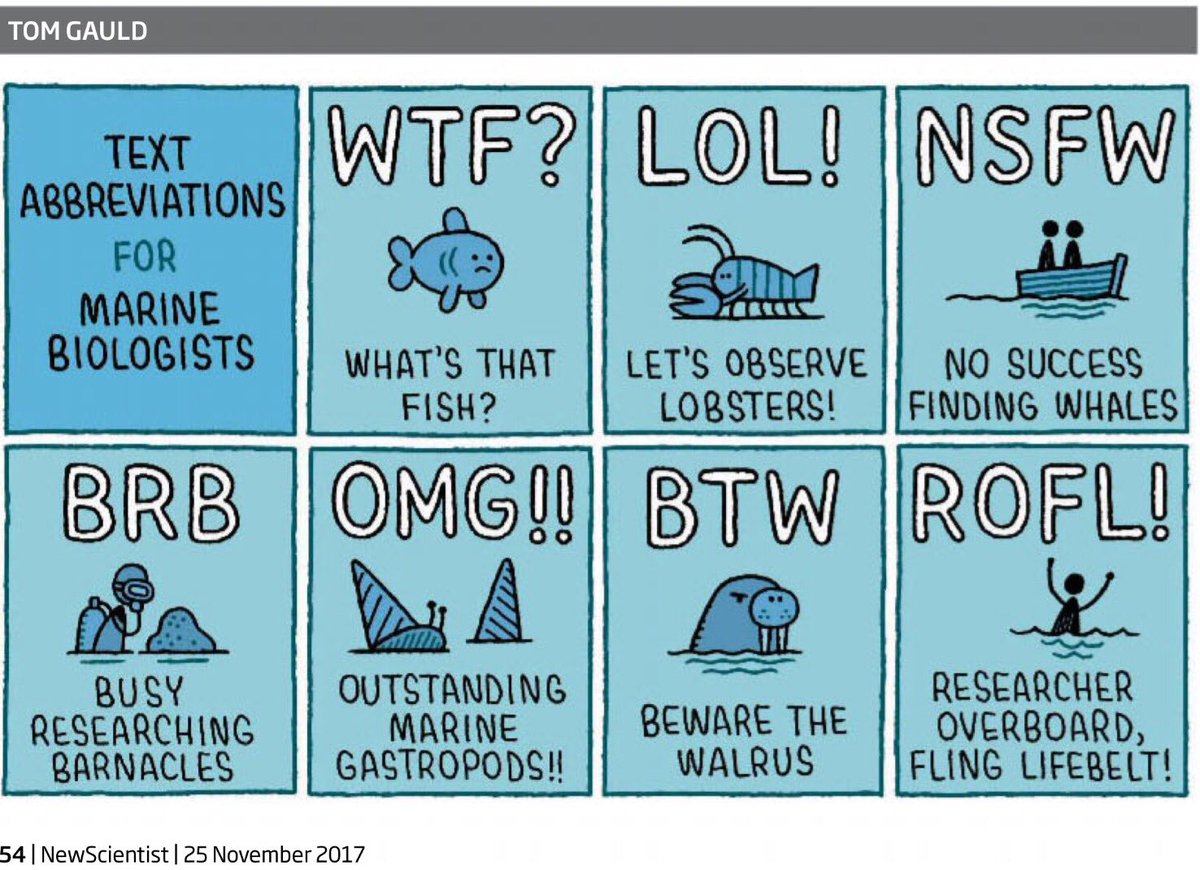
  • Text abbreviations for marine biologists. Courtesy of New Scientist. via Francis Villatoro.
Read More “Beware the walrus, explosion detected near missing submarine, diamond mining, and more! Monday Morning Salvage: November 27, 2017” »

A new Gulf oil spill, opposition to deep-sea mining, DIY drop cameras, and more! Massive Monday Morning Salvage: October 30, 2017

Posted on October 30, 2017October 29, 2017 By Andrew Thaler
Weekly Salvage

I’ve been away for 2 weeks, so it’s a super-massive edition of the Monday Morning Salvage!

Fog Horn (A Call to Action)

  • There’s still an unimaginable amount of work to do in Dominica and across the Caribbean. Support the Rebuild Dominica Hurricane Relief fund or any of the other funds from our list: How to help our island colleagues in the wake of total devastation.

Flotsam (what we’re obsessed with right now)

  • This is such a cool story: A Trail of Rocks Traces Historical Steamship Routes. We can track old steamship routes from rocks scraped out of the furnaces and tossed overboard.
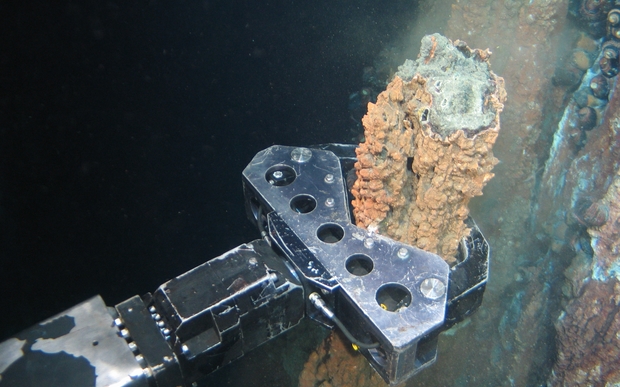
  • Former Papua New Guinea Attorney General attacks deep sea mining project. They always pick pictures for these articles that don’t show how much life is right around the vents.
Sampling SMS under the sea Photo: Nautilus Minerals
  • Whose ecological footprint is bigger: Medics, economists, or environmentalists? Spoilers: conservationists still have an impact, but they sure ain’t number 1.

Jetsam (what we’re enjoying from around the web)

  • There’s a fresh oil spill in the Gulf of Mexico, and it’s pretty darn huge:
    • Coast Guard Responding to 300,000 Gallon Crude Oil Spill in Gulf of Mexico.
    • Gulf of Mexico Oil Spill May Be Biggest Since 2010.
    • New Estimate Doubles the Size of Last Week’s Oil Spill in the Gulf of Mexico.
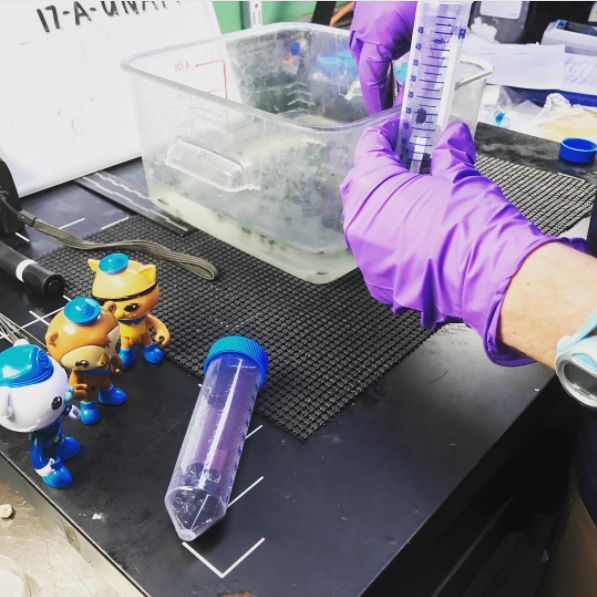
  • Some fun from Deep Sea News: When real-life marine biologist and mom goes to sea, she takes the octonauts with her.

  • This is fine: Report on U.S. Marine Sanctuary Oil Drilling Sent to White House, Not Released to Public. This is totally fine: Trump Administration Proposes Largest Oil and Gas Lease Sale in U.S. History.
  • Alaska’s Oyster Farmers Are Filling an Acidification-Driven Void. The state’s oyster farming industry is gaining ground as growers elsewhere struggle. From Hakai Magazine, which is great.
  • Nature is one of the most under-appreciated tools for reigning in carbon. From Anthropocene, which is fast becoming my favorite environmental print magazine. Sorry, Orion.
  • Thousands of penguin chicks starve in Antarctica.

Hey, Andrew, how about you give us at least *some* good news today? Ok, fine.

Read More “A new Gulf oil spill, opposition to deep-sea mining, DIY drop cameras, and more! Massive Monday Morning Salvage: October 30, 2017” »

Reducing seabird bycatch, rescuing vaquita, and cod comebacks: Thursday Afternoon Dredging: October 26, 2017

Posted on October 26, 2017 By David Shiffman
Uncategorized

Cuttings (short and sweet): 

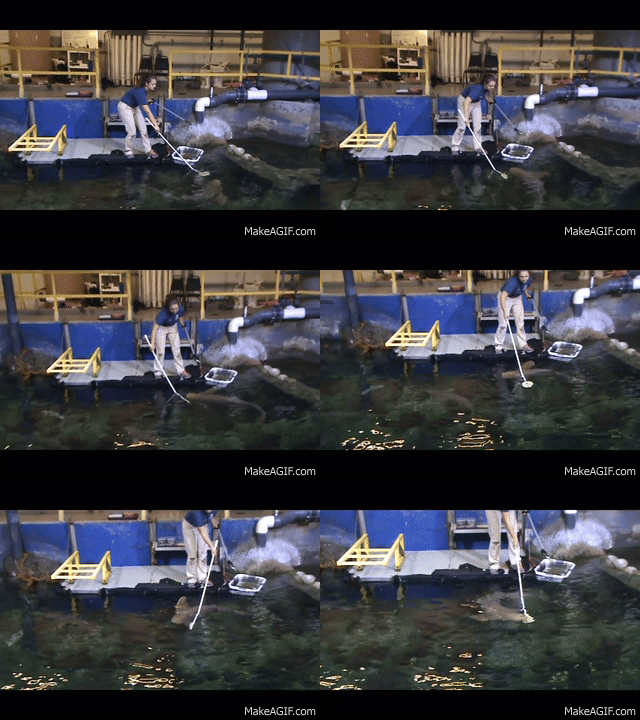
  • Watch aquarists at the PPG Aquarium at the Pittsburgh zoo target train a zebra shark so it comes when it’s called

    Video by PennLive.com
  • Follow PNG Sharks and Rays, a twitter account associated with a project studying “one of the last frontiers of marine biodiversity research,” on twitter.
  • 5 things you should know about the Marine Mammal Protection Act. By Katie Hogge, for the Ocean Conservancy blog.
  • First vaquita “rescued” in effort to save the species. By John Cannon, for MongaBay.

Read More “Reducing seabird bycatch, rescuing vaquita, and cod comebacks: Thursday Afternoon Dredging: October 26, 2017” »

Save our Marine Monuments, replace confederates with ocean animals, worlds of plastic, and more! Monday Morning Salvage: July 31, 2017

Posted on July 31, 2017July 30, 2017 By Andrew Thaler
Weekly Salvage

Fog Horn (A Call to Action)

  • The deadline for comments on Marine National Monuments and National Marine Sanctuaries has been extended due to overwhelming responses. You now have until August 14, 2017 to leave a comment.
  • Scientists, researchers, explorers, and conservationists with particular ties to the Mariana Trench Marine National Monument can sign on the this letter co-authored by me, James Cameron, and numerous researchers who’s worked has benefited from the Mariana Trench.

Flotsam (what we’re obsessed with right now)

  • A new generation of robots is set to explore marine mysteries around the world. 5 Ways Underwater Drones Are Helping Citizens Save the Ocean. And check out this very short Wired piece on OpenROV Trident!
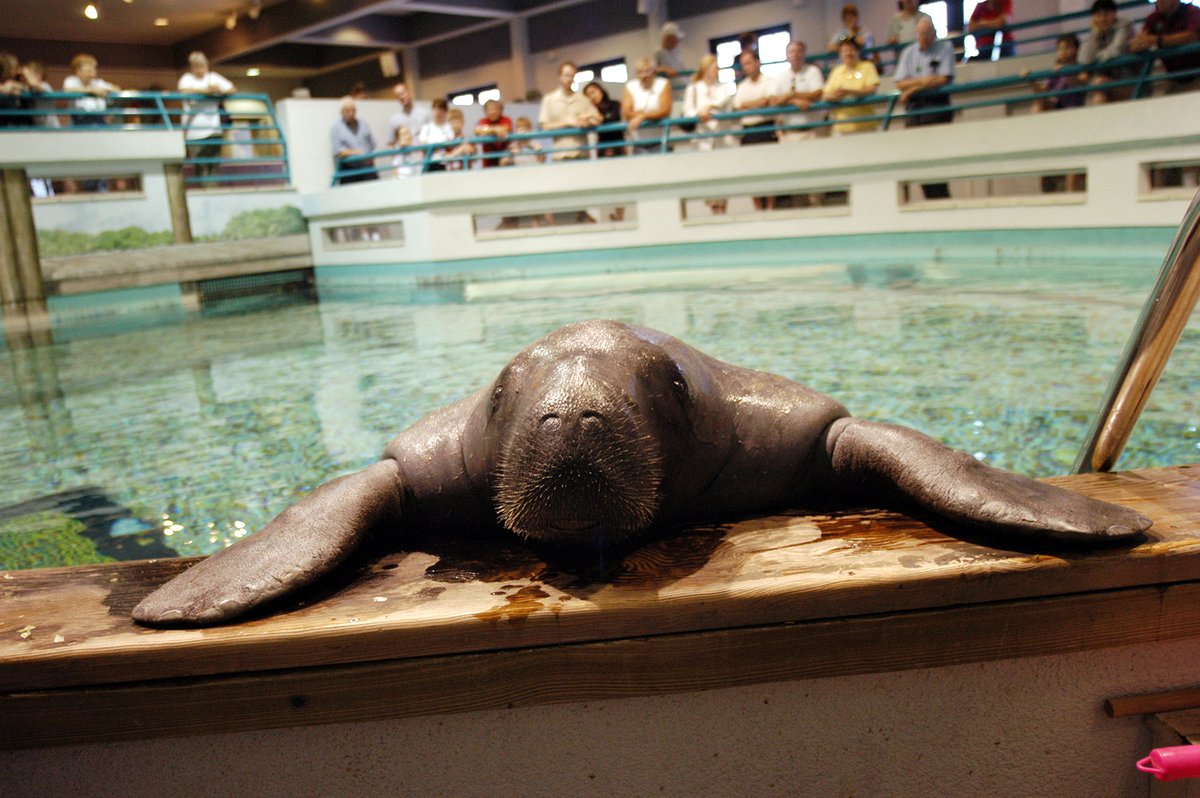
  • Earlier this week, Snooty, the world’s oldest living captive manatee died tragically. Now residents of Manatee County want to replace a Confederate statue with a statue of their beloved manatee. How can you say no to this face?
Snooty. Photo via @GWR
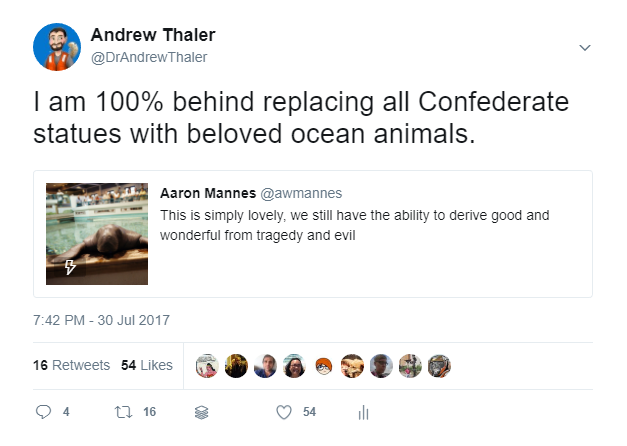
  • Personally, I am 100% behind replacing all Confederate statues with beloved ocean animals. H/T Aaron Mannes.

Read More “Save our Marine Monuments, replace confederates with ocean animals, worlds of plastic, and more! Monday Morning Salvage: July 31, 2017” »

Half-safe, climate change, deep-sea mining’s last frontier, and more! Monday Morning Salvage: Junes 12, 2017.

Posted on June 12, 2017June 12, 2017 By Andrew Thaler
Weekly Salvage

Fog Horn (A Call to Action)

  • 27 National Monuments are under review by the Department of the Interior. Our Nation Monuments are our National Treasures. Don’t let them be sold to the highest bidder! Submit formal public comments on the DOI Monument Review and make your voice heard.

Flotsam (what we’re obsessed with right now)

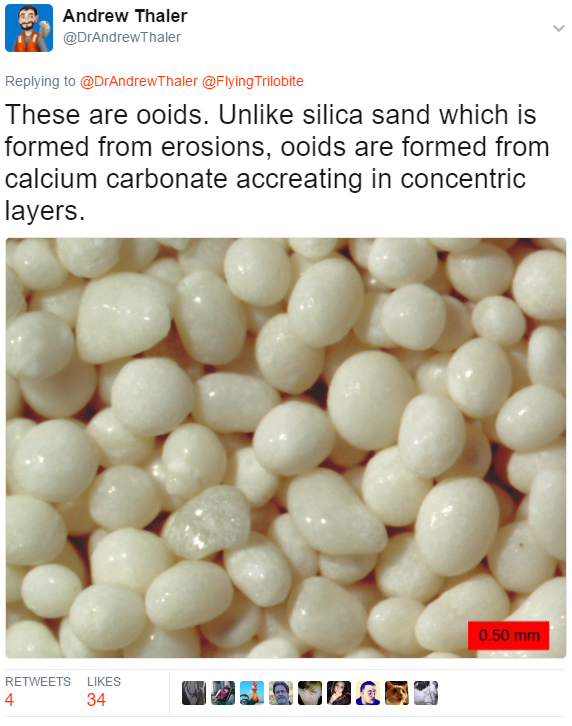
  • Sand. Over the weekend I asked Twitter if they were into sand, and Twitter said yes. So now I’m trapped in an endless cycle of ‘likes’ and facts about sand. it’s a sandstorm!

Jetsam (what we’re enjoying from around the web)

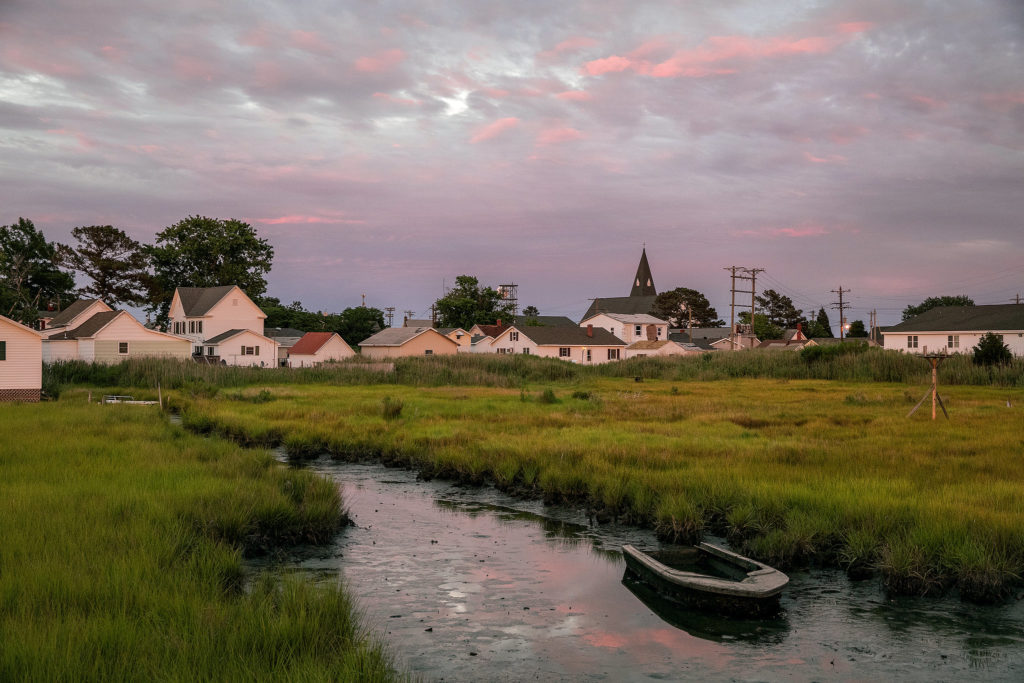
  • Tangier Island. It’s disappearing, due to a combination of erosion and sea level rise, and when it goes,Virginia’s last offshore fishing community vanishes, too. We’re visiting Tangier next week, so now is a great time to read up on the challenges facing the island.
The view from Long Bridge Road on Tangier Island. Credit Andrew Moore for The New York Times
  • Autonomous Cargo Ships Extend Miner’s Technology Drive to Seas.
  • Beasts from the sea dominated the monster flick of the 60s and 70s. Hakai is on the hunt for these leading monsters.
  • I’m sure this is fine. Trump Said to Mull Combining Agencies Separated After Gulf Oil Spill.
  • Donald Trump vs. the Tide of History on Climate Change. A great piece by my old college roommate. Hi Victor!
  • In 1950, an Australian adventurer set out to sail and drive around the world in an old amphibious jeep. It did not go entirely to plan.
  • The world’s smallest porpoise has caused a big battle in Baja California.
  • Paleoshorelines: Time capsules of the ocean’s ancient shorelines from our friends at oceanbites.
  • This week in deep-sea mining: Huge rare metal reserve found on seabed 350 km off Japan.
  • The protests against deep-sea mining are also ramping up. This video, which is perhaps the best I’ve seen capturing local concerns about near-shore hydrothermal vent mines, was featured at the UN Ocean Summit.
  • Japan’s famous fish market, where the world’s most expensive tuna are sold, is closing down to relocate from it’s historic home: Visit Tsukiji, a ‘Great Wonder of the World,’ While You Still Can.

Read More “Half-safe, climate change, deep-sea mining’s last frontier, and more! Monday Morning Salvage: Junes 12, 2017.” »

Marine Ecology via Remote Observation: an update from #ROV2PNG

Posted on November 12, 2014November 12, 2014 By Andrew Thaler
Science

Note: we’re home after an exceptional 3 weeks of work in Papua New Guinea. Sadly, the course was so intense that we weren’t able to produce updates during the program. Instead, please accept these time-shifted updates from #ROV2PNG. After more than a week of building robots, developing research proposals, presenting and defending their proposals to … Read More “Marine Ecology via Remote Observation: an update from #ROV2PNG” »

Newly-build robots face many sea trials: an update from #ROV2PNG

Posted on November 10, 2014 By Andrew Thaler
Science

Note: we’re home after an exceptional 3 weeks of work in Papua New Guinea. Sadly, the course was so intense that we weren’t able to produce updates during the program. Instead, please accept these time-shifted updates from #ROV2PNG.

Students prepare for Pilot Academy.

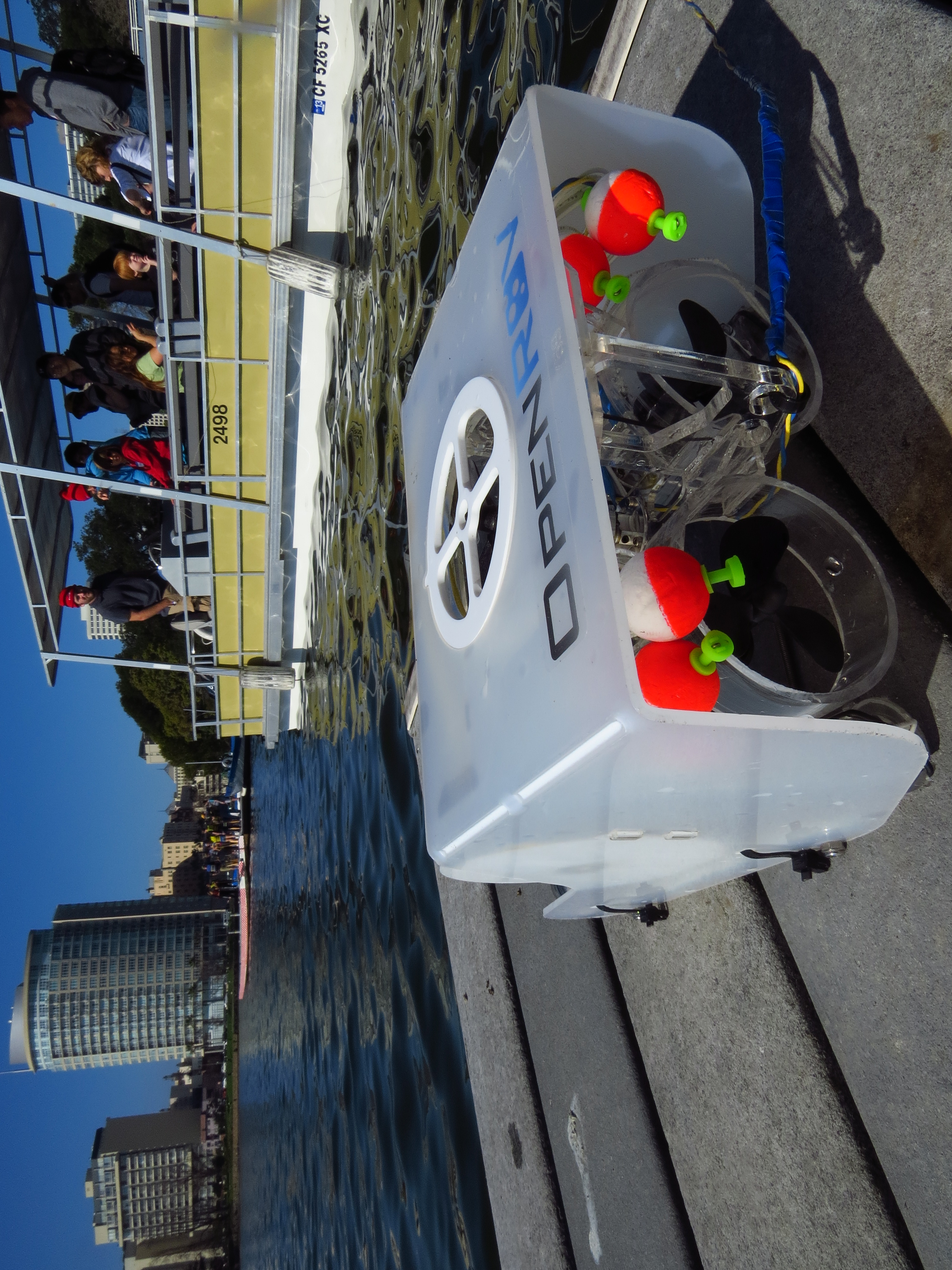
With a week of robot building behind us, it’s time to put our robots, and our newly minted robot pilots to the test. Monday began with a day of tether management and pilot training. The OpenROV does not come with its own, pre-built tether management system; operators must design their own and adapt it to the unique challenges of their field environment. So we set the team off to develop their own tether management systems and the results were astounding, artistic, and clever.

One of several innovative tether management systems.

With tethers securely managed, it was time for Erika’s Pilot Academy. As some teams continued to perform maintenance and troubleshooting, and some worked on their ecology projects, others were led, group by group, to the test tank, where Erika and Dominik had built a challenge course for them to fly. Without looking at the tank or robot, each student had to pilot an ROV around the tank, collect a weighted target, and bring it to the surface. Even for veteran OpenROV pilots, this exercise can be challenging. We closed out the first day of pilot training with 23 skilled pilots.

Read More “Newly-build robots face many sea trials: an update from #ROV2PNG” »

Six new robots join Papua New Guinea’s marine science assets: an update from #ROV2PNG

Posted on November 7, 2014November 6, 2014 By Andrew Thaler 1 Comment on Six new robots join Papua New Guinea’s marine science assets: an update from #ROV2PNG
Science

Note: we’re home after an exceptional 3 weeks of work in Papua New Guinea. Sadly, the course was so intense that we weren’t able to produce updates during the program. Instead, please accept these time-shifted updates from #ROV2PNG.


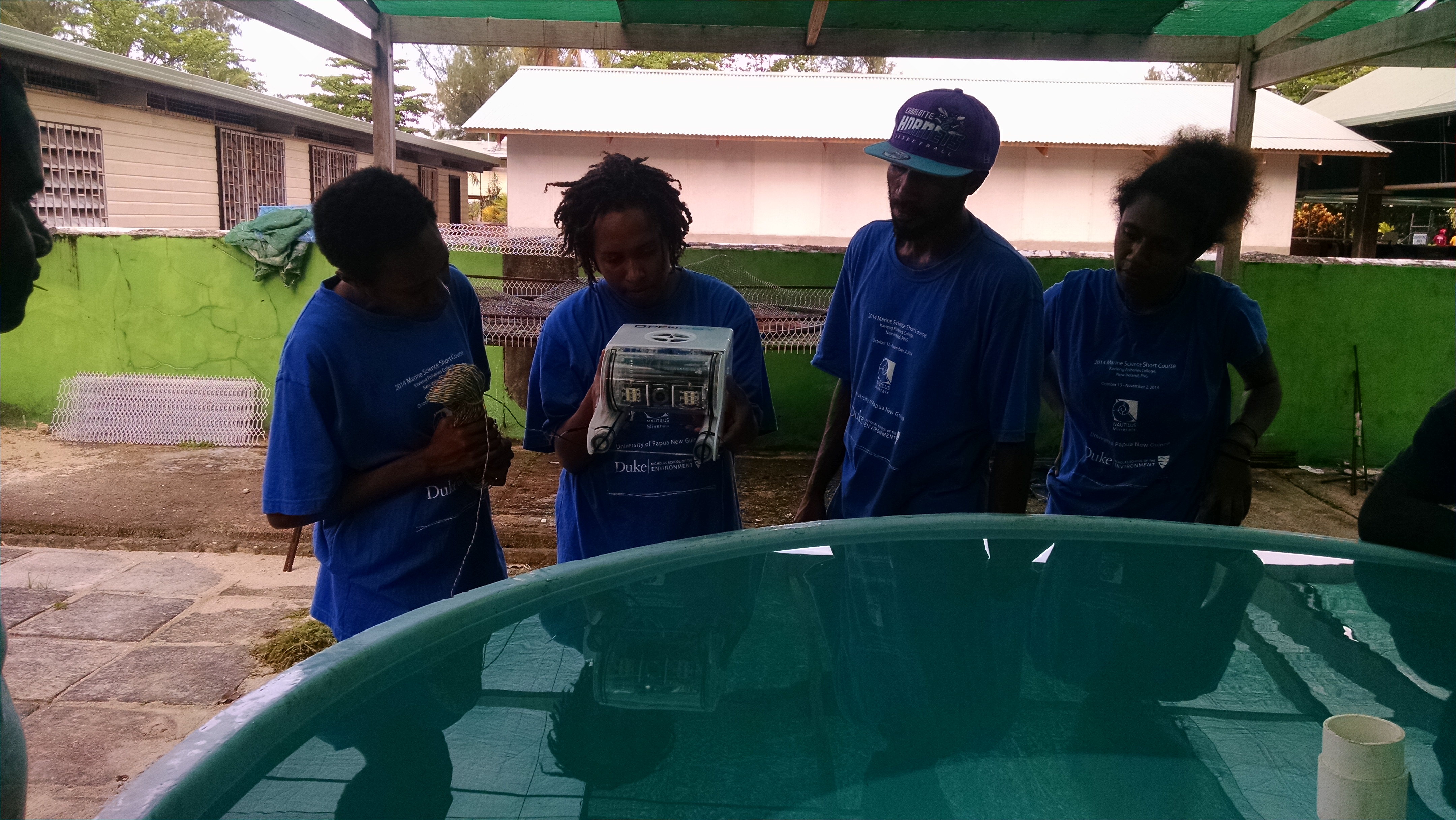
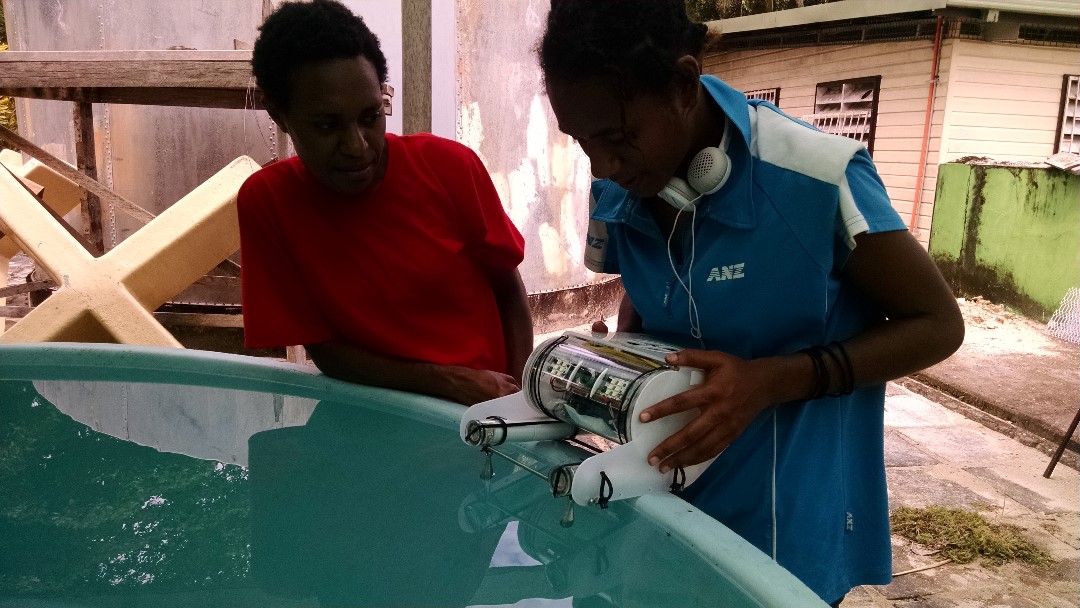
Students prepare to soak test their ROV.

After a long week of intensive robot building, six brand new OpenROVs went into the water on Friday. Our student’s hard work paid off as their robots dove into the freshwater test tank. There are few things more rewarding than watching students, who’ve sweated over a difficult build while learning challenging new skills for 12 hours or more every day, launch their completed robots drive them around the test tank for the first time.

Of course, failure is part of our pedagogy, and two robots will require another day of troubleshooting before they can be released into the sea.

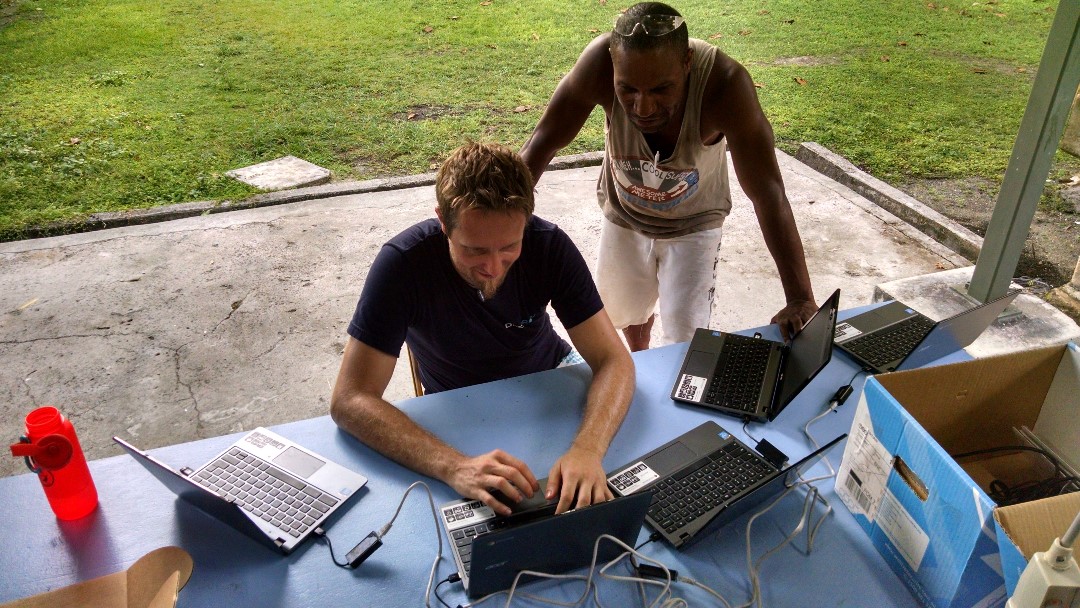
Dominik sets up the Chromebooks for their first flight.
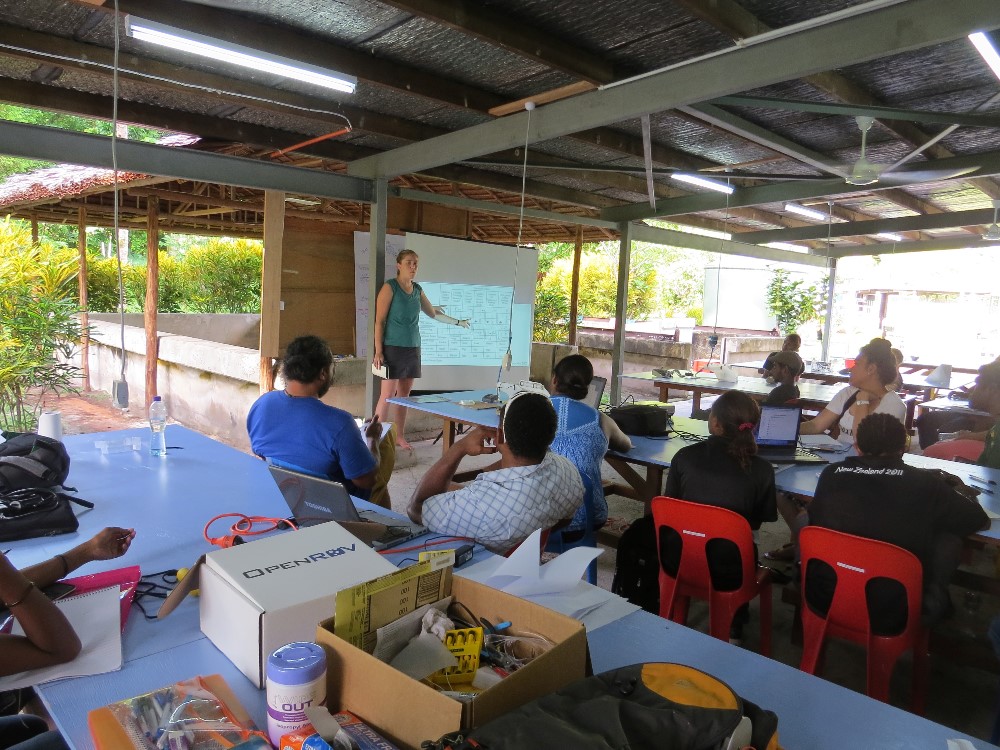
Amy delivers a talk on Human Ecology.

Read More “Six new robots join Papua New Guinea’s marine science assets: an update from #ROV2PNG” »

Building robots in Papua New Guinea: update from #ROV2PNG

Posted on October 24, 2014 By Andrew Thaler
Science
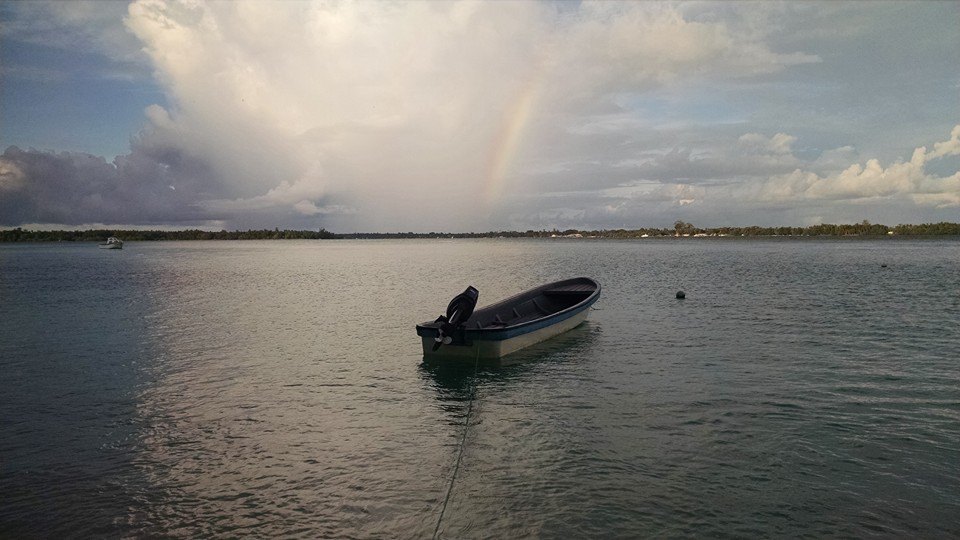
The view from our morning commute between Nusa and Nago.

Hello from the warm, sunny island of Nago, home of the National Fisheries College field station and staging ground for Marine Ecology via Remote Observation, part of the Marine Science Short Course. My team and I arrived in Port Morseby on Friday, where we met with Jamie on her way home and and caught up with my former student, now lecturer at UPNG, Freddie Alei, who joins us for the next week of class. Another day of travel brought us to the shores of Nusa Island. We had our first chance to meet the students on Sunday, during a walk around the local beach, followed by an afternoon flying Independent Lee, one of our demonstration robots, from the Fisheries’ jetty. It was a nice warm up for an intensive week of robotics and marine ecology.

There are two major components to the #ROV2PNG portion of the Marine Science Short Course. The first, and most visible, is the construction and operation of the OpenROV, an open-source underwater robot that is incredibly adaptable and expandable. Over the last three days, students have learned how to solder, weld acrylic, test electronics, use epoxy resins, and work together to assemble the chassis, endcaps, battery tubes, motors, and brain of the robot. Excitement is mounting as we approach the moment when we can power up the ROVs for the first time.

Read More “Building robots in Papua New Guinea: update from #ROV2PNG” »

The next era of ocean exploration begins in Papua New Guinea

Posted on September 22, 2014September 22, 2014 By Andrew Thaler
Blogging, Science
An OpenROV at Lake Merrit.
An OpenROV at Lake Merritt. Photo by author.

In 1946, Jacques Yves Cousteau and Émile Gagnan released the Aqualung, forever changing the way humans interact with the oceans. No longer tethered to the surface, entombed in thick, restrictive helmets, we could dive deeper, stay down longer, and explore the dark places snorkelers and free divers feared to fin. The Aqualung opened up the ocean to an entirely new cohort. Ocean exploration, once the domain of well-resourced scientists, career explorers, and the wealthy elite, was now within the reach of the global middle class.

Buoyed by the Aqualung, Marine Science exploded. Marine life could be studied alive and in situ. Behavior could be observed rather than inferred from the stressed and shredded samples of a trawl. The ranks of marine biologists, oceanographers, and explores swelled to numbers that began to gradually approach the relative significance of the ocean to the living world.

We’re just getting started.

Marine science is on the brink of the greatest sea change since JYC and Gagnan introduced the Aqualung to the world.

Read More “The next era of ocean exploration begins in Papua New Guinea” »

Posts pagination

Previous 1 2

Popular Posts

Shark scientists want their research to help save threatened species, but don’t know how. Our new paper can help.Shark scientists want their research to help save threatened species, but don’t know how. Our new paper can help.December 1, 2025David Shiffman
Norway and Cook Islands put their deep-sea mining plans on pause.Norway and Cook Islands put their deep-sea mining plans on pause.December 3, 2025Andrew Thaler
What Ocean Ramsey does is not shark science or conservation: some brief thoughts on "the Shark Whisperer" documentaryWhat Ocean Ramsey does is not shark science or conservation: some brief thoughts on "the Shark Whisperer" documentaryJuly 2, 2025David Shiffman
The Trouble with Teacup PigsThe Trouble with Teacup PigsOctober 14, 2012Andrew Thaler
What we know we don't know: impacts of deep-sea mining on whales, dolphins, sharks, turtles, and other migratory species.What we know we don't know: impacts of deep-sea mining on whales, dolphins, sharks, turtles, and other migratory species.November 20, 2025Andrew Thaler
2025: My year in writing, public speaking, and media interviews2025: My year in writing, public speaking, and media interviewsDecember 3, 2025David Shiffman
Urea and Shark OsmoregulationUrea and Shark OsmoregulationNovember 15, 2010David Shiffman
Shark of Darkness: Wrath of Submarine is a fake documentaryShark of Darkness: Wrath of Submarine is a fake documentaryAugust 10, 2014Michelle Jewell
How tiny satellites are tracking marine wildlifeDecember 1, 2025Andrew Thaler
Build a dirt cheap, tough-as-nails field computer in a Pelican caseBuild a dirt cheap, tough-as-nails field computer in a Pelican caseJuly 21, 2015Andrew Thaler
Subscribe to our RSS Feed for updates whenever new articles are published.

We recommend Feedly for RSS management. It's like Google Reader, except it still exists.

Southern Fried Science

  • Home
  • About SFS
  • Authors
  • Support SFS


If you enjoy Southern Fried Science, consider contributing to our Patreon campaign.

Copyright © 2025 Southern Fried Science.

Theme: Oceanly Premium by ScriptsTown