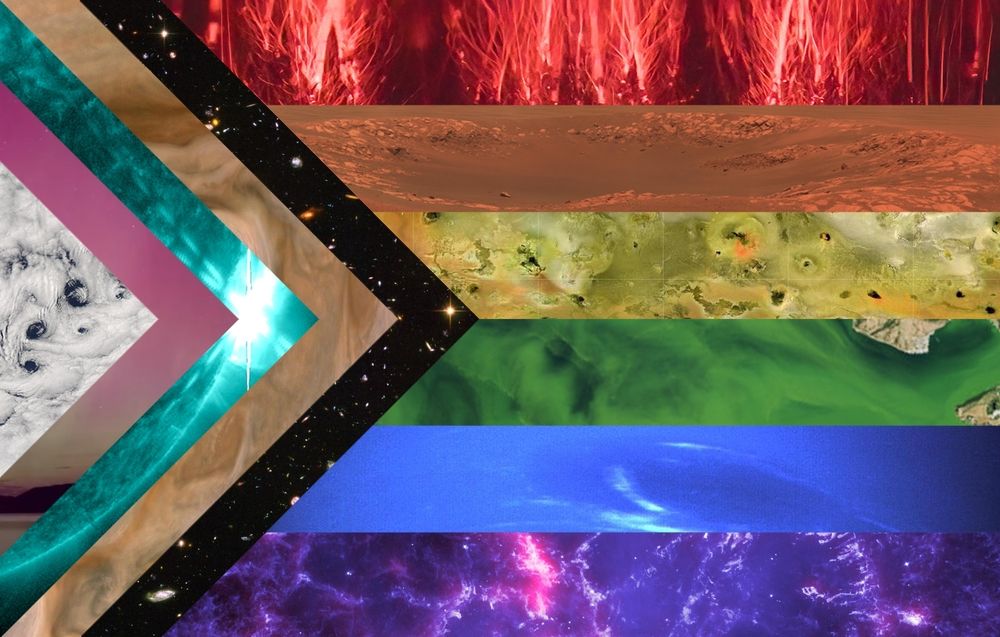
Transcript below.
Read More “Space whales. Space. Whales. SPAAAAACE WHAAAAALES! Weekly Salvage: October 21, 2019” »
Over 15 years of ocean science and conservation online
Long time friend of the blog, Dr. Jake Levenson, delivers a talk twenty years in the making, about how space technology and open data standards can help protect the ocean.
Last June, a striking image of a pride flag made up of NASA imagery became the most-liked post on the new social media network Bluesky, a post it held for 2 months. I spoke with its creator Rachel Lense about how it was made, and what it’s reception means for inclusion in science. This image … Read More “The story of the pride flag made from NASA imagery: Bluesky’s most-liked image” »
Foghorn (A Call to Action!)
Flotsam (what we’re obsessed with right now)

The Levee (A featured project that emerged from Oceandotcomm)
Fog Horn (A Call to Action)
Flotsam (what we’re obsessed with right now)
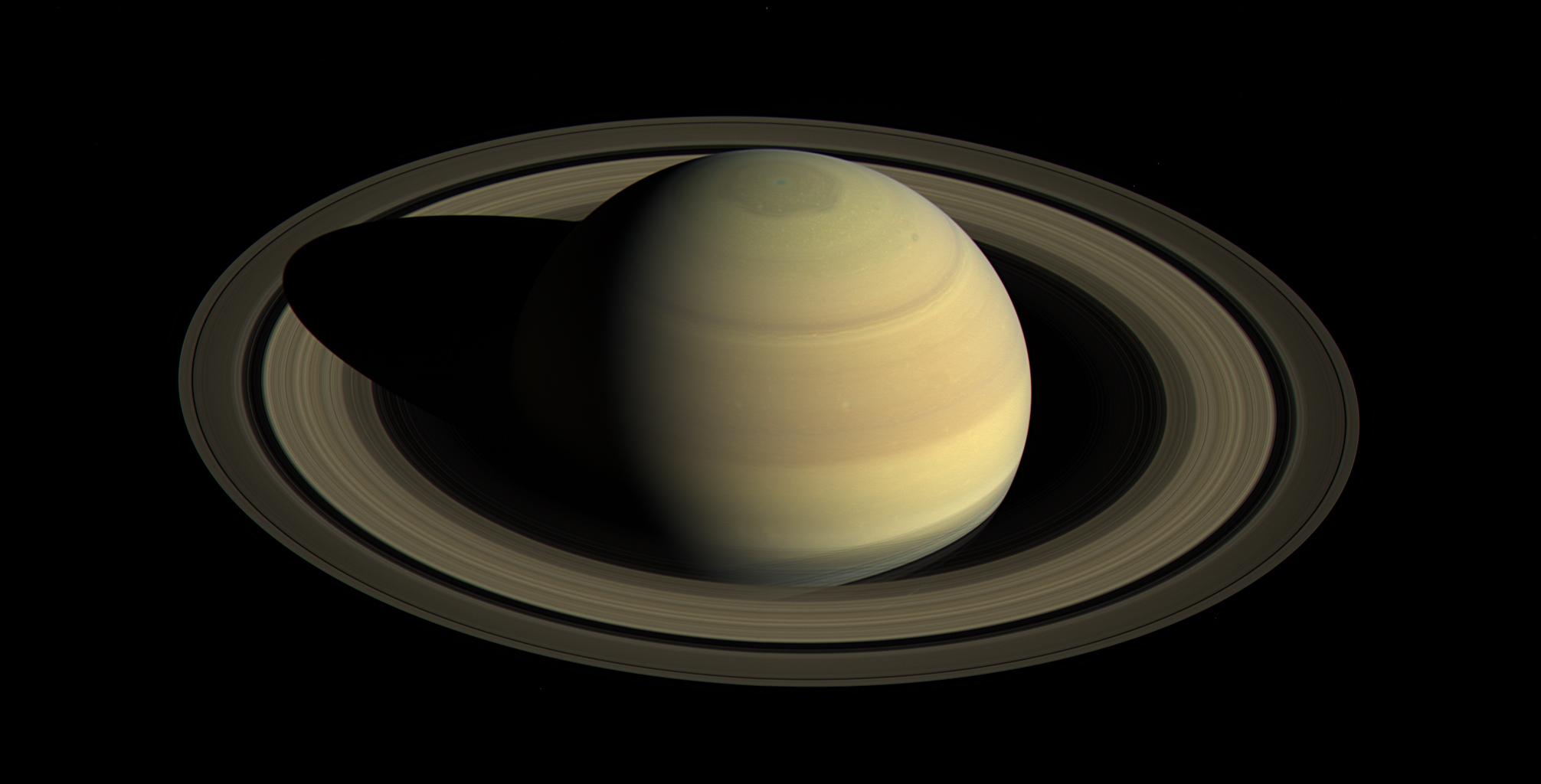
Roughly 20 years ago the Cassini orbiter launched from Cape Canaveral for a seven year journey to the ringed planet Saturn. Towing with it was the Huygens probe, built and maintained by the European Space agency. On its journey to Saturn the orbiter flew by Venus through the asteroid belt, past Jupiter with its giant red eye, before finally arriving at Saturn. After spending countless years investigating Saturn and its moons, today is the culmination of that journey as Cassini begins its death orbit down into Saturn.
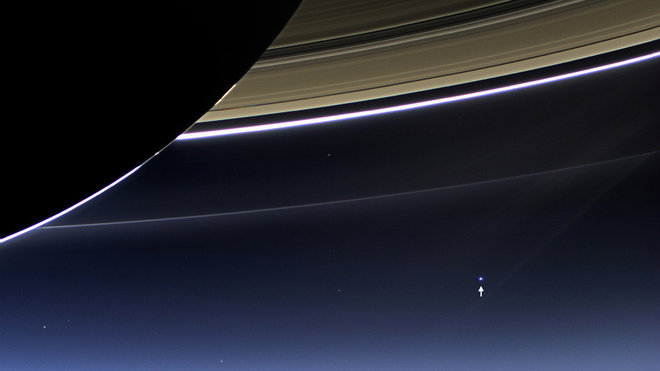
Cassini was a triumph of science and engineering, sending back amazing views and increasing the state of knowledge in astronomy. Cassini discovered two previously unknown moons orbiting Saturn (bringing Saturn’s total known moon count to 60), discovered ice plumes from Enceladus (another Saturn moon) via magnetometer, and detached and sent the Huygens probe down to the surface of Titan (Saturn’s largest moon). The landing of Huygens on Titan is the first and only landing on the surface of a world in the outer solar system.
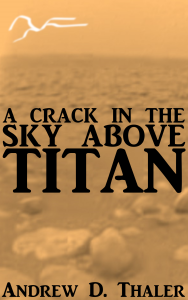 This Monday I launched A Crack in the Sky above Titan, a science fiction adventure framed around the seemingly simple question: What is it like to sail across the methane seas of Titan?
While Southern Fried Science is all about ocean science and conservation, we do make the occasional foray into space. From celestial navigation on Mars, do diving robots on Europa, to exploring other (fictional) worlds to learn something about our own, we haven’t shied away from the ‘other’ final frontier. So, in honor of A Crack in the Sky above Titan (available now on Amazon*) here is a selection of our favorite space nerdery from Southern Fried Science.
(Note: Some of these are from our month of ocean science fiction. While the framing for these pieces is fictional, the science itself is sound)
The Extraterrestrial Ocean: Could OpenROV Trident explore the seas of Europa?
Our planet is an ocean, and it is almost entirely unexplored. OpenROV, and their new Trident underwater drone is one of many tools that will help change that by democratizing exploration, conservation, and ocean science. We are poised atop the crest of a wave that may change how humans interact with the ocean as profoundly as the invention of the aqualung.
Earth is not the only body in our solar system that hosts an ocean. As we (slowly) venture out into the stars, could OpenROV Trident dive in extraterrestrial seas?
Read More “A selection of space nerdery from your favorite ocean blog.” »
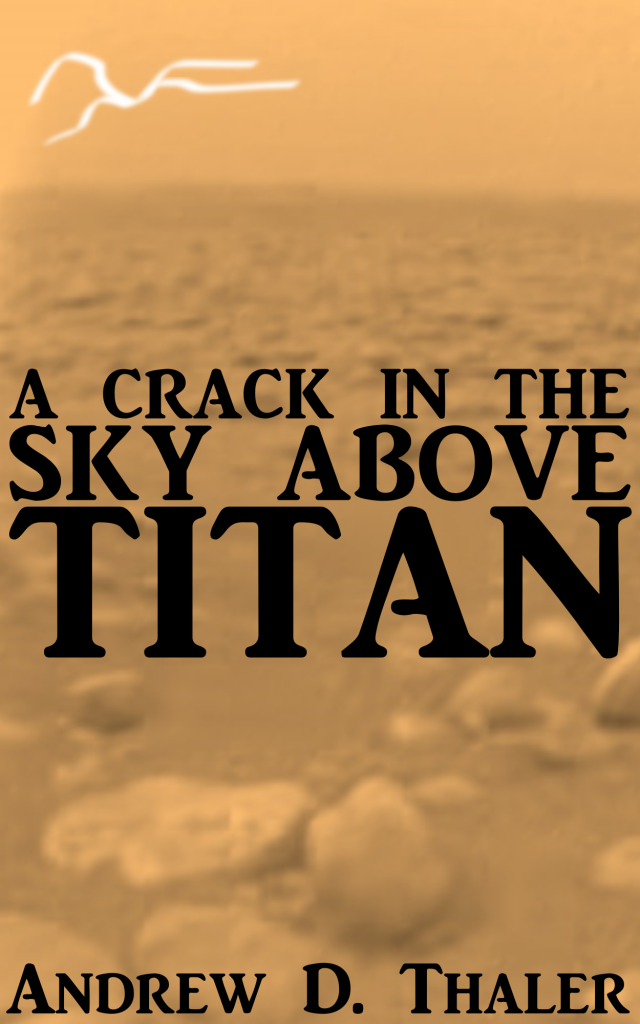 A simple writing prompt–what would it be like to sail across Titan?–has taken me on a 20,000-word journey through the intricacies of life on Saturn’s largest moon. Join the Salvager on a journey across Kraken Mare to land the score of a lifetime, if the rest of the universe doesn’t get in their way. Discover the weird, wonderful world of Titan and her coastal colonies and confront the challenges of sailing across an alien world.
A Crack in the Sky above Titan takes a lot of the ideas developed during Field Notes from the Future and extends them out into the extremely distant future. At what point do humans, heavily augmented with hardware and software, stop being human? What rights are retained when a person contains no human parts? How does art evolve in a future obsessed with technology? And how exactly do you sail via celestial navigation with no polar star and an atmosphere of dense haze.
In honor of this new launch, my other novella, Prepared, an adventure in doomsday prepping, seasteading, and catastrophic sea level rise, is free to download all week long.
Read an excerpt from my latest novella, below:
Read More “What is it like to sail across Titan’s methane seas?” »
On January 1, 2016, the Southern Fried Science central server began uploading blog posts apparently circa 2041. Due to a related corruption of the contemporary database, we are, at this time, unable to remove these Field Notes from the Future or prevent the uploading of additional posts. Please enjoy this glimpse into the ocean future while we attempt to rectify the situation.
Are you ready for the next evolution of the do-it-together global monitoring movement? For the last few years we’ve been training students, citizen scientists, and legacy academics to build small, low-cost, open-source satellites. These satellites, outfitted with an array of sensors, have, after decades of development, finally reached the point where they can fulfill the gaps left by the Great Deorbiting, when most government research satellites fell–either literally, or simply into disrepair.
Multi-material 3D printing helped lead the charge, allowing users to fabricate parts, even complete micro-circuits, for nickels, using a desktop set up. These parts could be standardized and printed as a single contiguous piece, adding durability and reliability to the project. Thanks to these tools, fabricating your own personal observation satellite is now easier than ever.
Read More “Join the DIT Orbital Observatory program and print your own microsatellites” »
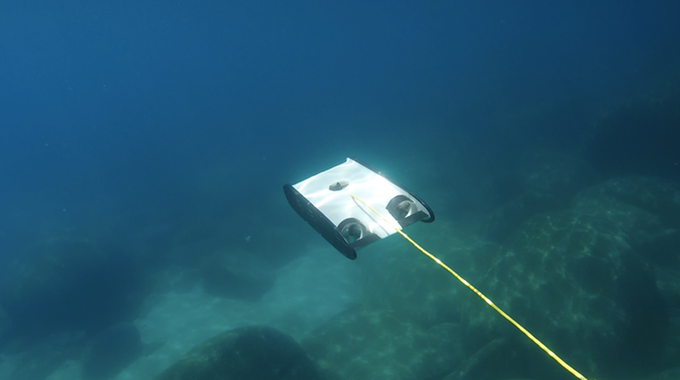
Our planet is an ocean, and it is almost entirely unexplored. OpenROV, and their new Trident underwater drone is one of many tools that will help change that by democratizing exploration, conservation, and ocean science. We are poised atop the crest of a wave that may change how humans interact with the ocean as profoundly as the invention of the aqualung.
Earth is not the only body in our solar system that hosts an ocean. As we (slowly) venture out into the stars, could OpenROV Trident dive in extraterrestrial seas?
Read More “The Extraterrestrial Ocean: Could OpenROV Trident explore the seas of Europa?” »