Skip to content

Southern Fried Science

Over 15 years of ocean science and conservation online

  • Home
  • About SFS
  • Authors
  • Support SFS

Two Years of Deep-sea Mining in Review: ISA rushes forward

Posted on March 18, 2022March 17, 2022 By Andrew Thaler
Science

As in-person negotiations on the future of exploitation in the deep ocean resume this week in Kingston Jamaica, we reflect back on the last two years of development as reported on our sister site, the Deep-sea Mining Observer. This editorial first appeared on September 30, 2021.


Opinion by Andrew Thaler, DSMO Editor-in-Chief

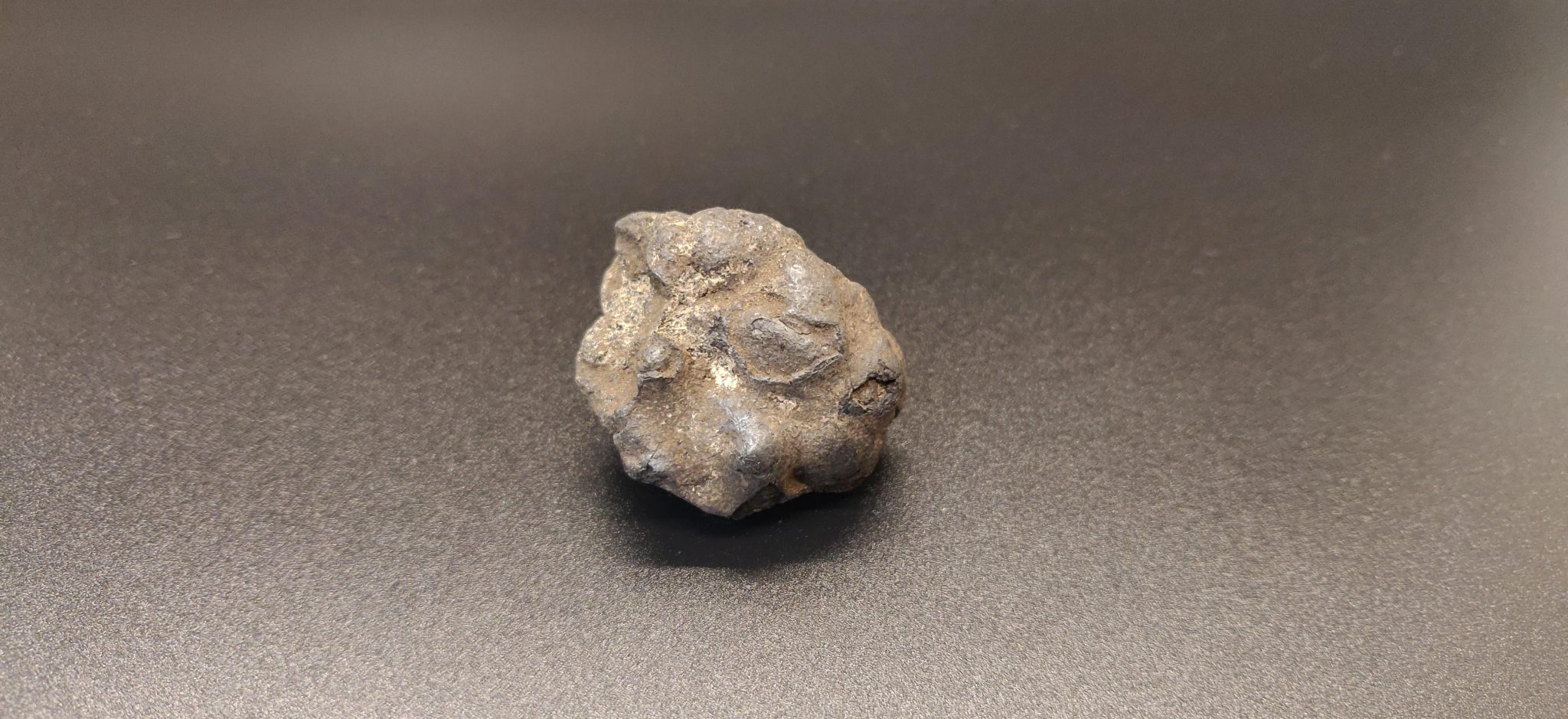
The International Seabed Authority published their provisional roadmap for the next two years of international negotiations, optimistically culminating with the approval of the Mining Code for polymetallic nodules in areas beyond national jurisdiction. This ambitious goal depends upon the ability to resume ISA sessions in Kingston, a scenario that continues to be unlikely, with many participants and stakeholders expressing doubt that in-person meetings will resume before boreal summer 2022. 

The ISA hopes to get at least a few delegations to return to Jamaica before the end of the year. As part of their new schedule, they expect to hold a much-abridged meeting of the Assembly and Council this December. The ISA is encouraging member states to send small delegations of no more than 2 individuals or use already in-country representatives from existing permanent missions. Observers are limited to sending a single individual. Even with a smaller format, several stakeholders have expressed doubts that the ISA will be able to gather enough members for a quorum. 

In order to meet the deadline of July 9, 2023 for adoption of a mining code for the exploitation of polymetallic nodules in the Area, the ISA is pushing forward a plan to double the number of in-person meetings, with two council sessions per year, totaling six weeks. The Legal and Technical Commission, who have performed the heavy lifting in 2021 through a series of remote meetings, will meet for two in-person sessions of 1 week each. The Assembly, which represents the sole opportunity for many non-member state stakeholders, including observer groups, NGOs, nations with observer status, and other representatives of civil society, will meet for a single week, as they have for the last several years. The Finance Committee will meet for three days during the second session.

The ISA leaves open the potential for a third session in late 2022 subject to need and the availability of resources. 

Most surprising in the provisional plan is the complete absence of any opportunity for stakeholder input during the two years leading up to the release of the expedited mining code. Without a chance for stakeholders to provide direct feedback on a near-final draft, the ISA is placing itself in an extremely vulnerable position which could lead to the collapse of negotiations and the failure to deliver on its obligation to the international community. Given this proposed path forward, it seems all but inevitable that stakeholders should prepare for the final contingency: that a Plan of Work submitted by NORI sometime in 2023 will proceed to review without the framework of a finalized mining code.

Share this:

  • Click to share on Bluesky (Opens in new window) Bluesky
  • Click to share on Facebook (Opens in new window) Facebook
  • Click to share on Reddit (Opens in new window) Reddit
  • Click to share on Threads (Opens in new window) Threads
  • Click to share on WhatsApp (Opens in new window) WhatsApp
  • Click to share on Mastodon (Opens in new window) Mastodon

Related

Tags: deep-sea mining International Seabed Authority

Post navigation

❮ Previous Post: Two Years of Deep-sea Mining in Review: Deep-sea Mining has Time.
Next Post: Two Years of Deep-sea Mining in Review: What happens when we pull the trigger? ❯

You may also like

Conservation
A global assessment of biodiversity and research effort at active Seafloor Massive Sulphides: Transcript from my talk at the International Seabed Authority.
August 6, 2019
Uncategorized
A roundup of recent deep-sea mining news
October 31, 2022
Weekly Salvage
2 minutes to midnight, 3D printed turtle eggs, awkward fiddlers, Egyptian welders, and more! Monday Morning Salvage: January 29, 2018.
January 29, 2018
Featured
One Mining Code to Rule Them All: The poison pill at the heart of the Deep-Sea Mining negotiations.
July 19, 2023

Popular Posts

Shark scientists want their research to help save threatened species, but don’t know how. Our new paper can help.Shark scientists want their research to help save threatened species, but don’t know how. Our new paper can help.December 1, 2025David Shiffman
Norway and Cook Islands put their deep-sea mining plans on pause.Norway and Cook Islands put their deep-sea mining plans on pause.December 3, 2025Andrew Thaler
What Ocean Ramsey does is not shark science or conservation: some brief thoughts on "the Shark Whisperer" documentaryWhat Ocean Ramsey does is not shark science or conservation: some brief thoughts on "the Shark Whisperer" documentaryJuly 2, 2025David Shiffman
What we know we don't know: impacts of deep-sea mining on whales, dolphins, sharks, turtles, and other migratory species.What we know we don't know: impacts of deep-sea mining on whales, dolphins, sharks, turtles, and other migratory species.November 20, 2025Andrew Thaler
2025: My year in writing, public speaking, and media interviews2025: My year in writing, public speaking, and media interviewsDecember 3, 2025David Shiffman
The Trouble with Teacup PigsThe Trouble with Teacup PigsOctober 14, 2012Andrew Thaler
Urea and Shark OsmoregulationUrea and Shark OsmoregulationNovember 15, 2010David Shiffman
How tiny satellites are tracking marine wildlifeDecember 1, 2025Andrew Thaler
Shark of Darkness: Wrath of Submarine is a fake documentaryShark of Darkness: Wrath of Submarine is a fake documentaryAugust 10, 2014Michelle Jewell
Build a dirt cheap, tough-as-nails field computer in a Pelican caseBuild a dirt cheap, tough-as-nails field computer in a Pelican caseJuly 21, 2015Andrew Thaler
Subscribe to our RSS Feed for updates whenever new articles are published.

We recommend Feedly for RSS management. It's like Google Reader, except it still exists.

Southern Fried Science

  • Home
  • About SFS
  • Authors
  • Support SFS


If you enjoy Southern Fried Science, consider contributing to our Patreon campaign.

Copyright © 2025 Southern Fried Science.

Theme: Oceanly Premium by ScriptsTown