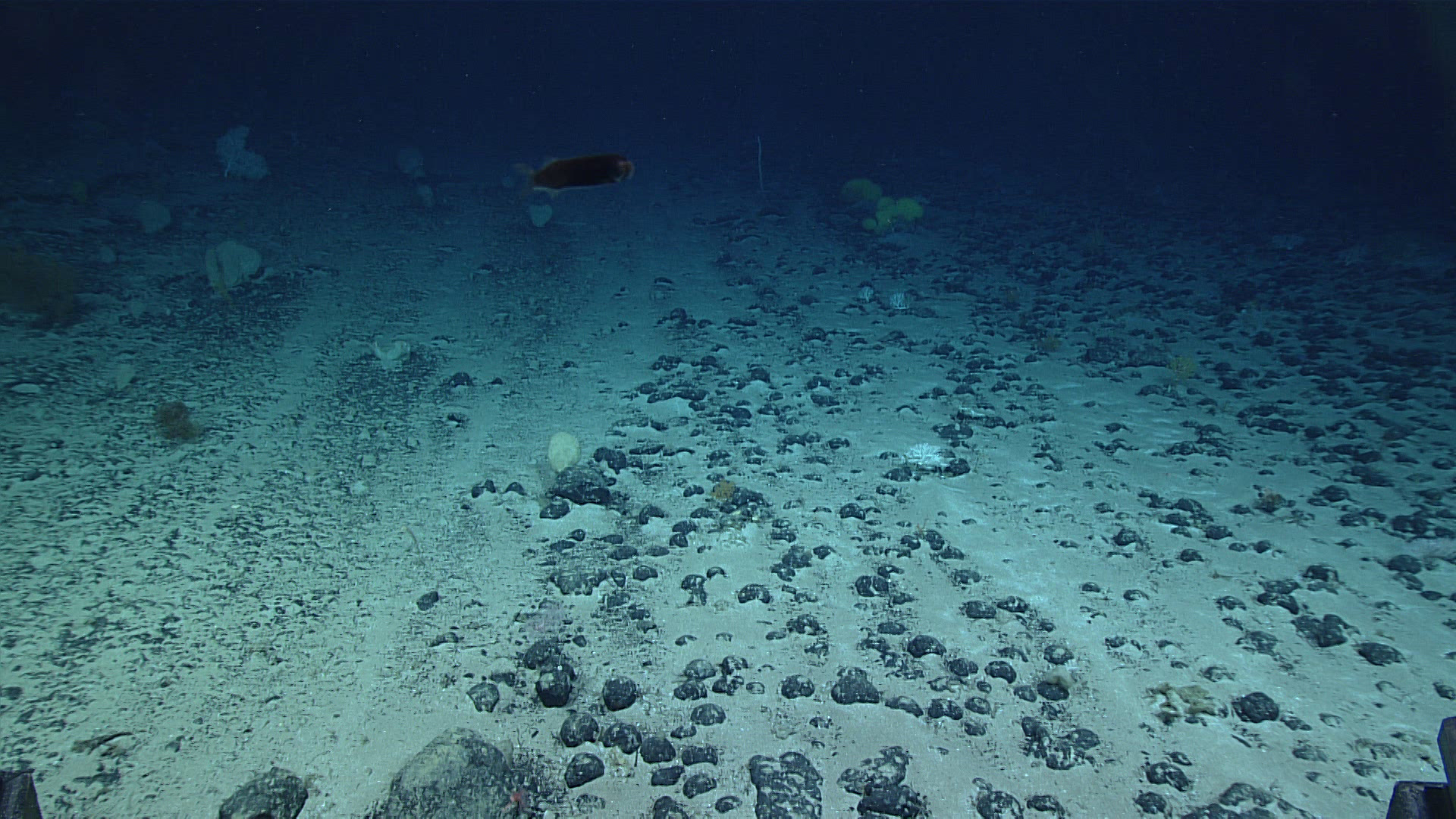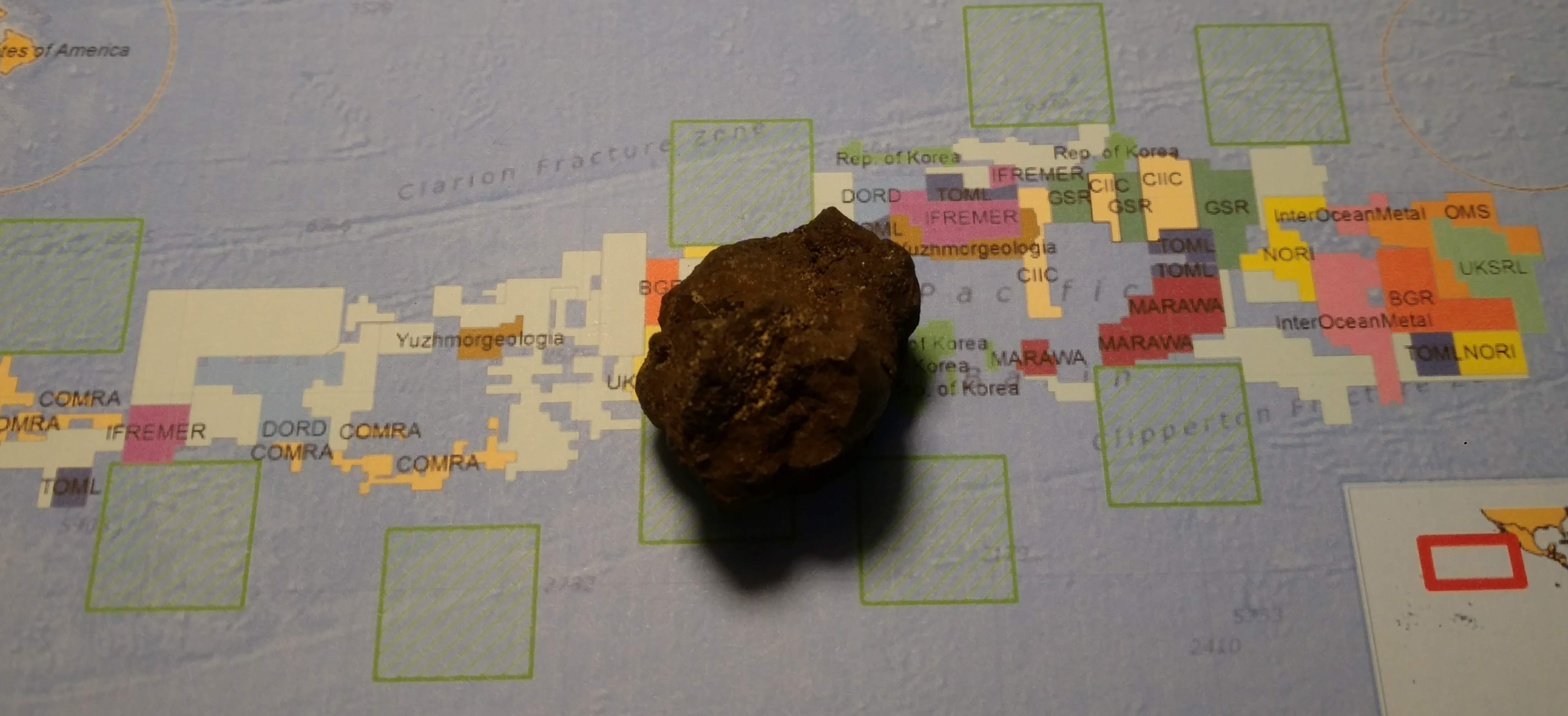
Last night, the President signed an Executive Order on Deep-sea Mining. The order directs primarily NOAA and DOI to develop an expedited permitting process for mining in both the US EEZ and, chaotically, the high seas beyond US jurisdiction.
I provide a brief overview of the industry here: Understanding the Executive Order on Deep-sea Mining and Critical Minerals: Part 1, what are we talking about?
The Policy
The EO calls for the US took take a leadership role in the development of seabed mineral resources. This includes developing capacity for the exploration and exploitation of the seabed, investing in deep-sea science and technology, and coordinating federal agencies. It also calls for establishing the US as a global leader in seabed mineral exploitation, creating a domestic supply chain for critical minerals, and undermining China’s dominance over the critical minerals industry.
That’s pretty much what everyone expected to see when it leaked several months ago that the Administration was working on a deep-sea mining Executive Order.
Mining Within the US EEZ
This part is unambiguous. The US has the right to exploit seabed minerals within its EEZ through the Outer Continental Shelf Lands Act. It may not be a good idea, but it is a legal one. The EO calls for “an expedited process for reviewing and approving permits for prospecting and granting leases for exploration, development, and production of seabed mineral resources within the United States Outer Continental Shelf”. Right now, that looks like an area within the EEZ of American Samoa that Impossible Metals has submitted an exploration permit for.
Mining in International Waters
More tenuous are the orders related to deep-sea mining in areas beyond national jurisdiction. This is the seafloor that exists beyond any nation’s borders and for which the International Seabed Authority through the UN Convention on the Law of the Sea and customary law in the US has jurisdiction over. The EO direct the Secretary of Commerce to expedite the permitting process for mining applications in this area under the Deep Seabed Hard Minerals Resources Act, a law which predates the ratification of UNCLOS and was intended to be phased out once UNCLOS came into force.
China has already declared this provision illegal under international treaties and customary law.
This is where things get curious. The EO also calls for a feasibility report on “an international benefit-sharing mechanism for seabed mineral resource extraction and development that occurs in areas beyond the national jurisdiction of any country”. This is a core provision of the Law of the Sea: that the seabed resources of the High Seas are the Common Heritage of Humankind and benefits from their exploitation must be shared. It is strange that the Administration would both be trying to flaunt international customary law while also reinforcing its most important concept. This Common Heritage principle is why the US signed but never ratified UNCLOS.
Here’s a free feasibility report: Ratify UNCLOS and join the international negotiation on equal footing.
Domestic Processing
The Executive Order also calls for enhanced domestic processing of deep-sea derived minerals. I actually am not particularly opposed to this provision (and have written about it before). Except, if the US undermines the ISA and UNCLOS by going it alone in the high seas, I don’t see the country importing many minerals for processing and the potential homegrown mining companies are decades away from producing at a scale needed to support major onshore processing facilities.
It’s an industry that doesn’t work without a global supply chain. It’s an industry that doesn’t work without respecting the Law of the Sea.
National Security
National Security comes up quite a bit in the Executive Order, but, frankly, National Security is a bit of a red herring. Deep-sea mining isn’t accessing metals that are particularly vulnerable or particularly inaccessible. The core value proposition for deep-sea mining is to support the renewable energies transition and the national security drum is only being beaten because there is an administration that is antagonistic towards green technology.
Consistent With Applicable Law
Throughout the EO, one standard phrase appears more than any other: “consistent with applicable law”. And that is the secret sauce of every Executive Order. EO’s are not laws, they are policy directives. The President does not make legislation, Congress does.
Angelo wrote this about opening up the Pacific monuments to fishing, but it is just as applicable here: 5 things you can do if you’re pissed off about the latest Trump EO.
Who’s going to do this?
From a workforce standpoint, who reviews deep-sea mining permits? Who oversees EIAs?
The EO calls for creating a permitting system and expediting review within DOI and NOAA. Just so we’re clear, every single civil servant I know with expertise in this field who would have been placed on those task forces has been fired or is in lawsuit limbo. The Federal Government has significantly reduced its own capacity to take up this challenge. This self-inflicted wound means the Federal Government lacks the human capacity to expedite anything. Without a robust civil service, expectant mining companies are almost certainly going to find themselves in a tortuous limbo of lawsuits over the minutiae of permitting and regulation, and they don’t have the Chevron Defense to defer to.
Southern Fried Science is free and ad-free. Southern Fried Science and the OpenCTD project are supported by funding from our Patreon Subscribers. If you value these resources, please consider contributing a few dollars to help keep the servers running and the coffee flowing. We have stickers.