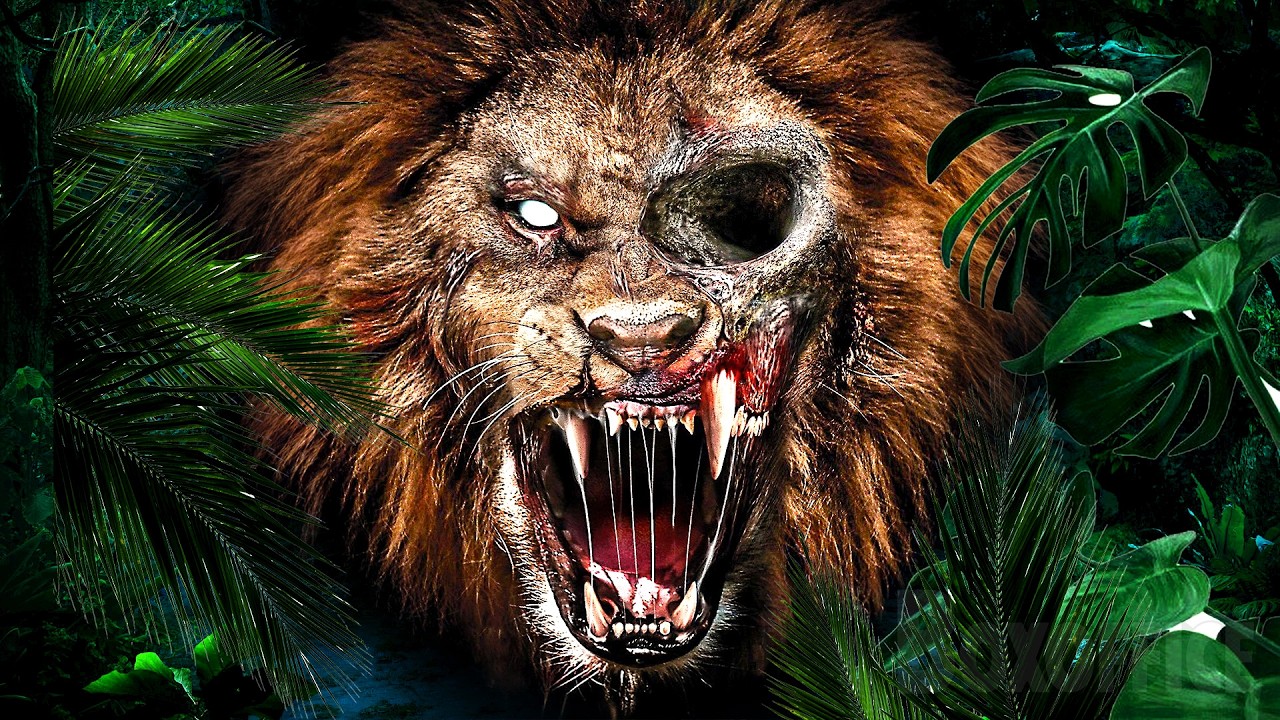
A “zombie idea” is a policy, belief, or theory that has been thoroughly disproven by facts and evidence, and continues to resurface again and again… it just won’t die. Somehow they continue to stagger through public discourse, dragging their rotting limbs into legislative chambers and conservation galas.
One of the loudest, most persistent groans from the undead is: “Trophy hunting is a necessary tool that saves endangered species.”
Let’s be completely clear: it isn’t, it doesn’t, and the science has buried it multiple times over. Yet, it remains aggressively alive, largely because it is being fed a steady diet of funding and PR by a very specific cabal of so called “Wise Use” NGOs.
Trickle down conservation
The core argument for trophy hunting as conservation relies on a beautifully simplistic trickle-down economic model, that wealthy Western elites pay hundreds of thousands of dollars to shoot an old, “surplus” male lion, elephant, or rhino. That money supposedly funds local anti-poaching units, incentivizes rural communities to tolerate dangerous megafauna, and keeps wild habitats from being converted into cattle ranches.
It sounds logical on a brochure, or in a presentation, but it falls apart completely under peer review. When independent economists and ecologists actually audit the money trail, the fantasy crumbles:
- The vast majority of trophy hunting revenues never reach local communities. Independent studies show that only a measly 1% to 3% of hunting fees actually trickle down to rural citizens living alongside wildlife. The rest is devoured by foreign outfitters, corruption, overhead, and government bureaucracies.
- Hunting operations claim they only target old, solitary males past their reproductive prime. But wildlife genetics isn’t that simple. In species like lions and elephants, older males are often social anchors. Removing a dominant male lion can trigger infanticide, as new males sweep in and slaughter the dead leader’s cubs. In elephants, killing the older bulls removes the social disciplinarians, causing younger bulls to experience spikes in aggression and wreak havoc on local villages.
- Far from protecting populations, poorly managed trophy quotas have actively driven declines in lions, leopards, and iconic African herbivores, in many areas.
Meet the necromancers: “Wise Use” NGOs
If the data is so overwhelmingly grim, why are we still debating the trophy hunting issue in 2026? Because an entire ecosystem of hunting-centric Non-Governmental Organizations (NGOs) rebranded under the banner of “wise use” conservation. The “wise use” philosophy (originally a corporate-backed movement designed to open public lands to logging and mining) has been expertly co-opted by wealthy pro-hunting lobbies. Organizations such as Safari Club International and their various spin-offs don’t frame their defense of trophy hunting around the thrill of the kill anymore. But rather they have have weaponized the progressive language of the modern environmental. Today, their primary defense strategy is to accuse anti-hunting advocates of “eco-colonialism.”
Their messaging playbook goes like this:
“Who are you, wealthy Western urbanites, to dictate how sovereign African nations or Indigenous communities manage their wildlife? If they want to use trophy hunting to fund their development, banning it is an act of neo-colonial dominance.”
It’s quite an act of rhetorical chicanery, and hypocrisy, for wealthy white elites, traveling to the low-income countries to kill their charismatic megafauna for bragging rights, to frame opponents to this activity as neo-colonialists.
True decolonial conservation means empowering local communities to hold land rights, dictate their own ecological futures, and develop sustainable, community-led photographic tourism or traditional management structures. It does not mean forcing those communities to rely on the capricious whims of rich foreigners who demand a dead apex predator in exchange for building a single schoolhouse. Or, which is more likely, killing an apex predator and then giving some of the meat from the carcass to locals as their gracious “gift” to the community, while the foreign safari organizers get rich on the fees paid.
Unfortunately the “wise use” groups heavily lobby foreign governments to keep the trophy pipeline open. They spend millions of dollars in Washington D.C. and Brussels to ensure that imports of elephant, polar bear and lion body parts remain legal, actively undermining the conservation policies of countries trying to implement stricter protections.
When a Western hunting NGO spends millions to influence wildlife policy in another hemisphere just so its members can keep collecting wall ornaments, that isn’t fighting colonialism, that’s just imperialism good PR.
Time to finally bury the zombie
Conservation dollars are finite, and time is running out for the world’s most iconic species. Every minute we spend entertaining the zombie idea that trophy hunting is a viable, ethical preservation strategy is a minute we waste investing in real solutions, such as direct community conservation stipends, carbon credit habitats, and authentic eco-tourism.
Trophy hunting doesn’t save wildlife; it buys the undead myth a little more time to lurch around causing havoc. It’s time to stop letting special-interest lobbies dictate ecological reality. Let’s put this conservation zombie back in its grave where it belongs.