Skip to content

Southern Fried Science

Over 15 years of ocean science and conservation online

  • Home
  • About SFS
  • Authors
  • Support SFS

Fun Science FRIEDay – The worlds largest sponge.

Posted on June 3, 2016 By Kersey Sturdivant
Conservation, Science

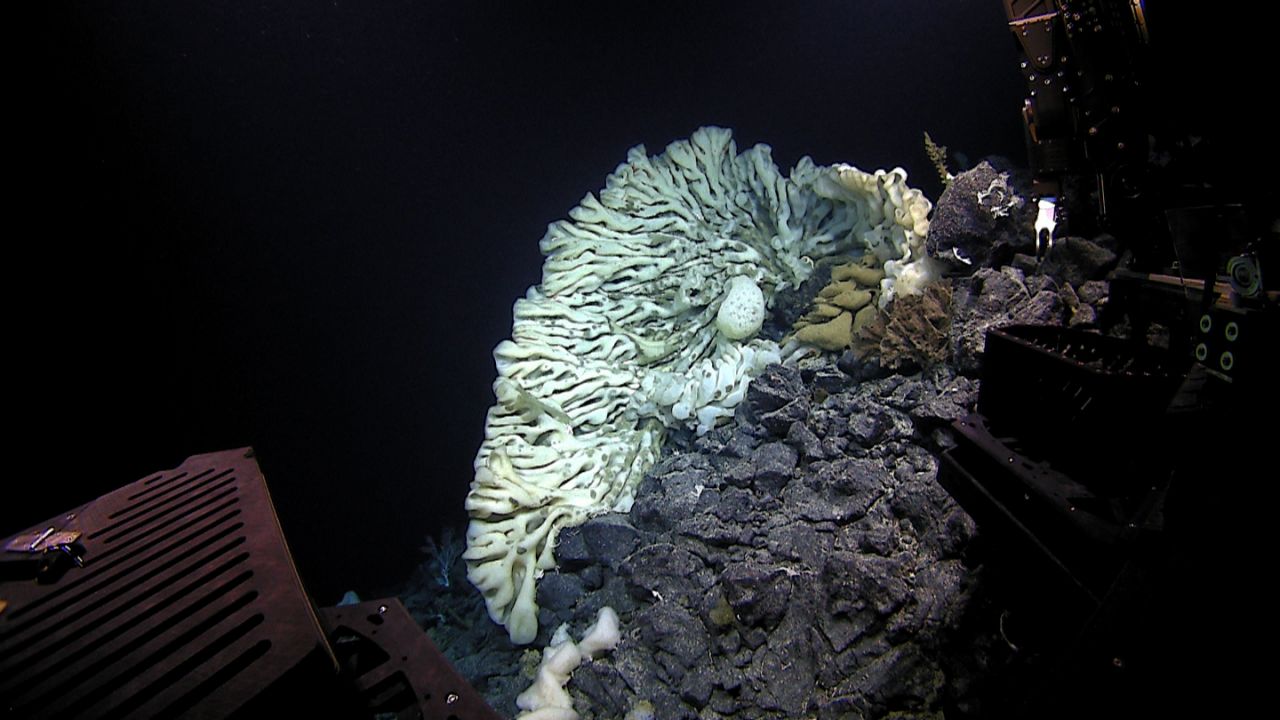
Recently a team of scientists on a deep sea expedition in the Northwestern Hawaiian Islands aboard the R/V Okeanos Explorer made a monumental discovery… pun intended. While exploring the depths of the seafloor in Papahānaumokuākea Marine National Monument, with their remotely operated vehicles (ROV) Seirios and Deep Discover, they discovered and documented the largest sponge ever observed on this planet… or any planet for that matter.
Large hexactinellid sponge found in Papahānaumokuākea Marine National Monument (Photo credit: NOAA's Office of Exploration and Research)
Large hexactinellid sponge found in Papahānaumokuākea Marine National Monument (Photo credit: NOAA’s Office of Exploration and Research)
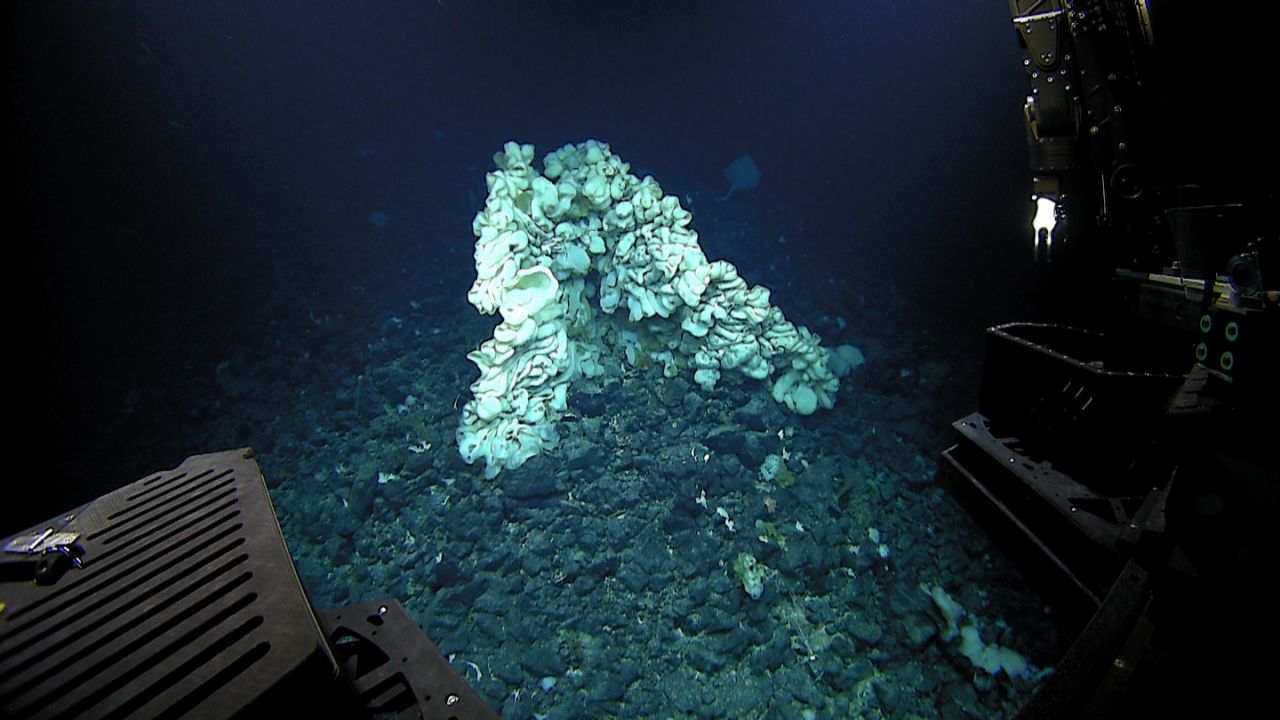
Lateral view of a large hexactinellid sponge found in Papahānaumokuākea Marine National Monument (Photo credit: NOAA's Office of Exploration and Research)
Lateral view of a large hexactinellid sponge found in Papahānaumokuākea Marine National Monument
(Photo credit: NOAA’s Office of Exploration and Research)


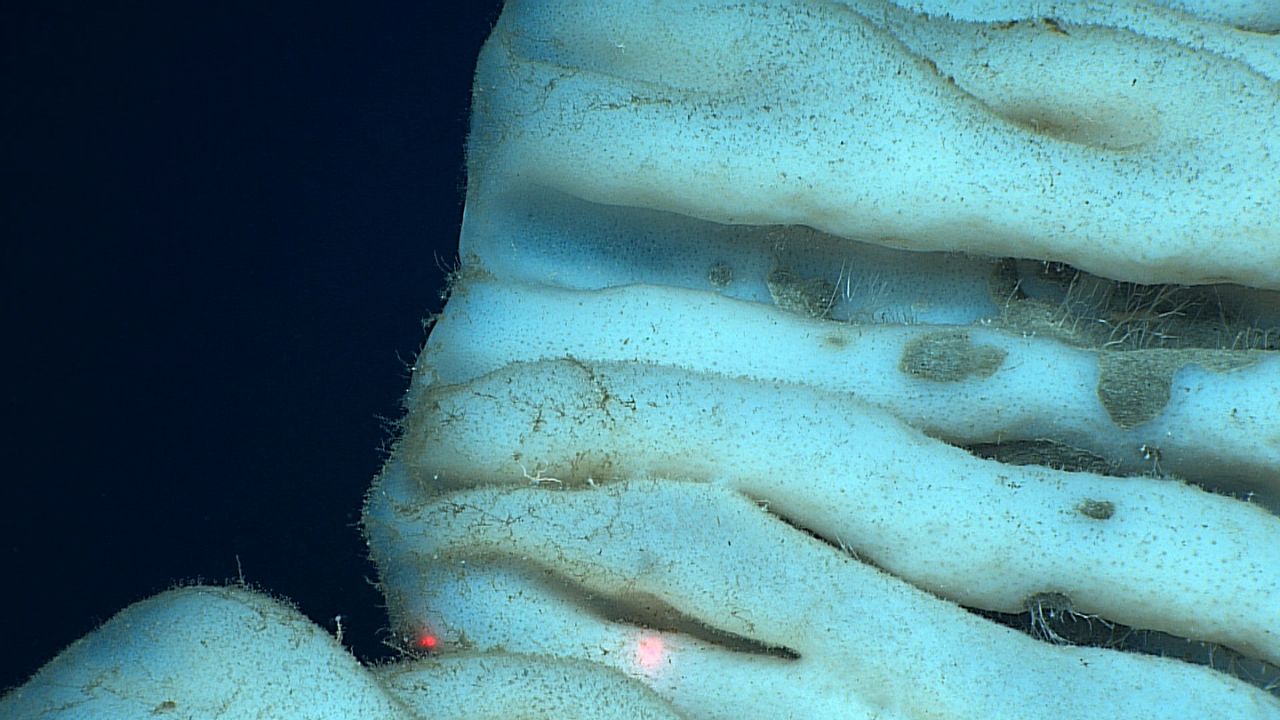
The sponge was determined to be over 3.5 m in length, 2.0 m in width and 1.5 m in height (or roughly the size of a mini-van), exceeding the dimensions of the largest sponge previously known, which was found in shallow waters (<25 m) off western Canada. This rare sponge, with a bluish-white color and brain-like appearance, was found 2100 m (roughly 1.5 miles) below the sea surface, and  stunned scientists with its size when it appeared in the remote cameras attached to their underwater rovers. 
Close-up of a large hexactinellid sponge found in Papahānaumokuākea Marine National Monument (Photo credit: NOAA's Office of Exploration and Research)
Close-up of a large hexactinellid sponge found in Papahānaumokuākea Marine National Monument
(Photo credit: NOAA’s Office of Exploration and Research)

While not much is known about the lifespan of sponges, some massive species found in shallow waters are estimated to live for more than 2300 years, leading the researchers on this project to wonder just how old some of these undiscovered deep sea organisms can be. The discovery of this enormous old sponge, underscores the importance of marine sanctuaries for preservation, and the necessity of both deep sea exploration and conservation. Several marine sponges are known to attain massive sizes (though as it currently stands this sponge is the largest), and are critical for ocean health through their ability to filter large amounts of seawater, and provide critical habitat for other sea life (similar to coral reefs).

This is a cool and important finding for deep sea conservation and ecology. You can read the original article published in Marine Biodiversity.


Share this:

  • Click to share on Bluesky (Opens in new window) Bluesky
  • Click to share on Facebook (Opens in new window) Facebook
  • Click to share on Reddit (Opens in new window) Reddit
  • Click to share on Threads (Opens in new window) Threads
  • Click to share on WhatsApp (Opens in new window) WhatsApp
  • Click to share on Mastodon (Opens in new window) Mastodon

Related

Tags: enormous sponge giant sponge large sponge NOAA Okeanos Okeanos Explorer Papahānaumokuākea

Post navigation

❮ Previous Post: Title is the new abstract
Next Post: The Importance of Scientific Discovery and Communication for a General Science Audience ❯

You may also like

Uncategorized
Asian carp, airguns, and cod recoveries: Thursday Afternoon Dredging: June 29th, 2017
June 29, 2017
Conservation
The red snapper controversy: Interviews with fishermen
May 31, 2010
Conservation
Protect Our Oceans: from the ground in Guam and the Commonwealth of the Northern Mariana Islands
September 5, 2017
Science
Open thread for NOAA scientists to speak freely about scientific and technical matters based on their official work without approval from the public affairs office or their supervisors.
December 8, 2011

Popular Posts

Shark scientists want their research to help save threatened species, but don’t know how. Our new paper can help.Shark scientists want their research to help save threatened species, but don’t know how. Our new paper can help.December 1, 2025David Shiffman
Norway and Cook Islands put their deep-sea mining plans on pause.Norway and Cook Islands put their deep-sea mining plans on pause.December 3, 2025Andrew Thaler
What Ocean Ramsey does is not shark science or conservation: some brief thoughts on "the Shark Whisperer" documentaryWhat Ocean Ramsey does is not shark science or conservation: some brief thoughts on "the Shark Whisperer" documentaryJuly 2, 2025David Shiffman
The Trouble with Teacup PigsThe Trouble with Teacup PigsOctober 14, 2012Andrew Thaler
2025: My year in writing, public speaking, and media interviews2025: My year in writing, public speaking, and media interviewsDecember 3, 2025David Shiffman
What we know we don't know: impacts of deep-sea mining on whales, dolphins, sharks, turtles, and other migratory species.What we know we don't know: impacts of deep-sea mining on whales, dolphins, sharks, turtles, and other migratory species.November 20, 2025Andrew Thaler
Urea and Shark OsmoregulationUrea and Shark OsmoregulationNovember 15, 2010David Shiffman
Shark of Darkness: Wrath of Submarine is a fake documentaryShark of Darkness: Wrath of Submarine is a fake documentaryAugust 10, 2014Michelle Jewell
How tiny satellites are tracking marine wildlifeDecember 1, 2025Andrew Thaler
Build a dirt cheap, tough-as-nails field computer in a Pelican caseBuild a dirt cheap, tough-as-nails field computer in a Pelican caseJuly 21, 2015Andrew Thaler
Subscribe to our RSS Feed for updates whenever new articles are published.

We recommend Feedly for RSS management. It's like Google Reader, except it still exists.

Southern Fried Science

  • Home
  • About SFS
  • Authors
  • Support SFS


If you enjoy Southern Fried Science, consider contributing to our Patreon campaign.

Copyright © 2025 Southern Fried Science.

Theme: Oceanly Premium by ScriptsTown