Skip to content

Southern Fried Science

Over 15 years of ocean science and conservation online

  • Home
  • About SFS
  • Authors
  • Support SFS

Fun Science FRIEDay – Gut Enzyme Turns Blood Into Type O

Posted on November 16, 2018November 16, 2018 By Kersey Sturdivant
Uncategorized

The process of blood transfusions, started in the late 19th century and perfected in the early 20th century, were a big advancement in modern medicine and the treatment of human health. Part of the improvements in this procedure was the discovery of the various blood types in humans, and how that affects how the immune system responds to and “accepts” blood transfusions. Recently, researchers from the University of British Columbia may have found a reliable way to use a bacterial enzyme from the human gut to convert any type of blood into type O – which is compatible with nearly everyone.
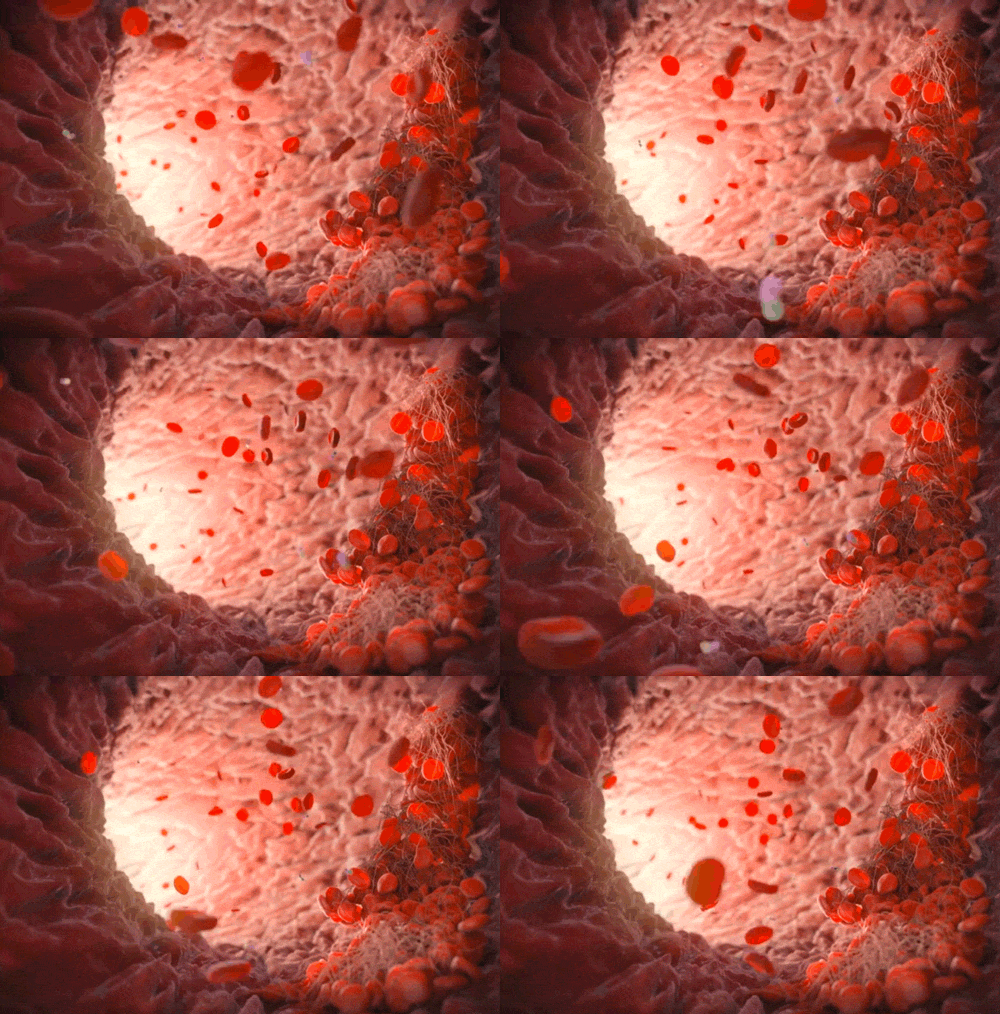
Animation of red blood cells (Photo credit: meghanmecrazy)

There are four blood types (A, B, AB, O) distinguished by the presence of antigens, which are sugars that lie on red blood cells. Type A blood has A antigens; type B blood has B antigens, type AB has both, and type O has no antigens. If you try and mix blood from two incompatible individuals (i.e. transfuse blood of different types) the immune system “rejects” the new blood by attacking and destroying the transfused blood cells. This is because, in a simplistic sense, the immune system is designed to recognize antigens on native red blood cells and combat any blood cells that have different antigens. It is because of these mechanics people with type O blood are considered universal donors (type O blood doesn’t have the antigens to trigger an immune response from someone with a different blood type), and people with type AB blood are considered universal receivers (type AB blood contains both antigens so the immune response does not “reject” any blood type). This is a simplistic presentation of how blood dynamics works that is not accounting for things like the Rh factor.
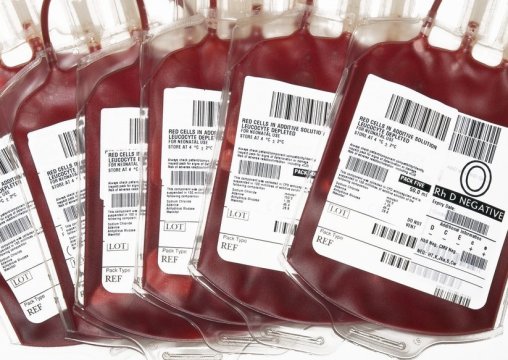
(Photo Credit: © dazzi-b / Fotolia)

Because of the dynamics between blood type and immune response, it’s easy to see the value in being able to convert other blood types into type O blood. The gut microbes used in this advancement are really effective at breaking down sugars found on proteins in the intestine. The processes by which they break these intestinal sugars down is fundamentally similar to removing the antigens found on red blood cells (antigens are also sugary); through this approach type AB, A or B blood would be converted into type O.

Though this approach is not ready for primetime just yet, once affirmed, refined, and scaled, it is a potential game-changer for blood transfusions.

Below is a really concise video explaining the process:

Happy FSF!


Share this:

  • Click to share on Bluesky (Opens in new window) Bluesky
  • Click to share on Facebook (Opens in new window) Facebook
  • Click to share on Reddit (Opens in new window) Reddit
  • Click to share on Threads (Opens in new window) Threads
  • Click to share on WhatsApp (Opens in new window) WhatsApp
  • Click to share on Mastodon (Opens in new window) Mastodon

Related

Tags: antigens blood transfusion blood type immune system universal donor

Post navigation

❮ Previous Post: Apple’s war on repair, mining the deep sea, reflecting on the mid-terms, (not) repelling sharks, and more! Monday Morning Salvage: November 12, 2018.
Next Post: LarvaBots, turning the tide on captive dolphins, horror fish from the deep sea, ARA San Juan found, and more! Monday Morning Salvage: November 19, 2018. ❯

You may also like

Uncategorized
Fun Science FRIEDay – Virus be good!
November 6, 2015
Uncategorized
Fun Science FRIEDay – The Emperor of all Maladies
January 24, 2020

Popular Posts

Shark scientists want their research to help save threatened species, but don’t know how. Our new paper can help.Shark scientists want their research to help save threatened species, but don’t know how. Our new paper can help.December 1, 2025David Shiffman
Norway and Cook Islands put their deep-sea mining plans on pause.Norway and Cook Islands put their deep-sea mining plans on pause.December 3, 2025Andrew Thaler
What Ocean Ramsey does is not shark science or conservation: some brief thoughts on "the Shark Whisperer" documentaryWhat Ocean Ramsey does is not shark science or conservation: some brief thoughts on "the Shark Whisperer" documentaryJuly 2, 2025David Shiffman
2025: My year in writing, public speaking, and media interviews2025: My year in writing, public speaking, and media interviewsDecember 3, 2025David Shiffman
What we know we don't know: impacts of deep-sea mining on whales, dolphins, sharks, turtles, and other migratory species.What we know we don't know: impacts of deep-sea mining on whales, dolphins, sharks, turtles, and other migratory species.November 20, 2025Andrew Thaler
The Trouble with Teacup PigsThe Trouble with Teacup PigsOctober 14, 2012Andrew Thaler
Urea and Shark OsmoregulationUrea and Shark OsmoregulationNovember 15, 2010David Shiffman
How tiny satellites are tracking marine wildlifeDecember 1, 2025Andrew Thaler
Shark of Darkness: Wrath of Submarine is a fake documentaryShark of Darkness: Wrath of Submarine is a fake documentaryAugust 10, 2014Michelle Jewell
What is a Sand Shark?What is a Sand Shark?November 12, 2017Chuck Bangley
Subscribe to our RSS Feed for updates whenever new articles are published.

We recommend Feedly for RSS management. It's like Google Reader, except it still exists.

Southern Fried Science

  • Home
  • About SFS
  • Authors
  • Support SFS


If you enjoy Southern Fried Science, consider contributing to our Patreon campaign.

Copyright © 2025 Southern Fried Science.

Theme: Oceanly Premium by ScriptsTown