Skip to content

Southern Fried Science

Over 15 years of ocean science and conservation online

  • Home
  • About SFS
  • Authors
  • Support SFS

Norway and Cook Islands put their deep-sea mining plans on pause.

Posted on December 3, 2025 By Andrew Thaler
Conservation, Exploration, Featured, Policy

In the last month, two major players in the development of the deep-sea mining industry have put their plans on pause, calling for more research and less urgency in the race to the bottom.

In November, the Cook Islands opted to extend their current exploration programs for an another five years, giving contractors and scientists more time to understand the environmental consequences of mining their polymetallic nodule fields. The Cook Island has been one of the leading voice in pushing deep-sea mining forward. They were among the first few countries to establish a Seabed Minerals Authority and create national deep-sea mining regulations.

Three mining companies were issued exploration licenses in 2022. The Cook Islands SBA determined that none of those three companies had adequately completed their plan of work and would need to apply for additional 5-year exploration licenses in 2027. This effectively pushed back the earliest start date for deep sea mining in the Cook Islands to 2032.

The announcement comes on the heals of the phenomenal EV Nautilus Expedition to the Cook Islands, which documented the diverse and abundant life found among these nodule fields.

Today, Norway announced that they, too, would postpone any issuing of deep-sea mining exploration licenses in Norwegian waters for four years. Norway made waves at the beginning of 2024 when it announced that they would begin issuing mining licenses for seafloor massive sulphides. As 2024 came to a close, they back-tracked thanks to a parliamentary budget deal. Norway’s own deep-sea mining company, Loke Marine Minerals, declared bankruptcy earlier this year.

This new pause is, again, thanks to a budget negotiation in parliament, with an agreement reach that no deep-sea mining licenses would be granted during the current legislative term, which runs through 2029. This effectively pauses the development of deep-sea mining in Norwegian waters until 2030.


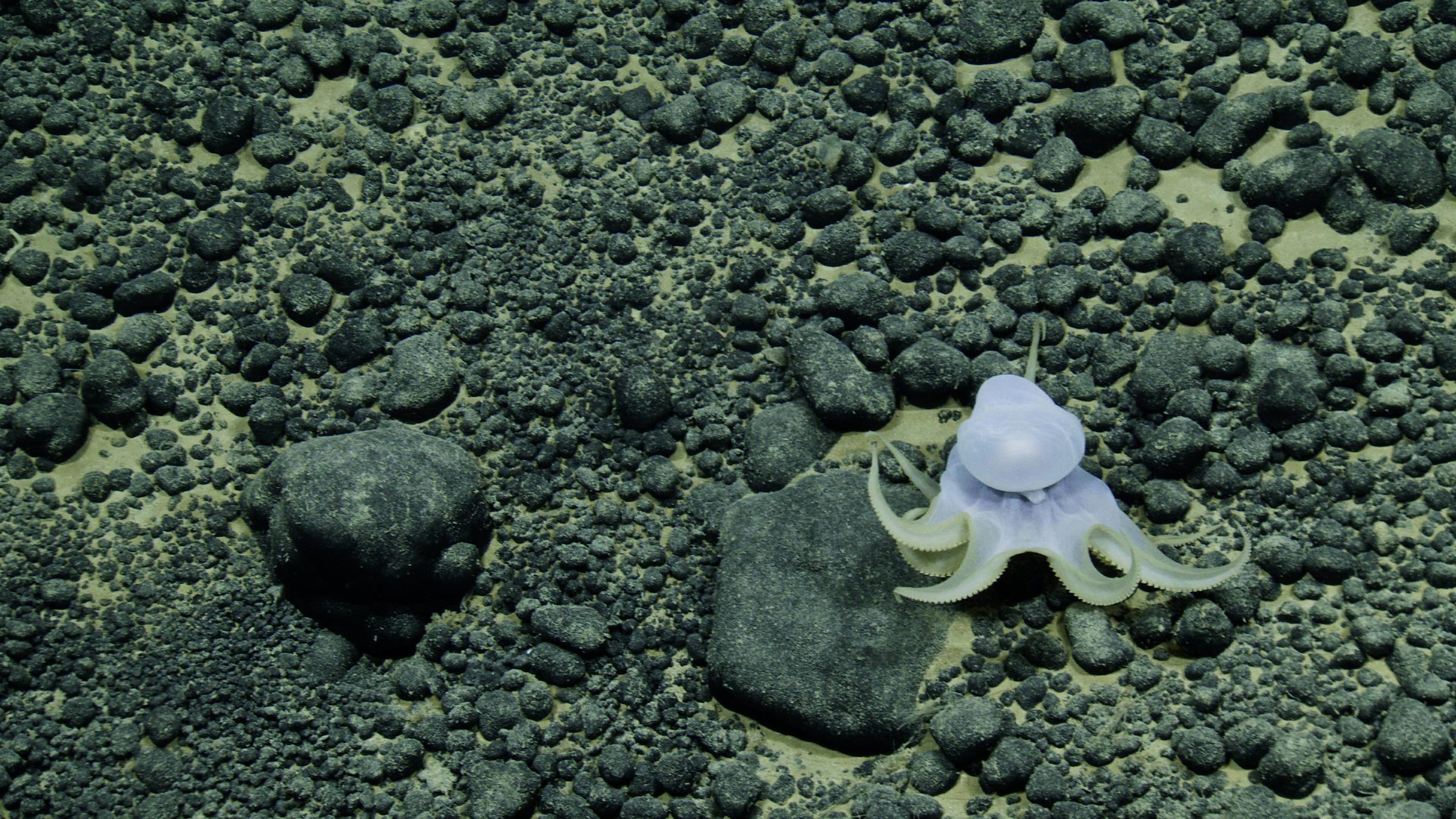
Featured Image: Casper Octopus gliding across the seafloor, courtesy Ocean Exploration Trust


Southern Fried Science is free and ad-free. Southern Fried Science and the OpenCTD project are supported by funding from our Patreon Subscribers. If you value these resources, please consider contributing a few dollars to help keep the servers running and the coffee flowing. We have stickers.

Share this:

  • Share on Bluesky (Opens in new window) Bluesky
  • Share on Facebook (Opens in new window) Facebook
  • Share on Reddit (Opens in new window) Reddit
  • Share on Threads (Opens in new window) Threads
  • Share on WhatsApp (Opens in new window) WhatsApp
  • Share on Mastodon (Opens in new window) Mastodon

Related

Tags: cook islands deep-sea mining Norway

Post navigation

❮ Previous Post: 2025: My year in writing, public speaking, and media interviews
Next Post: That’s not a blobfish: Deep Sea Social Media is Flooded by AI Slop ❯

You may also like

Weekly Salvage
Bone-eating zombie worms, octopus overlords, old wooden ships and new woes for deep-sea mining. It’s the Monday Morning Salvage! January 1, 2018.
January 1, 2018
Exploration
First live video of a colossal squid highlights one of the most exciting knowledge gaps in deep ocean exploration
April 28, 2025
Science
Two Years of Deep-sea Mining in Review: A 3-decade-long disturbance study on the deep abyssal plain.
March 17, 2022
Policy
Deep-sea Mining, Domestic Cats, Star Trek, and Ocean Exploration: Andrew’s mid-year podcast round-up.
June 6, 2026

Popular Posts

At least 74 practicing shark researchers: How a silly thing I said online raised thousands for conservationAt least 74 practicing shark researchers: How a silly thing I said online raised thousands for conservationFebruary 26, 2025David Shiffman
Why the new Trump order to shoot wolves is both illegal and a dreadful precedent for endangered speciesWhy the new Trump order to shoot wolves is both illegal and a dreadful precedent for endangered speciesSeptember 5, 2026Ali Gaster
Severely injured great white shark found, are scientists responsible?Severely injured great white shark found, are scientists responsible?March 29, 2011David Shiffman
5 things I learned helping to reassess the global conservation status of every species of tuna and billfish5 things I learned helping to reassess the global conservation status of every species of tuna and billfishSeptember 15, 2026David Shiffman
Getting a sense of porpoiseJanuary 20, 2009Andrew Thaler
How to build a canoe from scratch on a graduate student stipendHow to build a canoe from scratch on a graduate student stipendApril 17, 2010Andrew Thaler
That's not a blobfish: Deep Sea Social Media is Flooded by AI SlopThat's not a blobfish: Deep Sea Social Media is Flooded by AI SlopDecember 19, 2025Andrew Thaler
The Trump Administration’s latest attack on endangered speciesThe Trump Administration’s latest attack on endangered speciesSeptember 17, 2026Ali Gaster
What is a Sand Shark?What is a Sand Shark?November 12, 2017Chuck Bangley
What Ocean Ramsey does is not shark science or conservation: some brief thoughts on "the Shark Whisperer" documentaryWhat Ocean Ramsey does is not shark science or conservation: some brief thoughts on "the Shark Whisperer" documentaryJuly 2, 2025David Shiffman
Subscribe to our RSS Feed for updates whenever new articles are published.

We recommend Feedly for RSS management. It's like Google Reader, except it still exists.

Southern Fried Science

  • Home
  • About SFS
  • Authors
  • Support SFS


If you enjoy Southern Fried Science, consider contributing to our Patreon campaign.

Copyright © 2026 Southern Fried Science.

Theme: Oceanly Premium by ScriptsTown