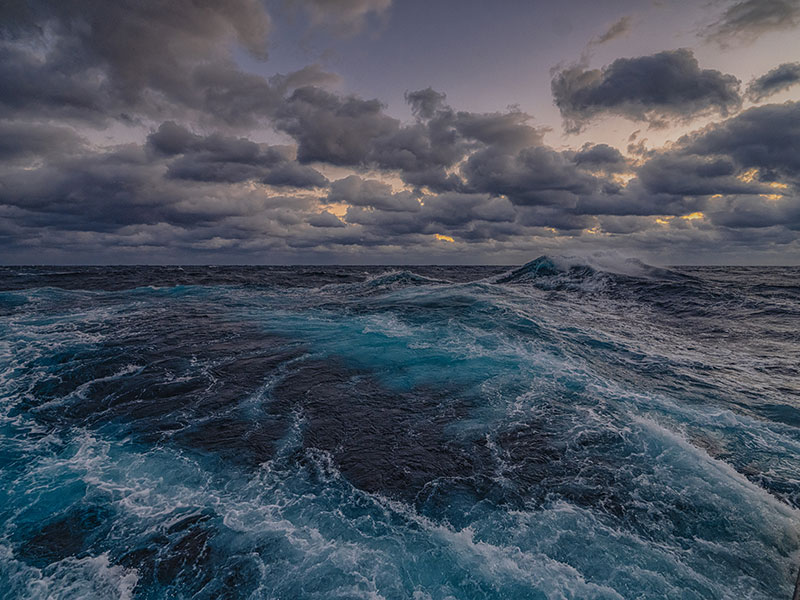
This week is National Oceans week. One of the main events in Washington DC is Capitol Hill Ocean Week (or CHOW). This two-day event, sponsored by the U.S. Government, brought policymakers, scientists, and conservationists together for policy discussions, networking, and raising awareness about ocean issues.
I went to the event two years ago, and at that meeting would find a U.S. ocean conservation apparatus that, while imperfect, was actively tracking climate baselines and pushing toward the global “30×30” marine protection goal. Inclusion and environmental justice in ocean governance was also a major theme, as was transitioning to renewable energy (in particular offshore wind). Climate change and its threats to ocean ecosystems and coastal communities was also in everyone’s mind. The following year, myself and colleagues could barely bear to sit through the first morning’s speeches, as agencies toed the Administration’s line. In addition, the massive losses of Governmental ocean staff were also very apparent, with many attendees clutching resume’s desperately hoping to find jobs at the event. We decided that our time would be better spent in the pub.
In 2026, what is the point in attending at all. The ocean science landscape looks like a category-five budget hurricane just made landfall. Through a relentless combination of workforce gutting, targeted slashes to climate programs, and an outright war on data, federal ocean management has hit a dangerous low. Let’s look at the numbers.
The $1.1 billion sledgehammer
The most glaring shift between 2024 and 2026 is the literal de-funding of marine science. In 2024, congress was debating how to expand coastal protections. Today, the National Oceanic and Atmospheric Administration (NOAA) is facing down a proposed $1.1 billion budget cut. This is a staggering 17% overall decrease from its previous operating baseline. When you bleed an agency that heavily, you aren’t trimming fat; you are hacking off limbs. The cuts target the foundational building blocks of how we understand our waters:
NOAA Fisheries lost more than 400 staff positions last year alone. The current 2026 budget proposals aim to eliminate over 1,000 additional jobs. Less staff means fewer people keeping an eye on illegal fishing, tracking endangered species, or reviewing offshore environmental impact assessments. A $77 million reduction has been proposed specifically for fisheries management and science programs.
The administration is also pushing to completely dismantle climate-change research within the Office of Oceanic and Atmospheric Research (OAR).
The “what you don’t know can’t hurt you” approach to fisheries
Two years ago, the primary complaint from ocean NGOs was that the government didn’t have enough data to effectively manage 50% of U.S. fish populations, leaving 47 stocks classified as overfished. Instead of fixing the data gaps, the 2026 strategy seems to be ensuring we never get the data at all. Current executive proposals want to slash the NOAA Fisheries budget by 41% compared to its 2026 enacted levels, aiming to strip out nearly all of its protected species and habitat conservation functions.
Without robust stock assessments, quota monitoring, and observer coverage, we cannot sustainably manage commercial catches. We are actively choosing to blindfold ourselves and just hope that our commercial fleets don’t accidentally collapse vulnerable ecosystems.
Global impacts
This isn’t just a line-item budget squabble in Washington D.C. It has immediate, dangerous consequences for people who rely on the sea. As recreational fishers on the Pacific Coast have pointed out, losing NOAA-funded tools like the NANOOS NVS Fishers app (which relies directly on federal ocean data grids) compromises basic maritime safety. When you cut funding for tracking long ocean swells and changing weather patterns, the ocean becomes fundamentally less safe, and people die.
Furthermore, ecosystems like the Blake Plateau (the largest cold-water coral reef on Earth, located right off the southeastern coast) are increasingly left vulnerable as environmental protection regulations face regression to open up the seafloor for commercial extraction and deep-sea mining.
The bottom line
In 2024, the United States was arguing about whether its marine protected areas were strict enough. In 2026, we are fighting just to keep the lights on at the labs that monitor whether the water is becoming too acidic for fish to survive. Ocean conservation is never just about the science, it is fundamentally political. Right now, political choices are actively trading away the long-term health of our oceans for short-term budget slashes. If we don’t reverse course, we won’t just be managing a dwindling resource, we’ll be guessing at it in the dark.

As an early-grad student level ocean researcher, I can see that cutting down positions and funding doesnt just destabalzie current research, it will prevent people like me from even having a chance in pursuing the career path at all. It seems like certain research areas might be completely silenced so suddenly. It’s shocking and honeslty a bit jarring to read about the differences between just two years ago and now. It makes me wonder how we can effecitlvy track the loss of support in certain research areas, so we might know where efforts should be concetrated with newly aquired resources later on.