Skip to content

Southern Fried Science

Over 15 years of ocean science and conservation online

  • Home
  • About SFS
  • Authors
  • Support SFS

Category: Climate change

A decade after #DrownYourTown, I’m still making sea level rise personal.

Posted on May 25, 2023 By Andrew Thaler
Climate change

Ten years ago, I launched a strange little project called Drown Your Town. The premise behind Drown Your Town was simple: I created a little macro in Google Maps that allowed you to superimpose a floodwater layer on top of 3D renders of communities. It was a quick and dirty way to demonstrate sea level rise in an era where those kinds of bespoke models were hard to generate. With #DrownYourTown, anyone, anywhere could simulate sea level rise in their own back yard.

It wasn’t originally going to be an outreach tool. I was writing a science fiction novel about life in a post-climate change world and needed an easy way to visualize places in the stories might look like. The book is still available, on Amazon, along with two other novellas that I wrote, though I warn you, none of them are very good (in my defense, it was the high water mark for self-publishing ebooks and I was still trying to figuring out what my post-academic career would be).

We pushed out the app, launched a successful tumblr page where folks could request sea level rise models, initiated what remains to this day my most successful Twitter campaign of all time, and spent the next year helping people visualize sea level rise in their communities.

We learned a lot about climate change outreach from DrownYourTown.

Read More “A decade after #DrownYourTown, I’m still making sea level rise personal.” »

What the hell is the DC Metro’s “climate change will increase shark bites” ad talking about? An investigation

Posted on January 14, 2020January 14, 2020 By David Shiffman
Blogging, Climate change

Ever since I moved to Washington, DC last summer, I’ve been fascinated by an ad campaign for the DC Metro. The premise of the campaign is simple: taking public transit reduces your carbon footprint compared with driving yourself. It highlights various negative consequences of climate change, and points out how riding the Metro can help fight them.

Many of these ads highlight well-known consequences of climate change:

Photos by David Shiffman

Others highlight less well-known consequences of climate change, but are still on solid scientific ground:

Photo via DC Metro twitter account

But one ad in particular has been perplexing me for months:

Read More “What the hell is the DC Metro’s “climate change will increase shark bites” ad talking about? An investigation” »

Help the Victims of Typhoon Yutu

Posted on October 29, 2018November 6, 2018 By Angelo Villagomez
Climate change

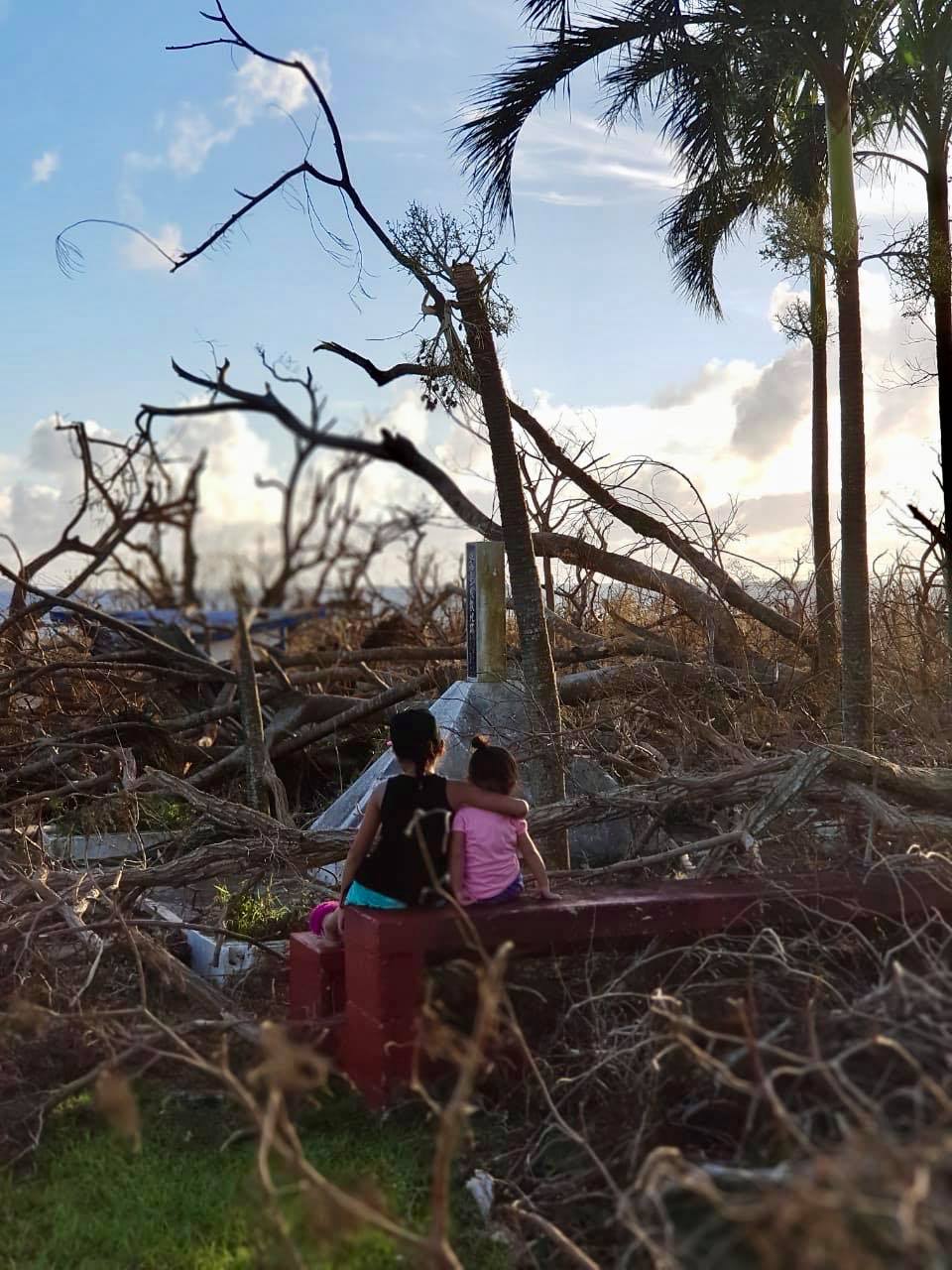
Photo credit: Nicole Cabrera

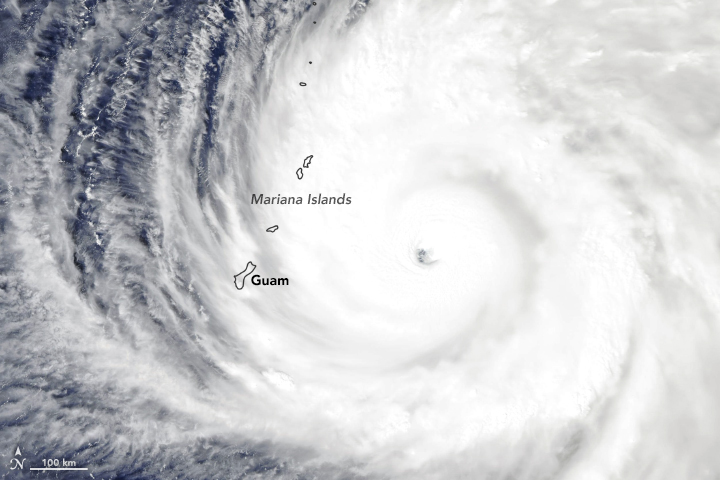
On Thursday, October 25, Super Typhoon Yutu slammed into my home islands of Saipan and Tinian packing sustained winds of 178 miles per hour.  The storm resulted in one fatality and widespread destruction.  Friends and family have lost everything.

Andrew Thaler and I would like to reach out to the Southern Fried Science community of readers to ask your support in helping our friends and family in the the islands with relief efforts (Andrew has conducted OpenROV workshops in the region and has helped with efforts to confer UNESCO World Heritage and National Marine Sanctuary status on the Mariana Trench).

You can help by:

SPREADING THE WORD

The easiest way for you to help, and it doesn’t cost anything, is to share this blog on social media so that more eyes are reading this call for help.  Please use the hashtags #SuperTyphoonYutu and #YutuRelief.  Also, please share other people’s photos and stories on social media (you can find them using the hashtags).  Finally, you can help spread the word by sharing news stories. Here are some from CNN, NPR, USA Today, Washington Post.  Civil Beat also has a post with lots of photos of the destruction.  Again, please use the hashtags.

DONATING

The Pacific Daily News, the newspaper of record on Guam, has a list of ways readers can help the victims.  There is also a website yuturelief.com, that looks like it is run by various members of our diaspora.  I encourage you to read both websites and see what method of donating works best for you.  Here are a few others:

Read More “Help the Victims of Typhoon Yutu” »

Is a Changing Environment Bringing Baby Bull Sharks to North Carolina?

Posted on April 16, 2018April 16, 2018 By Chuck Bangley 4 Comments on Is a Changing Environment Bringing Baby Bull Sharks to North Carolina?
Climate change

Marine environments are typically considered more open than those on land when it comes to animal movement. On land, the range of a species can be limited by geographic features like mountain ranges, canyons, rivers, and anything else that might get in the way. In the ocean, however, actively swimming animals like, say, large sharks have few physical barriers and may instead be restricted by their own environmental preferences. This is why in unusually warm summers you might see tropical fishes in southern New England. Because of this, one of the anticipated consequences of warming ocean temperatures is shifting distributions of mobile and highly migratory species. Basically, changes in temperature are likely to allow marine animals to move into places they haven’t before, and if those temperature changes become consistent, these species might make regular visits or even just start staying there.

This kind of change is already happening and has been documented across a variety of marine species. Now, findings from a new paper in Scientific Reports by me and co-authors from the North Carolina Division of Marine Fisheries, Simon Fraser University, and East Carolina University show an apex predator may be joining the northward shift.

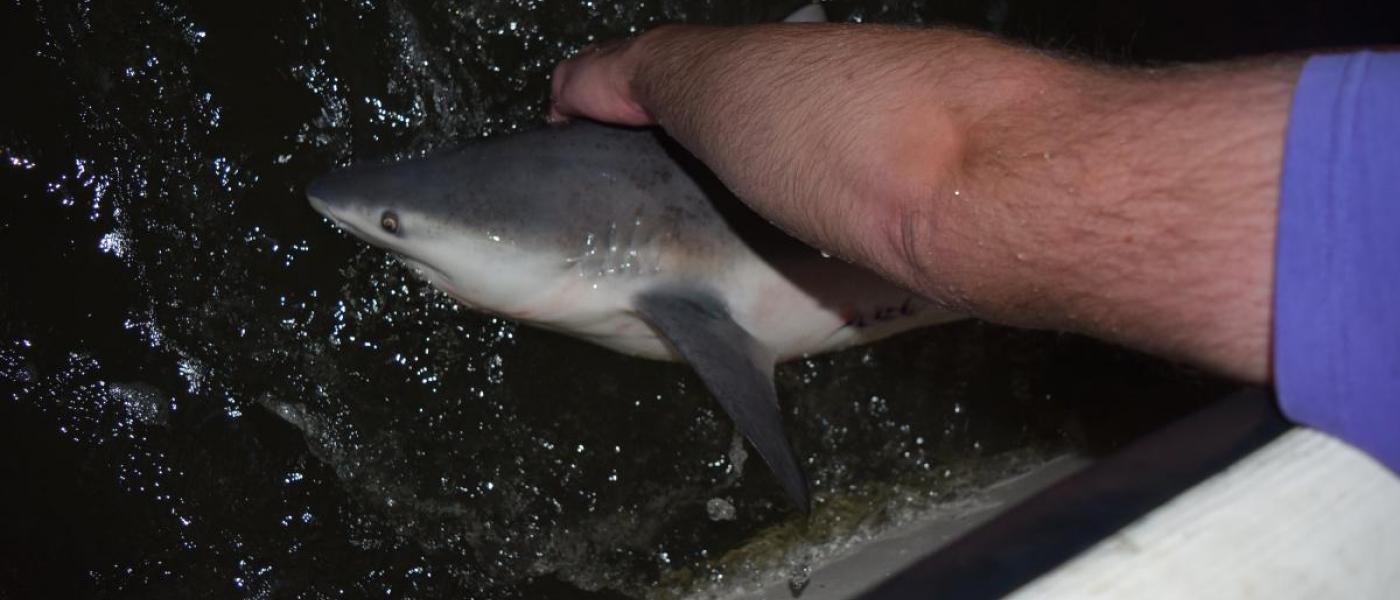
Juvenile Bull Shark captured in Pamlico Sound, North Carolina. Photo from the Smithsonian Environmental Research Center.

Read More “Is a Changing Environment Bringing Baby Bull Sharks to North Carolina?” »

Tangier, an Island out of Time.

Posted on July 3, 2017July 3, 2017 By Andrew Thaler
Climate change

Tangier Island is sinking.

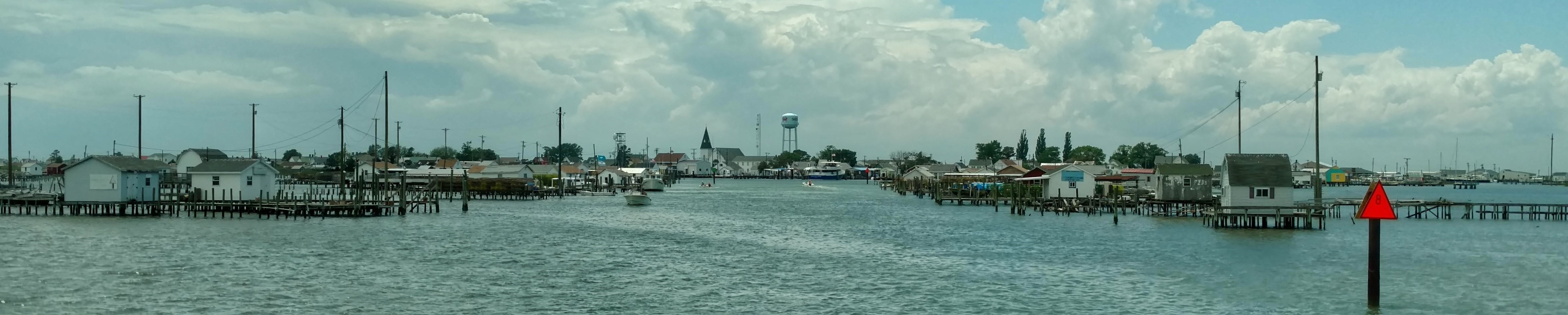
The last inhabited island on the Virginia side of the Chesapeake Bay covers barely 740 acres of marsh and sand, 1/3 of the area it had when it was first mapped in the 1850s. Tangier suffers from the dual onslaught of erosion and sea level rise. In a good year, the island loses 7 to 9 acres of land, while the westernmost beach recedes 4 meters, exposing homes, gardens, and even graves to the Chesapeake’s unrelenting waves. The town, situated on three sandy ridges, rises to a high point just 1.2 meters above sea level. As salt water incursion and erosion deplete trees and other vegetation, erosion will increase. With a conservative projection of mean sea level rise of 4.4 millimeters per year for the southern Chesapeake Bay, the highest point in town, if it manages to stave off the inexorable erosion, would be completely underwater in 270 years. Tangier will be uninhabitable centuries before that.

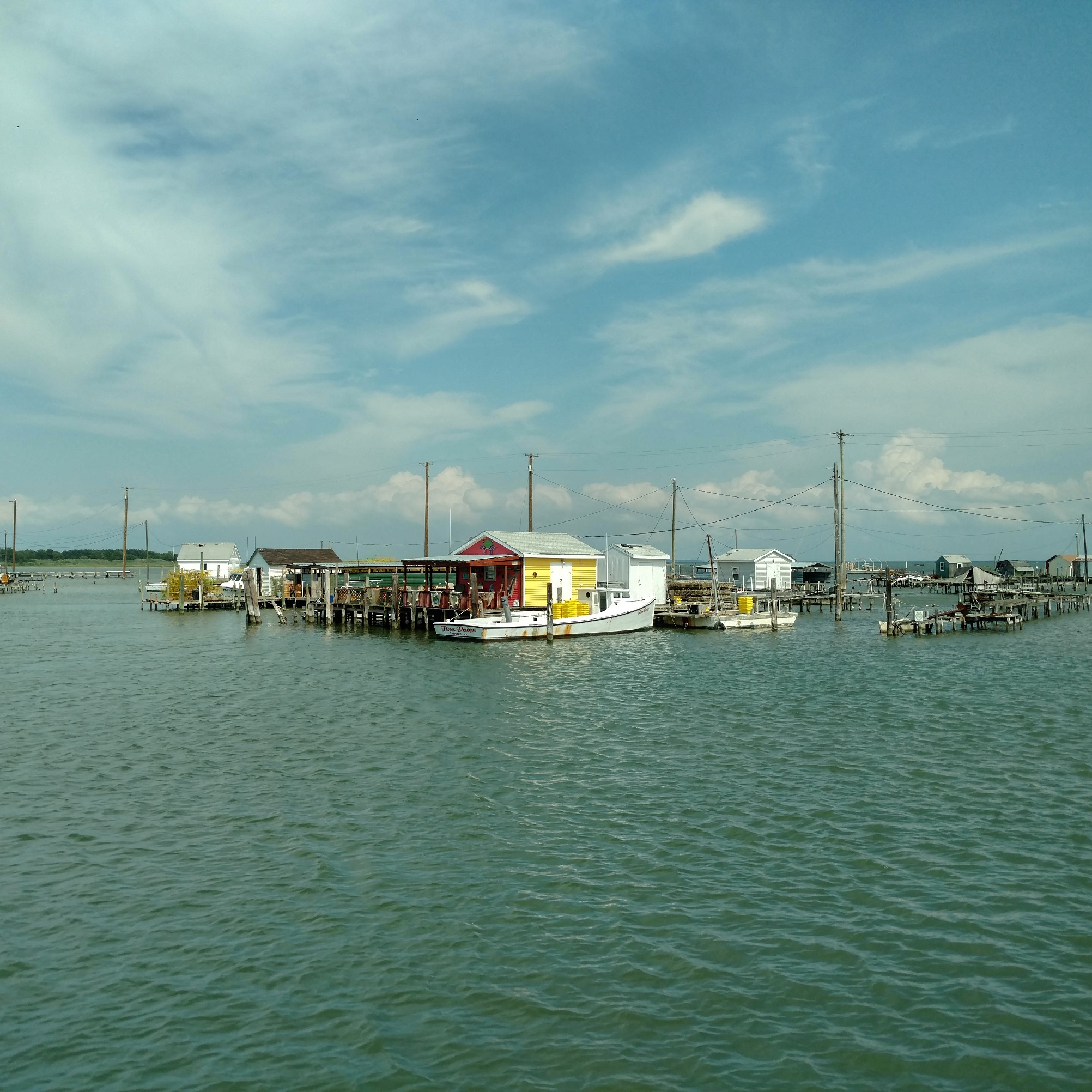
Crab shacks in the main harbor. Photo by author.

The Chesapeake Bay and mid-Atlantic coastlines are hot spots for climate change, expecting greater than average sea level rise and more frequent and intense storms. Though the residents of the conservative community on tangier are skeptical, the evidence for human-induced climate change’s impact on the island and the effect of sea level rise is undeniable. Intensifying storms and more dramatic temperature shifts have and will continue to exacerbate erosion. Many residents believe that, had Hurricane Sandy made landfall over the Chesapeake Bay, rather than further north, Tangier would already be largely abandoned. Even the glancing blow from Sandy left significant damage in its wake.

One big storm could spell the end for this 350-year-old community.

Read More “Tangier, an Island out of Time.” »

The call of the Chthulucene ?

Posted on March 9, 2017March 9, 2017 By Chris Parsons 1 Comment on The call of the Chthulucene ?
Climate change

We are currently in the Holocene epoch, and many of us have heard about calls to name the current era (from the industrial revolution) the Anthropocene (which dates back to at least the industrial revolution, if not before): a period when  humans change the essential nature of the planet through their activities (primarily via the production of greenhouse gases).

But what comes after the Anthropocene? Some sort of Mad Max style wasteland perhaps?

Donna Haraway (2015) proposed that there will be a new epoch, the “Chthulucene” where refugees from environmental disaster (both human and non-human) will come together .

Read More “The call of the Chthulucene ?” »

Death by Renaissance Faire

Posted on August 30, 2016September 2, 2016 By Chris Parsons 1 Comment on Death by Renaissance Faire
Climate change

I am a big fan of Renaissance Faires and Festivals – I have a sizeable collection of pirate hats, doublets and billowy shirts and even a pair of thigh-length boots that would make Blackbeard envious. But whenever I go to a Renn Faire at this time of year and see the clientele dressed up in full Tudor formal dress, I worry about their immediate expiration from massive heat stroke.

Renn Fest

Read More “Death by Renaissance Faire” »

Posts pagination

Previous 1 2

Popular Posts

That's not a blobfish: Deep Sea Social Media is Flooded by AI SlopThat's not a blobfish: Deep Sea Social Media is Flooded by AI SlopDecember 19, 2025Andrew Thaler
What Ocean Ramsey does is not shark science or conservation: some brief thoughts on "the Shark Whisperer" documentaryWhat Ocean Ramsey does is not shark science or conservation: some brief thoughts on "the Shark Whisperer" documentaryJuly 2, 2025David Shiffman
Screaming into the void - Why your scientific paper doesn’t matterScreaming into the void - Why your scientific paper doesn’t matterJune 18, 2026Chris Parsons
I can serve on your graduate thesis committee. Here’s what you can expect of me, and what I expect in return.I can serve on your graduate thesis committee. Here’s what you can expect of me, and what I expect in return.October 16, 2025David Shiffman
The story of the pride flag made from NASA imagery: Bluesky's most-liked imageThe story of the pride flag made from NASA imagery: Bluesky's most-liked imageSeptember 27, 2024David Shiffman
Ageism in the conservation job marketAgeism in the conservation job marketJune 19, 2026Chris Parsons
Shark of Darkness: Wrath of Submarine is a fake documentaryShark of Darkness: Wrath of Submarine is a fake documentaryAugust 10, 2014Michelle Jewell
What is a Sand Shark?What is a Sand Shark?November 12, 2017Chuck Bangley
Fun facts and FAQs about Megalodon, Maryland's new (and definitely extinct) official state sharkFun facts and FAQs about Megalodon, Maryland's new (and definitely extinct) official state sharkApril 15, 2026David Shiffman
Our favorite sea monsters – Ningen (#4)Our favorite sea monsters – Ningen (#4)September 7, 2010Andrew Thaler
Subscribe to our RSS Feed for updates whenever new articles are published.

We recommend Feedly for RSS management. It's like Google Reader, except it still exists.

Southern Fried Science

  • Home
  • About SFS
  • Authors
  • Support SFS


If you enjoy Southern Fried Science, consider contributing to our Patreon campaign.

Copyright © 2026 Southern Fried Science.

Theme: Oceanly Premium by ScriptsTown