Skip to content

Southern Fried Science

Over 15 years of ocean science and conservation online

  • Home
  • About SFS
  • Authors
  • Support SFS

Fun Science FRIEDay – Glaciers Lost in Time

Posted on July 29, 2016July 29, 2016 By Kersey Sturdivant
Uncategorized

Human induced climate change is real. It feels weird that I have to say that, but the overwhelming body of evidence suggest human activity post the industrial revolution is having irrevocable damage on our environment. One of the major implications of climate change is the loss of the polar glaciers (and subsequent sea level rise).

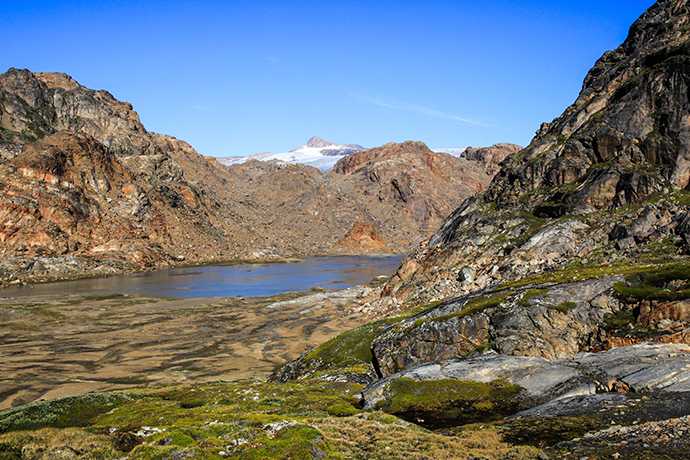
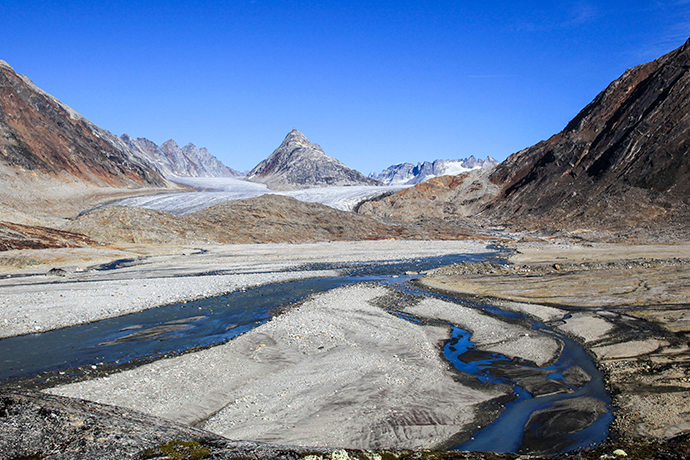
Danish researchers from the University of Copenhagen and Aarhus University photographed glaciers in east Greenland in 2010 from the same vantage point used by scientists in 1933. Below you can contrast the images from the Mittivakkat and Tunu glaciers to see how much the two glaciers have retreated due to the warming climate (Photo Credit: Natural History Museum of Denmark; Hans Henrik Tholstrup/Natural History Museum of Denmark).

The Mittivakkat Glacier
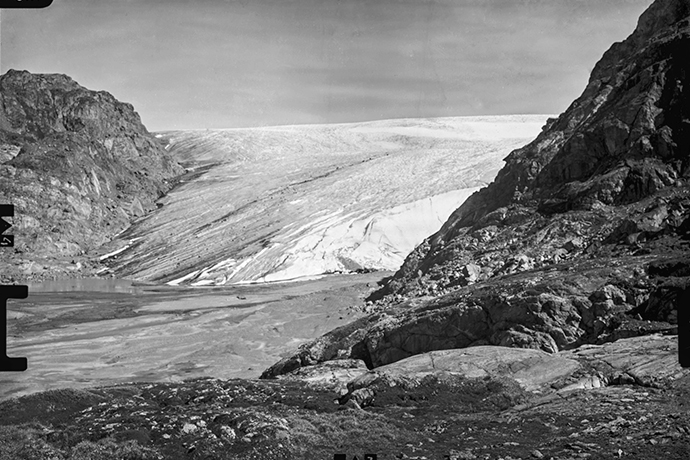
The Mittivakkat Glacier in 1933.
The Mittivakkat Glacier in 1933.


The Mittivakkat Glacier in 2010.

The Mittivakkat Glacier in 2010.

The Tunu Glacier
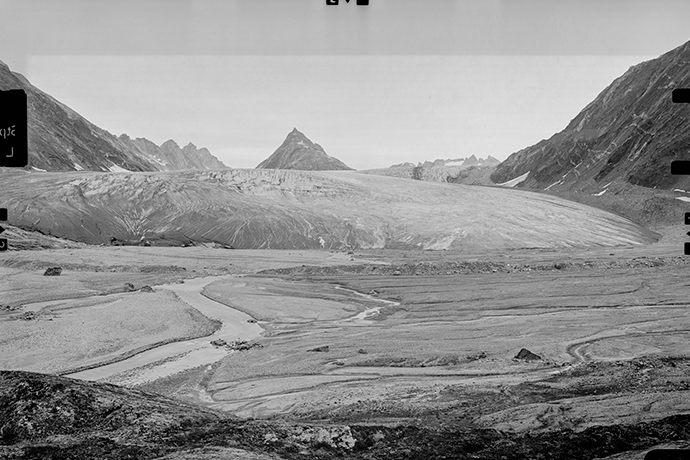
The Tunu Glacier in 1933.
The Tunu Glacier in 1933.


The Tunu Glacier in 2010.

The Tunu Glacier in 2010.


They say a picture is worth a thousand words. This glacial loss is astonishing, but even more depressing is realizing that the glacial retreat represented in these photographs is only going to continue. Much like the major damage suffered by the Great Barrier Reef earlier this year, it is sad to watch one of natures magnificent structures suffer devastation due to human negligence and irresponsibility.


A cool short video of the project to document glacial lost can be viewed below:

Share this:

  • Click to share on Bluesky (Opens in new window) Bluesky
  • Click to share on Facebook (Opens in new window) Facebook
  • Click to share on Reddit (Opens in new window) Reddit
  • Click to share on Threads (Opens in new window) Threads
  • Click to share on WhatsApp (Opens in new window) WhatsApp
  • Click to share on Mastodon (Opens in new window) Mastodon

Related

Post navigation

❮ Previous Post: Join us at the International Marine Conservation Congress!
Next Post: Everything you need to know about working in conservation you can learn from Game of Thrones ❯

Popular Posts

Shark scientists want their research to help save threatened species, but don’t know how. Our new paper can help.Shark scientists want their research to help save threatened species, but don’t know how. Our new paper can help.December 1, 2025David Shiffman
Norway and Cook Islands put their deep-sea mining plans on pause.Norway and Cook Islands put their deep-sea mining plans on pause.December 3, 2025Andrew Thaler
What Ocean Ramsey does is not shark science or conservation: some brief thoughts on "the Shark Whisperer" documentaryWhat Ocean Ramsey does is not shark science or conservation: some brief thoughts on "the Shark Whisperer" documentaryJuly 2, 2025David Shiffman
What we know we don't know: impacts of deep-sea mining on whales, dolphins, sharks, turtles, and other migratory species.What we know we don't know: impacts of deep-sea mining on whales, dolphins, sharks, turtles, and other migratory species.November 20, 2025Andrew Thaler
2025: My year in writing, public speaking, and media interviews2025: My year in writing, public speaking, and media interviewsDecember 3, 2025David Shiffman
The Trouble with Teacup PigsThe Trouble with Teacup PigsOctober 14, 2012Andrew Thaler
Urea and Shark OsmoregulationUrea and Shark OsmoregulationNovember 15, 2010David Shiffman
How tiny satellites are tracking marine wildlifeDecember 1, 2025Andrew Thaler
Shark of Darkness: Wrath of Submarine is a fake documentaryShark of Darkness: Wrath of Submarine is a fake documentaryAugust 10, 2014Michelle Jewell
Quick Tips for Graduate Student Life - Write a Book ReviewJanuary 23, 2014Andrew Thaler
Subscribe to our RSS Feed for updates whenever new articles are published.

We recommend Feedly for RSS management. It's like Google Reader, except it still exists.

Southern Fried Science

  • Home
  • About SFS
  • Authors
  • Support SFS


If you enjoy Southern Fried Science, consider contributing to our Patreon campaign.

Copyright © 2025 Southern Fried Science.

Theme: Oceanly Premium by ScriptsTown