Skip to content

Southern Fried Science

Over 15 years of ocean science and conservation online

  • Home
  • About SFS
  • Authors
  • Support SFS

Recent Posts

Here’s how to join my IMCC8 symposium, “Ocean Science Communication: What’s New and What’s Next?”
April 22, 2026
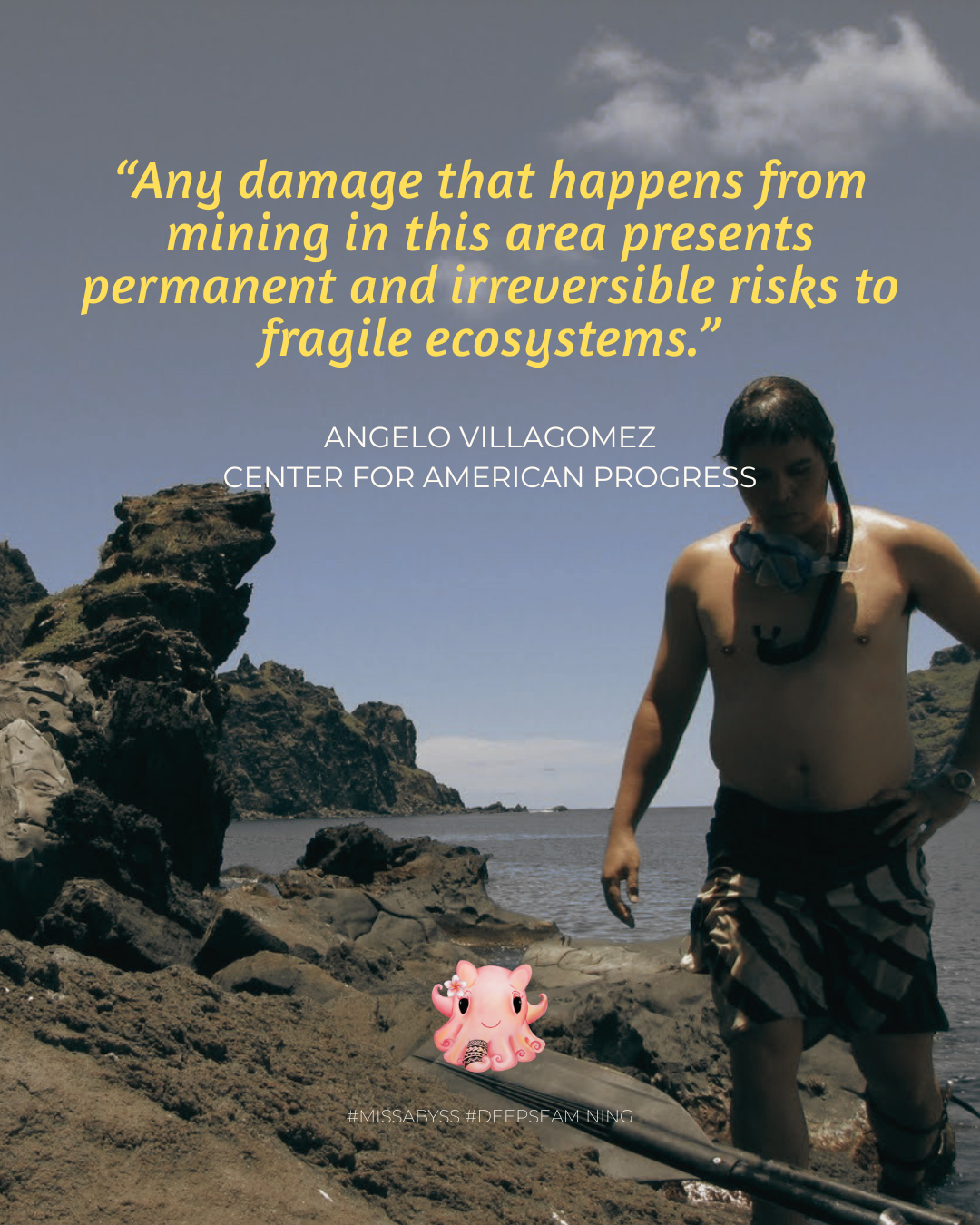
Deep Sea Mining Symposium Announcement
April 21, 2026
Join Me at Upwell: A Wave of Ocean Justice — Our Fourth Year!
March 24, 2026
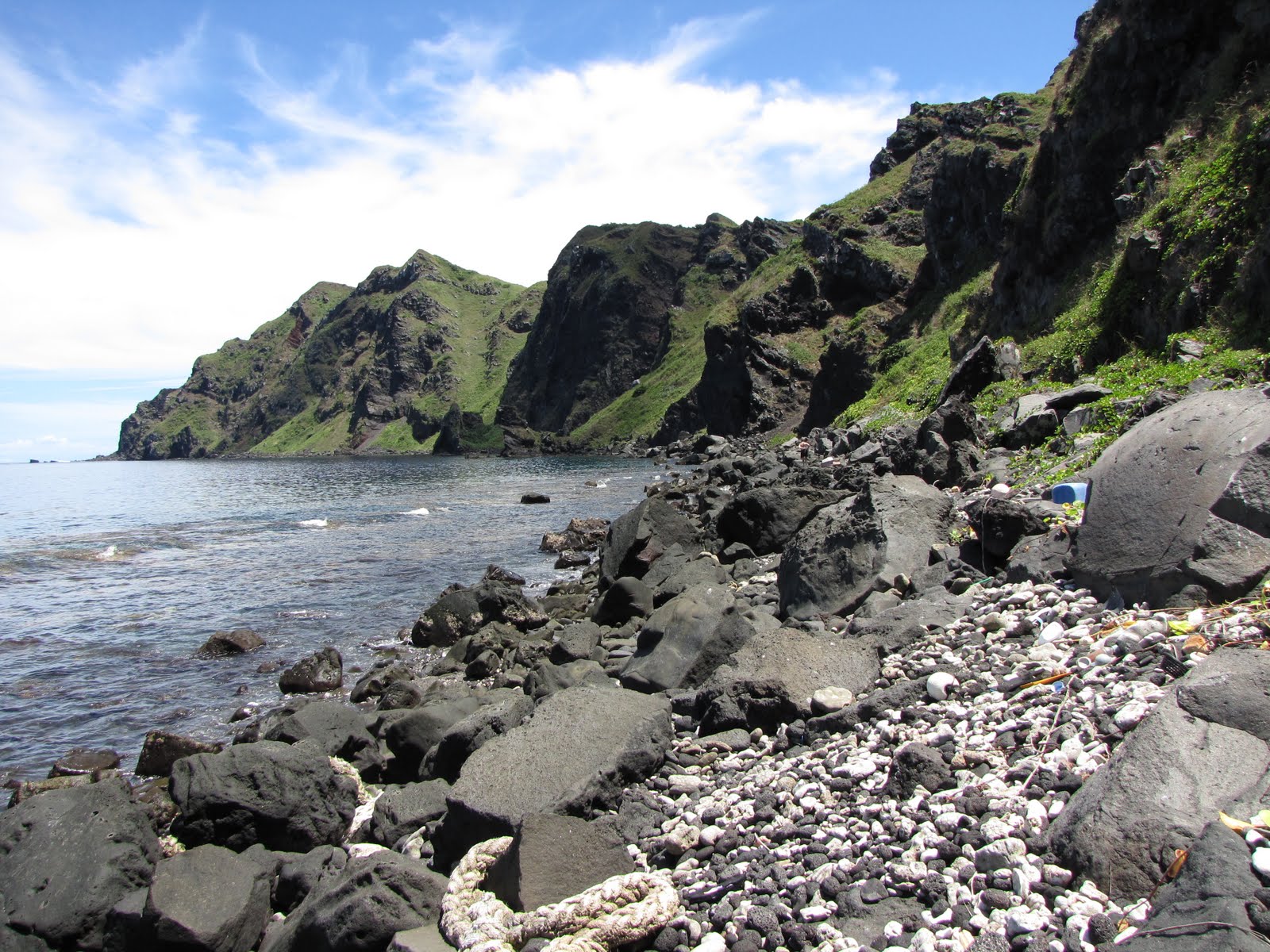
How close did the world’s first deep-sea mining come to the dredging the world’s largest cold-water coral reef?
March 17, 2026
Here are some ocean conservation technologies that I’m excited about
February 19, 2026
Walking Backwards Into the Future: Applying Indigenous Knowledge to Deep Sea Mining
February 5, 2026

Kangaroo court: an unjust criminal justice system for animals in National Parks?

Posted on June 12, 2012June 12, 2012 By David Shiffman 6 Comments on Kangaroo court: an unjust criminal justice system for animals in National Parks?
Conservation, Science

On August 25th of last year, a man was brutally killed while vacationing in Montana. An expert forensics team was called in to the scene of the crime, and quickly determined from blood patterns next to a half-eaten PowerBar that the victim had been surprised and attacked from behind while taking a break from a hike. His badly damaged body was found partially buried nearby, with wounds indicating that he tried to fight back against his attacker.

A search of the area resulted in locating hair, which was soon found to belong to a suspect in another local killing from a few weeks prior to this attack.  Footprints found at the scene were the same size as those of the suspect in the earlier killing as well. DNA samples were taken for future analysis. The suspect and her two small children were taken into custody.

The case was rapidly brought not before a jury of the suspect’s peers, but before a panel of local experts, including members of the forensics team that investigated the case. The suspect was found guilty even before all of the samples from the crime scene had been processed. The penalty was death for the suspect and life imprisonment for her children. The accused was not represented by a lawyer,  no appeals were permitted, and she was dead within a few weeks of the attack on the unfortunate tourist. Once the DNA evidence had been processed, the detection of another suspect at the scene of the crime raised some doubt that the correct individual had been taken into custody, but it was too late to stop the execution.

How could such a trial happen in the United States of America in the 21st century? We are a nation of laws! We pride ourselves on suspects being innocent until proven guilty!  The answer is simple. The now-executed suspect in this series of grisly deaths was, in fact, a grizzly herself- a grizzly bear. The series of attacks has focused public attention not just on the dangers associated with hiking in areas where large wild predators live, but on the bizarre system of pseudo-justice  used by the National Parks Service to determine what to do with animals that kill or injure humans.

Read More “Kangaroo court: an unjust criminal justice system for animals in National Parks?” »

Aquaculture in NC: Millpoint Aquaculture

Posted on June 11, 2012June 11, 2012 By Bluegrass Blue Crab 5 Comments on Aquaculture in NC: Millpoint Aquaculture
Uncategorized

Jimmy Morris is the only hatchery in North Carolina, serving aquaculture operations all along the East Coast and the state’s oyster restoration program. The process would he easy, he says, except that crops of larvae die periodically – for a variety of unknown reasons. Figuring out how to cater to the sensitivities of these shelly babies is a skill few-and-far between in the world of aquaculture and that makes his operation one of the most important businesses in both the region and the industry.

Read More “Aquaculture in NC: Millpoint Aquaculture” »

Carnivorous plants respond to increased soil nitrogen, eco-news websites completely miss the point

Posted on June 10, 2012 By Andrew Thaler 1 Comment on Carnivorous plants respond to increased soil nitrogen, eco-news websites completely miss the point
Science

Flowers of a venus flytrap. Photo by Andrew David Thaler.

Late last week, inspired by our newly flowering Venus Flytraps, I posted pictures of Amy and my carnivorous plant collection on twitter and on the Southern Fried Science Facebook page. After David’s recent post on a nurse shark that underwent major dietary changes following traumatic surgery and captivity, our wonderful readers must have been on high alert for trophic shifts following anthropogenic disturbance-type articles (or, more casually, “stuff that eats stuff now eats different stuff”), because this morning my inbox was filled with links to variations on the following article: Pollution makes carnivorous plants go vegetarian. Whenever human activity alters trophic interactions, there is potential for major ecological changes in an ecosystem. While ecosystems are dynamic, shape by continuous variation in community structure and resource and habitat variability, rapid changes can result in total collapse or permanent shifts to functional states.

Unfortunately, these “eating different stuff” articles rarely reflect the deep and nuance ecologic reality of trophic interactions and instead capitalize on the narrative of “even animals are going veggie to save the planet!” Allow me to revel in my cultural roots with a hearty “Oy vey!”

Read More “Carnivorous plants respond to increased soil nitrogen, eco-news websites completely miss the point” »

Climbing Mount Chernobyl: a repost for World Ocean Day

Posted on June 8, 2012June 10, 2012 By Andrew Thaler 2 Comments on Climbing Mount Chernobyl: a repost for World Ocean Day
Conservation, Science

Originally published on August 30th, 2011, Climbing Mount Chernobyl is one of my personal favorite posts. It feels appropriate to re-post it today for World Ocean Day.

Read More “Climbing Mount Chernobyl: a repost for World Ocean Day” »

Happy World Oceans Day!

Posted on June 8, 2012June 7, 2012 By Bluegrass Blue Crab
Uncategorized

Today, June 8th, is World Oceans Day! Get out there and let the world know how much the ocean just makes you want to dance in celebration! The Smithsonian set a fairly high bar last year with its dancing flash mob in the Sant Ocean Hall. For the less rhythmically inclined, check out what events are … Read More “Happy World Oceans Day!” »

Wednesday Morning Open Thread – an experiment

Posted on June 6, 2012 By Andrew Thaler 4 Comments on Wednesday Morning Open Thread – an experiment
Uncategorized

I’m going to try something new this summer. Every Wednesday we’ll post an open thread where you can ask questions, start discussions, post links to interesting articles, or just say “Hi”. Today’s open thread sponsored by Luna, the Nigerian Dwarf Goat.

Mermaids do not exist, and five other important things people should, but do not, know about the ocean

Posted on June 5, 2012September 2, 2013 By David Shiffman 12 Comments on Mermaids do not exist, and five other important things people should, but do not, know about the ocean
Science

Mermaids depicted by a Russian folk artist. Image courtesy Wikimedia Commons via New York Public Library

Last week, Animal Planet aired a fictional mockumentary about mermaids. From an educational perspective, it was a disaster that was rightfully described as “the rotting carcass of science television” by Brian Switek. As Dr. M on Deep Sea News pointed out, one of the troubling results of this TV special was the discovery that some people believe that mermaids are real.

When I pointed out on Facebook and twitter that mermaids do not exist and that I hoped none of my friends believe otherwise, it inspired a long and interesting discussion. Someone asked why it matters if people believe in mermaids, as they felt that a sense of whimsy among the public is a good thing. Someone pointed out that scientists are discovering amazing new species all the time. More than a few people said “anything is possible.”

Sure, scientists discover new species all the time, but while finding a new species of monkey, orchid, or jellyfish can be interesting, it is not proof that “anything is possible” and it is not the same thing as finding a species of talking, thinking humanoids with fish tails on the lower half of their bodies.  There’s a big and important difference between enjoying fantasy novels and wishing that certain fantastical creatures exist (i.e. having a sense of whimsy) and genuinely believing that those creatures really do exist.

These people don’t believe that in the vast and unexplored ocean, there may be some bizarre undiscovered species still out there. They believe that talking, thinking humanoids with fish tails on the lower half of their bodies exist and are acknowledged as existing by the scientific community. This displays a troubling lack of awareness of reality that likely is not limited to a belief in mermaids. For the benefit of those who have paid so little attention to what’s going on in the real world that they believe mermaids exist, here are five other things that you should, but likely do not, know about the oceans.

Read More “Mermaids do not exist, and five other important things people should, but do not, know about the ocean” »

North Carolina’s attempted ban on sea level rise is a boon for Global Draining researchers

Posted on May 31, 2012May 31, 2012 By Andrew Thaler 4 Comments on North Carolina’s attempted ban on sea level rise is a boon for Global Draining researchers
Science

News broke yesterday that NC-20, a lobbying group for coastal development that, among other things, thinks property owners should be allowed to dump chemical waste directly into our watersheds, is sponsoring legislation that would outlaw outlaw sea level rise. Ignoring the fact that you can’t actually sue the ocean, what they’re actually promoting is a law that would prevent the state from using any sea surface model that extrapolates future ocean trends using anything but a linear regression. Essentially, they’re making it illegal for the state to anticipate future changes to the coastline, plan and prepare for potential flooding, or restrict development on transient barrier islands.

Read More “North Carolina’s attempted ban on sea level rise is a boon for Global Draining researchers” »

The Ocean Adventure: mud, robots, and ecosystems

Posted on May 24, 2012May 29, 2012 By Andrew Thaler 2 Comments on The Ocean Adventure: mud, robots, and ecosystems
Science

We traveled to Cape Lookout Bight aboard the R/V Susan Hudson to sample sediment and test our homemade ROV. Along the way, we asked the research team to talk about their favorite marine ecosystems. httpv://www.youtube.com/watch?v=_vpX4XGNjf8 Let us know what your favorite marine ecosystems are in the comments below.

Chemistry of the Great Big Blue: A Pesticide Mystery

Posted on May 23, 2012May 23, 2012 By Bluegrass Blue Crab
Uncategorized

As part of my ongoing community-based research on water quality in coastal North Carolina, I ended up tasked with answering what I thought would be  a very basic question: what is the predominant pesticide used in my county? The largest farm and by far the largest amount of cropland is occupied by a traditional corn/soy rotation with the occasional cotton thrown in. Given the multitude of American acres donated to corn/soy, I figured I could easily find out the basics of that crop’s chemistry. Not so. My little information adventure has made me realize why there are so many rumors surrounding farming’s impact on water quality in the region. Rumors are easier to find than facts.

Read More “Chemistry of the Great Big Blue: A Pesticide Mystery” »

Posts pagination

Previous 1 … 141 142 143 … 272 Next

Popular Posts

The story of the pride flag made from NASA imagery: Bluesky's most-liked imageThe story of the pride flag made from NASA imagery: Bluesky's most-liked imageSeptember 27, 2024David Shiffman
Playing God - How the ESA "God Squad" just voted for the extinction of a uniquely American whalePlaying God - How the ESA "God Squad" just voted for the extinction of a uniquely American whaleApril 9, 2026Southern Fried Science
What Ocean Ramsey does is not shark science or conservation: some brief thoughts on "the Shark Whisperer" documentaryWhat Ocean Ramsey does is not shark science or conservation: some brief thoughts on "the Shark Whisperer" documentaryJuly 2, 2025David Shiffman
Here's how to join my IMCC8 symposium, "Ocean Science Communication: What's New and What's Next?"Here's how to join my IMCC8 symposium, "Ocean Science Communication: What's New and What's Next?"April 22, 2026David Shiffman
Our favorite sea monsters – Ningen (#4)Our favorite sea monsters – Ningen (#4)September 7, 2010Andrew Thaler
Shark of Darkness: Wrath of Submarine is a fake documentaryShark of Darkness: Wrath of Submarine is a fake documentaryAugust 10, 2014Michelle Jewell
Join Me at Upwell: A Wave of Ocean Justice — Our Fourth Year!Join Me at Upwell: A Wave of Ocean Justice — Our Fourth Year!March 24, 2026Angelo Villagomez
On the clarity of animals: the art and science of clearing and stainingOn the clarity of animals: the art and science of clearing and stainingDecember 17, 2013Guest Writer
That's not a blobfish: Deep Sea Social Media is Flooded by AI SlopThat's not a blobfish: Deep Sea Social Media is Flooded by AI SlopDecember 19, 2025Andrew Thaler
What can the funniest shark memes on the internetz teach us about ocean science and conservation?What can the funniest shark memes on the internetz teach us about ocean science and conservation?November 8, 2013David Shiffman

squishy

Subscribe to our RSS Feed for updates whenever new articles are published.

We recommend Feedly for RSS management. It's like Google Reader, except it still exists.

Southern Fried Science

  • Home
  • About SFS
  • Authors
  • Support SFS


If you enjoy Southern Fried Science, consider contributing to our Patreon campaign.

Copyright © 2026 Southern Fried Science.

Theme: Oceanly Premium by ScriptsTown