
Skip to content

Southern Fried Science

Over 15 years of ocean science and conservation online

  • Home
  • About SFS
  • Authors
  • Support SFS

Recent Posts

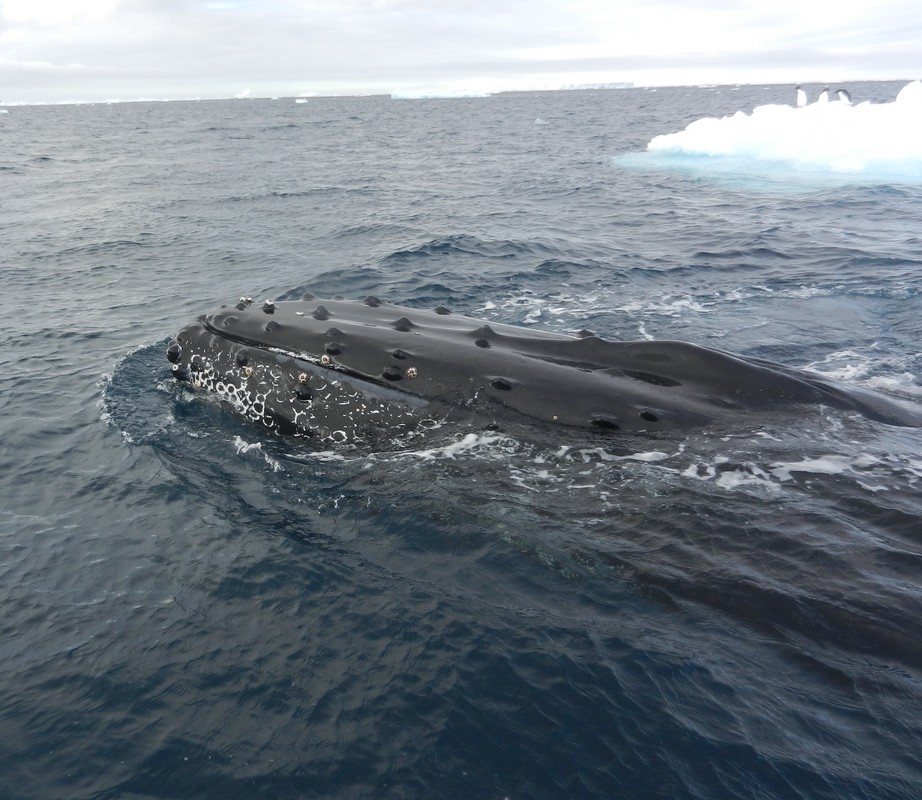
humpback whale in Antarctica
The evolution of the International Whaling Commission – from  whaling quotas to whale conservation
June 10, 2026
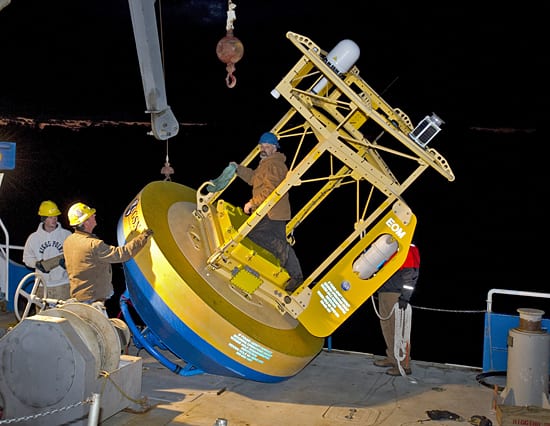
Isn’t ironic, don’t you think: dismantling the Ocean Observatories Initiative on World Oceans Day
June 9, 2026
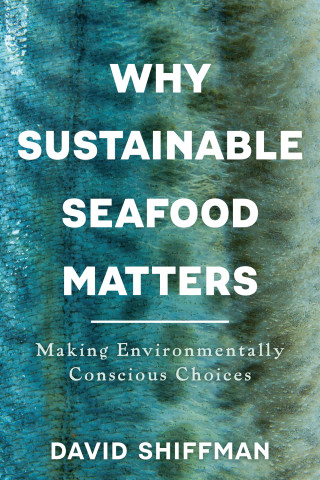
“Why Sustainable Seafood Matters” is now available for preorder! Here’s what it’s about, and why I decided to write it.
June 8, 2026
Here’s how to join my IMCC8 symposium, “Ocean Science Communication: What’s New and What’s Next?”
April 22, 2026
Deep Sea Mining Symposium Announcement
April 21, 2026
Join Me at Upwell: A Wave of Ocean Justice — Our Fourth Year!
March 24, 2026

Stem cell research, science policy, and President Bush’s book

Posted on February 24, 2011February 21, 2011 By David Shiffman
Science

At the recommendation of my parents, I’ve started reading “Decision Points”,  President Bush’s autobiography. I’ve enjoyed it more than I expected to. It paints a picture of a well-intentioned guy doing what he thought was right in tough circumstances and occasionally getting it wrong. I find this view of President Bush more appealing than either of the common liberal caricatures of him (those being either an evil genius trying to destroy the world or a bumbling idiot completely out of his depth).

Each chapter focuses on an important decision he made during his two-term Presidency. One of these concerned his stem cell research policy and made a few references to his policy towards science as a whole. Since liberals considered his science policies so bad that incoming-President Obama references “restoring science to it’s rightful place” in his inauguration speech, I was curious to hear President Bush’s side of the story.

Read More “Stem cell research, science policy, and President Bush’s book” »
Turtle science at the Archie Carr National Wildlife refuge

Posted on February 23, 2011February 23, 2011 By David Shiffman
Conservation, Science

The high density of sea turtles at the Archie Carr National Wildlife Refuge provides a  wonderful opportunity for research, and a team from the University of Central Florida takes full advantage of it. They were kind enough to allow me to tag along.

Read More “Turtle science at the Archie Carr National Wildlife refuge” »

Biodiversity Wednesday: Shortgrass Prairie

Posted on February 23, 2011February 23, 2011 By Bluegrass Blue Crab
Uncategorized

from www.tarleton.edu/

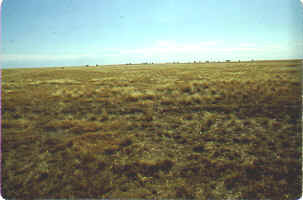
The middle of America boasts some of the best soils in the world, making it “the breadbasket of America”, if not the world. However, that soil is both a blessing and a curse – native species of grasses and the birds, bugs, and bison that depended on the area have been pushed out in favor of human food production. The ecosystem of middle America looks today like miles upon miles of rows of corn and soy, not the shortgrass prairie that once inhabited the area.

Read More “Biodiversity Wednesday: Shortgrass Prairie” »

State of the Field: Pay for that Particulate!

Posted on February 22, 2011February 22, 2011 By Bluegrass Blue Crab
Uncategorized

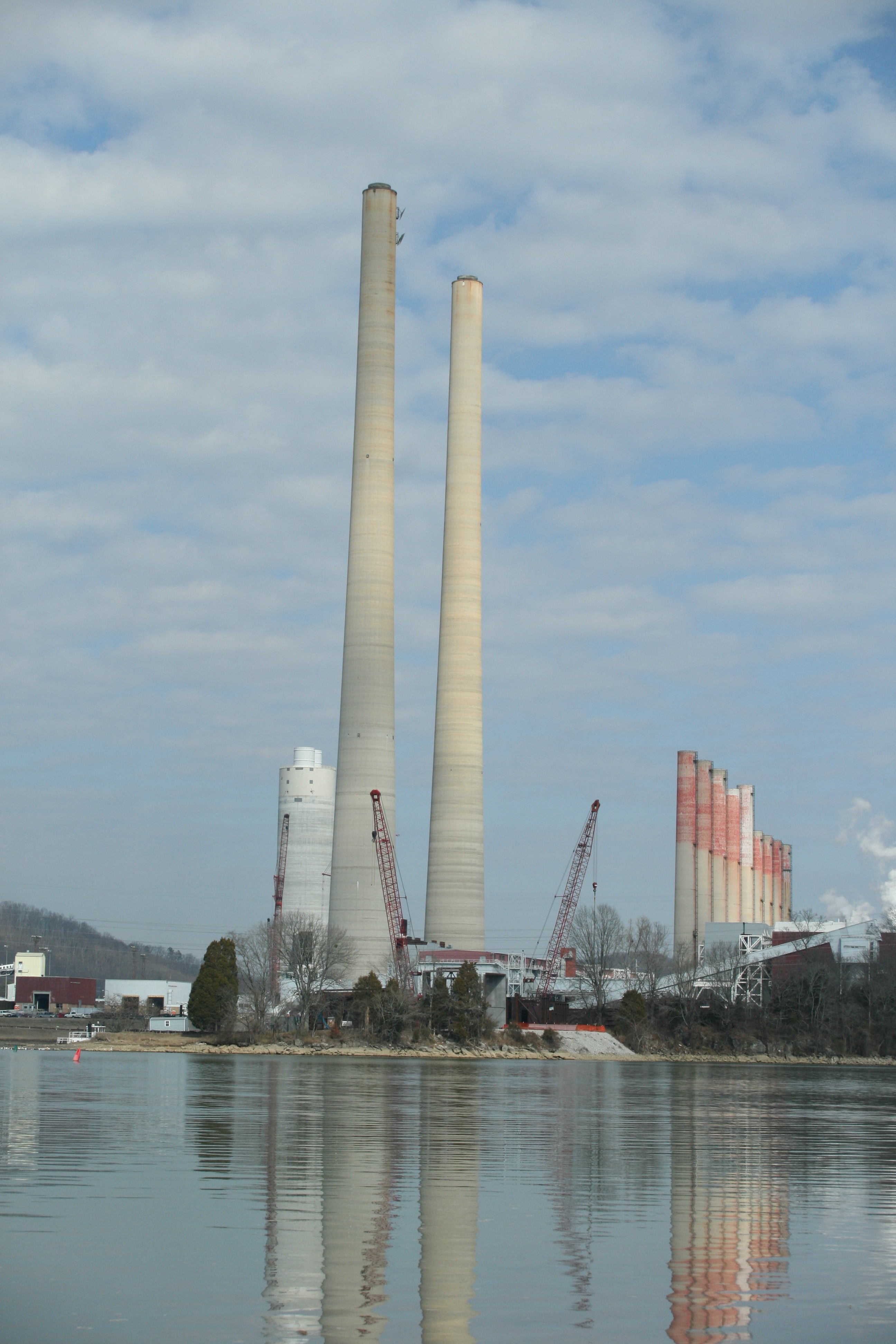
What are the true costs of power? photo by author

Ever wonder why coal-fired power is so much cheaper than the alternatives? Coal-producing communities aren’t paid for their personal health impacts, the environment is not paid for streams turned acid, and mountains are not paid for their removal. More subtle costs are also passed on: rising rates of asthma from particulates in the air, introduction of malaria into previously unaffected areas from a warming world, and the relocation of whole countries due to sea level rise.

Pollution is a classic example of an economic externality – companies choosing not to sequester chemicals in their effluent pass the cost of pollution and remediation on to those downstream. Therefore the cost of production signaled by price does not represent the true cost of production. The contradiction is deeper, however, and forms one of the main critiques of capitalism – the “second contradiction of capitalism”. Capitalism relies on the continual growth of the market, costs determined by the raw material and labor inputs. However, these costs assume limitless availability of what Marx calls “conditions of production” – the infrastructure and environmental services that are required for production. These, however, are not limitless and therefore not cost-free. Rising costs will eventually outpace price and production will therefore cease (O’Connor 1998).

Read More “State of the Field: Pay for that Particulate!” »

Shark Science Monday: Nick Dulvy talks about determining shark’s conservation status

Posted on February 21, 2011 By David Shiffman 2 Comments on Shark Science Monday: Nick Dulvy talks about determining shark’s conservation status
Conservation, Science

In this week’s edition of Shark Science Monday, Nick Dulvy, co-chair of the IUCN Shark Specialist Group, discusses how researchers determine the conservation status of shark species. If you have a question for Nick, leave it below and I’ll make sure he sees it.

Reader Survey: Who reads Southern Fried Science?

Posted on February 21, 2011 By Andrew Thaler 6 Comments on Reader Survey: Who reads Southern Fried Science?
Uncategorized

Introduction

Who are our readers? That is the question we wanted to answer at the beginning of this year. Are you scientists, students, or interested laypeople? Where are you from? What do you like and what don’t you like? Is anybody out there?

So last month we launched a survey to help us find out.

Read More “Reader Survey: Who reads Southern Fried Science?” »

Terrible Terminal Groins

Posted on February 21, 2011February 21, 2011 By Bluegrass Blue Crab 7 Comments on Terrible Terminal Groins
Conservation

check out the sand loss on Ft. Macon, which has a historic terminal groin, www.sierraclubnc.blogspot.com

Tomorrow a bill will be introduced into the NC House that allows the use of terminal groins to protect private property along the coast, overturning the 1979 ban on hardened structures along the coast. Although NC would join all of the other eastern seaboard states in allowing such protections, the bill, if passed, would also end a long history of attempting to maintain a natural coastline. This natural coastline is why the Outer Banks have become such a popular tourist destination, bringing millions into the state economy each year.

So why might North Carolina leaders turn their back on historical decisions? This year’s General Assembly is under a new majority – for the first time since 1898, led by Republicans. Rising populations along the coast are using this as an opportunity to demand more permanent solutions to shoreline erosion. Previous strategies of beach restoration, inlet channel realignment, and sandbagging are no longer adequate to coastal property owners. However, though terminal groins may seem like an easy solution, they are not as simple as they seem at first glance. It’s these nuances that make them a really bad idea, both for maritime ecology we’ve worked so hard to protect and for the wallets of North Carolinian taxpayers.

Read More “Terrible Terminal Groins” »

Finding Melville’s Whale: Hark! (Chapter 43)

Posted on February 20, 2011February 21, 2011 By Andrew Thaler
Uncategorized

Hark! A noise in the hold like a cough do you Imagine ghosts aboard? Or men, lying in the darkness.

Weekly dose of TED – Kristina Gjerde: Making law on the high seas

Posted on February 18, 2011February 17, 2011 By Andrew Thaler
Uncategorized

The high seas are a black hole for ocean conservation. They lie beyond the jurisdiction of any single country and are largely open for unregulated exploitation. Even as we begin moving towards a pragmatic high seas conservation framework, we should keep in mind that many territorial waters are still left unprotected and open to illegal … Read More “Weekly dose of TED – Kristina Gjerde: Making law on the high seas” »

Call to Agendize

Posted on February 17, 2011February 17, 2011 By Bluegrass Blue Crab
Uncategorized

According to the National Science Foundation, social scientists might be useful in a multitude of new ways, especially in long-term research. Following on the heels of astronomy and astrophysics, NSF recently sought suggestions for planning the research agenda of social scientists for the next decade. Working on a relatively short time frame, there were three guiding principles for setting this new agenda:

– “big underlying questions” that thus far have been underappreciated

– capacity issues: which stages of the educational process need the most help?

– infrastructure issues, eg. setting up longitudinal surveys on important topics

In response to this challenge, a team at Harvard came up with the “top ten social science research issues“, recently published in Nature. A few of us sitting on the social-ecological divide have noted that there is a distinct lack of environmental issues in the list. In all fairness, the original challenge emphasized that existing research programs would be supported and showcased recent funding for the social aspects of environmental issues as a prime example of ways this research is already headed in a favorable direction. The more optimistic of this bunch note that each of the ten social issues is actually intricately linked with the need for a healthy environment and therefore the environmental link is  an underlying grand challenge, if you will.

Read More “Call to Agendize” »

Posts pagination

Previous 1 … 178 179 180 … 273 Next

Popular Posts

That's not a blobfish: Deep Sea Social Media is Flooded by AI SlopThat's not a blobfish: Deep Sea Social Media is Flooded by AI SlopDecember 19, 2025Andrew Thaler
What Ocean Ramsey does is not shark science or conservation: some brief thoughts on "the Shark Whisperer" documentaryWhat Ocean Ramsey does is not shark science or conservation: some brief thoughts on "the Shark Whisperer" documentaryJuly 2, 2025David Shiffman
The story of the pride flag made from NASA imagery: Bluesky's most-liked imageThe story of the pride flag made from NASA imagery: Bluesky's most-liked imageSeptember 27, 2024David Shiffman
The evolution of the International Whaling Commission – from  whaling quotas to whale conservationThe evolution of the International Whaling Commission – from  whaling quotas to whale conservationJune 10, 2026Chris Parsons
Shark of Darkness: Wrath of Submarine is a fake documentaryShark of Darkness: Wrath of Submarine is a fake documentaryAugust 10, 2014Michelle Jewell
I can serve on your graduate thesis committee. Here’s what you can expect of me, and what I expect in return.I can serve on your graduate thesis committee. Here’s what you can expect of me, and what I expect in return.October 16, 2025David Shiffman
What is a Sand Shark?What is a Sand Shark?November 12, 2017Chuck Bangley
"Why Sustainable Seafood Matters" is now available for preorder! Here's what it's about, and why I decided to write it."Why Sustainable Seafood Matters" is now available for preorder! Here's what it's about, and why I decided to write it.June 8, 2026David Shiffman
Tackling the least important debate in deep-sea mining: the desultory hyphenTackling the least important debate in deep-sea mining: the desultory hyphenJune 8, 2026Andrew Thaler
Our favorite sea monsters – Ningen (#4)Our favorite sea monsters – Ningen (#4)September 7, 2010Andrew Thaler

squishy

Subscribe to our RSS Feed for updates whenever new articles are published.

We recommend Feedly for RSS management. It's like Google Reader, except it still exists.

Southern Fried Science

  • Home
  • About SFS
  • Authors
  • Support SFS


If you enjoy Southern Fried Science, consider contributing to our Patreon campaign.

Copyright © 2026 Southern Fried Science.

Theme: Oceanly Premium by ScriptsTown