


Skip to content

Southern Fried Science

Over 15 years of ocean science and conservation online

  • Home
  • About SFS
  • Authors
  • Support SFS

Recent Posts

We Asked IMCC7 Attendees What Ocean Conservation Needs. Here’s What They Said.
November 5, 2026
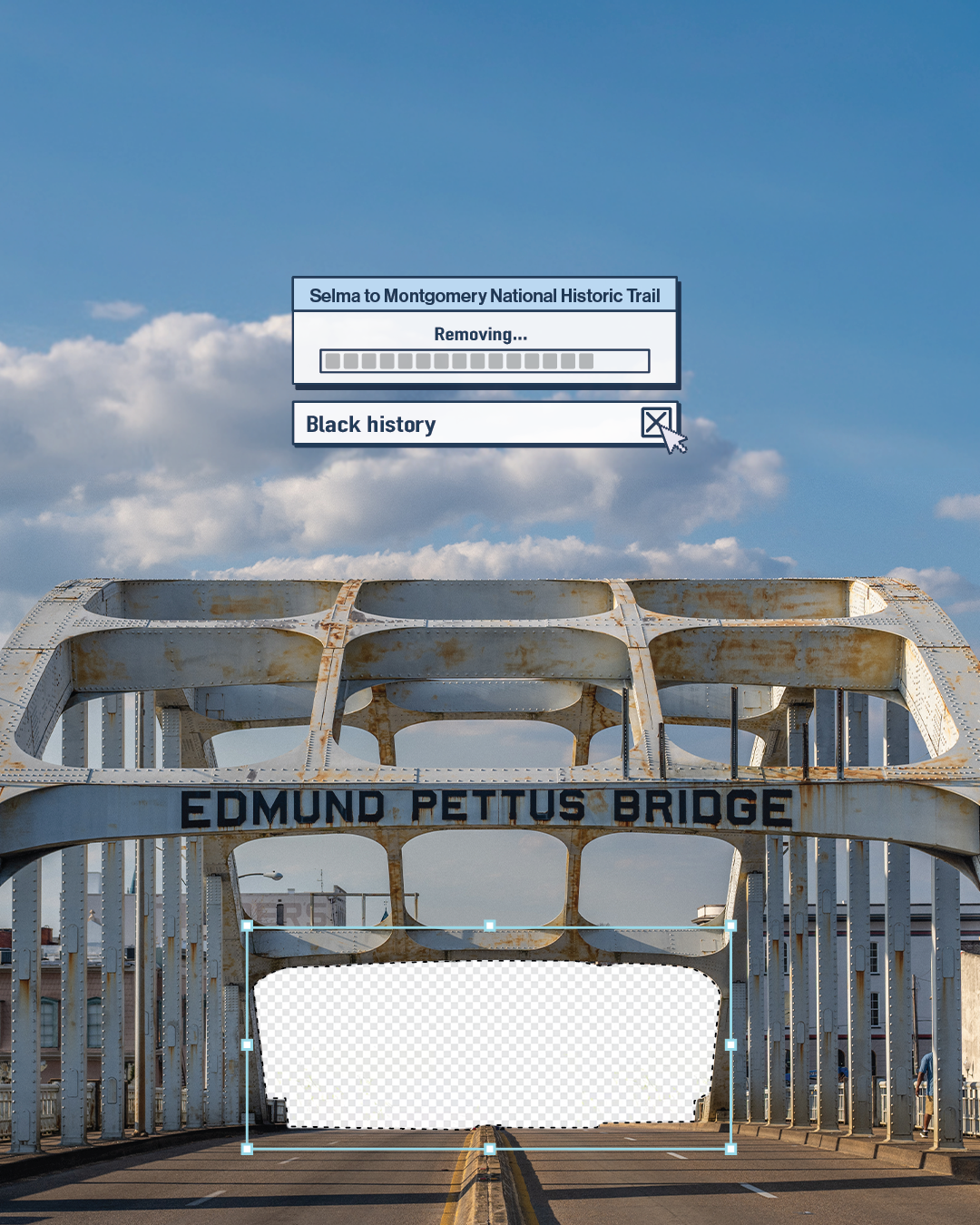
Researching Historical Erasure on Public Lands
July 31, 2026
5 things I learned helping to reassess the global conservation status of every species of tuna and billfish
September 15, 2026
Key takeaways from my Convention on Migratory Species report on fish aggregating devices in the Mediterranean Sea
September 3, 2026
Jabberwocks and Snallygasters: teaching environmental education with monsters, mayhem, and dice.
August 31, 2026
The conservation impacts of recreational fishing
August 25, 2026

Charlie and the Adventure: August 18th, 2010

Posted on August 18, 2010August 18, 2010 By Bluegrass Blue Crab
Uncategorized

Chemistry of the Great Big Blue: Plastics

Posted on August 17, 2010August 31, 2010 By Bluegrass Blue Crab 2 Comments on Chemistry of the Great Big Blue: Plastics
Science

thanks surfrider.org

From the microscopic to the gigantic, plastic debris has plagued our oceans since its invention. Much of the problem originated initially because we didn’t realize that plastics don’t degrade until after we had dumped tons into the ocean, largely off of ships as trash. WHOI offers a good summary of the history of plastic pollution. Many things changed since that first realization and the nature of plastics in the marine environment has a very different face nowadays.

The plastic is smaller and more widely distributed. There are fairly well-known areas that collect the plastics such as the Great Pacific Garbage Patch.  There are also other areas affected that are closer to shore and where people use marine resources. Plastic often settles in seagrass beds that serve as important nursery habitat and on beaches where turtles and shorebirds mistake them for food and nesting material. Need more details on plastic?

Read More “Chemistry of the Great Big Blue: Plastics” »

Charlie and the Adventure: August 17, 2010

Posted on August 17, 2010August 15, 2010 By David Shiffman
Uncategorized

One of the recurring themes of this year’s ESA conference is sustainability, but during a visit to the Pittsburgh zoo’s store, even Charlie is surprised to see how far some people will go.

Charlie and the Adventure: August 16th, 2010

Posted on August 16, 2010August 16, 2010 By Bluegrass Blue Crab
Uncategorized

Charlie and the Adventure: August 15, 2010

Posted on August 15, 2010 By David Shiffman
Uncategorized

Charlie is intrigued by an item for sale in a bookstore near the Convention Center

Charlie and the Adventure: August 14th, 2010

Posted on August 14, 2010August 11, 2010 By Bluegrass Blue Crab 1 Comment on Charlie and the Adventure: August 14th, 2010
Uncategorized

Weekly dose of TED – Paul Stamets on 6 ways mushrooms can save the world

Posted on August 13, 2010April 21, 2010 By Andrew Thaler 1 Comment on Weekly dose of TED – Paul Stamets on 6 ways mushrooms can save the world
Uncategorized

Charlie and the Adventure: August 13th, 2010

Posted on August 13, 2010August 13, 2010 By Bluegrass Blue Crab
Uncategorized

Charlie and the Adventure: August 12, 2010

Posted on August 12, 2010August 9, 2010 By David Shiffman
Uncategorized

Charlie 1.0 also senses the presence of a powerful mind nearby. Could it be… strangely buff Einstein?

An Ancient Sea Monster’s Fearsome Fins

Posted on August 11, 2010 By Andrew Thaler 8 Comments on An Ancient Sea Monster’s Fearsome Fins
Science

During the Cretaceous, the oceans were ruled not by sharks or aquatic mammals, but by large, predatory marine reptiles. Among these, the dominant ocean predator was the Mosasaur. Mosasaurs emerged in the Early Cretaceous from a lizard-like ancestral squamate. They thrived in warm, shallow seas. Some species could reach up to 17 meters in length. Like modern marine mammals, they breathed air yet had an entirely aquatic life history. Unlike sea turtles and other modern marine reptiles, they gave birth to live young in the water, instead of building nests on land.
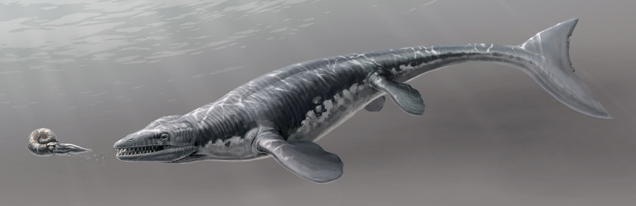
Illustration by Stephanie Abramowicz, Dinosaur Institute, Natural History Museum of Los Angeles County

Read More “An Ancient Sea Monster’s Fearsome Fins” »

Posts pagination

Previous 1 … 223 224 225 … 277 Next

Popular Posts

Soon may the explainer come: Everything you’ve always wanted to know about sea shanties but were afraid to askSoon may the explainer come: Everything you’ve always wanted to know about sea shanties but were afraid to askNovember 22, 2022David Shiffman
Getting a sense of porpoiseJanuary 20, 2009Andrew Thaler
That's not a blobfish: Deep Sea Social Media is Flooded by AI SlopThat's not a blobfish: Deep Sea Social Media is Flooded by AI SlopDecember 19, 2025Andrew Thaler
How to build a canoe from scratch on a graduate student stipendHow to build a canoe from scratch on a graduate student stipendApril 17, 2010Andrew Thaler
Shark of Darkness: Wrath of Submarine is a fake documentaryShark of Darkness: Wrath of Submarine is a fake documentaryAugust 10, 2014Michelle Jewell
Have we found the city of Atlantis?Have we found the city of Atlantis?September 1, 2026Chris Parsons
Why the new Trump order to shoot wolves is both illegal and a dreadful precedent for endangered speciesWhy the new Trump order to shoot wolves is both illegal and a dreadful precedent for endangered speciesSeptember 5, 2026Ali Gaster
This is the worst academic presentation in the world ... tributeApril 23, 2015Chris Parsons
What Ocean Ramsey does is not shark science or conservation: some brief thoughts on "the Shark Whisperer" documentaryWhat Ocean Ramsey does is not shark science or conservation: some brief thoughts on "the Shark Whisperer" documentaryJuly 2, 2025David Shiffman
What is a Sand Shark?What is a Sand Shark?November 12, 2017Chuck Bangley

squishy

Subscribe to our RSS Feed for updates whenever new articles are published.

We recommend Feedly for RSS management. It's like Google Reader, except it still exists.

Southern Fried Science

  • Home
  • About SFS
  • Authors
  • Support SFS


If you enjoy Southern Fried Science, consider contributing to our Patreon campaign.

Copyright © 2026 Southern Fried Science.

Theme: Oceanly Premium by ScriptsTown