

Skip to content

Southern Fried Science

Over 15 years of ocean science and conservation online

  • Home
  • About SFS
  • Authors
  • Support SFS

Recent Posts

We Asked IMCC7 Attendees What Ocean Conservation Needs. Here’s What They Said.
November 5, 2026
Researching Historical Erasure on Public Lands
July 31, 2026
5 things I learned helping to reassess the global conservation status of every species of tuna and billfish
September 15, 2026
Key takeaways from my Convention on Migratory Species report on fish aggregating devices in the Mediterranean Sea
September 3, 2026
Jabberwocks and Snallygasters: teaching environmental education with monsters, mayhem, and dice.
August 31, 2026
The conservation impacts of recreational fishing
August 25, 2026

Seven ways the heroes of the Marvel Cinematic Universe could stop runaway climate change.

Posted on April 9, 2018November 11, 2018 By Andrew Thaler
Popular Culture

One of the big ironies of superhero comics and movies is that these beings of immense power, though committed to saving the world, do so by punching things pretty hard. Even when far more obvious solutions to world shaking challenges are presented, the question is not “what will do the most good for the most people” but “can I punch at it really, really hard?” Superman could have done far more for his adoptive home world if he used his limitless strength to turn a crank on an alternator.
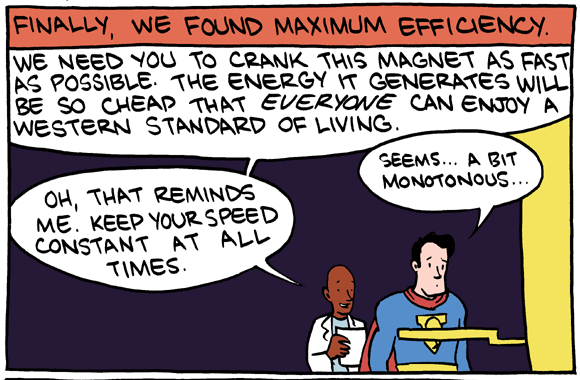
Weinersmith knows what’s up.

Heroes in the Marvel Cinematic Universe don’t fair much better. While off avenging, sorcering, and civil warring, they’ve managed to overlook some fairly self-evident solutions to the most pressing global crisis of our time. So how could Earth’s Mightiest Heroes bring an end to runaway climate change?

1. Tony Stark creates unlimited free energy.

We can get the obvious one out of the way, first. Stark’s Arc Reactor is, for all intents and purposes, a free energy machine. Miniaturization means Arc Reactors could be used to power anything, from cars to aircraft carriers to entire cities. Switching the world’s power grid and transportation network to Arc tech would result in an immediate reduction in CO2 emissions and halt the accumulating damage of continuous energy growth as demand for technology increases around the world.

Ok, that’s the obvious one that has to be mentioned in order to avoid insufferable Twitter comments. Now on the the good stuff.

2. Use Pym Particles to sequester CO2 in the Quantum Realm. 

Pym Particles are particles that “shrink the spaces between atoms” allowing an object bombarded with these particles to shrink continuously while maintaining its mass, unless it’s a tank on a key-chain, for some reason. Comic books are ridiculous, ok?

Unfortunately, the shrinking power of Pym Particles is limitless, and once an object shrinks to the point where it’s smaller than an atom, somehow, it enters the Quantum Realm, where the laws of Newtonian physics no longer apply, time is meaningless, and you can never escape (except when you can). Shrink into the Quantum Realm and you shrink forever. That really seems like the ideal place to sequester CO2 , doesn’t it?

The big problem with carbon sequestration is that it’s not always a permanent solution. Sequestered CO2 in trees is only sequestered so long as no one cuts those trees down and burns them. The carbon is still out there in the world, waiting to be re-mobilized into the environment. But! If we could sequester carbon by bombarding it with Pym Particles and sending it to the Quantum Realm, it would shrink forever, permanently locked away in a world of very poorly interpreted quantum physics. That seems safe.

Read More “Seven ways the heroes of the Marvel Cinematic Universe could stop runaway climate change.” »

Smart phones are worse than you think, SeaWorld takes a dive, this week in deep-sea mining, and more! Monday Morning Salvage: April 9, 2018

Posted on April 9, 2018April 8, 2018 By Andrew Thaler
Weekly Salvage

Foghorn (A Call to Action!)

  • Stop raising awareness already (and start translating information into action).
  • Scott Pruitt still has a job [As of 16:59 on 4/8/2018 ~Ed.]. A Running List of Wild Shit Scott Pruitt Hasn’t Been Fired For (Yet).
  • What to up you outreach skills? Sign up for Andrew Lewin’s Podcasting for Environmental Communications course.

Flotsam (what we’re obsessed with right now)

  • Smart phones. As you know I have a love/hate relationship with tech and the resources needed to fuel our increasingly demanding hardware. Now, we’ve got the most clear picture yet of the impact of smartphones on the environment and it’s not pretty.
    • Smartphones Are Killing The Planet Faster Than Anyone Expected.
    • Smartphones are warming the planet far more than you think.

GIF by Anthony Antonellis

The Levee (A featured project that emerged from Oceandotcomm)

  • Knitting *and* environmental justice? Sign me up! Stitching Hope for the Coast: Creative pieces that celebrate coastal optimism for Louisiana.

Read More “Smart phones are worse than you think, SeaWorld takes a dive, this week in deep-sea mining, and more! Monday Morning Salvage: April 9, 2018” »

Thoughts on the Sustainable Shark Fisheries and Trade Act

Posted on April 5, 2018 By David Shiffman
Conservation, Science

A few weeks ago, H.R. 5248, The Sustainable Shark Fisheries and Trade Act, was introduced into Congress. The purpose of this bill is to “encourage a science-based approach to significantly reduce the overfishing and unsustainable trade of sharks, rays and skates around the world and prevent shark finning,” according to a press release from Mote Marine Lab. 

Though the devil is always in the details, and I’ll get into those below, here is a general overview of how this would work. The Sustainable Shark Fisheries and Trade Act would direct NOAA Fisheries to evaluate the fisheries management practices of other shark and ray fishing nations. This is similar in principle to other things NOAA is already doing, and a similar role for NOAA was included in the 2010 Shark Conservation Act (but has yet to be implemented).

Nations that have sustainable fisheries management practices comparable to ours (or certain fisheries associated with those nations, even if other fisheries are less well managed) will get a formal certification of their sustainable management practices, and nothing will change for them. Nations (or fisheries) that are found to not have sustainable fisheries management practices comparable to ours will not be allowed to have those products imported into the US and sold in our markets until their management practices improve. In the meantime, they’ll have access to NOAA’s existing capacity building resources and expertise to improve their own practices.

I support much of what this bill is trying to do, but I have some significant concerns about some of the current phrasing and plan for implementation.

Read More “Thoughts on the Sustainable Shark Fisheries and Trade Act” »

Invisible squid and fish with glowing eye spikes: Thursday Afternoon Dredging, April 5th, 2018

Posted on April 5, 2018April 2, 2018 By David Shiffman
Uncategorized

Cuttings (short and sweet):  Follow Louise Chavarie, an Arctic aquatic ecologist, on twitter! A squid-skin inspired invisibility cloak. From Nature News research updates. Underwater noise pollution disturbs fish, too. From CBC News. NOAA publishes list of global fisheries and their risks to marine mammals. By John Cannon, for MongaBay Antarctic ice melting faster than thought. By … Read More “Invisible squid and fish with glowing eye spikes: Thursday Afternoon Dredging, April 5th, 2018” »

Hagfish, chill Puffins, swamp monsters, the mining boat floats, and more! Monday Morning Salvage: April 2, 2018

Posted on April 2, 2018March 31, 2018 By Andrew Thaler
Weekly Salvage

Foghorn (A Call to Action!)

  • Want to help stem the tide of misinformation online and off? Do you have it all figured out and just need resources to implement your world-saving solution? The Rita Allen Foundation is looking for Solutions to Curb the Spread of Misinformation.

Flotsam (what we’re obsessed with right now)

  • Hagfish. Tough. Lovable. Slimy. But not too slimy. Hagfish Take Weeks to Recover from Sliming Someone.

https://www.youtube.com/watch?v=pmaal7Hf0WA

  • Kevin D’Angelo integrated the OpenCTD with a new protocol for detecting salinity using the gold pins of a microUSB controller and I am blown away! Outstanding work.
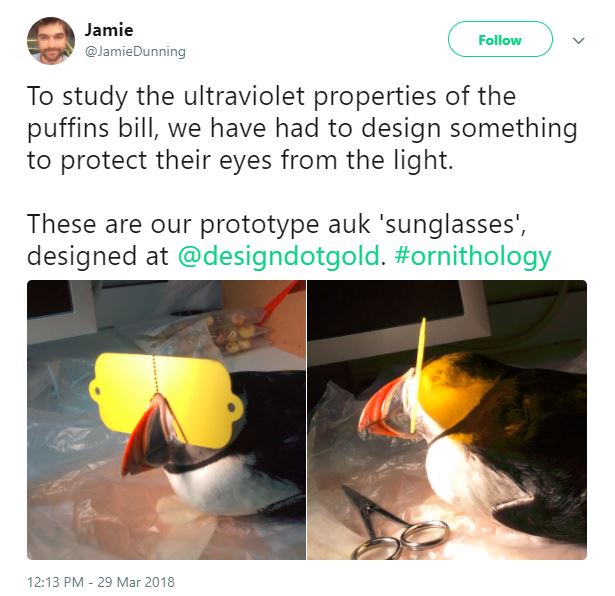
  • This is a puffin wearing sunglasses for science.

The Levee (A featured project that emerged from Oceandotcomm)

  • Installed as a beacon of hope for a hurricane-racked island, the statue had to be moved multiple times due to the eroding coast: Our Lady of the Sea by Russel Arnott.
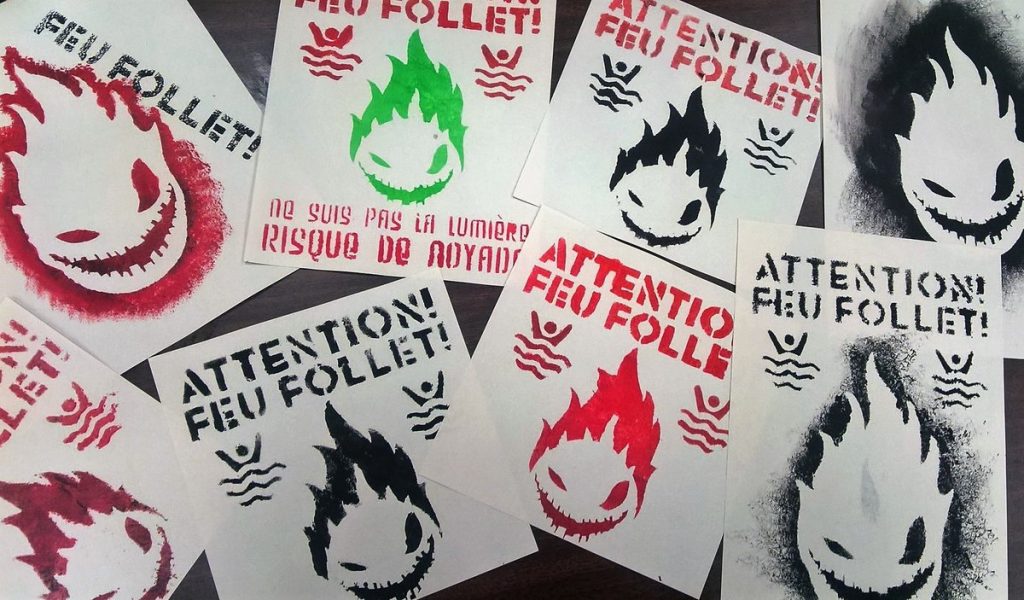
  • Russell also created these outstanding posters to warn us away from Louisiana’s famed and fearsome swamp ghosts:

Beware the Feu Follet, by Russell Arnott

Read More “Hagfish, chill Puffins, swamp monsters, the mining boat floats, and more! Monday Morning Salvage: April 2, 2018” »

Giant whales and collapsing cod stocks: Thursday Afternoon Dredging, March 29th, 2018

Posted on March 29, 2018 By David Shiffman
Uncategorized

Cuttings (short and sweet):  Follow shark and ray biologist Jeremy Vaudo on twitter! Science may have a reason why whales get so big. By Carrie Arnold, for National Geographic. Paleo profile: The fish from China. By Brian Switek, for Scientific American. Mass stranding in Australia claims 130 whales. Video, for the Guardian. Spoils (long reads and … Read More “Giant whales and collapsing cod stocks: Thursday Afternoon Dredging, March 29th, 2018” »

Try your hand at celestial navigation with an open-source, Glowforge-ready astrolabe!

Posted on March 28, 2018 By Andrew Thaler
Education

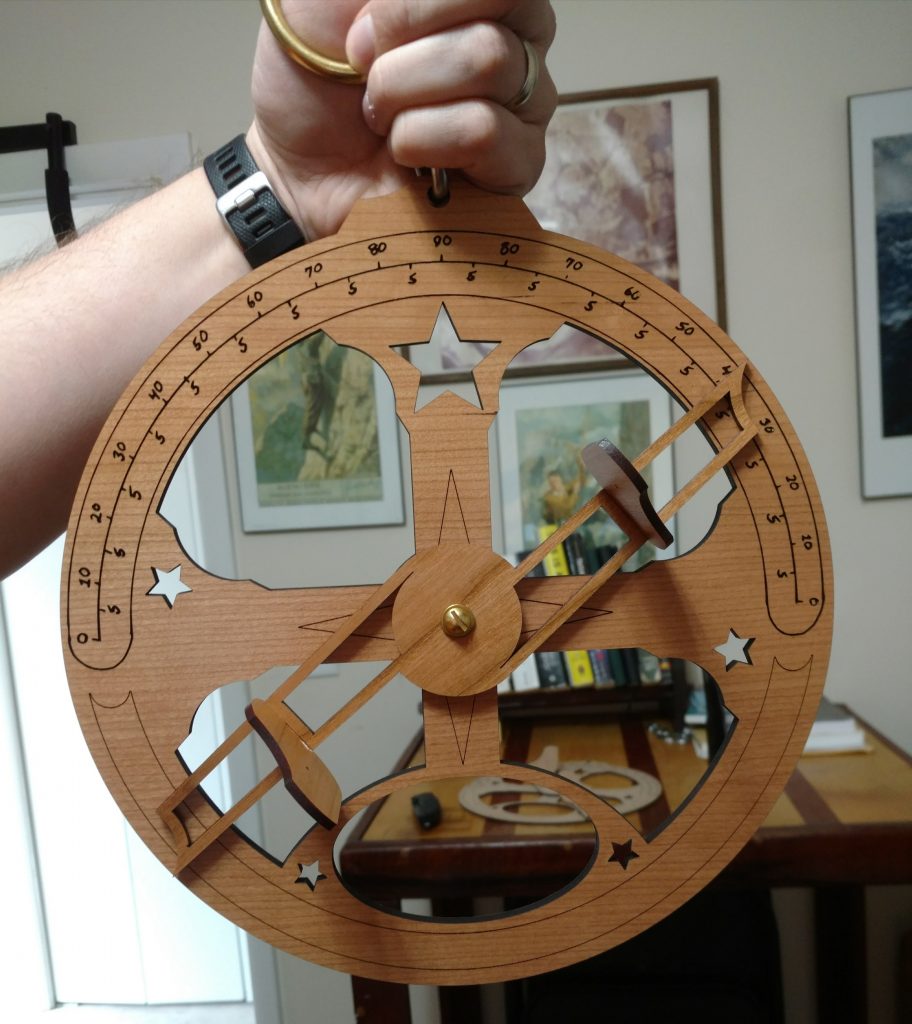
I have a bit of a soft spot for classic navigational instruments. In an age where more people interact with maps than ever before and yet spend much less time plotting their own course, being able to look up at the sky and discern your place in the world is a powerful skill. Unfortunately, it’s not exactly easy to make your own navigational instruments. Unless, of course, you have your own laser cutter.

I recently got a Glowforge, so honestly, you should have seen this coming.

Say hello to the Mariner’s Astrolabe!

Read More “Try your hand at celestial navigation with an open-source, Glowforge-ready astrolabe!” »

Frisky Anglerfish, Persistent Aquatic Living Sensors, Make for the Planet Borneo, Sea Cucumber Mafia, and more! Monday Morning Salvage: March 26, 2018

Posted on March 26, 2018March 25, 2018 By Andrew Thaler
Weekly Salvage

Foghorn (A Call to Action!)

  • Sign up for Make for the Planet Borneo and help push forward the next generation of conservation technology!
  • Announcing the Con X Tech Prize for Hacking Extinction! Apply for funding to create a working hardware prototype and win up to $20,000 in awards.

Flotsam (what we’re obsessed with right now)

  • This is a totally ordinary, not at all alarming, call for government bidders on a contract to build “new systems that employ natural or engineered marine organisms as sensor elements to amplify signals related to the presence, movement, and classification of manned or unmanned underwater vehicles.” They even adorably call these Persistent Aquatic Living Sensors PALS. Normal!
  • Here’s a video of anglerfish mating, because anglerfish are beauty.
  • This week in science and conservation slowly, awkwardly coming to terms with their racist history: For Decades, Our Coverage Was Racist. To Rise Above Our Past, We Must Acknowledge It and Environmentalism’s Racist History.
  • Scientists in Survival Mode: After a disastrous hurricane season, scientists in the storms’ pathways struggle to return to work.

The Levee (A featured project that emerged from Oceandotcomm)

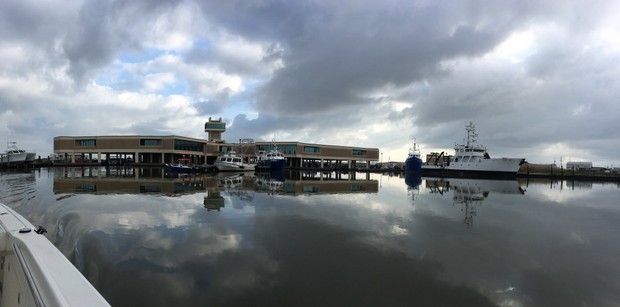
  • Marine lab has ‘front row seat’ to Louisiana coastal loss.

LUMCON by boat
Photo by Melissa Miller

Read More “Frisky Anglerfish, Persistent Aquatic Living Sensors, Make for the Planet Borneo, Sea Cucumber Mafia, and more! Monday Morning Salvage: March 26, 2018” »

Migrating mullet and expanding garbage patches: Thursday Afternoon Dredging, March 22, 2018

Posted on March 22, 2018 By David Shiffman
Uncategorized

Cuttings (short and sweet):  Follow science illustrator Bethann Garramon Merkle on twitter! Great Pacific Garbage Patch is sprawling with more debris than thought. By Oliver Milman, for the Guardian. In Bali fish die-off, a human hand is suspected. By Luh De Suriyana, for MongaBay. Spoils (long reads and deep dives): Mullet Mania. By Michael Patrick O’Neill, … Read More “Migrating mullet and expanding garbage patches: Thursday Afternoon Dredging, March 22, 2018” »

In South Louisiana, Seafood Means Hope

Posted on March 19, 2018April 20, 2018 By David Shiffman
Science

This blog post and photo slideshow was created during OCEANDOTCOMM, an ocean science communication event, and supported by the Louisiana Universities Marine Consortium (LUMCON) The theme of OCEANDOTCOMM was Coastal Optimism. Photos were contributed by our lead photographer, Rafeed Hussain/Ocean Conservancy, with additions from other OCEANDOTCOMM attendees, including Melissa Miller, Samantha Oester, Susan Von Thun, Solomon David, Rebecca Helm, and Alexander Havens.

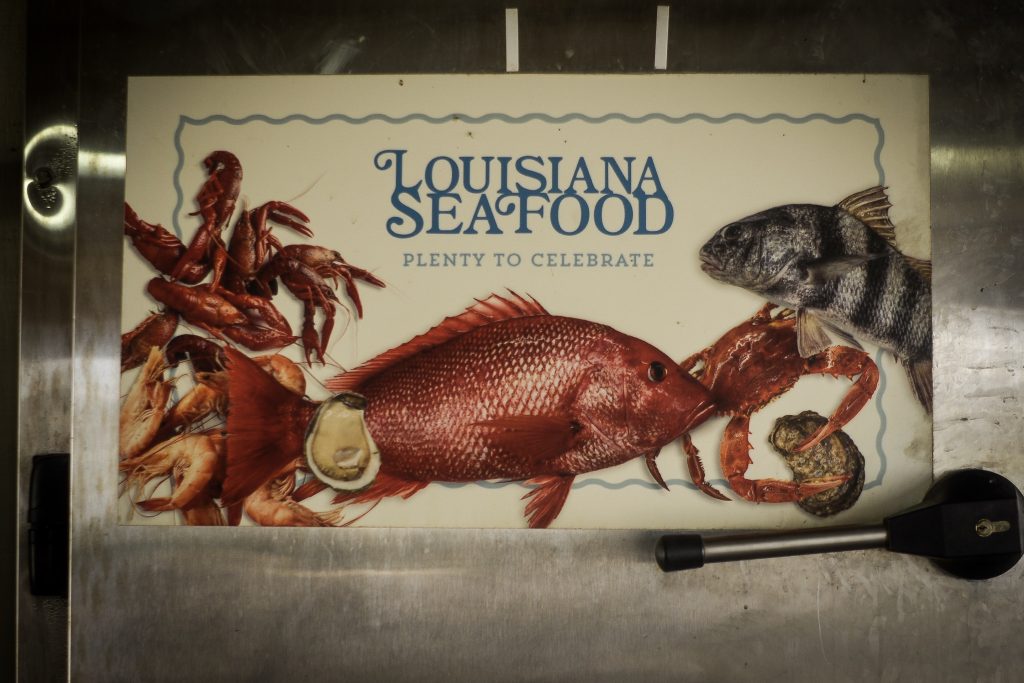
A sign at the Bait House in Chauvin, Louisiana. Photo by Rafeed Hussain / Ocean Conservancy

In many ways, South Louisiana is seafood- a trip here isn’t complete without eating some gumbo, oysters, or crawfish. Only one state (Alaska) lands more seafood than Louisiana’s 1.2 billion pounds a year (as of 2016). As of 2008, one in 70 jobs in the whole state is tied to fishing or related industries. According to the Louisiana Seafood Marketing and Promotion Board, “when you choose Louisiana seafood, you’re ensuring that your purchase benefits an American community and a way of life.”

When we visited Terrebonne Parish, home to nearly 20 percent of all commercial fishing license holders in Louisiana, we found that fishing means more to the people of this community than food and jobs. Here in South Louisiana, fishing is a vital part of the vibrant local culture and community pride. In a region that’s been devastated by hurricanes and oil spills, fishing is also a source of something more important: hope.

Below, you’ll hear what fishing means to South Louisiana’s fishing communities through the voices of a former shrimper, the owner of a grocery store that has served the town of Chauvin for more than a century, and representatives of a local Native American tribe. You’ll also get a glimpse into this beautiful part of the world through a photo slideshow. Together, this paints a picture of communities that have overcome unimaginable struggle, but still look forward to the future, in no small part because of the riches of the sea.

Read More “In South Louisiana, Seafood Means Hope” »

Posts pagination

Previous 1 … 50 51 52 … 277 Next

Popular Posts

Getting a sense of porpoiseJanuary 20, 2009Andrew Thaler
This is the worst academic presentation in the world ... tributeApril 23, 2015Chris Parsons
That's not a blobfish: Deep Sea Social Media is Flooded by AI SlopThat's not a blobfish: Deep Sea Social Media is Flooded by AI SlopDecember 19, 2025Andrew Thaler
Have we found the city of Atlantis?Have we found the city of Atlantis?September 1, 2026Chris Parsons
What Ocean Ramsey does is not shark science or conservation: some brief thoughts on "the Shark Whisperer" documentaryWhat Ocean Ramsey does is not shark science or conservation: some brief thoughts on "the Shark Whisperer" documentaryJuly 2, 2025David Shiffman
The 45 most influential female ecologists alive today according to twitterThe 45 most influential female ecologists alive today according to twitterFebruary 10, 2014Guest Writer
Ethical Debate: Killing sharks for science?Ethical Debate: Killing sharks for science?June 1, 2010David Shiffman
Our favorite sea monsters – Ningen (#4)Our favorite sea monsters – Ningen (#4)September 7, 2010Andrew Thaler
What is a Sand Shark?What is a Sand Shark?November 12, 2017Chuck Bangley
No, harassing a shark for fun is not ethically equivalent to scientific research that helps conserve a speciesNo, harassing a shark for fun is not ethically equivalent to scientific research that helps conserve a speciesMarch 26, 2014David Shiffman

squishy

Subscribe to our RSS Feed for updates whenever new articles are published.

We recommend Feedly for RSS management. It's like Google Reader, except it still exists.

Southern Fried Science

  • Home
  • About SFS
  • Authors
  • Support SFS


If you enjoy Southern Fried Science, consider contributing to our Patreon campaign.

Copyright © 2026 Southern Fried Science.

Theme: Oceanly Premium by ScriptsTown