Skip to content

Southern Fried Science

Over 15 years of ocean science and conservation online

  • Home
  • About SFS
  • Authors
  • Support SFS

Tag: 3D printing

Octopus Genes, Decolonization, and a mega-dose of Citizen Science! Monday Morning Salvage: April 10, 2017

Posted on April 10, 2017April 10, 2017 By Andrew Thaler
Weekly Salvage

Flotsam (what we’re obsessed with right now)

  • Octopuses are weird. Really, really weird. Ed Yong covers yet another weird octopus thing in the Atlantic: Octopuses Do Something Really Strange to Their Genes. And check out the original paper, below.

Jetsam (what we’re enjoying from around the web)

  • This interview with Shay Akil McLean is one of the best introductions to the concept of decolonizing science: Hood Biologist Explains How to Decolonize All The Science. See also: We Need Decolonial Scientists.
  • Free Radicals is one of the best new(ish) science blogs on the net: Zapatistas Reimagine Science as Tool of Resistance.
  • Incidentally, the March for Science does not have a diversity problem.

Instead, I believe that this march needs to be completely apolitical and nonpartisan. I think that we should protest the current administration, which wants to repeal laws guaranteeing clean air and water, claim that climate change is a hoax, and remove scientists’ access to quality healthcare, but in a way that doesn’t alienate members of the current administration. We should demand change, but vaguely, and from no one in particular.

Source.

  • If you love geophysical fluid dynamics, then you will love these foamy streaks in a lagoon. Deep Sea News, natch.
  • With the legendary Erika Bergman at the helm, the Aquatica Submarine crew put eyes on a new glass sponge bioherm off the coast of Vancouver.

https://www.youtube.com/watch?v=V6stLjJ5lAo

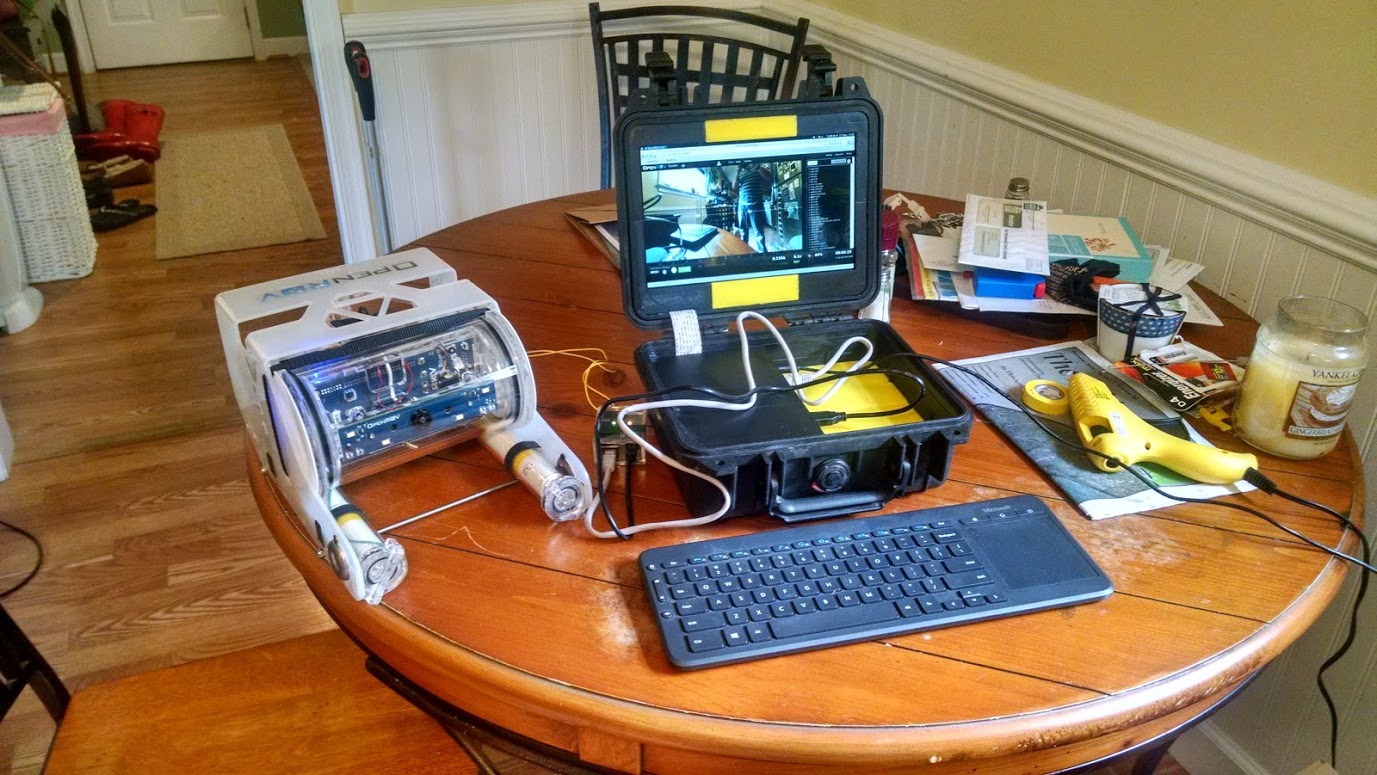
  • Another article about the GOSH meeting where I rep-ed OpenROV and Oceanography for Everyone: Santiago de Chile, capital of the Global network for Open Science Hardware.
  • As a card-carrying population geneticist, I second this piece: Getting your genetic disease risks from 23andme is probably a terrible idea.
Read More “Octopus Genes, Decolonization, and a mega-dose of Citizen Science! Monday Morning Salvage: April 10, 2017” »

Building the future with open hardware. Monday Morning Salvage: March 27, 2017

Posted on March 26, 2017 By Andrew Thaler
Weekly Salvage

Flotsam (what we’re obsessed with right now)

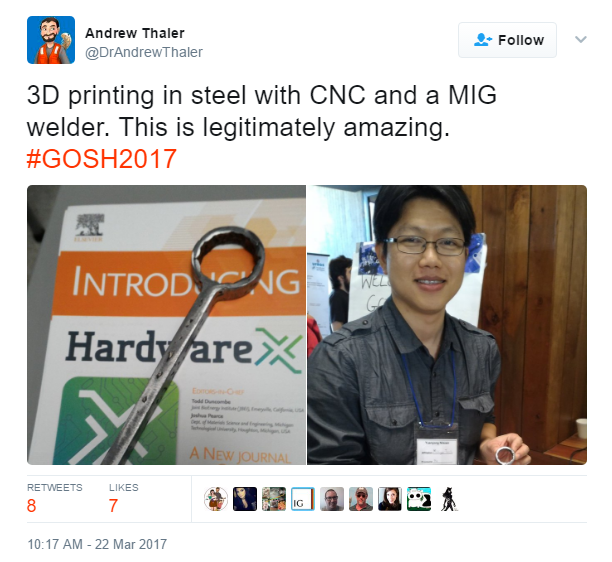
I spent the last week at the annual Gathering for Open Science Hardware in Santiago, Chile exploring the future of science and the open-source movement with one of the most impressive hardware developers, hackers, makers, and artists in the world. It’s my travel day, so this will necessarily be a short one.

  • Among the many things still blowing my mind? 3D printing in steel using a MIG welder. So simple, so clever, so brilliantly implemented. See the paper below.

Read More “Building the future with open hardware. Monday Morning Salvage: March 27, 2017” »

Monday Morning Salvage: January 2, 2017

Posted on January 2, 2017January 1, 2017 By Andrew Thaler
Weekly Salvage

Welcome to 2017 and the ninth year of marine science and conservation at Southern Fried Science!

Flotsam (what we’re obsessed with right now)

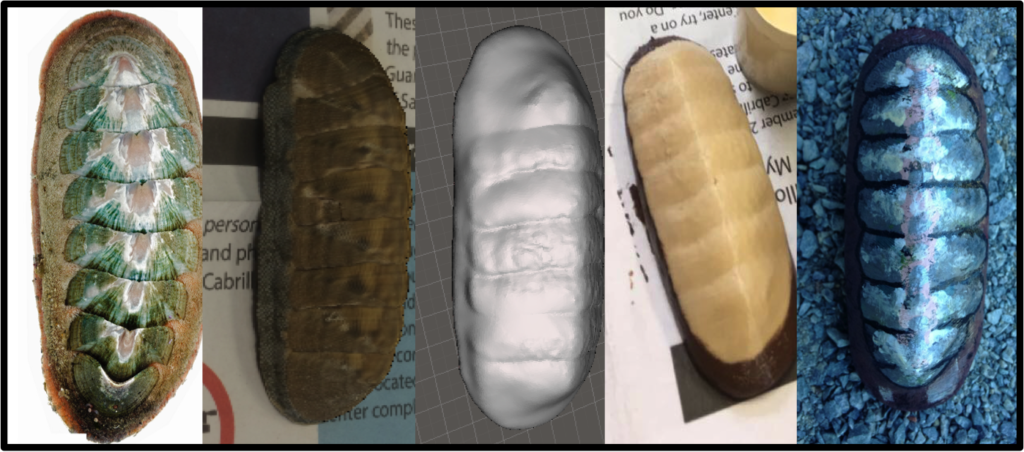
  • Alex Warneke knows exactly how to push all of my ocean outreach buttons: Low-cost teaching tools? Check! Hands on student engagement? Check! Open-source materials and datasets? Check! 3D Printing? Check! Meet 3D Cabrillo:
Courtesy A. Warneke, DSN.
  • Learn more about this awesome project from the National Park Service: How to Build a Better Biomodel.

Jetsam (what we’re enjoying from around the web)

Read More “Monday Morning Salvage: January 2, 2017” »

The 3D-Printed Giant Deep-sea Isopod You Always Wanted.

Posted on October 6, 2016 By Andrew Thaler 1 Comment on The 3D-Printed Giant Deep-sea Isopod You Always Wanted.
Popular Culture, Science
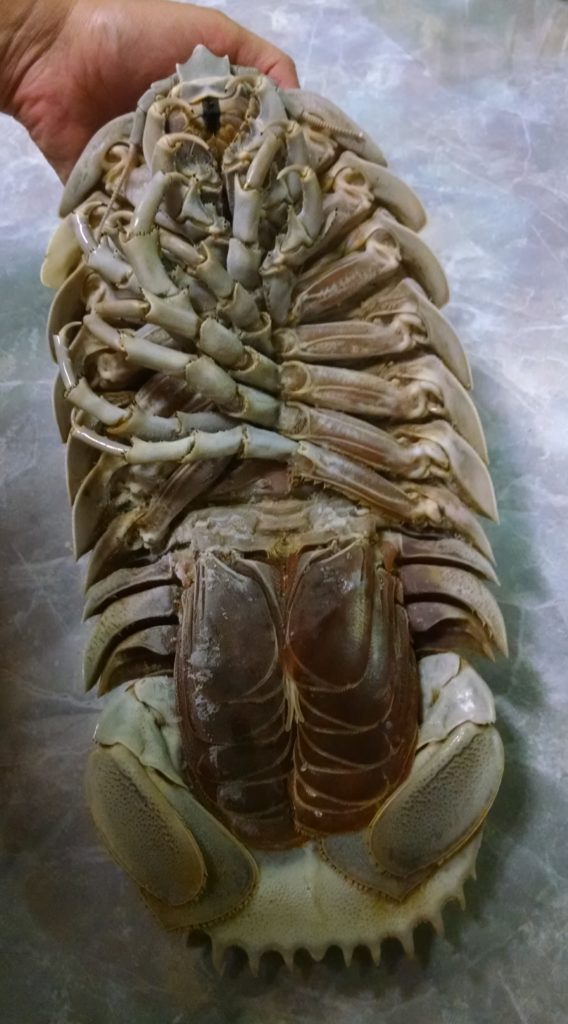
Giant Isopod. Photo by author.

I love giant deep-sea isopods (Bathynomous giganteus if you’re fancy).

I’ve written quite a few articles about giant isopods. Giant isopods were prominently featured in our epic ocean monograph, Sizing Ocean Giants. I’ve even been fortunate enough to observe novel giant isopod behavior in the deep sea. If Southern Fried Science had a mascot, it would have to be the giant isopod.

When I started Scanning the Sea, I knew that a giant isopod would have to be part of the collection. There was just one problem: 3D scanning marine critters is an imprecise art, and you need to start with a very clean specimen. Most of the giant isopods I had access to had been floating in formalin for decades, or came up in pieces, or were preserved in a twisty, roly-poly ball. They weren’t good candidates for scanning.

Read More “The 3D-Printed Giant Deep-sea Isopod You Always Wanted.” »

A precautionary approach to health, safety, and conservation while 3D printing in the home.

Posted on May 13, 2016February 15, 2018 By Andrew Thaler
Conservation, Education

3D printers are awesome.

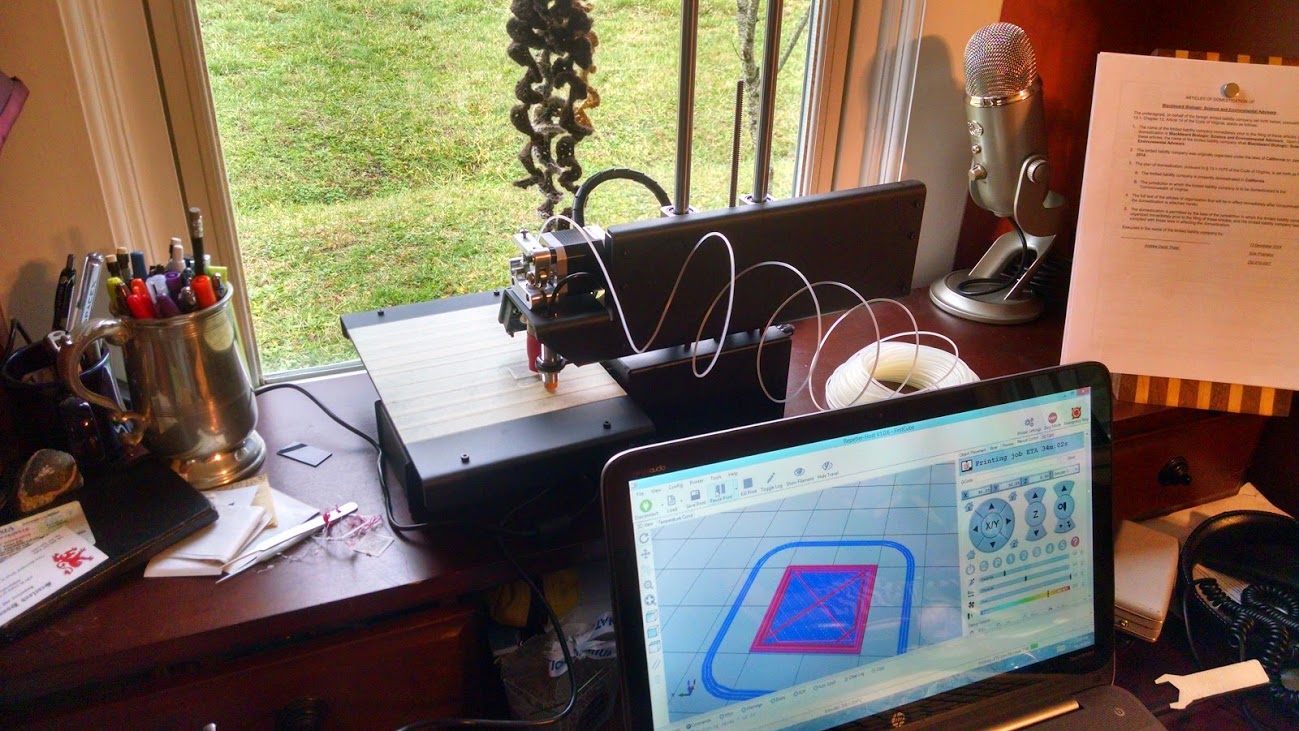
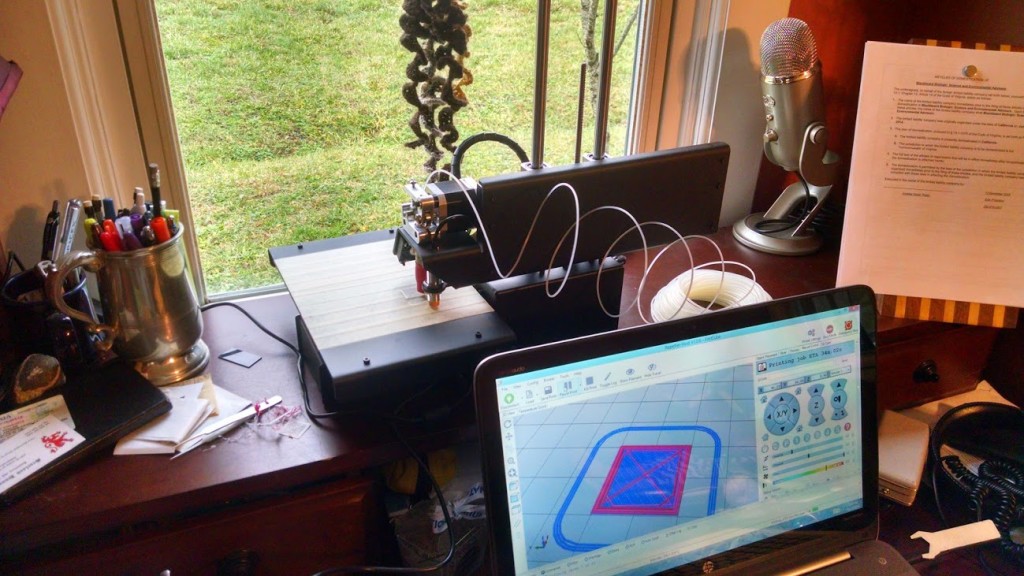
A Printrbot in the home.

That sentiment really shouldn’t surprise anyone who follows this blog. From oceanographic equipment, to farm tools, to just things around the house, over the last year I’ve made 3D printing a standard part of my toolbox.

A conversation last week on Twitter got me thinking again about 3D printers, safety, and disposability. On one hand, by allowing us to fabricate intricate custom parts at home, 3D printers can help us reduce the amount of waste produced and allow us to extend the life of otherwise disposable items. On the other hand, 3D printers produce their own plastic waste, particularly if, like me, you develop a lot of new projects from scratch.

Read More “A precautionary approach to health, safety, and conservation while 3D printing in the home.” »

The BeagleBox 2: a dirt-cheap, tough-as-nails, 3D-printed, versatile field laptop.

Posted on May 9, 2016May 12, 2016 By Andrew Thaler
Science
The BeagleBox 2
The BeagleBox 2

Last year, as part of Oceanography for Everyone, we debuted the BeagleBox, a small, cheap, tough, basic field computer powered by a BeagleBone Black. The first BeagleBox didn’t promise much, it was designed for basic field work and, most importantly, to be cheap enough that researchers (particularly grad students) wouldn’t be too worried about damaging it. It wasn’t designed to be your only computer but to replace your more valuable computer when participating in fieldwork.

In the last year, the single board computer landscape has changed, with new systems running off tiny, powerful 64bit ARM chips. One of the first of this new breed of SCB to hit the market was the massively Kickstarted, and rocky-launching Pine64. I received my 1GB Pine64 late last week, and immediately set to work redesigning the BeagleBox to house this larger board (and correct for some other annoyances in the original design). So here it is, an even beefier, cheaper, tougher field machine.

Yes, it will run an OpenROV. It will not run it well.

Read More “The BeagleBox 2: a dirt-cheap, tough-as-nails, 3D-printed, versatile field laptop.” »

A year of 3D printing in the home: does it live up to the hype?

Posted on March 2, 2016March 18, 2016 By Andrew Thaler
Blogging

3D Printing. No new technology in the last decade has been heralded with as much hope and hyperbole as the promise of desktop replicators fabricating whatever object you need at the push of a button. 3D printing has made huge steps forward, with more sophisticated machines at lower prices, new materials that vastly expand the printer’s capabilities, and the breathless optimism that foresees a printer in every home, as mundane and easy to operate as a conventional printer*.

A Printrbot in the home.

And yet, for all the hype, most personal 3D printers are pressed into service fabricating plastic tschotskes — low quality, low function items of little to no utility. While the raw potential of 3D printing continues to expand, the promise of personal printers seems mired in the sandbox: an expensive toy for grownups. A toy that produces heaps of plastic detritus that will eventually find it’s way into the environment.

I posit here that, while it is true the the vast majority of people currently have no practical need for a 3D printer, under the right circumstances, a personal 3D printer can be an incredibly useful tool in the modern home.

A little over a year ago, we bought a personal 3D printer. It’s a Printrbot Simple Metal, a tough, no nonsense machine that works as well in my home office as it does at sea. Its footprint is small, and it can handle object up to 150 mm by 150 mm by 150 mm. Not huge, but big enough to be useful. And yes, this printer has primarily been used to fabricate parts for Oceanography for Everyone and other scientific endeavors. You can read more about that here: A 3D-printable, drone and ROV-mountable, water sampler and Oceanography for Everyone: Empowering researchers, educators, and citizen scientists through open-source hardware. I’m not talking about the scientific utility of the printer, but rather, how it fits into our homestead.

Read More “A year of 3D printing in the home: does it live up to the hype?” »

Scanning the Sea: How I create 3D printable ocean objects using a smartphone and free software.

Posted on November 7, 2015November 7, 2015 By Andrew Thaler
Education
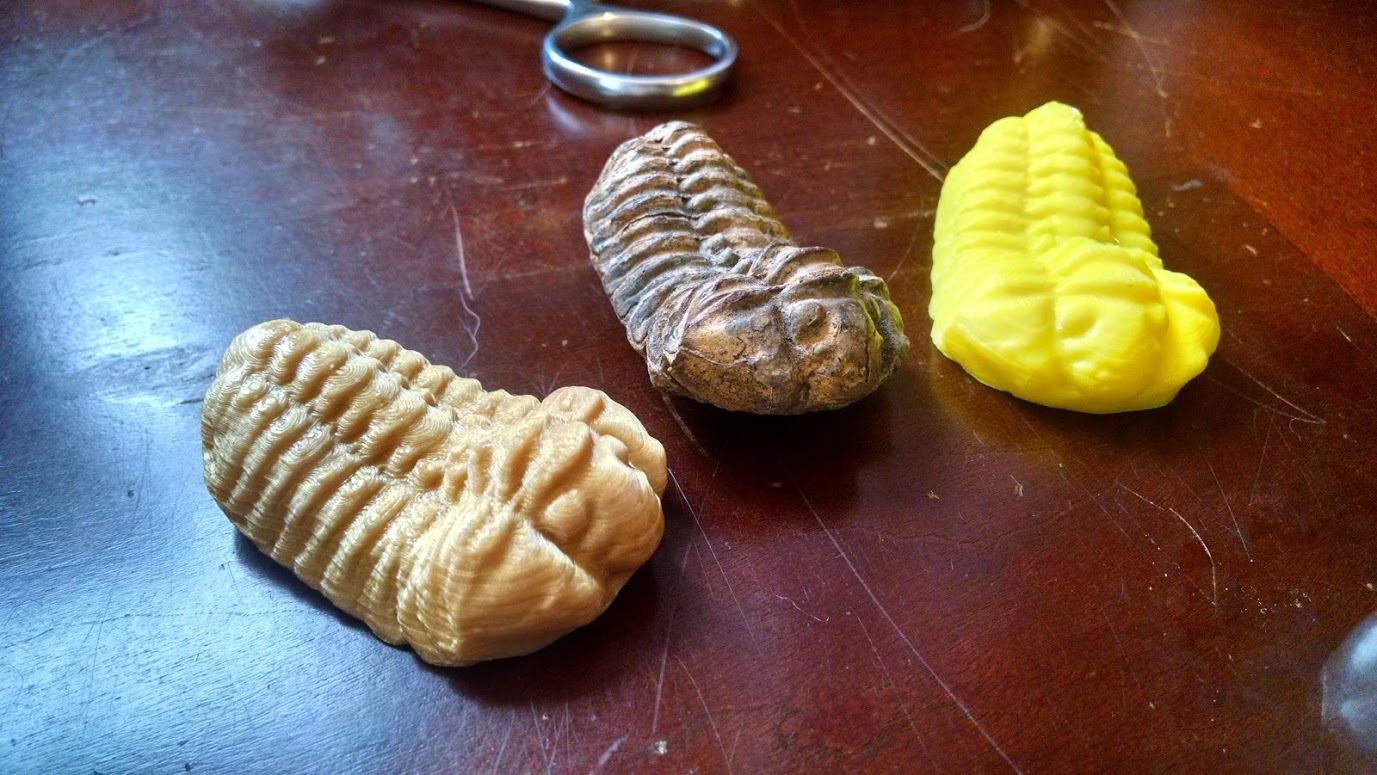
Trilobites!
Trilobites!

From simple sand dollars to life-sized hammerhead shark skulls, 3D printable ocean objects present an incredible opportunity for ocean outreach. Many commercial biological models are expensive, fragile, and often overkill for educators’ needs, where simple, robust, and easily replaceable anatomical models suffice. Over the last year, I’ve been honing my 3D printing skills, learning how to design 3D-printable objects, and mastering 3D scanning using free software and the now-ubiquitous smartphone. My designs, along with the open-source objects used for Oceanography for Everyone, can be found on my YouMagine profile (though Patreon supporters get early access to most prints).

Earlier this year, I wrote about how the ability to essentially photocopy a three dimensional object in a matter of hours revived my Ocean Optimism and opened up a whole new world of outreach possibilities. Since then, I’ve been working behind the scenes on some bigger projects that depend on 3D printing, one of which, Oceanography for Everyone launched last month. It’s a big ocean out there, and one person can’t possibly come close to producing a comprehensive collection of ocean objects. With several successful 3D scans under my belt, I think it’s time to share the process and invite the rest of the ocean-loving world join me in my efforts to scan the sea.

123D Catch, the software that powers it all.

Read More “Scanning the Sea: How I create 3D printable ocean objects using a smartphone and free software.” »

How a 10 Million Year old fossil, a smart phone, and a 3D printer recharged my #OceanOptimism.

Posted on April 10, 2015 By Andrew Thaler
Popular Culture, Science

3dtootLast week, we launched a novel little experiment in crowdfunding marine science and conservation – Buy David Shiffman a Less Ugly Pair of Sunglasses – ostensibly about replacing David’s legendarily hideous sunglasses with something a bit more aesthetic. Of course, anyone digging into the stretch goals quickly realized that this was less about sunglasses and more about funding some cool research and outreach projects we’re currently working on; projects like a hammerhead conservation genetics analysis, building a marine ecology drone, and sending students from underserved schools of a shark tagging trip. This was made more explicit when we hit our first goal in the first 36 hours of funding.

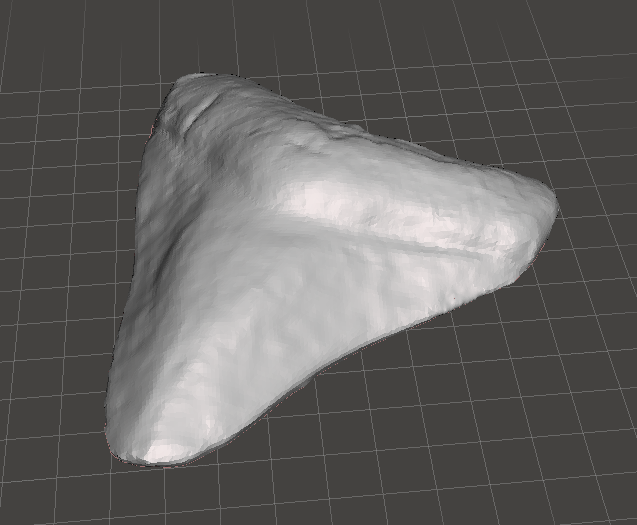
With the first funding goal achieved, I decided we needed a cool perk, something not particularly expensive to produce but completely novel and cool enough to justify making a heftier donation. And, of course, it needed to be thematically related to the spirit of the project.

Enter the Megalodon.

Read More “How a 10 Million Year old fossil, a smart phone, and a 3D printer recharged my #OceanOptimism.” »

Posts pagination

Previous 1 2 3

Popular Posts

What Ocean Ramsey does is not shark science or conservation: some brief thoughts on "the Shark Whisperer" documentaryWhat Ocean Ramsey does is not shark science or conservation: some brief thoughts on "the Shark Whisperer" documentaryJuly 2, 2025David Shiffman
The story of the pride flag made from NASA imagery: Bluesky's most-liked imageThe story of the pride flag made from NASA imagery: Bluesky's most-liked imageSeptember 27, 2024David Shiffman
That's not a blobfish: Deep Sea Social Media is Flooded by AI SlopThat's not a blobfish: Deep Sea Social Media is Flooded by AI SlopDecember 19, 2025Andrew Thaler
I turned my woodshop into a personal solar farm.I turned my woodshop into a personal solar farm.June 21, 2021Andrew Thaler
Marine Biology Career AdviceMarine Biology Career AdviceMay 30, 2025David Shiffman
Shark of Darkness: Wrath of Submarine is a fake documentaryShark of Darkness: Wrath of Submarine is a fake documentaryAugust 10, 2014Michelle Jewell
What is a Sand Shark?What is a Sand Shark?November 12, 2017Chuck Bangley
5 things to know about stingray barbs, this month's 3D printed reward!5 things to know about stingray barbs, this month's 3D printed reward!May 29, 2018David Shiffman
Urea and Shark OsmoregulationUrea and Shark OsmoregulationNovember 15, 2010David Shiffman
What can the funniest shark memes on the internetz teach us about ocean science and conservation?What can the funniest shark memes on the internetz teach us about ocean science and conservation?November 8, 2013David Shiffman
Subscribe to our RSS Feed for updates whenever new articles are published.

We recommend Feedly for RSS management. It's like Google Reader, except it still exists.

Southern Fried Science

  • Home
  • About SFS
  • Authors
  • Support SFS


If you enjoy Southern Fried Science, consider contributing to our Patreon campaign.

Copyright © 2026 Southern Fried Science.

Theme: Oceanly Premium by ScriptsTown