Skip to content

Southern Fried Science

Over 15 years of ocean science and conservation online

  • Home
  • About SFS
  • Authors
  • Support SFS

Tag: chemicals

Getting a handle on workworking chemicals, or sometimes we all need to vent.

Posted on June 22, 2021January 8, 2024 By Andrew Thaler
Getting a handle on workworking chemicals, or sometimes we all need to vent.
Built to Last, Conservation

This is Part 2 of Built to Last: A Reflection on Environmentally Conscientious Woodworking.

  • Built to Last: A Reflection on Environmentally Conscientious Woodworking
  • Part 1: I turned my woodshop into a personal solar farm.
  • Part 2: Getting a handle on workworking chemicals, or sometimes we all need to vent.
  • Part 3: Furniture as Revolution.
  • Part 4: The best tool for the job is you
  • A good joint is built to last: archaeologists uncover evidence for the earliest structural use of wood.

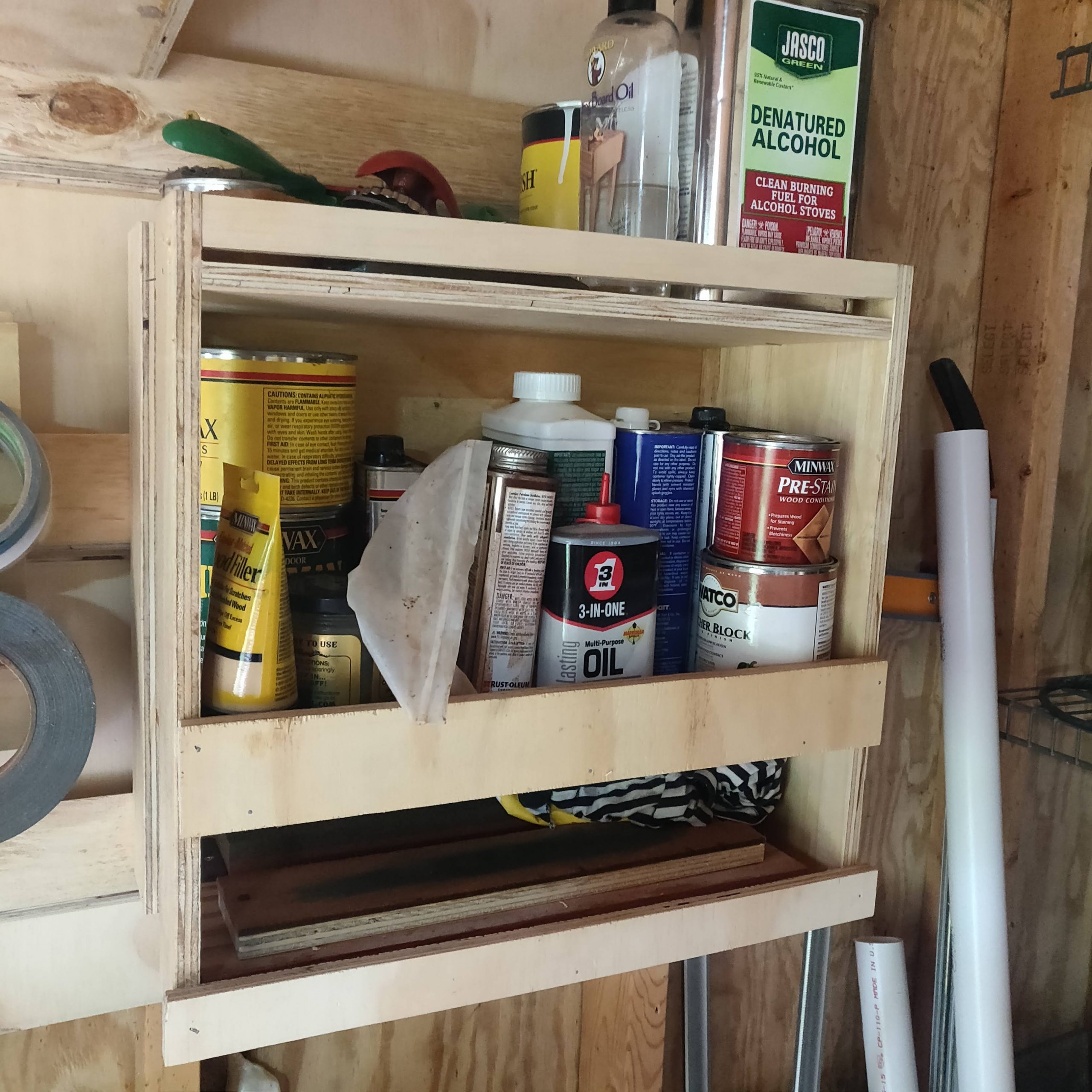
Walk into any woodshop and you find a shelf full of chemicals. Solvents, paints, varnishes, lacquers, oils, glues, and a host of other exotic and not so exotic solutions are a staple of the craft. These compounds are used to join, clean, prepare, and finish most woodworking projects, as well as maintain your tools. Do any amount of woodworking, and you’ll almost certainly accumulate a shelf of assorted, half-used, chemicals of your own. 

What’s almost certainly not present in most woodshops, especially hobbyist woodshops, are the Material Safety Data Sheets (MSDSs) for these chemicals. MSDSs tell you everything you could possibly want to know about the hazards associated with commercial chemical compounds. For many common woodworking products, the MSDSs are pretty intense. 

I’ll be completely honest here. I have never had MSDSs in my workshop. It was only while doing the background research for this article that I realized I needed to pay more attention to the assorted chemicals involved in the craft, and started compiling all the potential hazards. I suspect that the vast majority of hobbyist woodworkers are the same. 

Woodworking chemicals contain irritants, release volatile organic compounds (VOCs), are cut with heavy metals, and are often just plastic. They can be bad for your skin, bad for your lungs, and bad for your brain. When produced, disposed of, accidentally discharged, or as they break down through regular wear, they can release harmful compounds into the environment. If not disposed of correctly, some of these products will spontaneously burst into flames.

Read More “Getting a handle on workworking chemicals, or sometimes we all need to vent.” »

Popular Posts

What Ocean Ramsey does is not shark science or conservation: some brief thoughts on "the Shark Whisperer" documentaryWhat Ocean Ramsey does is not shark science or conservation: some brief thoughts on "the Shark Whisperer" documentaryJuly 2, 2025David Shiffman
What is a Sand Shark?What is a Sand Shark?November 12, 2017Chuck Bangley
That's not a blobfish: Deep Sea Social Media is Flooded by AI SlopThat's not a blobfish: Deep Sea Social Media is Flooded by AI SlopDecember 19, 2025Andrew Thaler
Critically Endangered sawfish are spinning in circles until they die. What the heck is going on?Critically Endangered sawfish are spinning in circles until they die. What the heck is going on?May 29, 2024David Shiffman
Shark of Darkness: Wrath of Submarine is a fake documentaryShark of Darkness: Wrath of Submarine is a fake documentaryAugust 10, 2014Michelle Jewell
For when the madness ends: a 5-point plan for getting conservation back on track in the USFor when the madness ends: a 5-point plan for getting conservation back on track in the USJuly 9, 2026Southern Fried Science
Oh Hell No: Ten Years of SharkNadoOh Hell No: Ten Years of SharkNadoAugust 16, 2023David Shiffman
Blood and Brains - can vampires survive a zombie apocalypse?October 30, 2009Andrew Thaler
Our favorite sea monsters – Ningen (#4)Our favorite sea monsters – Ningen (#4)September 7, 2010Andrew Thaler
Four things everyone needs to know about sharks: A shark conservation documentary and lesson planMarch 20, 2010David Shiffman
Subscribe to our RSS Feed for updates whenever new articles are published.

We recommend Feedly for RSS management. It's like Google Reader, except it still exists.

Southern Fried Science

  • Home
  • About SFS
  • Authors
  • Support SFS


If you enjoy Southern Fried Science, consider contributing to our Patreon campaign.

Copyright © 2026 Southern Fried Science.

Theme: Oceanly Premium by ScriptsTown