Skip to content

Southern Fried Science

Over 15 years of ocean science and conservation online

  • Home
  • About SFS
  • Authors
  • Support SFS

Tag: Jules Verne

5 fantastic nautical science fiction novels

Posted on January 27, 2014March 4, 2018 By Andrew Thaler 5 Comments on 5 fantastic nautical science fiction novels
Popular Culture
Enterprise versus Enterprise. From ForeignPolicy.com

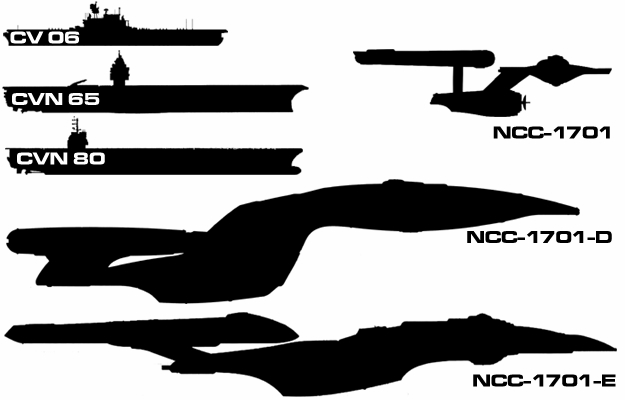
One thing I’ve discovered by publishing my first work of nautical science fiction is that the field is incredibly small. There just doesn’t seem to be that many SciFi writers taking their stories out to sea. This seems strange to me, as most of the great space operas are really nautical tales. There’s a reason that TV Tropes has an exhaustive list of entries under “Space is an Ocean” (and, for that matter, “Space Whale“, because we can’t ever have enough Moby-Dick-in-Space stories). It isn’t a coincidence that the US Navy has named at least 7 ships Enterprise (FYI, the aircraft carrier CVN-80 Enterprise is actually bigger than the starship NCC-1701 Enterprise).

So here are my 5 favorite maritime science fiction stories.
Title page for 20,000 Leagues by Jules Verne

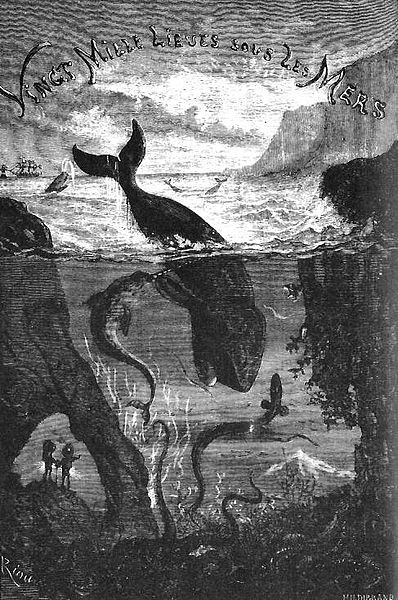
Twenty Thousand Leagues Under the Sea by Jules Verne.

The Grand Daddy of maritime science fiction, 20,000 Leagues still holds up. Even though the science is dated, Verne’s insight shines through, predicting the deep-sea gold rush more than 100 years before we even knew about the geologic formations that would produce seafloor massive sulfides. Considering that almost one-fifth of all deep-sea hydrothermal vents are currently at risk for deep-sea mining, Captain Nemo’s declaration that “in the depths of the ocean, there are mines of zinc, iron, silver and gold that would be quite easy to exploit” is particularly prescient.

Read More “5 fantastic nautical science fiction novels” »

Mining the Deep Sea: what’s it worth?

Posted on December 13, 2011December 15, 2011 By Andrew Thaler
Conservation, Science

a fragment of a hydrothermal vent
The shimmering insides of a vent chimney

In Jules Verne’s 20,000 Leagues Under the Sea*, the iconic Captain Nemo announced that “in the depths of the ocean, there are mines of zinc, iron, silver and gold that would be quite easy to exploit” while predicting that the abundance of marine resources could satisfy human need. If the pace of development for deep-sea mining projects and the estimated value of deep-sea ores is any indicator, it seems as though our misanthropic mariner was wrong on both counts.

In The abundance of seafloor massive sulfide deposits, an international team of geologists attempts to quantify the total available copper and zinc contained in deep-sea massive sulfide mounds. Seafloor massive sulfide mounds are a byproduct of the processes that create deep-sea hydrothermal vents. As super-heated sea water emerges from the vent, it deposits heavy metals and other elements and minerals along the walls of the vent. Over thousands of years, an active vent field can build up a huge mound of metal and mineral rich ore – a massive sulfide mound. In addition to copper and zinc, these mounds can contain gold and silver. Generally, the ore is of much higher quality than its terrestrial counterpart. Over the last few decades, many exploration companies were eyeing these deposits, but it’s only recently that technological developments and economic incentives have aligned to permit potentially profitable deep-sea mining.

Read More “Mining the Deep Sea: what’s it worth?” »

Popular Posts

Shark scientists want their research to help save threatened species, but don’t know how. Our new paper can help.Shark scientists want their research to help save threatened species, but don’t know how. Our new paper can help.December 1, 2025David Shiffman
Norway and Cook Islands put their deep-sea mining plans on pause.Norway and Cook Islands put their deep-sea mining plans on pause.December 3, 2025Andrew Thaler
What Ocean Ramsey does is not shark science or conservation: some brief thoughts on "the Shark Whisperer" documentaryWhat Ocean Ramsey does is not shark science or conservation: some brief thoughts on "the Shark Whisperer" documentaryJuly 2, 2025David Shiffman
The Trouble with Teacup PigsThe Trouble with Teacup PigsOctober 14, 2012Andrew Thaler
What we know we don't know: impacts of deep-sea mining on whales, dolphins, sharks, turtles, and other migratory species.What we know we don't know: impacts of deep-sea mining on whales, dolphins, sharks, turtles, and other migratory species.November 20, 2025Andrew Thaler
2025: My year in writing, public speaking, and media interviews2025: My year in writing, public speaking, and media interviewsDecember 3, 2025David Shiffman
Urea and Shark OsmoregulationUrea and Shark OsmoregulationNovember 15, 2010David Shiffman
Shark of Darkness: Wrath of Submarine is a fake documentaryShark of Darkness: Wrath of Submarine is a fake documentaryAugust 10, 2014Michelle Jewell
How tiny satellites are tracking marine wildlifeDecember 1, 2025Andrew Thaler
Build a dirt cheap, tough-as-nails field computer in a Pelican caseBuild a dirt cheap, tough-as-nails field computer in a Pelican caseJuly 21, 2015Andrew Thaler
Subscribe to our RSS Feed for updates whenever new articles are published.

We recommend Feedly for RSS management. It's like Google Reader, except it still exists.

Southern Fried Science

  • Home
  • About SFS
  • Authors
  • Support SFS


If you enjoy Southern Fried Science, consider contributing to our Patreon campaign.

Copyright © 2025 Southern Fried Science.

Theme: Oceanly Premium by ScriptsTown