Skip to content

Southern Fried Science

Over 15 years of ocean science and conservation online

  • Home
  • About SFS
  • Authors
  • Support SFS

Tag: mars

Monday Morning Salvage: December 26, 2016

Posted on December 26, 2016December 25, 2016 By Andrew Thaler
Weekly Salvage

Welcome back! We missed a week while I was traveling across the Commonwealth of the Northern Marianas Islands and Guam, so dig in and enjoy!

Flotsam (what we’re obsessed with right now)

  • The Mariana Trench!

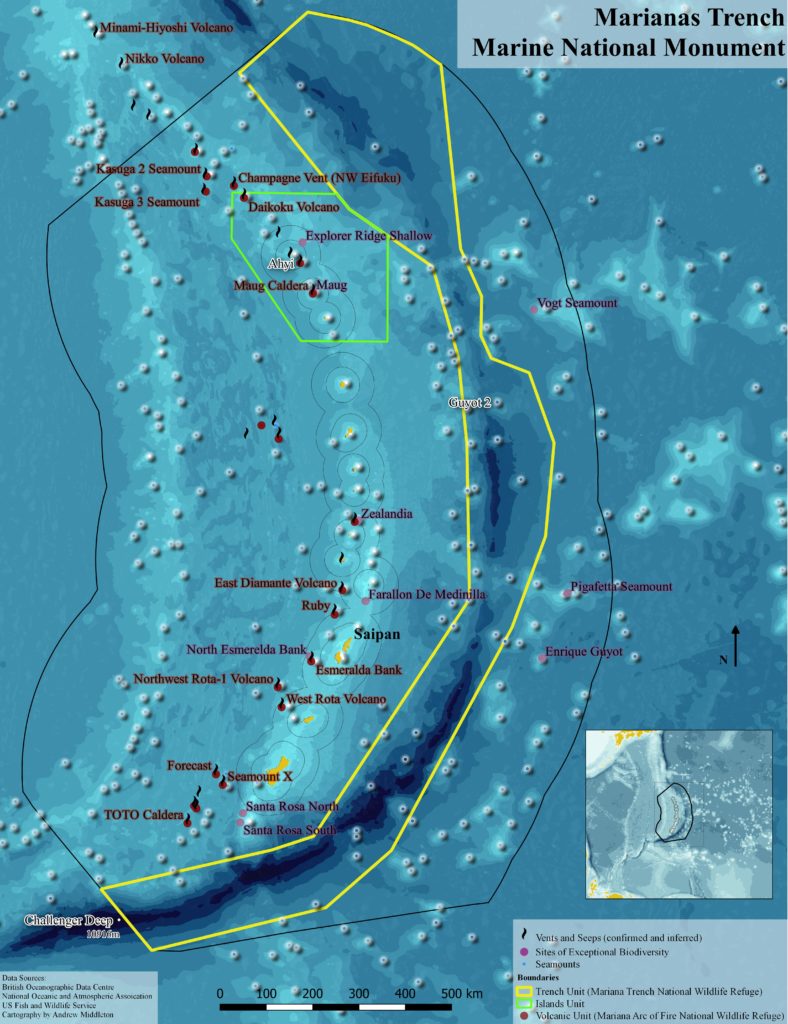
The Mariana Trench Monument

  • It’s the deepest place on the planet and we’ve been all hands on deck sharing the latest science from the bottom of the ocean with our friends in Saipan, Tinian, Rota, and Guam. Check out our expedition on OpenExplorer for a blow by blow of the 12-day adventure. Visit the Friends of the Mariana Trench Marine National Monument Facebook page for more exciting stories from the field. We even got some nice coverage in the local press: Marine scientists talks about Marianas Trench at Rotary and Marianas Trench Marine National Monument to be discussed on ‘Your Humanities Half-Hour’.
  • The Guam Daily Post has my favorite coverage of this adventure: With the help of a tiny robot, scientists deepen support for a Mariana Trench sanctuary.
Read More “Monday Morning Salvage: December 26, 2016” »

Gliding on starlight: Celestial Navigation for Martian Explorers

Posted on January 23, 2016January 15, 2016 By Andrew Thaler 1 Comment on Gliding on starlight: Celestial Navigation for Martian Explorers
Uncategorized

On January 1, 2016, the Southern Fried Science central server began uploading blog posts apparently circa 2041. Due to a related corruption of the contemporary database, we are, at this time, unable to remove these Field Notes from the Future or prevent the uploading of additional posts. Please enjoy this glimpse into the ocean future while we attempt to rectify the situation.


Thousands of years ago, merchants on the Arabian Peninsula would cross vast, featureless desert as they traveled from settlement to settlement, selling their goods. They had no roads, no maps, no GPS, yet still they managed to find their mark. They accomplished this tremendous feat of navigation with the help of the stars and a tiny instrument called a kamal.

The kamal was a piece of wood, bone, or ivory, with a piece of string threaded through it at a precise point and measured out to a precise distance. By sighting the kamal against the horizon and the north star, these merchants could maintain a constant latitude as they marchd across the desert, and find their way home. For millennia, this basic principal–that the celestial pole could, with the right instrument, reveal latitude–was the driving force for exploration, trade, and travel. Polynesian sailors used latitude hooks to mark their journey. Portuguese explorers used quadrants to find their way across the Atlantic and around Africa. The age of discovery was already entering its twilight by the time we had figured out longitude–the great scientific puzzle of an generation. For most, simply knowing latitude and cardinal direction was enough to circle the world and return home.

The Martian Circumtropical Expedition kicks off net month, with teams from 17 nations racing to see who will be first to circumnavigate the red planet. Their sandgliders will be outfitted with the most sophisticated expedition gear that their sponsors can afford, costing, at the low end, hundreds of millions of dollars. The budget for China’s team surpasses the GDP of most countries. These will be the best outfitted and most connected explorers in history.

What happens if things go wrong?

Read More “Gliding on starlight: Celestial Navigation for Martian Explorers” »

Fun Science Friday – Mars One

Posted on January 17, 2014January 17, 2014 By Kersey Sturdivant
Uncategorized
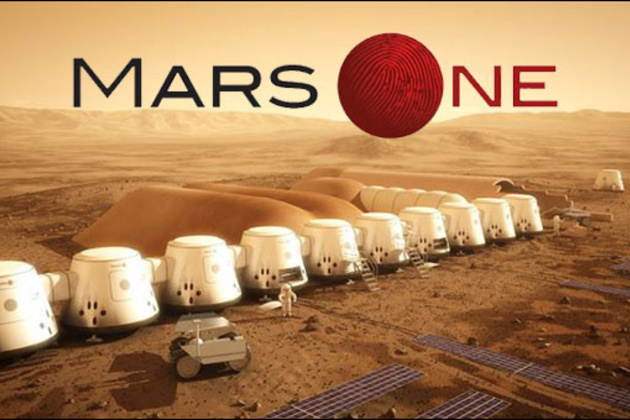
Theoretical schematic of the Mars One habitat,  Photo Credit: Mars One
Theoretical schematic of the Mars One habitat,
Photo Credit: Mars One

Maybe you have heard about it, or maybe you haven’t, but Man… Man is headed to Mars! …. or at least Man is going to try!

In recent years space expeditions have shifted focus towards reaching the red planet. Of the different campaigns to travel to Mars, Mars One has probably gotten the most press recently. As stated on their site, Mars One’s goal is to establish a permanent human settlement on Mars. Crews of four will depart every two years, starting in 2024, with a first unmanned mission in 2018.

For good or bad, Mars One is taking the Colonialism Era approach. Send out explorers without the guarantee of return and see what happens. And despite the obvious one-way ticket approach of their endeavor, there are an abundant source of participants ready to step up for this, literally and figuratively, ‘once in a lifetime’ opportunity.  Mars One had over 200,000 applicants, and recently whittled  that field down to a little over a thousand. Over the next few years these individuals will undergo training that should in theory prepare them for one of the most daunting missions mankind has ever undertaken.

Read More “Fun Science Friday – Mars One” »

Popular Posts

How close did the world's first deep-sea mining come to the dredging the world's largest cold-water coral reef?How close did the world's first deep-sea mining come to the dredging the world's largest cold-water coral reef?March 17, 2026Andrew Thaler
What Ocean Ramsey does is not shark science or conservation: some brief thoughts on "the Shark Whisperer" documentaryWhat Ocean Ramsey does is not shark science or conservation: some brief thoughts on "the Shark Whisperer" documentaryJuly 2, 2025David Shiffman
That's not a blobfish: Deep Sea Social Media is Flooded by AI SlopThat's not a blobfish: Deep Sea Social Media is Flooded by AI SlopDecember 19, 2025Andrew Thaler
Urea and Shark OsmoregulationUrea and Shark OsmoregulationNovember 15, 2010David Shiffman
Tangier, an Island out of Time.Tangier, an Island out of Time.July 3, 2017Andrew Thaler
Here's what I teach my students about finding jobs in marine biology and conservationHere's what I teach my students about finding jobs in marine biology and conservationApril 10, 2024David Shiffman
Shark of Darkness: Wrath of Submarine is a fake documentaryShark of Darkness: Wrath of Submarine is a fake documentaryAugust 10, 2014Michelle Jewell
America's Second-Largest Estuary is a Lagoon Full of SharksAmerica's Second-Largest Estuary is a Lagoon Full of SharksApril 12, 2018Chuck Bangley
The story of the pride flag made from NASA imagery: Bluesky's most-liked imageThe story of the pride flag made from NASA imagery: Bluesky's most-liked imageSeptember 27, 2024David Shiffman
Alberta, Canada is the proud owner of the largest man-made pyramid on the planetAlberta, Canada is the proud owner of the largest man-made pyramid on the planetOctober 16, 2012Andrew Thaler
Subscribe to our RSS Feed for updates whenever new articles are published.

We recommend Feedly for RSS management. It's like Google Reader, except it still exists.

Southern Fried Science

  • Home
  • About SFS
  • Authors
  • Support SFS


If you enjoy Southern Fried Science, consider contributing to our Patreon campaign.

Copyright © 2026 Southern Fried Science.

Theme: Oceanly Premium by ScriptsTown