Skip to content

Southern Fried Science

Over 15 years of ocean science and conservation online

  • Home
  • About SFS
  • Authors
  • Support SFS

Tag: sea turtles

Thursday Afternoon Dredging: February 16th, 2017

Posted on February 16, 2017February 16, 2017 By David Shiffman
Uncategorized

Cuttings (short and sweet):

Logo by Ethan Kocak
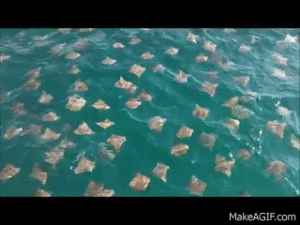
  • Watch cownose rays migrate past Destin, Florida, filmed by a parasailer
  • Follow Abby Lawson, a Ph.D. candidate researching alligators, on twitter!
  • Debunking myths about ocean garbage patches. From the NOAA restoration blog
  • What does BREXIT mean for UK fishing rights? By Daniel Boffey, for the Guardian

Read More “Thursday Afternoon Dredging: February 16th, 2017” »

Blue Pints Episode 10: Lionfish and Turtle Tales

Posted on June 3, 2013October 27, 2013 By Andrew Thaler
Uncategorized

httpv://www.youtube.com/watch?v=ZCDgPjz9dv0

Swordfish, certifications, and sustainable seafood

Posted on May 1, 2012October 27, 2013 By Guest Writer 4 Comments on Swordfish, certifications, and sustainable seafood
Science

Jordan Nikoloyuk is the Sustainable Fisheries Coordinator of the Ecology Action Centre, a membership-based community environmental organization based in Nova Scotia, Canada. The Marine Issues Committee of the EAC was founded in 1995 after the collapse of the Atlantic Canadian groundfish stocks and works towards conserving and protecting marine ecosystems and maintaining sustainable fisheries and vibrant coastal communities.

As part of its sustainable seafood work and through its Friends of Hector campaign – www.friendsofhector.org – the EAC has participated in many Marine Stewardship Council assessments for Atlantic Canadian fisheries and encouraged retailers to support certified fisheries. Jordan has written this guest post to share his recent experiences with a certification that has left the EAC and other conservation organizations wondering whether seafood certification can contribute to sustainable fisheries management in the long term, or if the conflict between keeping an eco-label rigorous on the one hand and expanding its market appeal on the other is just too difficult to manage. What do you think?

The best way to buy seafood responsibly is to read a sustainable seafood guide and ask your retailer the two big questions: where is this from and how was it caught? When getting these answers is tough, many people turn to eco-certifications and labelling. Despite some increasingly controversial certifications, the Marine Stewardship Council (MSC) is considered to be the most trusted and reliable label, but how many unsustainable fishery certifications will it take to ruin this credibility?

Last week, after lengthy and widespread opposition, the MSC approved certification of the Atlantic Canadian longline swordfish fishery, which catches 100,000 sharks and 1,400 endangered sea turtles every year. The Ecology Action Centre spent almost two years working to oppose this greenwashing. Now we are left asking: how can we promote sustainable fisheries with organizations the size of the MSC working against us? When a definition of sustainability is so weak that it lets the status quo continue, can this be seen as an effective ‘market-driven solution’?

Read More “Swordfish, certifications, and sustainable seafood” »

Saving Nemo: 1 out of 6 species that appear in Finding Nemo are threatened with extinction

Posted on December 12, 2011December 13, 2011 By David Shiffman 3 Comments on Saving Nemo: 1 out of 6 species that appear in Finding Nemo are threatened with extinction
Conservation, Popular Culture, Science

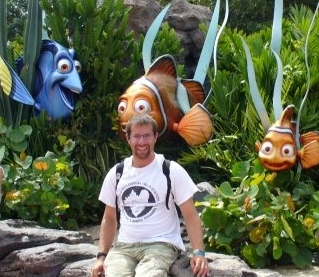
WhySharksMatter found Nemo at Disney's Living Seas Aquarium

Like most marine biology geeks, I’m a huge fan of Disney/Pixar’s “Finding Nemo”. In addition to a heartwarming story of a father trying to bring his son home to their aneme…anemeneme… amenememe… anemone,  the film showcases an enormous variety of beautiful real-life coral reef species. According to  research published today in Conservation Letters, however, we may soon only be able to see some of these animals in the movies. The paper, titled “Extinction Risk and Bottlenecks in the Conservation of Charismatic Marine Species”, concluded that many of the stars of Finding Nemo are in deep trouble.

Read More “Saving Nemo: 1 out of 6 species that appear in Finding Nemo are threatened with extinction” »

#SciFund Challenge: Turtles in the Deep

Posted on November 9, 2011December 9, 2011 By Andrew Thaler 1 Comment on #SciFund Challenge: Turtles in the Deep
Science

#SciFund is a month-and-a-half long initiative to raise funds for a variety of scientific research projects. Project leaders post a project description and an appeal for funds, and members of the public are invited to make small donations to projects that they deem worthy. Donations come with rewards such as access to project logs, images from … Read More “#SciFund Challenge: Turtles in the Deep” »

Biodiversity Wednesday – Archie Carr National Wildlife Refuge

Posted on January 19, 2011January 19, 2011 By David Shiffman
Conservation
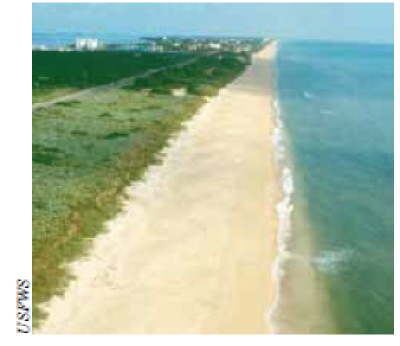
These beaches are narrow, beautiful, and largely undeveloped

On the east coast of Florida lies a thin, 20 mile long stretch of beach. It looks a great deal like the many other beaches in Florida, but one important difference is immediately clear. It is some of the least developed beachfront real estate in the United States, which is particularly jarring considering that it is close to the city of Melbourne and right off of the major A-1-A highway. Why isn’t this beautiful and accessible stretch of beach covered in hotels and luxury apartments?

An enormous number of signs listing the things you can’t do on this beach also grabs your attention. No ATV’s, horses, dogs, or beach chairs are allowed. Feeding wildlife, including seagulls, is strictly prohibited. Under no circumstances can you build a campfire- not that you’d need to, since the public isn’t allowed on the beach at all after dark.

What is this place?

Read More “Biodiversity Wednesday – Archie Carr National Wildlife Refuge” »

Turtle excluder devices: analysis of resistance to a successful conservation policy

Posted on January 7, 2011December 31, 2011 By David Shiffman 9 Comments on Turtle excluder devices: analysis of resistance to a successful conservation policy
Conservation

Conservation efforts often have an associated tradeoff, and many proposed solutions are shot down because the costs are perceived to be too high. A conservation policy that benefited a charismatic endangered species with very little cost should be popular and enthusiastically adopted. However, even though turtle excluder devices greatly reduce sea turtle mortality and have very low costs, they were vigorously opposed by shrimpers. Though many factors contributed to this opposition to turtle excluder devices, analysis of quotes from newspaper articles reveals that one of the major issues was a failure of the conservation community to educate and communicate with shrimpers.

The problem

Most species of sea turtles are either threatened or endangered. Although they face many threats, a 1990 National Academy of Sciences study reached the conclusion that “drowning in shrimp trawls kills more sea turtles than all other human activities combined”. Trawling consists of dragging a large net behind a boat to catch shrimp. This fishing method has one of the highest bycatch rates of any used today, resulting in over 11 million metric tons of bycatch a year. Sea turtles breathe at the surface, and being trapped underwater in a net can be fatal if they aren’t freed in time. Adult loggerhead turtles can hold their breath for up to 45 minutes, but trawlers often wait up to four hours before hauling in their nets. This resulted in an estimated 48,000 sea turtles caught in trawl nets each year from 1973-1984 in U.S. waters, of which 11,000 died . Gulf of Mexico shrimping was particularly hard on loggerhead and kemp’s ridley sea turtles.

Read More “Turtle excluder devices: analysis of resistance to a successful conservation policy” »

Altered sea turtle sex ratios: Can global warming harm warm-water animals?

Posted on October 12, 2010 By David Shiffman 5 Comments on Altered sea turtle sex ratios: Can global warming harm warm-water animals?
Conservation, Science

When most people think of an animal threatened by global warming, images of a polar bear drowning because of lost ice habitat come to mind. Few know that climate change can also threaten animals used to living in environments much warmer than the Arctic. Even when you’re used to heat, too much heat can be a serious problem- particularly in vulnerable early life history stages.

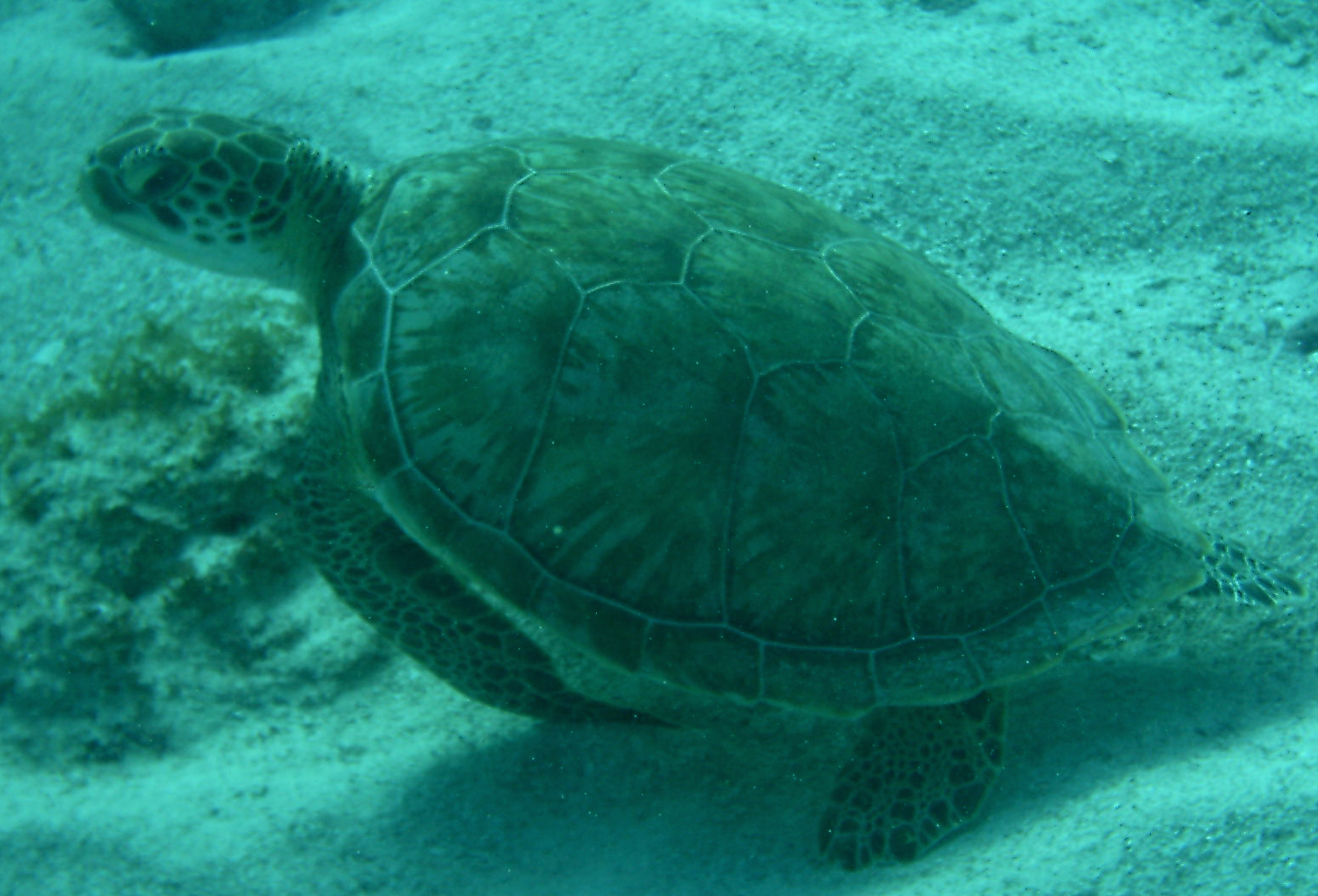
One example of this phenomenon is the sea turtle. Though one species (the leatherback) often ventures into Arctic waters, the other species are largely confined to tropical and temperate climates. All seven species are threatened or endangered due to decades of bycatch mortality and habitat destruction, and they are in serious trouble as a result of warming beach temperatures.

Photo credit: David Shiffman

Read More “Altered sea turtle sex ratios: Can global warming harm warm-water animals?” »

A short note on the “turtle harvest” e-mail

Posted on October 8, 2010 By Andrew Thaler
Conservation, Science

An e-mail has been making the rounds over the last few weeks purports to show evidence of an illegal turtle egg harvest in Costa Rica. It contains several pictures like this: While the pictures are real, the e-mail is misleading. They show a sustainable, legal turtle harvest that actually helps the Olive Ridley turtle population. … Read More “A short note on the “turtle harvest” e-mail” »

Posts pagination

Previous 1 2

Popular Posts

Shark scientists want their research to help save threatened species, but don’t know how. Our new paper can help.Shark scientists want their research to help save threatened species, but don’t know how. Our new paper can help.December 1, 2025David Shiffman
Norway and Cook Islands put their deep-sea mining plans on pause.Norway and Cook Islands put their deep-sea mining plans on pause.December 3, 2025Andrew Thaler
What Ocean Ramsey does is not shark science or conservation: some brief thoughts on "the Shark Whisperer" documentaryWhat Ocean Ramsey does is not shark science or conservation: some brief thoughts on "the Shark Whisperer" documentaryJuly 2, 2025David Shiffman
What we know we don't know: impacts of deep-sea mining on whales, dolphins, sharks, turtles, and other migratory species.What we know we don't know: impacts of deep-sea mining on whales, dolphins, sharks, turtles, and other migratory species.November 20, 2025Andrew Thaler
2025: My year in writing, public speaking, and media interviews2025: My year in writing, public speaking, and media interviewsDecember 3, 2025David Shiffman
The Trouble with Teacup PigsThe Trouble with Teacup PigsOctober 14, 2012Andrew Thaler
Urea and Shark OsmoregulationUrea and Shark OsmoregulationNovember 15, 2010David Shiffman
How tiny satellites are tracking marine wildlifeDecember 1, 2025Andrew Thaler
Shark of Darkness: Wrath of Submarine is a fake documentaryShark of Darkness: Wrath of Submarine is a fake documentaryAugust 10, 2014Michelle Jewell
Quick Tips for Graduate Student Life - Write a Book ReviewJanuary 23, 2014Andrew Thaler
Subscribe to our RSS Feed for updates whenever new articles are published.

We recommend Feedly for RSS management. It's like Google Reader, except it still exists.

Southern Fried Science

  • Home
  • About SFS
  • Authors
  • Support SFS


If you enjoy Southern Fried Science, consider contributing to our Patreon campaign.

Copyright © 2025 Southern Fried Science.

Theme: Oceanly Premium by ScriptsTown