Skip to content

Southern Fried Science

Over 15 years of ocean science and conservation online

  • Home
  • About SFS
  • Authors
  • Support SFS

Fun Science FRIEDay – Open-Acess Science for the Masses

Posted on July 15, 2016 By Kersey Sturdivant
Oceanography for Everyone, Open Science, Uncategorized

The oceans belong to all of us. With this simple statement in mind, the Oceanography for Everyone (OfE) project was launched with the goal of making ocean science more accessible. One of the biggest hurdles in conducting ocean science is instrumentation costs, and 4 years ago the OfE team began trying to make one of the most basic ocean science tools, the CTD (a water quality sensor that measures Conductivity-Temperature-Depth), cheaper… much, much cheaper!
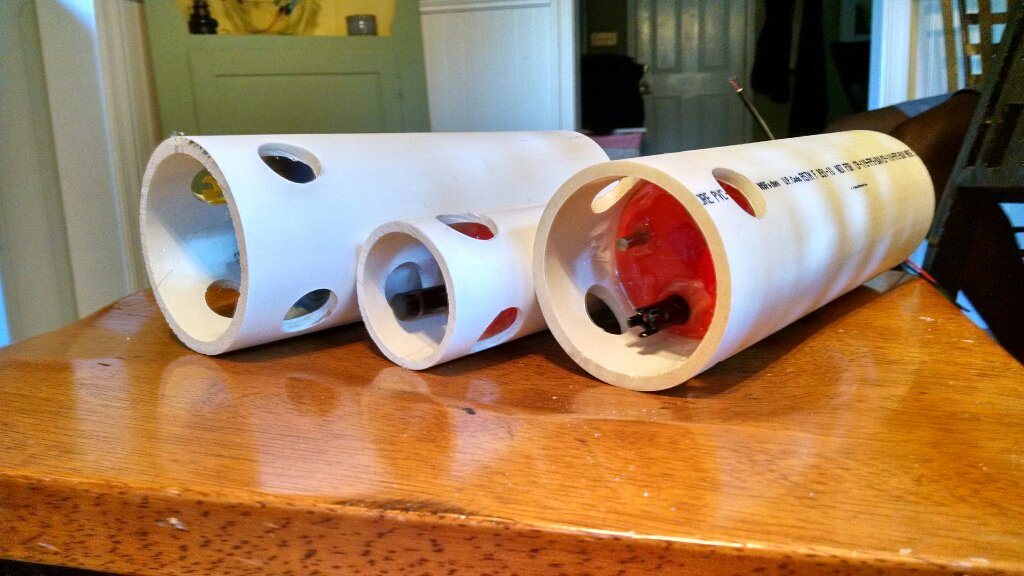
3 OpenCTD Prototypes (Photo Credit: Andrew Thaler)
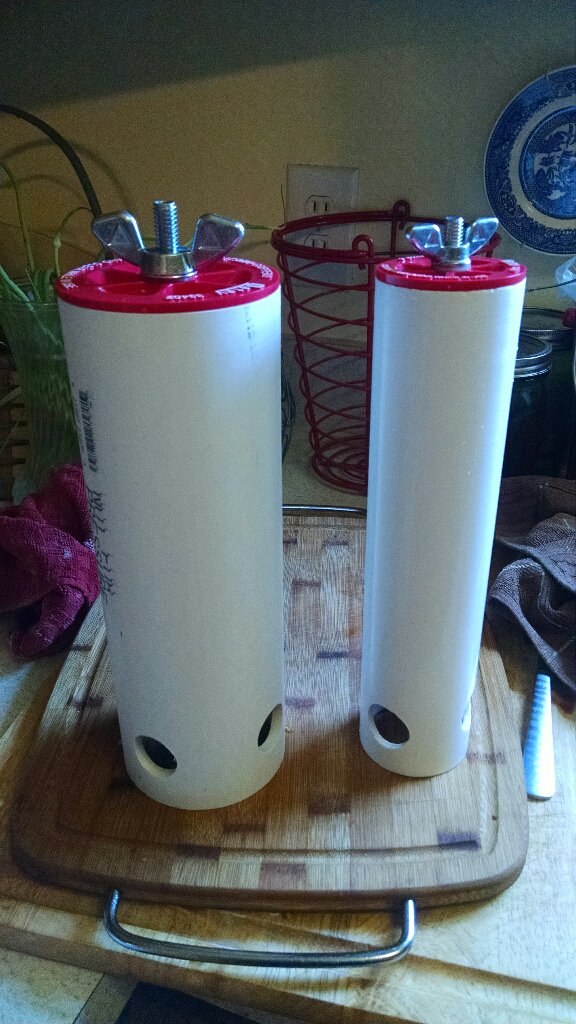
Open CTD Prototypes (Photo Credit: Kersey Sturdivant)

If you missed it, the team over at Oceanography for Everyone finalized their flagship product, the OpenCTD, a few weeks ago with the epic #HackTheOcean workshop. During an intensive weekend the OfE team built 3 working OpenCTD prototypes. These devices were the culmination of years of trial and error, with numerous failed, or not sufficiently functional, prototypes. Learning from those experiences, and building on the support of a burgeoning community, OfE was born, and OpenCTD finally reached fruition.

These low cost water quality datasondes are currently undergoing rigorous comparative testing against some of the industry leaders in water quality sensor development (e.g. SeaBird, Insitu, etc.) and are preforming admirable (early test results find the OpenCTD performs with 2% of commercial measurements). The development of OpenCTD has the potential to reshape ocean science. Low cost, scientifically accurate, water quality sensors allow the breadth of ocean science to increase, increasing the intellectual scope addressing ocean problems (currently ocean science research is conducted primarily by wealthier western nations).
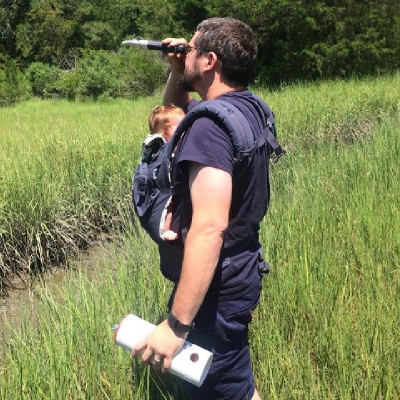
Andrew compares the OpenCTD readout to a hand refractometer, because apparently he's a hipster ecologist.
Andrew compares the OpenCTD readout to a hand refractometer, because apparently he’s a hipster ecologist.
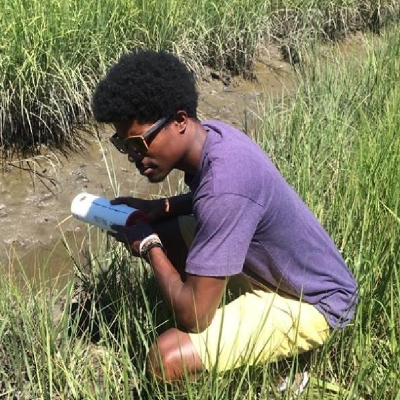
Kersey strike a pose while deploying an OpenCTD in our local estuary.


OpenCTD is currently the flagship product, but the OfE team has developed other low cost ocean science tools (Niskn 3-D, BeagleBox) and is currently working on how to incorporate the numerous request from other groups of open-source developers to join the OfE movement. It is essential for the future of ocean health, that low-cost effective tools be developed for ocean observations so more areas of the ocean can be observed and phenomena documented, and humanity as a whole can take nondestructive ownership of an environment that plays a critical role in their own survival.  The OfE team hopes to achieve that goal.
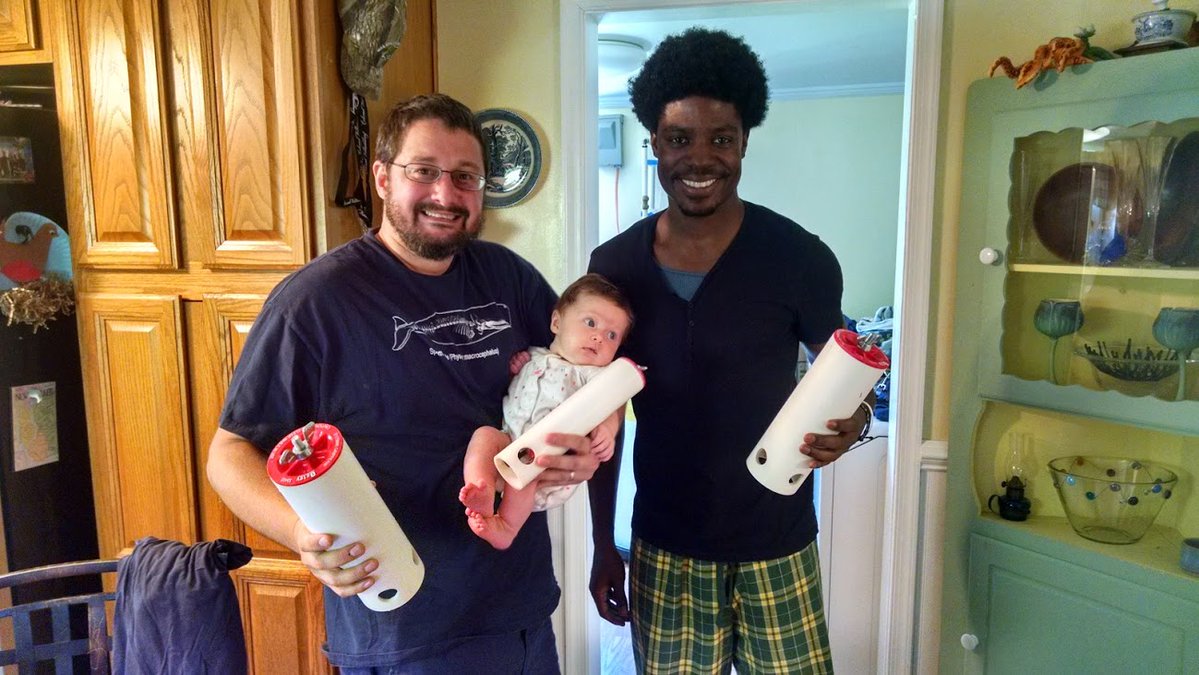
The OfE Team (Photo Credit: Mute Baby)

Join the movement. Provide your support. Spread the word.

Oceanography for Everyone!

Share this:

  • Share on Bluesky (Opens in new window) Bluesky
  • Share on Facebook (Opens in new window) Facebook
  • Share on Reddit (Opens in new window) Reddit
  • Share on Threads (Opens in new window) Threads
  • Share on WhatsApp (Opens in new window) WhatsApp
  • Share on Mastodon (Opens in new window) Mastodon

Related

Tags: citizen science marine science oceanography open source

Post navigation

❮ Previous Post: Bill that would ban SCUBA divers from feeding sharks in U.S. waters introduced in Congress
Next Post: An environmental educator’s field guide to Pokémon Go. ❯

You may also like

Conservation
From Sea and Sky: Hacking the Chesapeake with #BayBots
April 27, 2015
Weekly Salvage
Hagfish, chill Puffins, swamp monsters, the mining boat floats, and more! Monday Morning Salvage: April 2, 2018
April 2, 2018
Conservation
A Primer on Ethics in the Human Dimensions of Conservation
October 30, 2013
Weekly Salvage
Octopus Genes, Decolonization, and a mega-dose of Citizen Science! Monday Morning Salvage: April 10, 2017
April 10, 2017

Popular Posts

At least 74 practicing shark researchers: How a silly thing I said online raised thousands for conservationAt least 74 practicing shark researchers: How a silly thing I said online raised thousands for conservationFebruary 26, 2025David Shiffman
Why the new Trump order to shoot wolves is both illegal and a dreadful precedent for endangered speciesWhy the new Trump order to shoot wolves is both illegal and a dreadful precedent for endangered speciesSeptember 5, 2026Ali Gaster
Severely injured great white shark found, are scientists responsible?Severely injured great white shark found, are scientists responsible?March 29, 2011David Shiffman
5 things I learned helping to reassess the global conservation status of every species of tuna and billfish5 things I learned helping to reassess the global conservation status of every species of tuna and billfishSeptember 15, 2026David Shiffman
That's not a blobfish: Deep Sea Social Media is Flooded by AI SlopThat's not a blobfish: Deep Sea Social Media is Flooded by AI SlopDecember 19, 2025Andrew Thaler
Getting a sense of porpoiseJanuary 20, 2009Andrew Thaler
How to build a canoe from scratch on a graduate student stipendHow to build a canoe from scratch on a graduate student stipendApril 17, 2010Andrew Thaler
What is a Sand Shark?What is a Sand Shark?November 12, 2017Chuck Bangley
The Trump Administration’s latest attack on endangered speciesThe Trump Administration’s latest attack on endangered speciesSeptember 17, 2026Ali Gaster
What Ocean Ramsey does is not shark science or conservation: some brief thoughts on "the Shark Whisperer" documentaryWhat Ocean Ramsey does is not shark science or conservation: some brief thoughts on "the Shark Whisperer" documentaryJuly 2, 2025David Shiffman
Subscribe to our RSS Feed for updates whenever new articles are published.

We recommend Feedly for RSS management. It's like Google Reader, except it still exists.

Southern Fried Science

  • Home
  • About SFS
  • Authors
  • Support SFS


If you enjoy Southern Fried Science, consider contributing to our Patreon campaign.

Copyright © 2026 Southern Fried Science.

Theme: Oceanly Premium by ScriptsTown