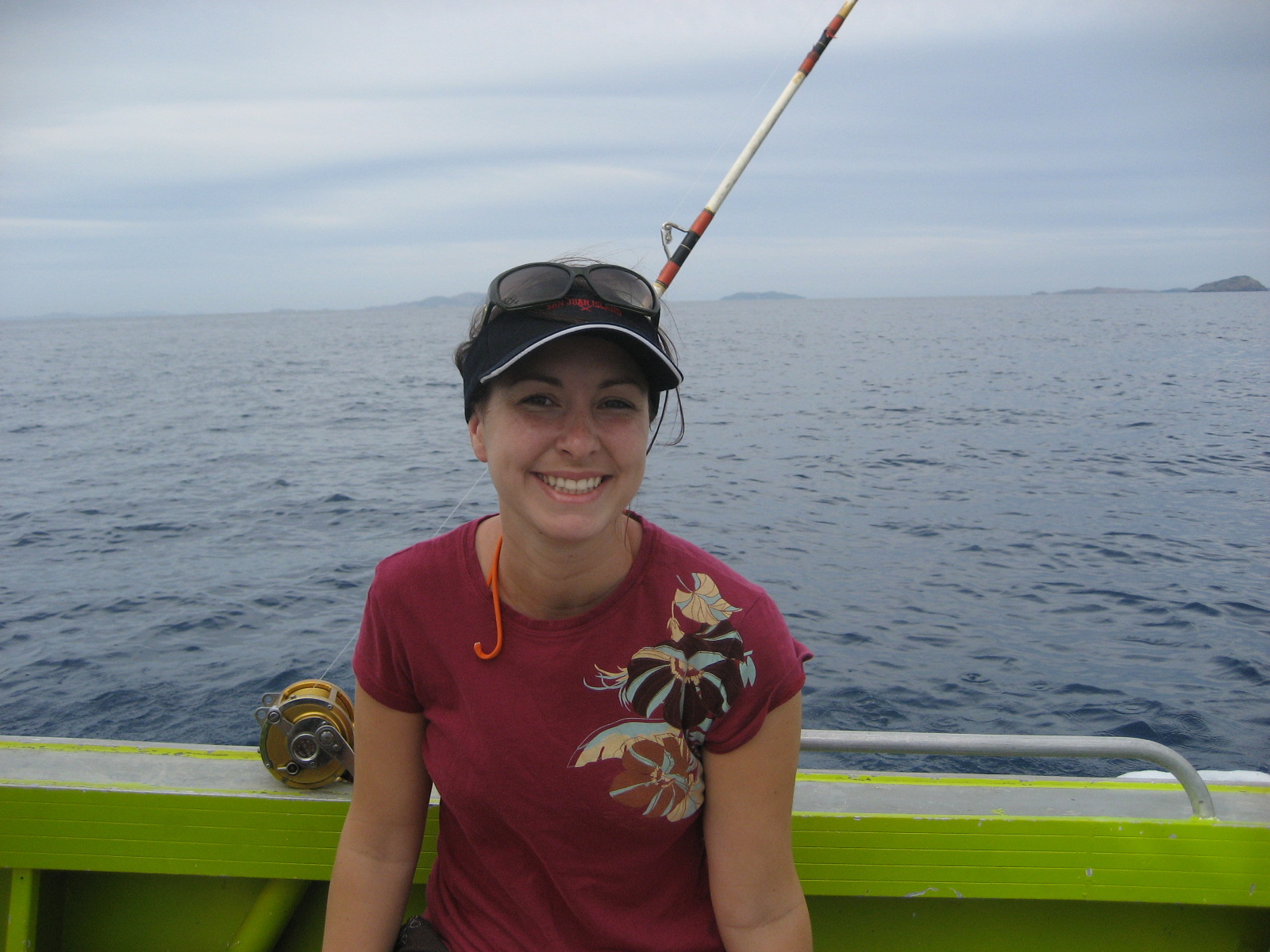
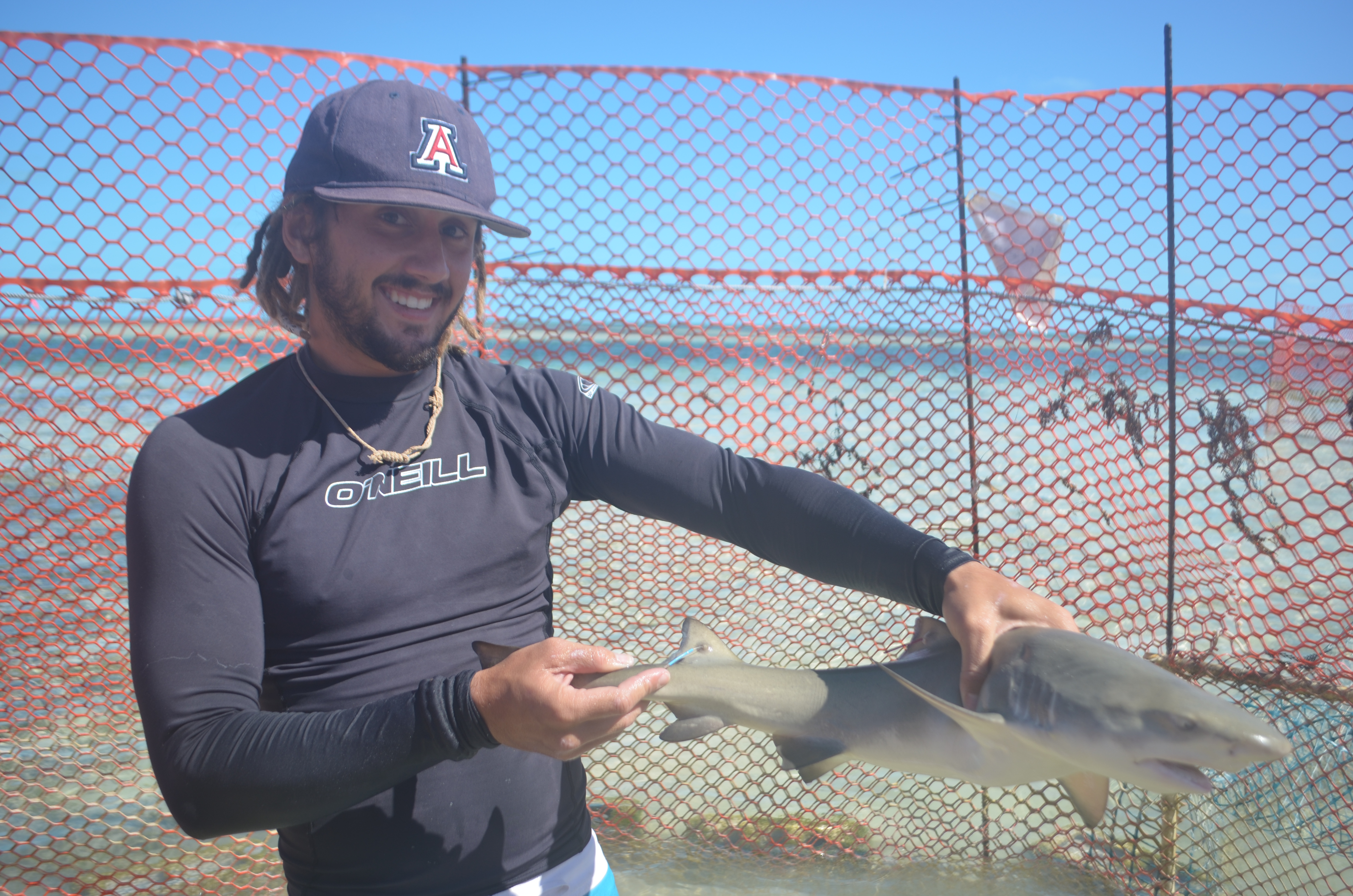
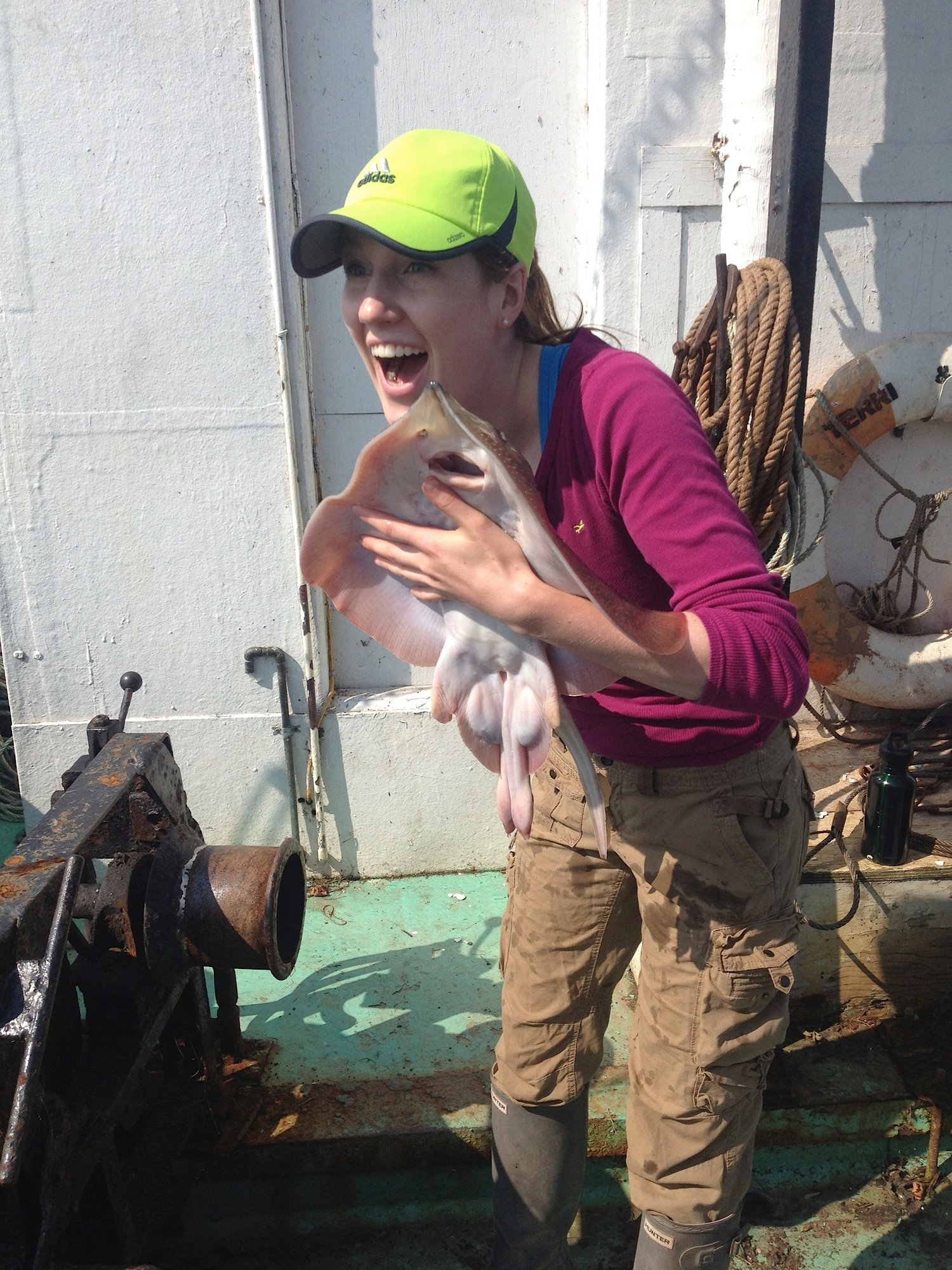
Kady Lyons is a Ph.D. candidate whose research focuses on the intersection of physiology, ecology and toxicology. Her Master’s at Cal State Long Beach with Dr. Chris Lowe got her involved in elasmobranch toxicology. She is interested in how elasmobranchs respond to anthropogenic contaminants and how contaminants can be used as another tool to study ecology. Currently, her Ph.D. is examining how accumulation of these man-made contaminants influences round stingray growth and reproduction. As part of her Master’s work, she began to investigate mercury accumulation and body distribution of mercury, a potent neurotoxin, in elasmobranchs using the round stingray as a model species. She is continuing to work on this project and will be raising funds to finish this research as part of The Experiment’s Sharks Grant Challenge beginning June 8th and running through the Discovery Channel’s Shark Week.
Mercury concentrations in the earth’s atmosphere have significantly increased with human activities such as mining and fossil fuel burning. Mercury can be transformed into its more dangerous form (methylmercury) and this form is what becomes concentrated in animals’ tissues. For animals that occupy higher positions in the food web such as elasmobranchs (sharks, skates and rays), mercury can bioaccumulate to high levels due to their long life and carnivorous behavior.
Read More “Help crowdfund shark research: Quick(silver?) stingrays” »


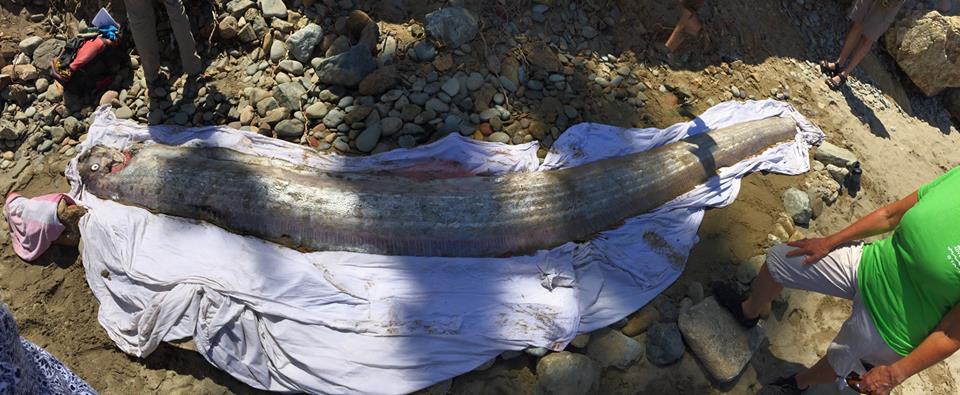
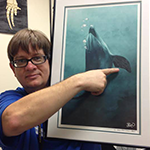 Joey Maier is a biology professor at Polk State College where he uses every possible opportunity to encourage his students to spend time in the water, play with technology, and do #CitizenScience. As an undergraduate, he did a stint as an intern for Mark Xitco and John Gory during their dolphin language experiments. He then spent the years of his M.Sc. at the University of Oklahoma thawing out and playing with bits of decaying dolphin. After discovering that computers lack that rotten-blubber smell, Joey became a UNIX sysadmin and later a CISSP security analyst.
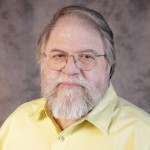
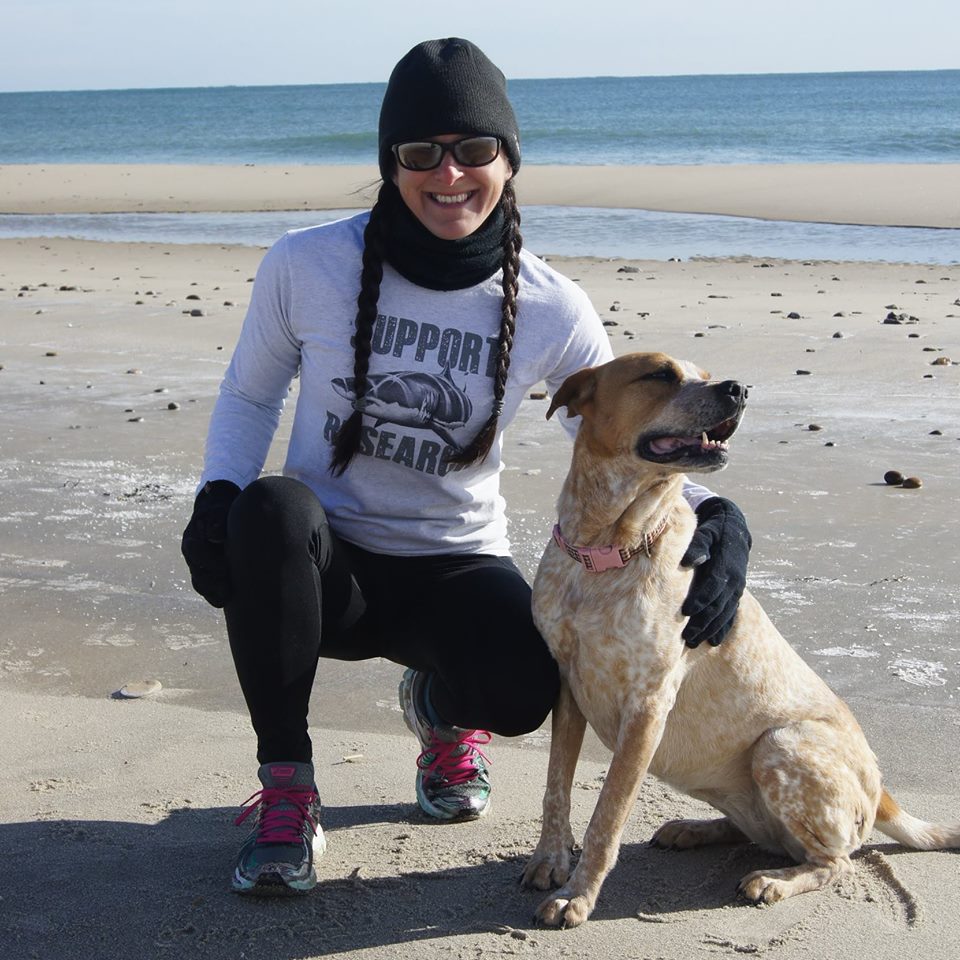
 Rachel Skubel graduated with an M.Sc. in Environmental Science from McMaster University where she studied climate impacts on water cycling in temperate forests, and a B.Sc. from the University of Western Ontario. Her current research interests revolve around how oceanic predators will be impacted by anthropogenic environmental changes. She is a currently a shark research intern with Dr. Neil Hammerschlag’s lab at the University of Miami.