Skip to content

Southern Fried Science

Over 15 years of ocean science and conservation online

  • Home
  • About SFS
  • Authors
  • Support SFS

Category: Blogging

Politely optimistic: What do the Canadian election results mean for ocean science and conservation?

Posted on October 20, 2015October 20, 2015 By Guest Writer 2 Comments on Politely optimistic: What do the Canadian election results mean for ocean science and conservation?
Blogging

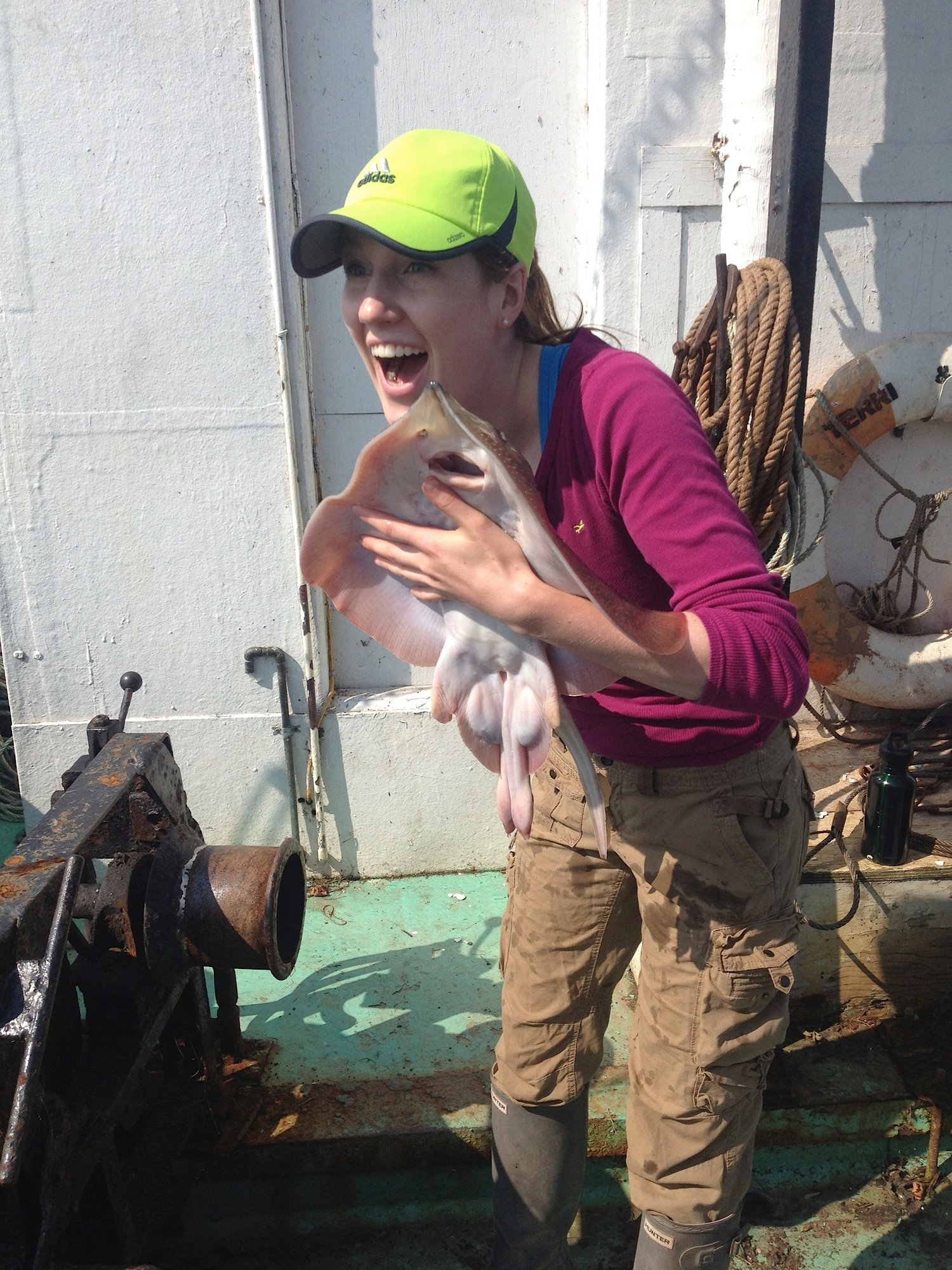
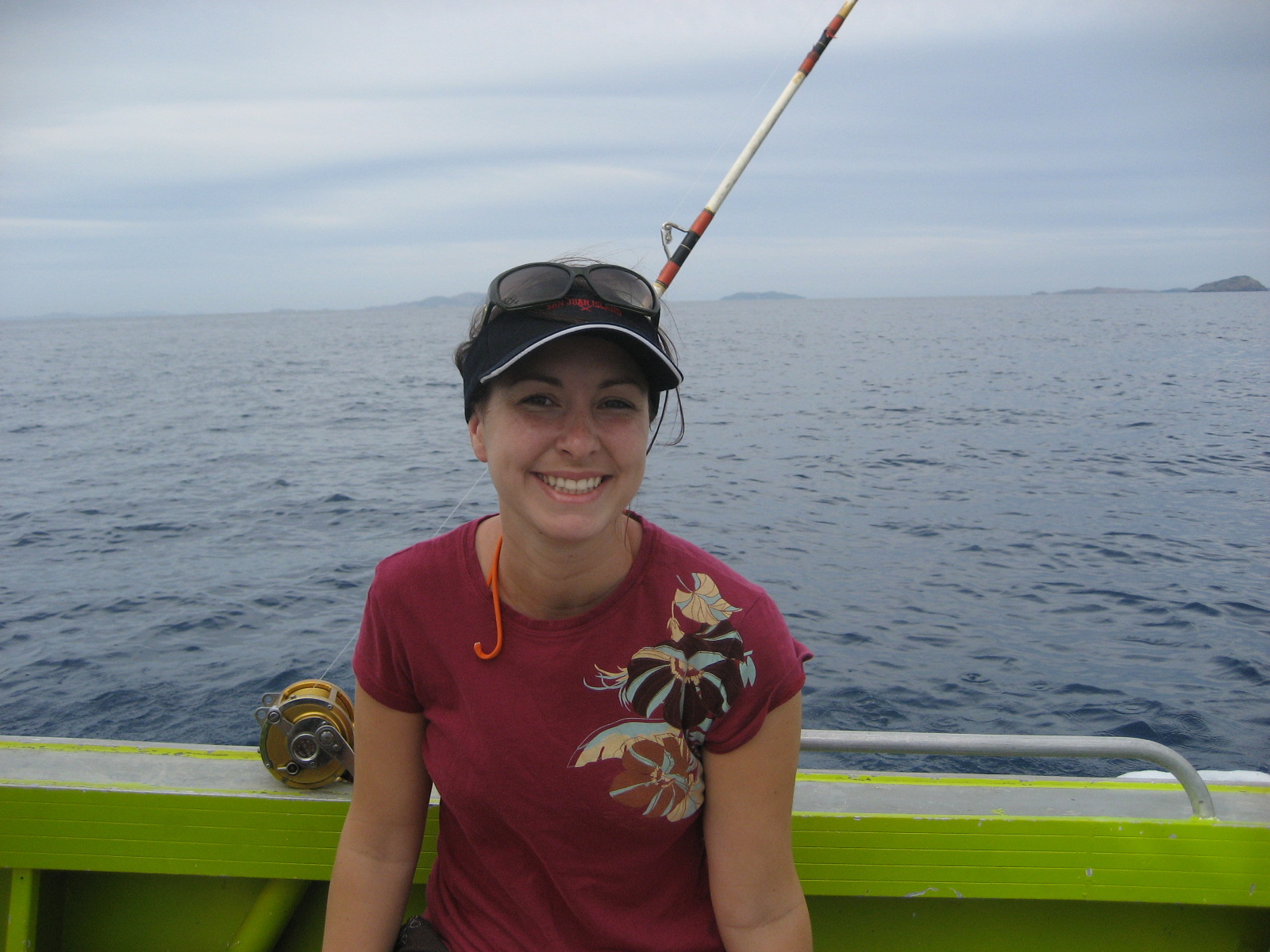
Julia skate trawlJulia Whidden completed her Masters in Biology with a focus on marine conservation from Acadia University in Nova Scotia, Canada, in 2015. Her project evaluated population demographics and species identification of two at-risk species of skate in the inner Bay of Fundy. She joins Dr. Neil Hammerschlag’s lab at the University of Miami for the year as a Fulbright Student and shark research intern. Follow her on twitter! 
DCIM101GOPRORachel Skubel graduated with an M.Sc. in Environmental Science from McMaster University where she studied climate impacts on water cycling in temperate forests, and a B.Sc. from the University of Western Ontario. Her current research interests revolve around how oceanic predators will be impacted by anthropogenic environmental changes. She is a currently a shark research intern with Dr. Neil Hammerschlag’s lab at the University of Miami. Follow her on twitter! 

Up until this past year, the thought of Canadian politics had probably never crossed your mind. For some of you, your introduction to the topic may have been via the astute criticisms of John Oliver published this past weekend. His YouTube video currently skyrocketing at just under 3 million views in less than 48 hours, may have even been the introduction to Canadian politics for some Canadians. Let’s face it: in comparison to the flashy and sometimes trashy race of our neighbors to the south (ahem, you Americans), Canadian politics are usually tame, boring, and dry. In 2011, our last major election, 61.1% of Canadians voted (14.8 million), but up until the election last night, at least 68.5% have actively contributed to changing the dire political and environmental landscape formed by Prime Minister Stephen Harper and his Conservative cronies over the past 10 years. This voter turnout is the highest since 1993, and certainly demonstrates that – not unlike your defeat of Republicans following the Bush years – Canadians were ready for change.

To our newly elected Prime Minister Justin Trudeau, we say welcome and we’re ready for action.
Read More “Politely optimistic: What do the Canadian election results mean for ocean science and conservation?” »

How to pitch an Ocean Kickstarter for us to review

Posted on October 12, 2015October 12, 2015 By Andrew Thaler
Blogging

I put this up as a closer on our last Ocean Kickstarter selection, and am posting here as a standalone for anyone who may have missed it.

Email me at southernfriedscientist@gmail.com with the subject heading: Ocean Kickstarter: Your Project. This isn’t limited to Kickstarter, projects on IndieGoGo, RocketHub, GoFundMe, or any other site are eligible for an Ocean Kickstarter of the month. We will review based on three criteria:

1. Is it sound, reasonable, and informed by science?

2. Is there a clear goal, timeline, and budget; and are they partnering with the people who have experience hitting those marks?

3. Do some of the parties involved have a successful record with other crowdfunding projects and experience delivering on rewards.

Read More “How to pitch an Ocean Kickstarter for us to review” »

Three ways to support Southern Fried Science and Ocean Outreach

Posted on August 24, 2015August 23, 2015 By Administrator
Blogging

Every year, Southern Fried Science and our related outreach campaigns churn out hundreds of articles about marine science and conservation, coordinate innovative, multimedia outreach campaigns, and produce both educational tools and actual open-source hardware to help protect the ocean. These efforts aren’t free and our authors volunteer their time and expertise to help make Southern Fried Science one of the most visited marine science and conservation websites on the internet. Server costs run in excess of $3,000 per year, and that not including tech support and website development, all of which are voluntary and occasionally offset by funding campaigns. We don’t run ads. We don’t charge for access to our content.

So how can you help support Southern Fried Science?

  1. Read, discuss, and share our blog posts, videos, articles, tweets, and other projects. That’s why we do this.
  2. Contribute to Andrew’s Patreon. Website Overlord Andrew David Thaler runs a Patreon page to help offset the bulk of the cost of running Southern Fried Science, cover his tech support time, and fund new and interesting projects. The big stuff – keeping the website running, developing open-source hardware, buying capital equipment – all happens through support from his Patrons. This year, two peer-reviewed publications are slated to come out acknowledging financial support from Patreon.
  3. Use our Amazon Affiliate links. On some projects that involve buying hardware (or book reviews), we provide links to the parts we use. These links are Amazon Affiliate links, a small percentage of you purchase through that link goes back to us. It’s a simple, no fuss way to show you support.

You could also buy one of Andrew’s books – which are outreach efforts in their own rights, but those profits aren’t directly earmarked for Southern Fried Science.

Read More “Three ways to support Southern Fried Science and Ocean Outreach” »

Oarfish: The true tale of the fish we can’t seem to get enough of

Posted on August 19, 2015August 19, 2015 By Guest Writer 4 Comments on Oarfish: The true tale of the fish we can’t seem to get enough of
Blogging

IMG_0355Dr. Misty Paig-Tran is Assistant Professor at California State University Fullerton. Her laboratory (Functional Anatomy, Biomechanics, and Biomaterials) studies how animals feed and move, among other things. Her research is focused on big filter-feeding animals (Sharks and Manta rays) and mid-deep water fishes – you know, the scary looking ones. You can learn about her research here, and you can follow her on twitter. 

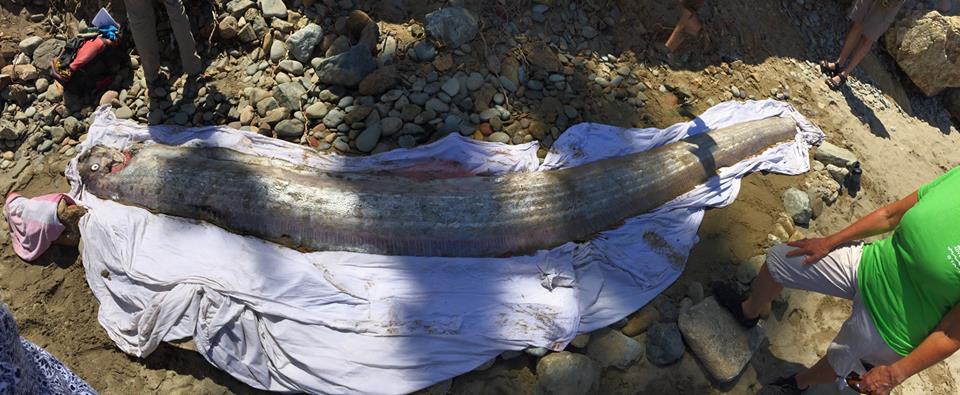
Today I sit at my computer totally aghast that the media seems to have gone into a frenzy once again about the latest oarfish that washed up on Catalina yesterday. I get it. I too, as a marine biologist and self-admitted fish nerd, get totally excited any time a cool fish washes up. And I get extra excited about the oarfish in particular. Of course I do, I am currently studying the fish in my lab at Cal State. What’s not to like? It’s huge, silvery, and looks like a dragon. Myths about this fish are old and salty. However, there has been a ton of misinformation printed about this fish and now it’s my chance to set some things straight. So I will try to rectify this now. Ahem.

Oarfish


Read More “Oarfish: The true tale of the fish we can’t seem to get enough of” »

How I am fixing the internet

Posted on August 11, 2015 By Guest Writer 1 Comment on How I am fixing the internet
Blogging

black white headshotAlex Zrenner is a 2015 Kenan Summer Fellow and rising junior at Duke University. She is from St. Louis, Missouri and is pursuing a major in economics with a math minor. Each summer, the Kenan Institute for Ethics at Duke University supports undergraduate Kenan Summer Fellows, a program meant to help students explore what it means to live an ethical life. Portions of this post were originally published on the Kenan Institute for Ethics’ website. Alex has written weekly updates about her project here, and is also creating video blogs for the project that can be seen here.

My name is Alex Zrenner, and I am fixing the Internet. Well actually, I am researching the Internet. I have spent the past six weeks studying the ethics of cyber harassment and free speech as one of this year’s Kenan Summer Fellows.

Read More “How I am fixing the internet” »

11 thoughts about Cecil the lion

Posted on July 30, 2015July 31, 2015 By David Shiffman 6 Comments on 11 thoughts about Cecil the lion
Blogging
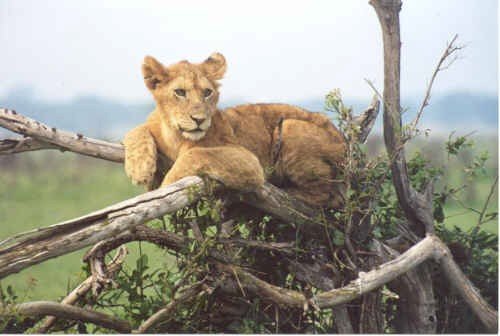
This is not Cecil the lion. I shot this lioness in 2000 in Tanzania... with a digital camera.
This is not Cecil the lion. I shot this lioness in 2000 in Tanzania… with a digital camera.

1) The manner in which Cecil the lion was killed (he slowly bled to death over nearly 2 days after being shot with an arrow before eventually being shot with a rifle) is strikingly inhumane and atypical of hunting. Lots of people seem to be fixating on the fact that he was skinned and beheaded after he was killed, but that’s pretty typical for hunting.

2) If the hunter who shot and killed Cecil the lion broke the law in doing so (this seems to be not entirely resolved, he had a permit to kill a lion but seems to have lured Cecil out of a protected area) he should absolutely be held responsible for it. In a court.

3) The hunter’s excuse of “I should not be responsible for anything that happened during the hunt because I hired guides to plan everything” is complete bullshit, both legally and morally.

Read More “11 thoughts about Cecil the lion” »

Geese, snakeheads, and the ones that got away: Southern Fried Science Book Club, week 5

Posted on July 27, 2015 By Andrew Thaler 1 Comment on Geese, snakeheads, and the ones that got away: Southern Fried Science Book Club, week 5
Blogging

Fortunately, it turns out last week’s chapter was a fluke, and we come down the home stretch of Eating Aliens with some of the strongest sections since the beginning. Canadian Geese was particularly fascinating, as it’s clear this is the species Landers has the most experience talking about. Te chapter is rich with the details, backstory, and information that I was hoping to find throughout the book, with less cynicism about the role of local and national government than we’ve seen previous. If you haven’t caught up yet, I recommend just skipping Nutria and going straight to Canadian Geese.

Then we’re back in the water with numerous marine and freshwater invasives, many from the aquarium trade. Plecos and armored catfish, released by amateur aquarists, are booming in Florida’s warm, protected waters, while tilapia is a holdover from the aquaculture industry. Frankly, there wasn’t much new in these chapters, other than the species–at this point introduced fish are old news, and while the details of each animal are slightly different, the causes and consequences are often the same. Personally, I don’t think I’d eat a pleco, but it doesn’t sound particularly unpalatable. Even though the story is pretty much the same–Landers struggles to catch anything, hijinks ensues, they finally eat it–this was a fun part of the book.

Read More “Geese, snakeheads, and the ones that got away: Southern Fried Science Book Club, week 5” »

American Elasmobranch Society announces new initiative to promote diversity in marine science

Posted on July 16, 2015 By David Shiffman 1 Comment on American Elasmobranch Society announces new initiative to promote diversity in marine science
Blogging

The American Elasmobranch Society, the world’s largest and oldest professional society focusing on shark and ray research, announced a new diversity initiative today. The new Young Professional Recruitment Fund will identify and contact students, postdocs and early career professional from historically underrepresented minority groups and from developing countries whose research focuses on elasmobranchs. Additionally, if you are … Read More “American Elasmobranch Society announces new initiative to promote diversity in marine science” »

Chasing the Elusive Nutria: Southern Fried Science Book Club, week 4

Posted on July 14, 2015 By Andrew Thaler
Blogging

I’m going to have to start with an apology. I intended to get to this chapter before #JacquesWeek kicked off and sucked up all of my time, but I just couldn’t. This chapter was… not fun and not particularly informative. In the longest chapter of the book, Jackson’s fails to hunt Nutria for 90% of … Read More “Chasing the Elusive Nutria: Southern Fried Science Book Club, week 4” »

Need a #SharkWeek Alternative? Watch classic Cousteau documentaries with us for #JacquesWeek

Posted on July 6, 2015July 9, 2015 By Andrew Thaler
Blogging

Last night, I was in the mood for some Cousteau. The classics from the Undersea World, Odyssey, River Expeditions, and  host of other long running series, still hold up as some of the best ocean documentaries of all time. So I picked a few of my favorites, pulled some people together online, and called it #JacquesWeek, an alternative to Shark Week for those who either don’t get the Discovery Channel or just want something different.

“The sea, once it casts its spell, holds one in its net of wonder forever.”

Jacques Yves Cousteau

I’ll be honest, I’m burned out on Shark Week. After several years of intense livetweeting, post-show debunking, and high-level critique (look for my and Shiffman’s paper on best practices for responding to fake mass media documentaries in Ocean and Coastal Management later this year), I find that I just don’t have much more to say. Some shows will be good. Some shows will be great. Some shows will be bad.

Jacques Cousteau has never let me down. Sure, sometimes the science is off (pretty much everything in Blind Prophets of Easter Island is incorrect, for example), but that’s because the Calypso crew was working at the boundaries of human knowledge, and their work comes off earnest, heartfelt, and compassionate. And so full of wonder. Much of what Cousteau’s team did was done for the very first time.

Read More “Need a #SharkWeek Alternative? Watch classic Cousteau documentaries with us for #JacquesWeek” »

Posts pagination

Previous 1 … 8 9 10 … 20 Next

Popular Posts

At least 74 practicing shark researchers: How a silly thing I said online raised thousands for conservationAt least 74 practicing shark researchers: How a silly thing I said online raised thousands for conservationFebruary 26, 2025David Shiffman
Why the new Trump order to shoot wolves is both illegal and a dreadful precedent for endangered speciesWhy the new Trump order to shoot wolves is both illegal and a dreadful precedent for endangered speciesSeptember 5, 2026Ali Gaster
Severely injured great white shark found, are scientists responsible?Severely injured great white shark found, are scientists responsible?March 29, 2011David Shiffman
5 things I learned helping to reassess the global conservation status of every species of tuna and billfish5 things I learned helping to reassess the global conservation status of every species of tuna and billfishSeptember 15, 2026David Shiffman
5 things you need to know about the proposed European Union shark finning ban, including how you can helpSeptember 17, 2012David Shiffman
13 wrong things about sharks that conservation advocates should stop saying in 2013 (and what they should say instead)December 27, 2012David Shiffman
That's not a blobfish: Deep Sea Social Media is Flooded by AI SlopThat's not a blobfish: Deep Sea Social Media is Flooded by AI SlopDecember 19, 2025Andrew Thaler
Getting a sense of porpoiseJanuary 20, 2009Andrew Thaler
What is a Sand Shark?What is a Sand Shark?November 12, 2017Chuck Bangley
How to build a canoe from scratch on a graduate student stipendHow to build a canoe from scratch on a graduate student stipendApril 17, 2010Andrew Thaler
Subscribe to our RSS Feed for updates whenever new articles are published.

We recommend Feedly for RSS management. It's like Google Reader, except it still exists.

Southern Fried Science

  • Home
  • About SFS
  • Authors
  • Support SFS


If you enjoy Southern Fried Science, consider contributing to our Patreon campaign.

Copyright © 2026 Southern Fried Science.

Theme: Oceanly Premium by ScriptsTown