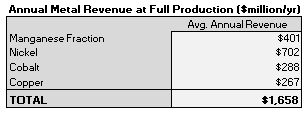
On Friday, I posted about the financial model used to project the potential profits from a hypothetical polymetallic nodule mining model in the Clarion Clipperton Zone. This model, originally commissioned in 2018 and updated in 2021/22, had some puzzling prices for manganese in particular. This model is extremely important. Beginning late this month, member states … Read More “Updated financial model for deep-sea mining makes more sense, fewer dollars” »
Category: Featured
We Were Wrong About Megalodon: lessons learned from 10 years combating fake science in popular media
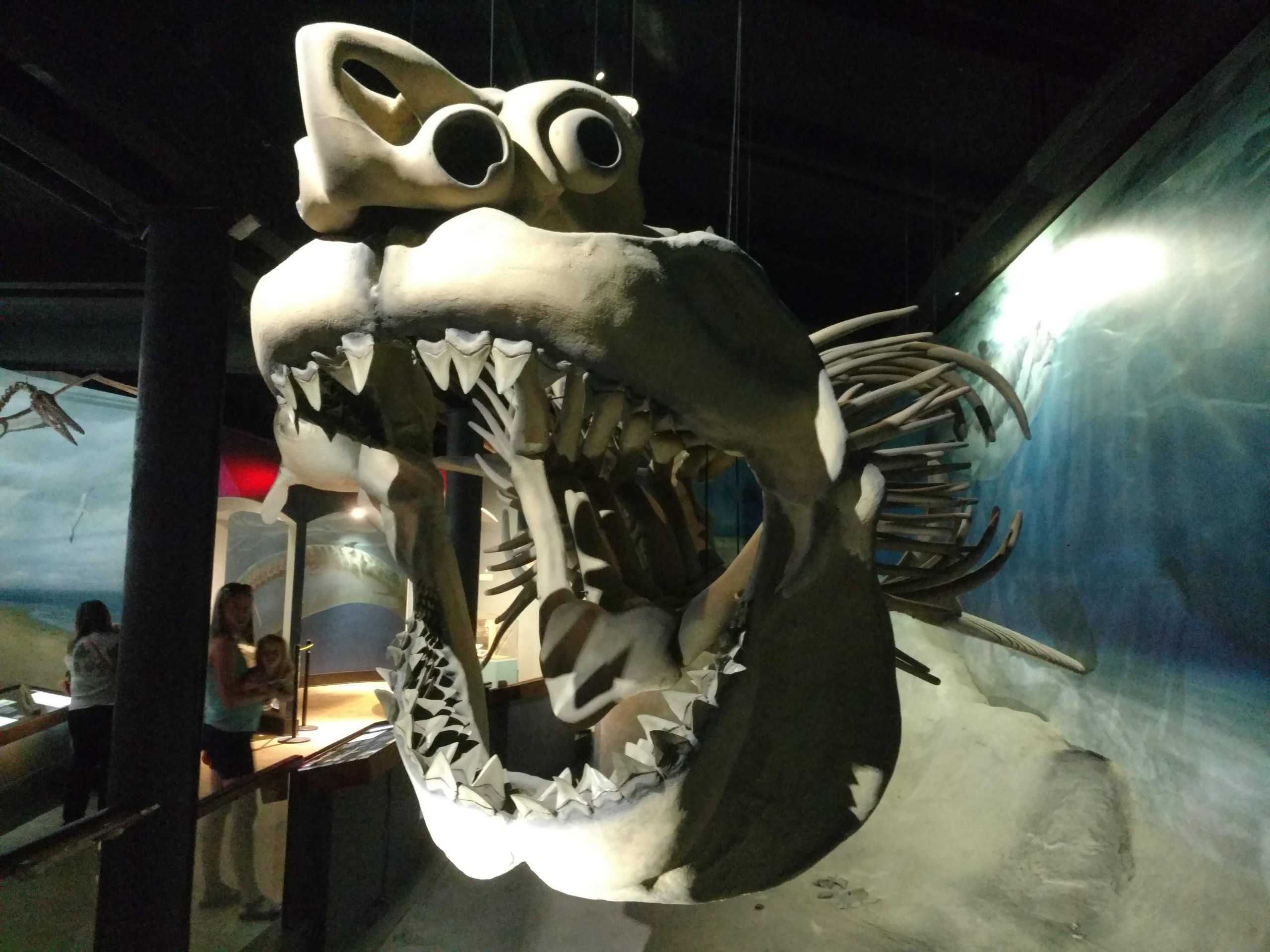
Twelve years ago, Discovery Channel aired a documentary so egregiously bad, so wildly dishonest, and so utterly contemptuous of its audience, that it set the entire Science Blogging Community alight. And then, a year later, they followed it up with another. This was a clarifying moment for science, and especially ocean science, blogging. We weren’t … Read More “We Were Wrong About Megalodon: lessons learned from 10 years combating fake science in popular media” »
Centuries of exclusion have resulted in a tangible human diversity deficit, where the diversity of oceanographers does not represent the global diversity of people impacted by ocean processes. Let’s explore the history of ocean science to understand how it ties into and influences the lack of diversity, equity, and inclusion (DEI) in modern day oceanography. … Read More “Oceanography’s Diversity Deficit” »
In the past, we’ve done a little write up whenever some exaggerated of fabricated piece of ocean news crosses our desk. This year, we’re going to try something new. A one-stop, periodically updated clearinghouse for all the things that did not happen in the ocean this year. A shark did not impregnate a stingray Some … Read More “Of all the things that haven’t happened, these are the things that haven’t happened in the Ocean so far this year” »
North Atlantic Right whales are on the brink of extinction. There are approximately 360 individuals left, of which only about 70 are reproductively active females. In 2017, an unusual mortality even resulted in the death of 37 individuals. Ship strikes and entanglements remain the leading cause of death for this population. On August 20, 2022, … Read More “NOAA confirms North Atlantic Right Whale killed by commercial lobster gear” »
Note: This is an updated and expanded version of the original article: 3 kid-friendly STEAM electronics projects that harness NOAA’s massive public databases. If you’re anything like me, you probably have a stack of assorted electronics in various stages of disrepair, which is great for your hardware hacking dads and moms, but kids need projects … Read More “Weekend electronics projects for kids that love the ocean.” »
The once-great science twitter is, depending on who you talk to, either dying or dead. Once a vibrant place for many discussions related to my fields of marine biology, ocean conservation, and public science communication, it’s been described now as an abandoned shopping mall that’s been taken over by neo-Nazi gangs. Lots of people have … Read More “Bluesky is now open. Science Twitter, here’s how to use it!” »
Hello Friends, do you like Dungeons and Dragons? What’s your favorite class and why is it Circle of Spores Druid? In the campaign I run for my family, my daughter was sent to rescue the mayor, who was kidnapped by dwarves during a property dispute. In the process, she uncovered an illegal quicksilver mining operation, … Read More “Roll for Climate Initiative: A Dungeon Master’s Guide to Running for Local Public Office” »
The structure of scientific inquiry has coalesced around a model that is, in general, both expensive and exclusive. This centralizes knowledge production within a circle of individuals, organizations, and institutions which rarely reflects the breadth of identities, experiences, and ways of knowing of those most directly connected to the places being explored. Nowhere is this … Read More “It is your ocean. You should have access to the tools to study it.” »
In a region once thought to be so ecologically uninteresting that it was viewed as a useful testbed for deep-sea mining equipment, NOAA researchers have detected what could be the world’s largest cold water coral reef. “For years we thought much of the Blake Plateau was sparsely inhabited, soft sediment, but after more than 10 … Read More “The world’s largest cold water coral reef lies beside the first experimental deep-sea mining test site” »