Conservation, Featured, News, Policy
Friends of the Mariana Trench Express Gratitude for the Successful Publication of Monument Management Plan
Over 15 years of ocean science and conservation online
Friends of the Mariana Trench Express Gratitude for the Successful Publication of Monument Management Plan
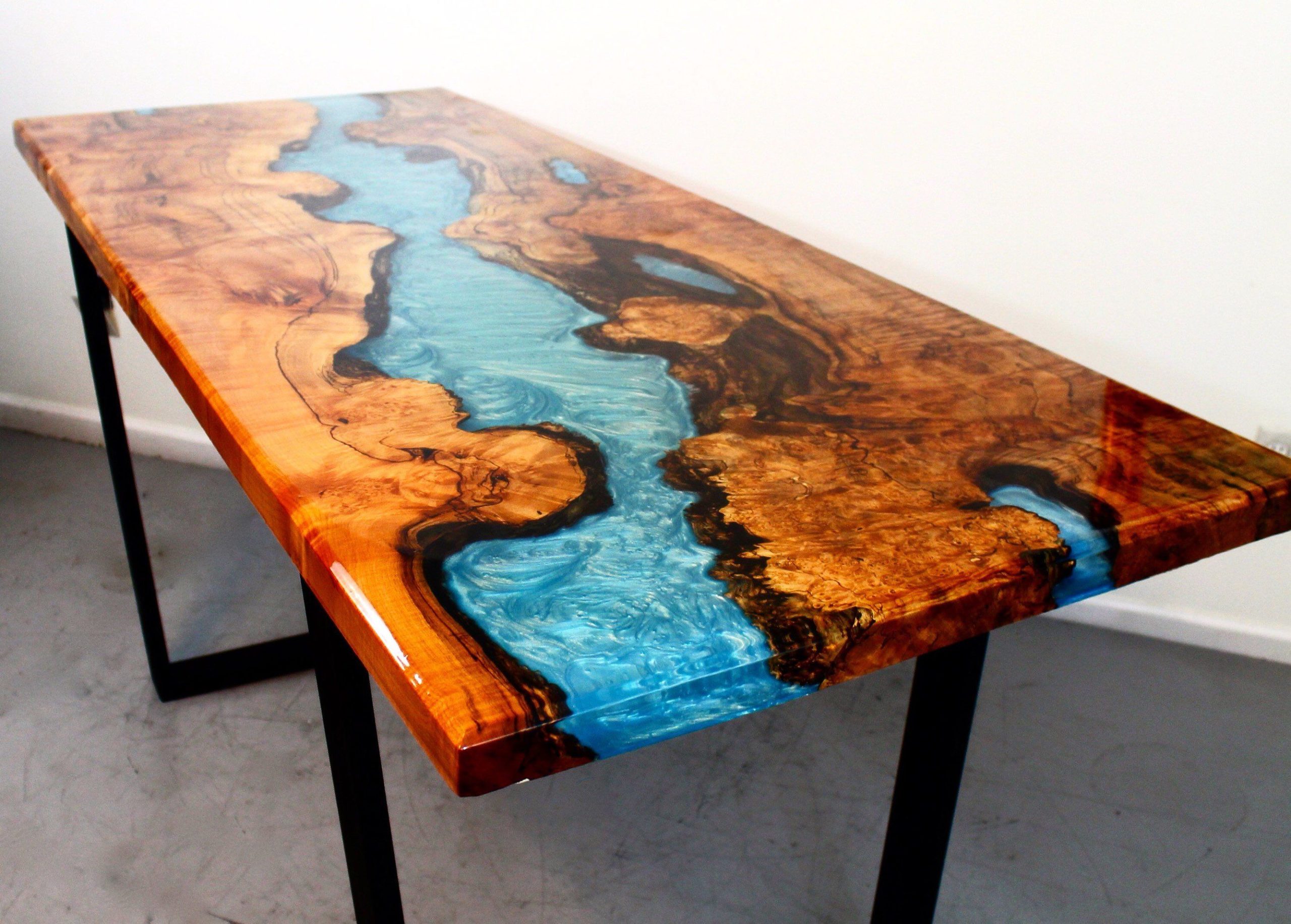
Fourteen years ago, when Social Media was fresh and new and full of hope, I started teaching Social Media for Environmental Communications at Duke University. The internet was bursting with potential and we wanted to help ocean campaigners tap into that cognitive surplus for the good of the planet. This was a data driven course, … Read More “This is not an article about epoxy river tables.” »
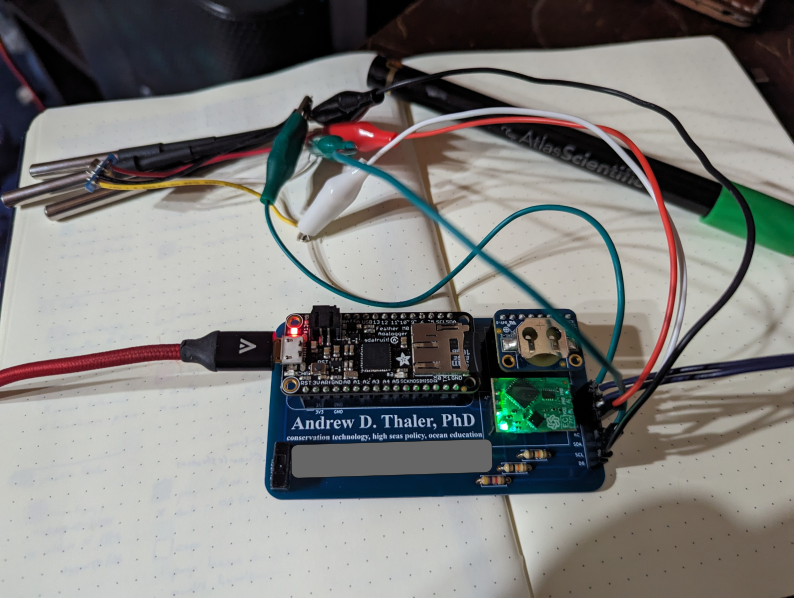
I spend a lot of time talking about the OpenCTD, my important, gigantic electronics project aimed at making the foundational tool of oceanography available to those most directly affected by our changing oceans. It’s been a minute since I’ve written about any of my weird little electronics projects. I do lots of weird little electronics … Read More “A calling card for oceanographers” »
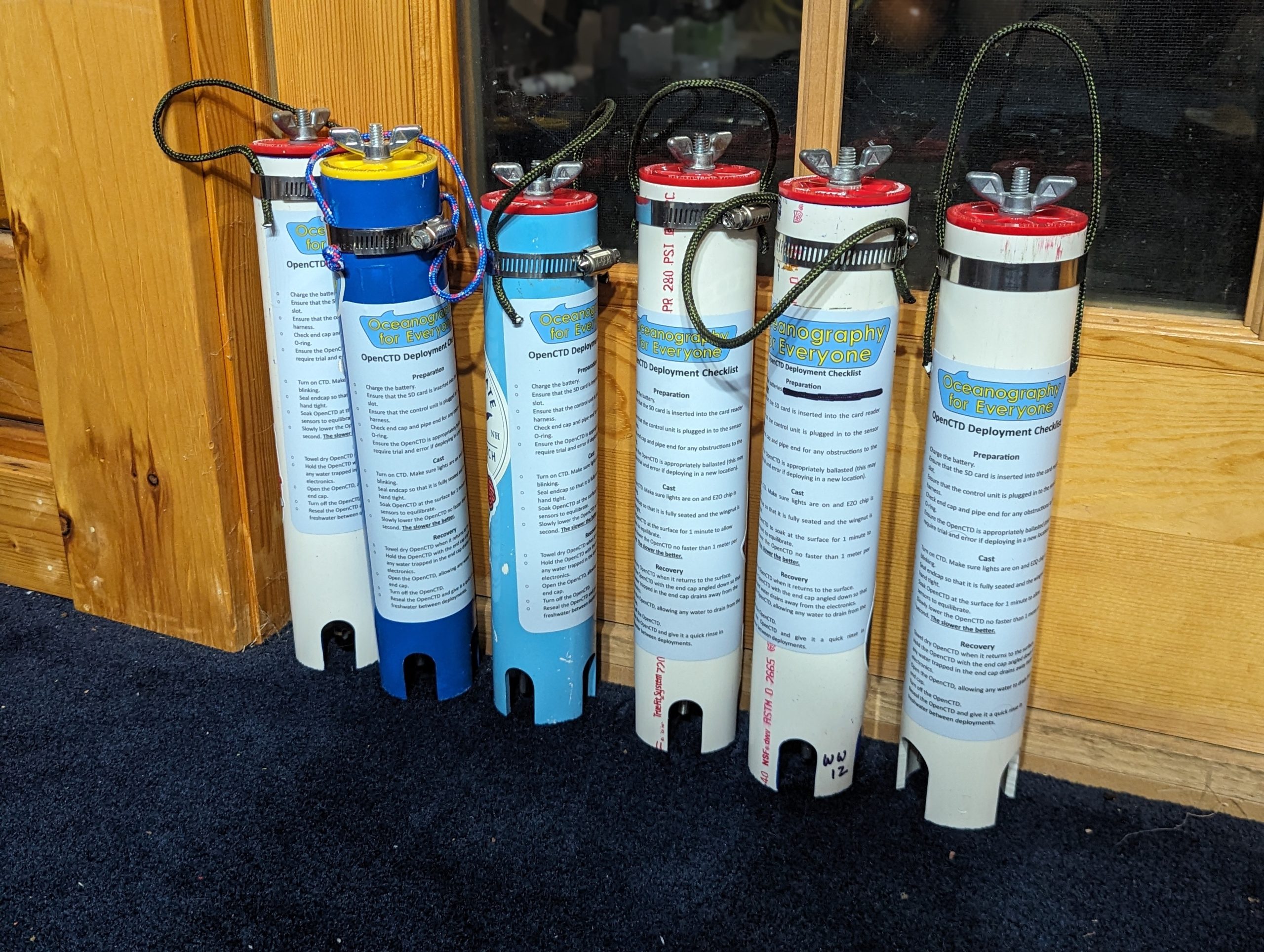
What if you could drop an oceanography lab anywhere? Not just the instruments and equipment, but the expertise to maintain the equipment and train ocean knowledge seekers. What if you could deliver an instrumentation factory anywhere it is needed, so that people with the desire and need to study and understand the ocean had the … Read More “Independent ocean science requires local support: testing our mobile OpenCTD factory.” »
Ten years ago, freshly married and freshly relocated to Vallejo, California, I found myself in the midst of reinvention. The cycle of post-doctoral fellowships and short-term contracts necessary for an academic career didn’t suit me. I wanted stability and, importantly, I wanted freedom. Crowdfunding was new. Earlier that summer, OpenROV had shook the crowdfunding world … Read More “Small drops make mighty oceans: 10 years as a scientist on Patreon” »
Canadian Masters students will now get up to $27,500 CAD a year, up from $17,500. Ph.D. students will get up to $40,000 CAD a year, up from as low as $20,000. Here’s how the leaders of Support Our Science did it. The following interview has been lightly edited for clarity and length. DS: Why was … Read More “Canadian grad students won their first raise in 20 years. Here’s how Support Our Science made it happen.” »
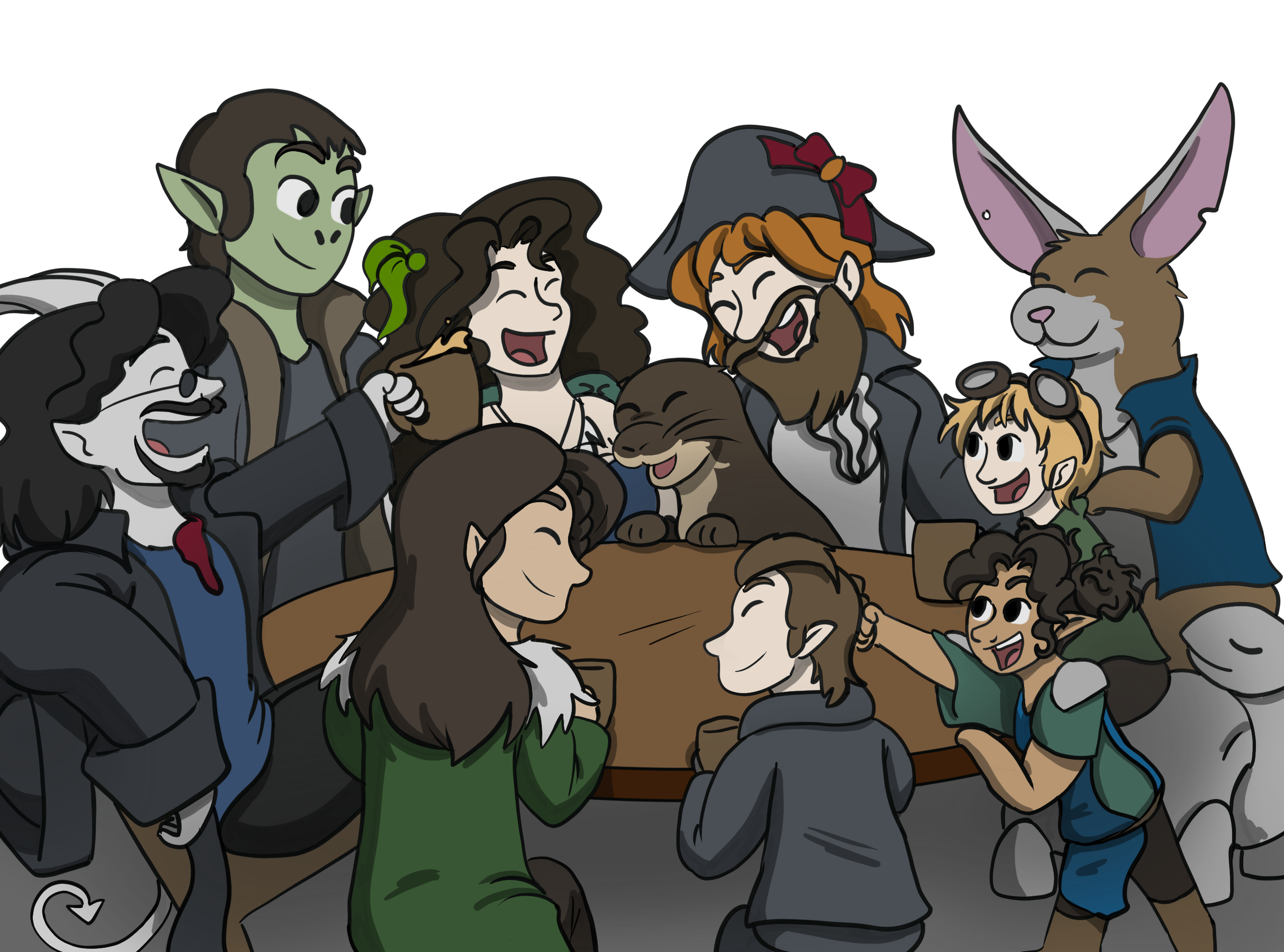
Dugongs and Seadragons is the only Dungeons and Dragons Podcast featuring actual marine science professionals playing D&D 5e while talking about marine science, conservation, and all things ocean. It’s been going for a long time, and jumping into the mid-point of an actual play podcast can feel like a daunting task. But we’ve got you … Read More “We Leased the Kraken! Catch up with the ongoing adventures of the Cephalosquad on Dugongs and Seadragons.” »
The great strength of 30×30, the national goal to protect 30 percent of the ocean by 2030, is that it sets out a framework wherein there is agreement that our shared use of public lands and waters fall along a spectrum, ranging from sacred places to wise use.
Our field is competitive, some job postings are confusing, and some career advice is contradictory or wrong. Here’s an exercise I have my students perform that I hope can help you. Graphic via Woods Hole Oceanographic Institution Hardly a day goes by that I don’t see a heartbreaking post from a prospective marine biologist in … Read More “Here’s what I teach my students about finding jobs in marine biology and conservation” »
The International Seabed Authority is meeting this month in Jamaica, but it is not the entire International Seabed Authority. Only the Legal and Technical Commission and the Council meet this months. The Legal and Technical Commission is a body of experts that reviews documents and proposals, usually in private as many contain privileged information from … Read More “What I’m watching for at this month’s ISA meeting: The Vibes” »