Skip to content

Southern Fried Science

Over 15 years of ocean science and conservation online

  • Home
  • About SFS
  • Authors
  • Support SFS

Category: Science

New TV show: Deep Sea Mysteries with Paul Clerkin premieres tonight!

Posted on November 15, 2016November 15, 2016 By Guest Writer
Science

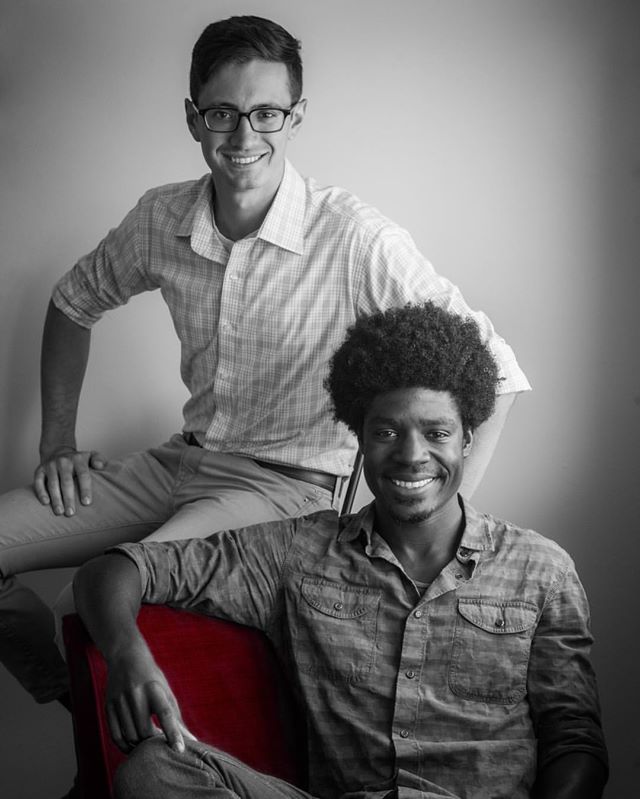
dsc_5896-for-print-twoPaul J. Clerkin is a graduate researcher at the Pacific Shark Research Center of Moss Landing Marine Laboratories in Moss Landing, California. Clerkin specializes in rare and deep-sea chondrichthyans and is focusing on new species descriptions and life histories of poorly understood sharks species. His thesis work is with Dr. David A. Ebert studying sharks encountered during two surveys in the Southern Indian Ocean in 2012 and 2014, a total of 126 days at sea. He has also conducted research for other projects aboard ships in the Bering Sea, South East Atlantic, Philippine Sea, and across the Pacific. He was featured in the “Alien Sharks” series on Shark Week.

This week, Travel Channel is airing a pilot for my new series, Deep Sea Mysteries (“like” our page on Facebook!). In the course of research, I visit extraordinary fishing communities to find and study rare, poorly known and even undescribed species. This show is the first of its kind, different from the Shark Week programs I’ve done in the past. It continues a focus on sharks and other deep-sea animals, but is notably (and pleasantly) more educational. There are more species, more facts, more science, and an emphasis on conservation effort.
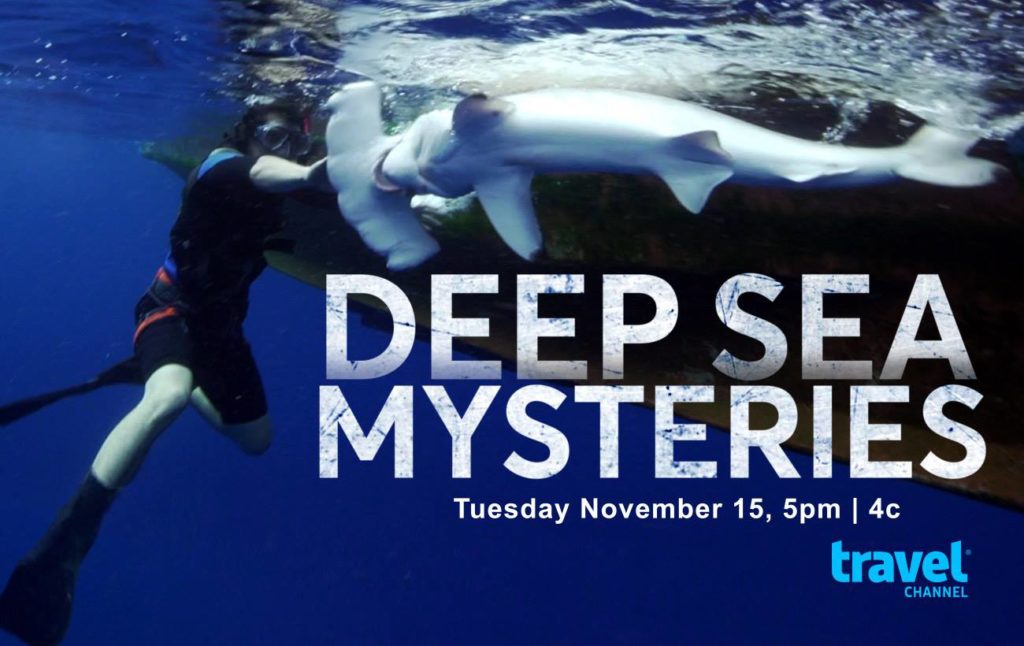
dsm_hh

Also, as a travel show, the series combs through the beautiful regions, interesting people and unique stories behind each expedition.

Read More “New TV show: Deep Sea Mysteries with Paul Clerkin premieres tonight!” »

Fun Science FRIEDay – Visualize the Seafloor

Posted on November 4, 2016November 7, 2016 By Kersey Sturdivant
Open Science, Science, Uncategorized

Happy FSF! As some of you may know (and for those who don’t), I study the bottom of the ocean, and I do so primarily using innovative technology to image the seafloor (e.g., Wormcam). The interesting work I’ve conducted has resulted in me having the opportunity to present my work to a larger lay audience, in the form of a TEDx presentation.

(Photo Credit: TEDx Newport)

I am giving my TED talk with my good buddy and colleague Steve Sabo.  In our talk, “A Picture is Worth a Thousand Worms”, Steve & I will illustrate the significance of the ocean floor through advancements in underwater camera technology and data visualization, making complex science more accessible for everyone.

Our TED photo (Photo credit: Meg Heriot)

Read More “Fun Science FRIEDay – Visualize the Seafloor” »

Adopt the giant deep-sea isopod, Bathynomus giganteus, as the National Deep-sea Animal of the United States.

Posted on November 3, 2016November 7, 2016 By Andrew Thaler
Education, Science

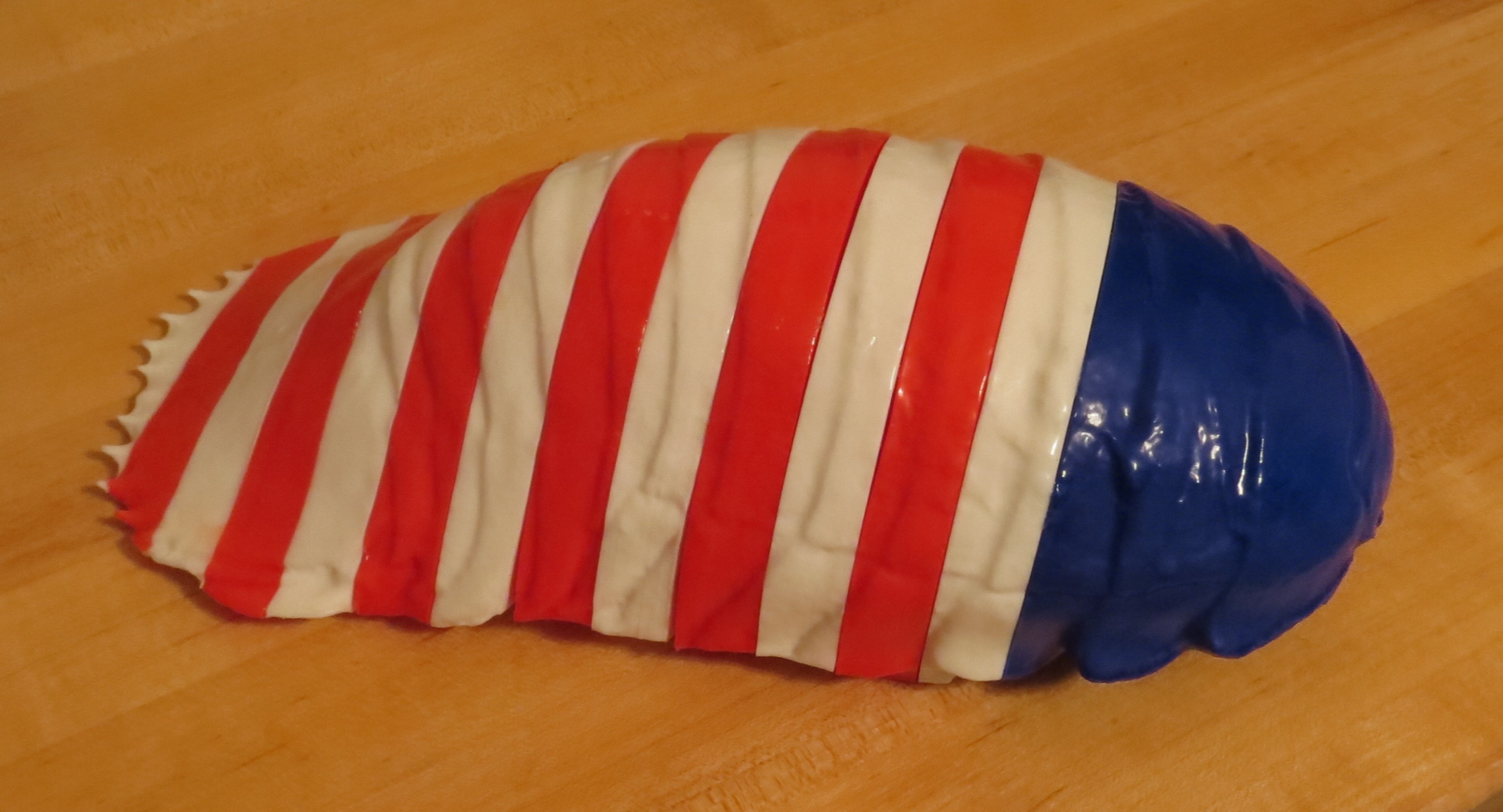
Picture a pill bug, roly poly, woodlouse, or doodle bug, an animal found under rocks and logs throughout the United States. Now picture an animal similar to that pill bug, but as big as a cat, crawling across the Gulf of Mexico. That is the giant deep-sea isopod.

allamerican

The deep waters of the United States’ Exclusive Economic Zone is home to this large, recognizable animal, which can reach almost 2 feet in length. Since their discovery in the late 19th century, giant isopods have captured the public’s imagination, acting as an Ambassador Species for deep-sea ecosystems. Ambassador Species are important for education, exploration, and conservation as they provide a charismatic icon to help introduce people to new and unfamiliar places.

WHEREAS:

Read More “Adopt the giant deep-sea isopod, Bathynomus giganteus, as the National Deep-sea Animal of the United States.” »

Fun Science FRIEDay – Underwater World of Pollination

Posted on October 14, 2016 By Kersey Sturdivant
Science

Pollination. I think most people understand why this is important (or maybe I should say, I hope). To put it simply, the process of pollination facilitates reproduction in plants by transferring pollen from one plant to another. In the terrestrial world, this can be mediated by physical forcing (e.g., wind) or by animals (e.g., insects) – and its why people are freaking out about the loss of bees due to pesticides (because they are a primary pollinator), but I digress. Until relatively recently, pollination by animals was not thought to occur in the ocean. Unlike on land, where most flowering plants rely on creatures to carry pollen, plant reproduction in an aquatic world was surmised to rely exclusively on currents and tides. However, a team of researchers led by marine biologist Brigitta van Tussenbroek revoked the long standing paradigm that pollen in the sea is transported only by water, discovering and documenting the process of zoobenthophilous pollination (a term they coined).

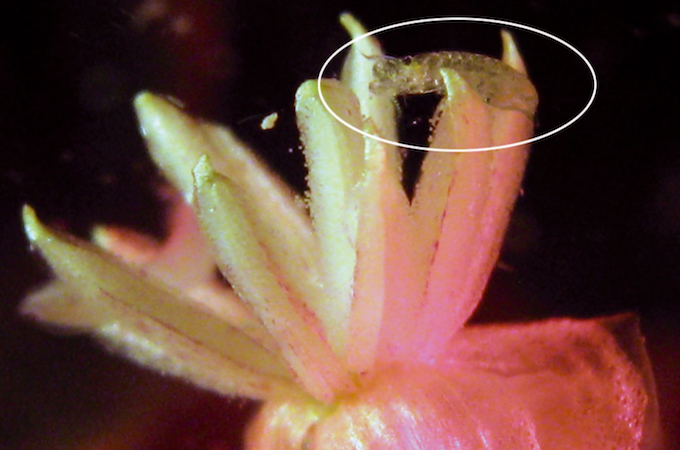
Gamarid amphipod feeding on pollen or mucilage of a male flower of the seagrass Thalassia testudinum at night. (Photo credit: Tussenbroek et al. 2012)
Gamarid amphipod feeding on pollen of a male
flower of the seagrass Thalassia testudinum at night. (Photo credit: Tussenbroek et al. 2012)

Read More “Fun Science FRIEDay – Underwater World of Pollination” »

The 3D-Printed Giant Deep-sea Isopod You Always Wanted.

Posted on October 6, 2016 By Andrew Thaler 1 Comment on The 3D-Printed Giant Deep-sea Isopod You Always Wanted.
Popular Culture, Science
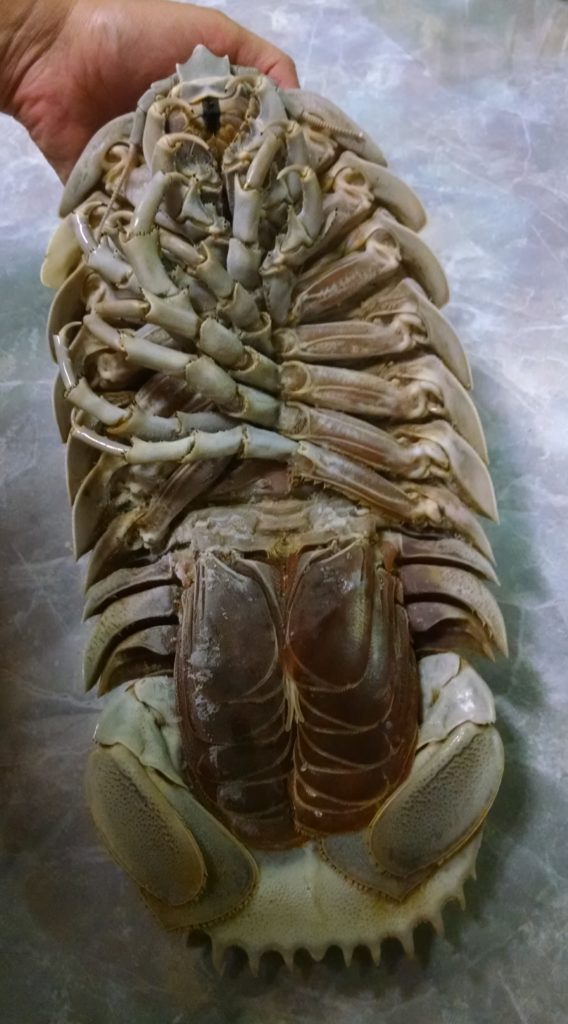
Giant Isopod. Photo by author.

I love giant deep-sea isopods (Bathynomous giganteus if you’re fancy).

I’ve written quite a few articles about giant isopods. Giant isopods were prominently featured in our epic ocean monograph, Sizing Ocean Giants. I’ve even been fortunate enough to observe novel giant isopod behavior in the deep sea. If Southern Fried Science had a mascot, it would have to be the giant isopod.

When I started Scanning the Sea, I knew that a giant isopod would have to be part of the collection. There was just one problem: 3D scanning marine critters is an imprecise art, and you need to start with a very clean specimen. Most of the giant isopods I had access to had been floating in formalin for decades, or came up in pieces, or were preserved in a twisty, roly-poly ball. They weren’t good candidates for scanning.

Read More “The 3D-Printed Giant Deep-sea Isopod You Always Wanted.” »

The international gill plate trade: a highway to hell for devil rays?

Posted on September 29, 2016September 29, 2016 By Guest Writer 1 Comment on The international gill plate trade: a highway to hell for devil rays?
Science

sebphoto2Seb Pardo is a biologist currently doing a PhD at Simon Fraser University in Canada. He is broadly interested in the biology, ecology, and conservation of sharks and rays. At present, his research is focused on borrowing tools from evolutionary biology to predict the biology and extinction risk of poorly studied sharks and rays. By using these data-poor methods, he hopes to make the most out of currently available data to inform policy decisions relevant for the sustainable management of sharks and rays. His twitter handle is @sebpardo

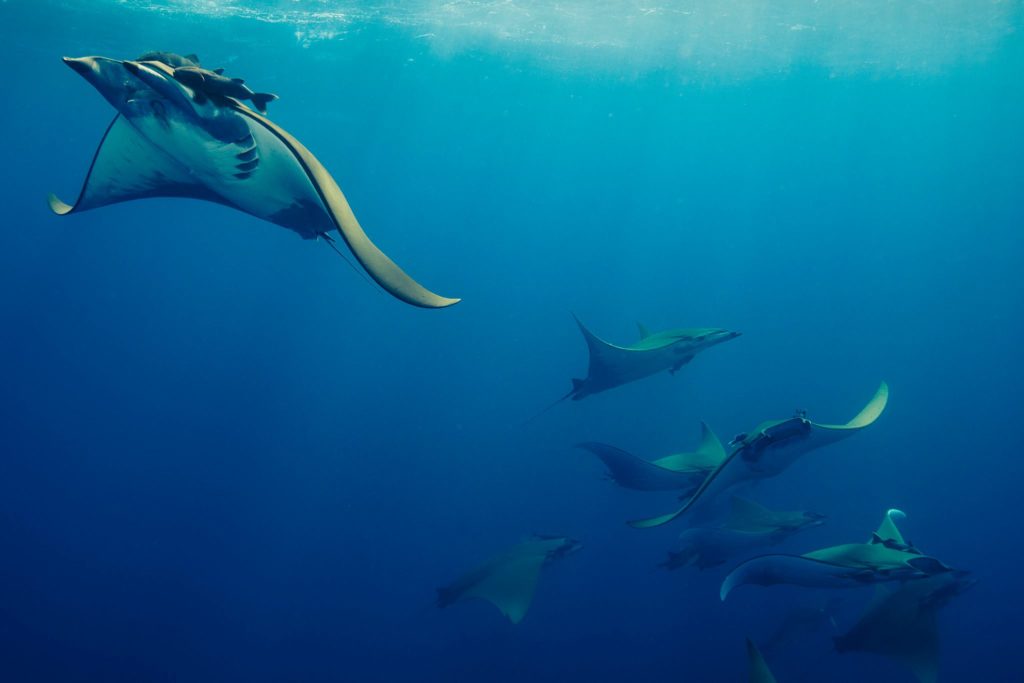
Chilean Devil Rays (Mobula tarapacana) swimming in the Azores. © Daniel Van Duinkerken — http://danielvandphoto.com — Instagram: daniel.van.d
Chilean Devil Rays (Mobula tarapacana) swimming in the Azores.
© Daniel Van Duinkerken — http://danielvandphoto.com — Instagram: daniel.van.d

Rays rarely get the same amount of attention as sharks do. Perhaps the most notable exception are the manta rays (genus Manta), which are charismatic, filter-feeding rays that inhabit warm waters throughout the world’s oceans. Their closest relatives, the devil rays (genus Mobula), are not nearly as “famous” — even though they are the only other members of the family Mobulidae. There are nine species of devil rays found throughout the world’s tropical and temperate oceans, and while they are smaller than mantas (only reach over 3 metres in width), devil and manta rays are so similar that they are sometimes confused with each other. Because devil rays garner less public interest, the are very few studies on their basic biology and ecology, hindering our ability to assess their status.

Devil and manta rays face similar threats. Both are often caught as bycatch in industrial and artisanal fishing operations, which may result in considerable mortality even after being released. On top of this, there has been an increase in the international demand for their gill plates, which are used a health tonic in Chinese medicine. This has increased targeted fishing and bycatch retention in many places around the world. However, because of the lack of information on devil rays, it is very difficult assess whether this level of catch and trade is sustainable. This is the key question we set out to answer.

Read More “The international gill plate trade: a highway to hell for devil rays?” »

Help crowdfund shark research: time traveling through shark skin

Posted on September 19, 2016September 19, 2016 By Guest Writer
Science

DillonE_portraitErin Dillon is a PhD student at UC Santa Barbara studying how shark communities on coral reefs have changed over time. She graduated from Stanford University in 2014 with a B.S. in Biology and Honors in Marine Biology. Erin spent the following two years working with Dr. Aaron O’Dea as a fellow at the Smithsonian Tropical Research Institute in Panama, where she started exploring dermal denticles preserved in sediments as a paleoecological tool to reconstruct shark communities. She aims to develop this technique further as part of her dissertation to establish quantitative shark baselines and investigate spatial and temporal variation in shark assemblages on reefs. To do so, she has now set her sights on Curaçao, which is located in the southern Caribbean. There, she will work on validating the tool, explore differences in denticle assemblages between reef habitats, and provide estimates of relative shark abundance in data-limited parts of the island. Sharks are notoriously difficult to census, and it can be difficult to protect something that we rarely see. Therefore, the information provided by denticle assemblages extracted from reef sediments has critical implications for shark conservation, both in the Caribbean and worldwide. Erin is raising funds until September 22nd as part of Experiment’s Coral Reef Grant Challenge to unravel a pre-historical baseline of Caribbean sharks.

Sharks are important players on coral reefs. However, understanding the temporal and spatial dynamics of shark communities and how they are affected by human activities is challenging. Surveys and fisheries catch statistics reveal that shark populations worldwide have suffered significant declines over the past several decades due to overfishing and habitat degradation. But how many sharks should there be in a healthy coral reef ecosystem? The answer to this question is locked in the past. To address this issue, we turn to the recent fossil record to uncover clues about the sharks that used to roam the reefs of lore and paint a picture of how their communities have changed over time.

Read More “Help crowdfund shark research: time traveling through shark skin” »

Applications now open for the Elasmobranch Society’s diversity in marine science initiative

Posted on September 15, 2016 By David Shiffman
Academic life, Education, Science
The American Elasmobranch Society is the world's oldest and largest professional association of shark and ray scientists
The American Elasmobranch Society is the world’s oldest and largest professional association of shark and ray scientists

The American Elasmobranch Society, the world’s oldest and largest professional society focusing on the scientific study and management of sharks and their relatives, is now welcoming applications for the 2nd year of our Young Professional Recruitment Fund diversity initiative. Awardees will be given one year of Society membership, in addition to specialized professional development training, mentorship, and networking opportunities specific to their needs as scientists and professionals from developing nations or historically underrepresented minority groups.

Applications, which can be found here, are due by 5 P.M. U.S. eastern standard time on Tuesday, November 15th. All winners will be notified by Friday, December 16th.

To be eligible for a Young Professional Recruitment Fund award, applicants must fill out the application and demonstrate that they:

Read More “Applications now open for the Elasmobranch Society’s diversity in marine science initiative” »

How to follow along with CITES #COP17 on twitter

Posted on September 10, 2016September 13, 2016 By David Shiffman
Conservation, Science

cop17_rhino_hpOn September 24th, the 17th Conference of the Parties (COP17) of the Convention on International Trade in Endangered Species (CITES) begins. I’ve made a Storify guide to government agencies, scientists, activists, and environmental non-profits who will be tweeting updates from the event. If you want to follow along with these important conservation debates and votes on twitter, follow #COP17 and follow the accounts I’ve highlighted in this Storify.

Read More “How to follow along with CITES #COP17 on twitter” »

Look at your sharks: how close observation leads to new scientific discoveries

Posted on August 31, 2016 By Guest Writer
Science

Josh Moyer Head ShotJoshua Moyer is an ichthyologist specializing in the evolution, biodiversity, and morphology of sharks and their relatives, collectively known as elasmobranchs. He is a member of the American Society of Ichthyologists and Herpetologists (ASIH) and the American Elasmobranch Society (AES). He has co-authored multiple scientific articles about shark teeth and their roles in understanding elasmobranch evolution. Joshua earned his Masters of Science in Ecology and Evolutionary Biology at Cornell University and teaches evolutionary biology at Ithaca College. Joshua also routinely lectures in courses on marine biology, vertebrate biology, and elasmobranchs. He has co-taught courses in shark biology in the field, laboratory, classroom, and most recently the online edX.org course “Sharks! Global Biodiversity, Biology, and Conservation.”

Whenever I tell someone that I study sharks I can see their imagination shift into high gear. Their eyebrows go up, their mouths make an intrigued smile, and I’m usually asked whether I’ve gone swimming with sharks or if I’ve ever been bitten by one. Yes, I’ve been in the water with sharks. No, a shark has never bitten me (although I did drop the jaw of a Mako shark on my arm once – that left an interesting scar). I’ve also gone on shark tagging trips and many spent days as an undergraduate documenting the social behaviors of sharks in aquaria. Those are what I call my “dinner party stories.” They’re the anecdotes people expect to hear from a shark biologist. I’m frequently happy to oblige. However, I’d be remiss if I didn’t acknowledge that oceanic adventures are not essential to being a shark biologist, and they’re no substitute for curiosity and educated observation. In other words, you may see a shark, but you need to know how to really look at it – how to study it.

Read More “Look at your sharks: how close observation leads to new scientific discoveries” »

Posts pagination

Previous 1 … 14 15 16 … 81 Next

Popular Posts

How close did the world's first deep-sea mining come to the dredging the world's largest cold-water coral reef?How close did the world's first deep-sea mining come to the dredging the world's largest cold-water coral reef?March 17, 2026Andrew Thaler
Tangier, an Island out of Time.Tangier, an Island out of Time.July 3, 2017Andrew Thaler
What Ocean Ramsey does is not shark science or conservation: some brief thoughts on "the Shark Whisperer" documentaryWhat Ocean Ramsey does is not shark science or conservation: some brief thoughts on "the Shark Whisperer" documentaryJuly 2, 2025David Shiffman
That's not a blobfish: Deep Sea Social Media is Flooded by AI SlopThat's not a blobfish: Deep Sea Social Media is Flooded by AI SlopDecember 19, 2025Andrew Thaler
Urea and Shark OsmoregulationUrea and Shark OsmoregulationNovember 15, 2010David Shiffman
Shark of Darkness: Wrath of Submarine is a fake documentaryShark of Darkness: Wrath of Submarine is a fake documentaryAugust 10, 2014Michelle Jewell
Alberta, Canada is the proud owner of the largest man-made pyramid on the planetAlberta, Canada is the proud owner of the largest man-made pyramid on the planetOctober 16, 2012Andrew Thaler
Here's what I teach my students about finding jobs in marine biology and conservationHere's what I teach my students about finding jobs in marine biology and conservationApril 10, 2024David Shiffman
America's Second-Largest Estuary is a Lagoon Full of SharksAmerica's Second-Largest Estuary is a Lagoon Full of SharksApril 12, 2018Chuck Bangley
Build a dirt cheap, tough-as-nails field computer in a Pelican caseBuild a dirt cheap, tough-as-nails field computer in a Pelican caseJuly 21, 2015Andrew Thaler
Subscribe to our RSS Feed for updates whenever new articles are published.

We recommend Feedly for RSS management. It's like Google Reader, except it still exists.

Southern Fried Science

  • Home
  • About SFS
  • Authors
  • Support SFS


If you enjoy Southern Fried Science, consider contributing to our Patreon campaign.

Copyright © 2026 Southern Fried Science.

Theme: Oceanly Premium by ScriptsTown