Skip to content

Southern Fried Science

Over 15 years of ocean science and conservation online

  • Home
  • About SFS
  • Authors
  • Support SFS

Category: Science

Two Years of Deep-sea Mining in Review: As deep-sea mining inches towards production, a global pandemic brings negotiations to a halt.

Posted on March 17, 2022 By Andrew Thaler
Two Years of Deep-sea Mining in Review: As deep-sea mining inches towards production, a global pandemic brings negotiations to a halt.
Science

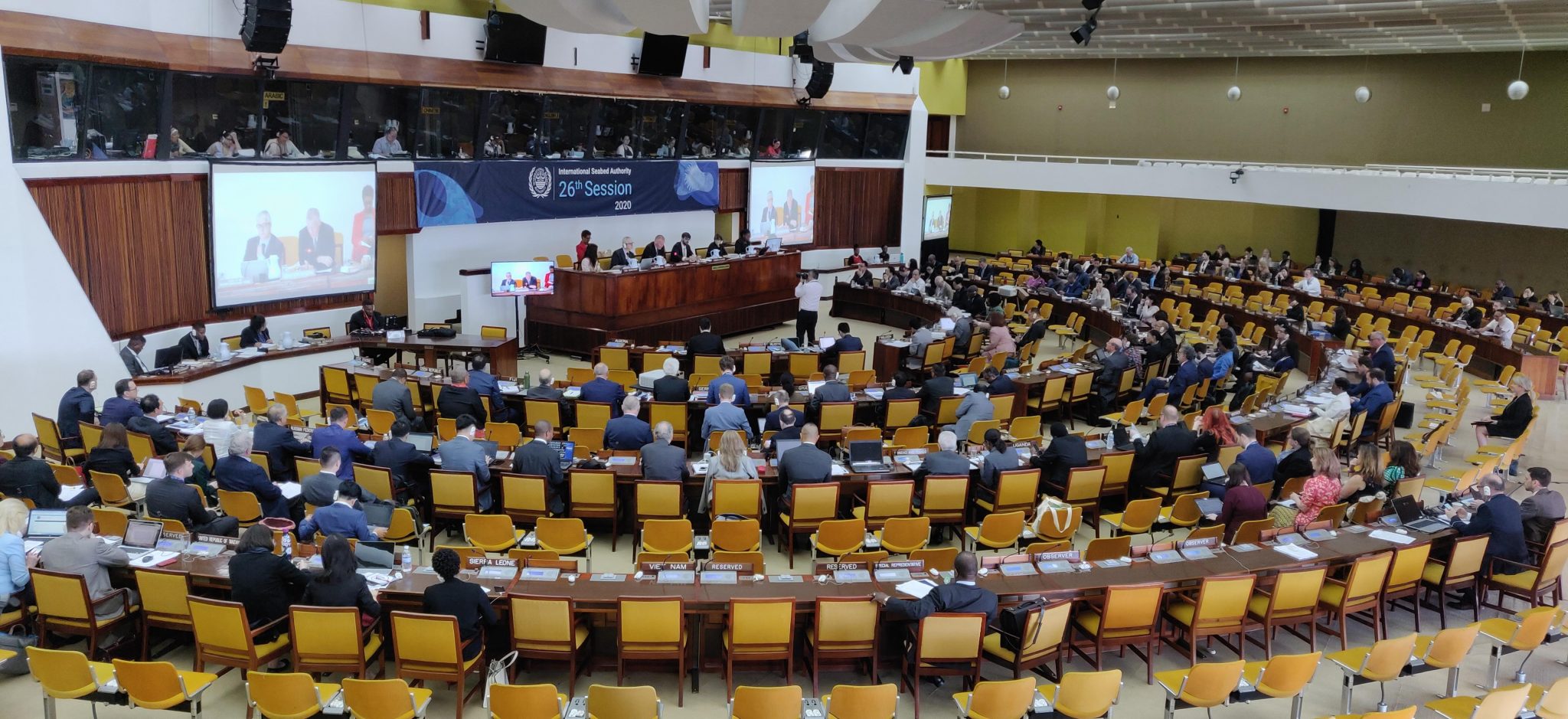
As in-person negotiations on the future of exploitation in the deep ocean resume this week in Kingston Jamaica, we reflect back on the last two years of development as reported on our sister site, the Deep-sea Mining Observer. This article first appeared two years ago, on March 18, 2020.


When the first part of 26th Session of the International Seabed Authority convened last month, there was a new stakeholder impacting the pace of deliberations. COVID-19 had just begun to spread beyond China and nations across the world were limiting travel in the hopes of containing the outbreak. With Jamaica imposing a 14-day quarantine on any traveler coming from China, the Chinese delegation was notably absent, with a delegation from the New York mission standing in for their colleagues. But they weren’t the only delegation affected. Multiple delegates whose travel was supported by the Commonwealth we’re also unable to attend. 

Though those absences did slow down deliberations and cast a pallor over the proceedings, they were nothing compared with what happened next. 

Earlier this week, Forbes published a contributor article entitled “Will Ocean Seabed Mining Delay The Discovery Of Potential Coronavirus Vaccines?” Though hyperbolic in its reaction to an industry which has yet to even begin production, ironically Forbes may have gotten the situation reversed: long before deep-sea mining has even the remote potential to delay the development of novel pharmaceuticals, the COVID-19 pandemic will almost certainly delay the development of deep-sea mining. 
Read More “Two Years of Deep-sea Mining in Review: As deep-sea mining inches towards production, a global pandemic brings negotiations to a halt.” »

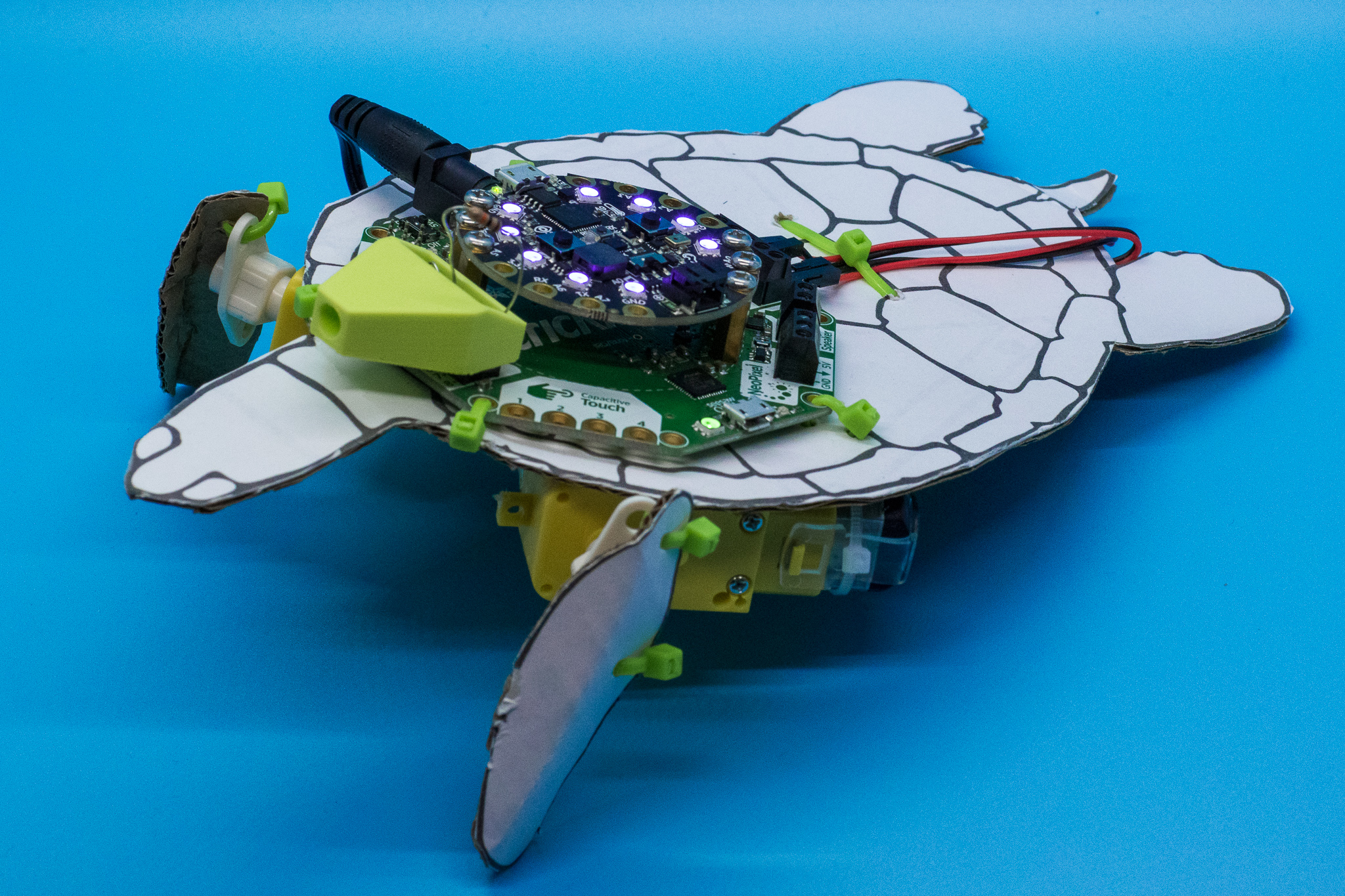
I built a horrifying cyborg sea turtle hatchling so you can learn a little bit about behavioral ecology

Posted on April 22, 2021April 22, 2021 By Andrew Thaler
I built a horrifying cyborg sea turtle hatchling so you can learn a little bit about behavioral ecology
Science

Sea turtles, in case you didn’t know, are pretty great. These giant marine reptiles have been chilling out in the ocean for over 100 million years, largely unchanged. But their evolutionary foray onto land along with the rest of the tetrapods (a move largely regarded as a mistake by most extant species) left them with one one critical vulnerability: they have to return to land to lay their eggs, and their hatchlings must survive a grueling march to the sea within minutes of emerging into the world.

To find their way back to the sea, sea turtle hatchlings emerge from their nests in the darkness and track light cues on the horizon, tracking the glow of starlight on waves. This becomes a huge problem when the beach is littered with the pollution of artificial lights, leading hatchlings away from the sea and towards streets, resorts, and beachfront bars. Light pollution is such a serious problem for sea turtle survival, that many municipalities which host turtle nesting beaches ban the use of superfluous lighting during nesting season. 

Protecting sea turtle nests and nesting sea turtles, particularly the massive, primordial leatherback sea turtle, is a core mission of the Dominica Sea Turtle Conservation Organization (DomSetCO). Leatherbacks are exceptionally sensitive to light. On the top of their heads is a translucent patch of skin directly above the pineal gland. This window to the turtle’s brain serves as a rudimentary third eye which can sense how light changes.

You can help support DomSetCO by donating to our campaign to build the Rosalie Conservation Center, a hybrid rum distillery, fish hatchery, and conservation center in Dominica. Drink rum, save turtles. 

Read More “I built a horrifying cyborg sea turtle hatchling so you can learn a little bit about behavioral ecology” »

The most massive ‘massive sardine’ discovered in the deep waters of Japan

Posted on March 8, 2021March 8, 2021 By Andrew Thaler
Science

This article originally appeared in the February 2021 issue of the Deep-sea Mining Observer. It is reprinted here with permission. For the latest news and analysis about the development of the deep-sea mining industry, subscribe to DSM Observer here: http://dsmobserver.com/subscribe/

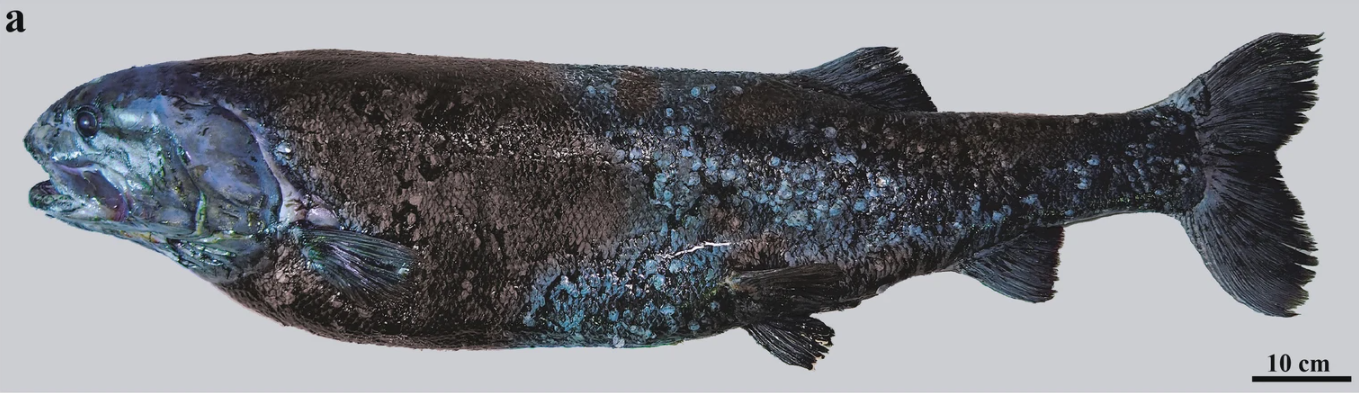
Featured image: Colossal Slickhead, from Fujiwara et al. 2021

Even with the intense research focus of the last twenty years, the deep sea is still almost entirely unexplored. New species are par for the course every time a fresh sample is recovered from the abyssal plain. The vast biodiversity of the deep seafloor is offset by a biomass deficit; the denizens of the deep sea, with a few notable exceptions, are few and far between, their size often limited by the paucity of food available to them. While giants like the Japanese King Crab or the Giant Deep-sea Isopod do occur, the vast majority of deep-sea species are relatively small. 

The discovery of new species in the deep ocean is common, but the discovery of new giants in the deep sea is extremely rare. 

Last month, a research team from the Japan Agency for Marine-Earth Science and Technology (JAMSTEC) led by Dr. Yoshihiro Fujiwara and the Deep-sea Biodiversity Research Group announced the discovery of a new species of slickhead from the deep waters around Suruga Bay. Weighing in at 25 kilograms and measuring 140 centimeters, the Colossal Slickhead, described from four specimens recovered from depths greater than 2000 meters, is the largest species of slickhead (a group of deep-sea fishes found in waters deeper than 1,000 meters) yet described. 

In Japan, slickheads are commonly called sekitori iwashi–’massive sardines’. In recognition of its immense size, the researchers gave this most massive of massive sardines the common name yokozuna iwashi, after the title given to champion sumo wrestlers. 

Read More “The most massive ‘massive sardine’ discovered in the deep waters of Japan” »

Where is the Biden Ocean Team?

Posted on January 18, 2021January 18, 2021 By Andrew Thaler
Where is the Biden Ocean Team?
Science

In forty-eight hours, and amidst the largest peacetime deployment of a military force in any nation’s capitol, President Joe Biden will be sworn in as the 46th President of the United States of America. Biden will inherit a civil service bureaucracy that has been deconstructed by the twice-impeached President Trump. To build back a federal government that has been decimated and demoralized, President-Elect Biden has begun rolling out nominees for critical agencies throughout the federal government. And though these appointments have been met will enthusiasm from the environmental and scientific community, a nagging question lingers among America’s Ocean Stakeholders:

Where is the Biden Ocean Team?

Read More “Where is the Biden Ocean Team?” »

Beyond Batteries: exploring the demand for scandium and tellurium from the deep ocean

Posted on December 17, 2020December 11, 2020 By Andrew Thaler
Science

This article originally appeared in the October/November 2020 issue of the Deep-sea Mining Observer. It is reprinted here with permission. For the latest news and analysis about the development of the deep-sea mining industry, subscribe to DSM Observer here: http://dsmobserver.com/subscribe/ For the last decade, next-generation batteries have been the motivating force for the deep-sea mining industry. The … Read More “Beyond Batteries: exploring the demand for scandium and tellurium from the deep ocean” »

The United States moves towards exploration and exploitation of critical mineral resources in the deep ocean.

Posted on December 14, 2020December 11, 2020 By Andrew Thaler
Science

This article originally appeared in the October/November 2020 issue of the Deep-sea Mining Observer. It is reprinted here with permission. For the latest news and analysis about the development of the deep-sea mining industry, subscribe to DSM Observer here: http://dsmobserver.com/subscribe/ Since the signing of the UN Convention on the Law of the Sea and the creation of … Read More “The United States moves towards exploration and exploitation of critical mineral resources in the deep ocean.” »

How anglerfish hack their immune system to hang on to a mate

Posted on September 18, 2020September 17, 2020 By Andrew Thaler
How anglerfish hack their immune system to hang on to a mate
Science

This article originally appeared in the August/September 2020 issue of the Deep-sea Mining Observer. It is reprinted here with permission. For the latest news and analysis about the development of the deep-sea mining industry, subscribe to DSM Observer here: http://dsmobserver.com/subscribe/

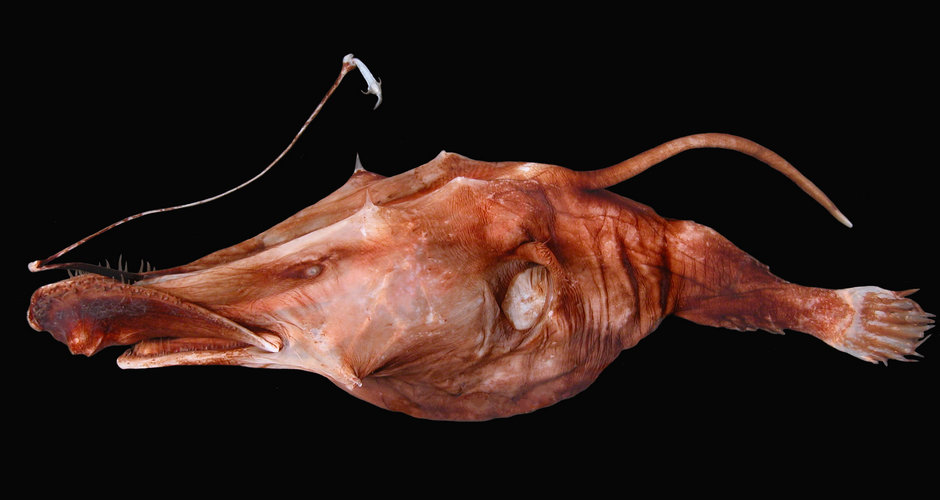
When you live in the darkness of the abyss, finding a partner is hard and keeping a partner is even harder. Deep-sea anglerfish, one of the iconic ambassador species of the deep ocean, have found a novel solution to this problem–dwarf males are sexual parasites that latch onto the body of the much larger female anglerfish and then physically fuse to their partner, becoming permanently attached to the point where they share a circulatory and digestive system. 

Parasitic dwarf males are uncommon, but not unheard of, throughout the animal kingdom. Osedax, the deep sea bone eating worm, also maintains a harem of dwarf males in a specialized chamber in their trunk. But few species, and no other vertebrates, go to quite the extremes of the anglerfish. And with good reason. 

Vertebrate immune systems have a long shared history. The Major Histocompatibility Complex (MHC) is a suite of genes shared among all gnathostomes–the taxonomic group that contains all jawed vertebrates, from fish to fishermen. It creates the proteins which provide the foundation for the adaptive immune system, the core complex which allows bodies to tell self from no-self, detect pathogens, and reject non-self invaders. Suppressing the MHC seriously inhibits a vertebrate’s ability to fight off infection. 

Incidentally, not all deep-sea anglerfish have parasitic dwarf males, and the species most often presented as a type specimen in the popular press, the humpback anglerfish Melanocetus johnsonii, is one of several that do not have permanently attached parasitic dwarf males. M. johnsonii males are free-swimming throughout their life, they’re just small and clingy.

Read More “How anglerfish hack their immune system to hang on to a mate” »

Bioprospecting in Practice: How a drug goes from the ocean to the clinic.

Posted on August 10, 2020August 10, 2020 By Andrew Thaler 1 Comment on Bioprospecting in Practice: How a drug goes from the ocean to the clinic.
Bioprospecting in Practice: How a drug goes from the ocean to the clinic.
Science

This article originally appeared in the June/July 2020 issue of the Deep-sea Mining Observer. It is reprinted here with permission. For the latest news and analysis about the development of the deep-sea mining industry, subscribe to DSM Observer here: http://dsmobserver.com/subscribe/

Bioprospecting, the discovery of new pharmaceutical compounds, industrial chemicals, and novel genes from natural systems, is frequently cited among the critical non-mineral commercial activities that yield value from the deep ocean. Isolating new chemicals or molecular processes from nature can provide substantial benefits to numerous industries. The value of products derived from marine genetic resources alone is valued at $50 billion while a single enzyme isolated from a deep-sea hydrothermal vent used in ethanol production has an annual economic impact of $150 million. 

In contrast to other extractive processes, bioprospecting is driven by and dependent on biodiversity. The greater the diversity and novelty of an ecosystem, the greater the likelihood that new compounds exist within that community. Bioprospecting is also viewed as light extraction, compounds only need to be identified once–actual production happens synthetically in the lab–thus leaving ecosystems relatively undisturbed compared to more intensive industries.

Despite the promise and importance of bioprospecting, there is generally a relatively poor understanding of what the process of discovery entails. How do researchers go from sponges on the seafloor to new antiviral treatments? 

Read More “Bioprospecting in Practice: How a drug goes from the ocean to the clinic.” »

Probing the submerged caves of Bermuda with Trident

Posted on January 28, 2020January 28, 2020 By Andrew Thaler
Science
Dr. Blanco-Bercial pilots the Trident ROV in one of Bermuda’s submerged caves.

Conservation research in submarine caves is among the clearest and most compelling use-cases for a small observation-class ROV like Trident, which is why, last week, we delivered the very first ROV for Good Sofar Ocean Trident to Dr. Leocadio Blanco-Bercial at the Bermuda Institute of Ocean Sciences to study the hidden biodiversity in Bermuda’s Anchialine Caves.

Dr. Blanco-Bercial is a marine biologist who studies the diversity and evolution in invertebrates, especially those in marine cave ecosystems. Bermuda is home to a network of anchialine caves (caves connected to the sea through underwater passageways) which are home to a diverse array of rare and ancient arthropod lineages, many of which are unique to Bermuda. These species are under threat from land development and other human activities.

“From the science standpoint,” says Dr.  Blanco-Bercial, “the Trident will give us independence from specialized divers availability, and will simplify the logistics associated with the sampling process – the Trident is easy to carry even by a single person – and sampling attachments and other gear is easily transportable by another colleague.”

Read More “Probing the submerged caves of Bermuda with Trident” »

We want to give you an ROV!

Posted on January 13, 2020January 13, 2020 By Andrew Thaler 1 Comment on We want to give you an ROV!
Open Science, Science

If you have access to a small, observation-class remotely operated vehicle to explore the ocean, where would you go? Would you use it to discover something new about marine ecosystems? Would you give students the opportunity to journey beneath the waves and learn about their local waterways? Would you hunt for lost lobster traps, track … Read More “We want to give you an ROV!” »

Posts pagination

Previous 1 … 7 8 9 … 81 Next

Popular Posts

How close did the world's first deep-sea mining come to the dredging the world's largest cold-water coral reef?How close did the world's first deep-sea mining come to the dredging the world's largest cold-water coral reef?March 17, 2026Andrew Thaler
At least 74 practicing shark researchers: How a silly thing I said online raised thousands for conservationAt least 74 practicing shark researchers: How a silly thing I said online raised thousands for conservationFebruary 26, 2025David Shiffman
What Ocean Ramsey does is not shark science or conservation: some brief thoughts on "the Shark Whisperer" documentaryWhat Ocean Ramsey does is not shark science or conservation: some brief thoughts on "the Shark Whisperer" documentaryJuly 2, 2025David Shiffman
That's not a blobfish: Deep Sea Social Media is Flooded by AI SlopThat's not a blobfish: Deep Sea Social Media is Flooded by AI SlopDecember 19, 2025Andrew Thaler
Here are some ocean conservation technologies that I'm excited aboutHere are some ocean conservation technologies that I'm excited aboutFebruary 19, 2026David Shiffman
Urea and Shark OsmoregulationUrea and Shark OsmoregulationNovember 15, 2010David Shiffman
Here's what I teach my students about finding jobs in marine biology and conservationHere's what I teach my students about finding jobs in marine biology and conservationApril 10, 2024David Shiffman
I turned my woodshop into a personal solar farm.I turned my woodshop into a personal solar farm.June 21, 2021Andrew Thaler
My "Follow ocean science and conservation experts on Bluesky and Instagram" assignmentMy "Follow ocean science and conservation experts on Bluesky and Instagram" assignmentNovember 19, 2024David Shiffman
Alberta, Canada is the proud owner of the largest man-made pyramid on the planetAlberta, Canada is the proud owner of the largest man-made pyramid on the planetOctober 16, 2012Andrew Thaler
Subscribe to our RSS Feed for updates whenever new articles are published.

We recommend Feedly for RSS management. It's like Google Reader, except it still exists.

Southern Fried Science

  • Home
  • About SFS
  • Authors
  • Support SFS


If you enjoy Southern Fried Science, consider contributing to our Patreon campaign.

Copyright © 2026 Southern Fried Science.

Theme: Oceanly Premium by ScriptsTown