Skip to content

Southern Fried Science

Over 15 years of ocean science and conservation online

  • Home
  • About SFS
  • Authors
  • Support SFS

Fun Science FRIEDay – Embryonic Gene Editing

Posted on August 18, 2017 By Kersey Sturdivant
Uncategorized

The world we currently live in would have seemed like science fiction to humans in the not to distant past. Everyday more and advancements transform sci-fi dreams into reality. Most recently gene editing of human embryos has been birthed into the realm of possibility (cheesy pun intended!). In theory gene editing embryos could allow you to choose preferential traits in your soon to be human flesh-blob. That level of ability does not currently exist, but the latest developments in gene editing are still pretty astonishing.
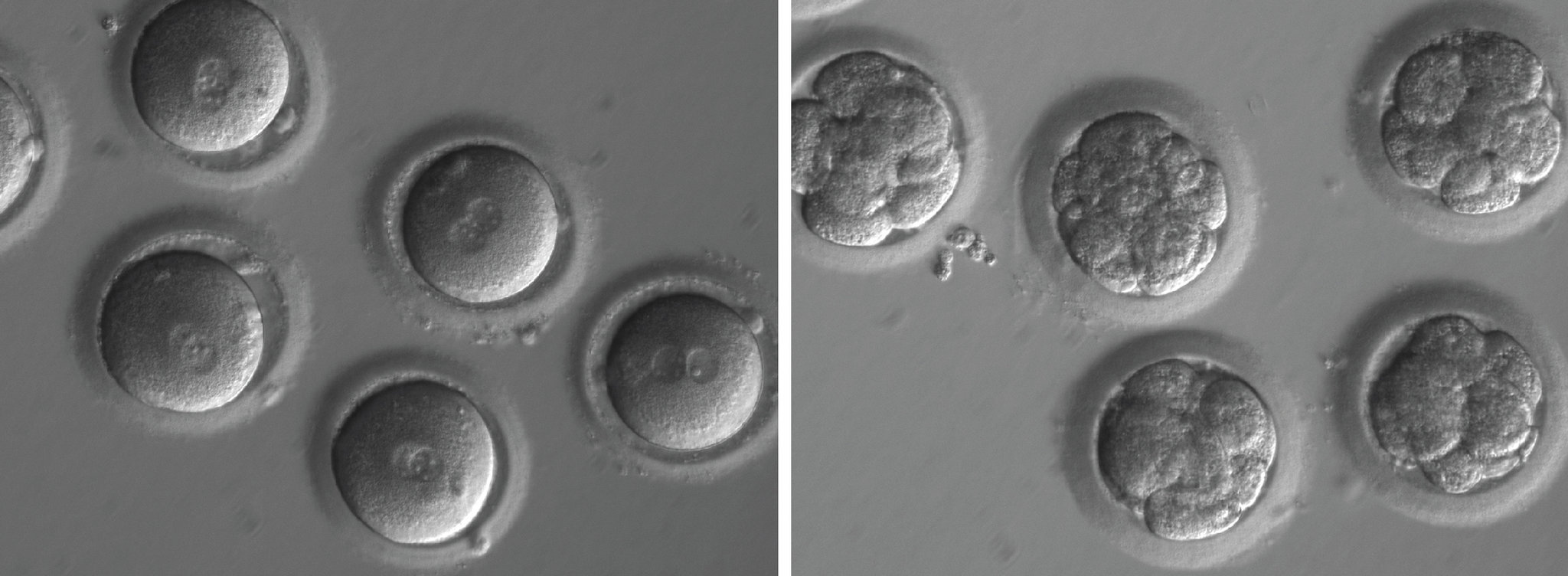
Eggs before gene editing (left), and eggs after gene editing and already undergoing cell division (right)
(Photo credit: Ma et al. 2017)

In a recent study scientists took a human embryo and edited a dangerous mutation from the genes of that embryo; human reality, meet science fiction. Scientists at Oregon Health and Science University, with colleagues in California, China and South Korea, edited embryos, fixing a mutation that causes a common heart condition that can lead to sudden death later in life. The biggest hurdles were producing embryos in which all cells, not just some, were mutation-free, while also avoiding creating unwanted extra mutations during the process. The researchers found that when gene-editing components were introduced with sperm to the egg before fertilization, the success of the process was markedly different from previous approaches. If embryos with the repaired mutation were allowed to develop into babies, they would not only be disease-free but would also not transmit the disease to their descendants.
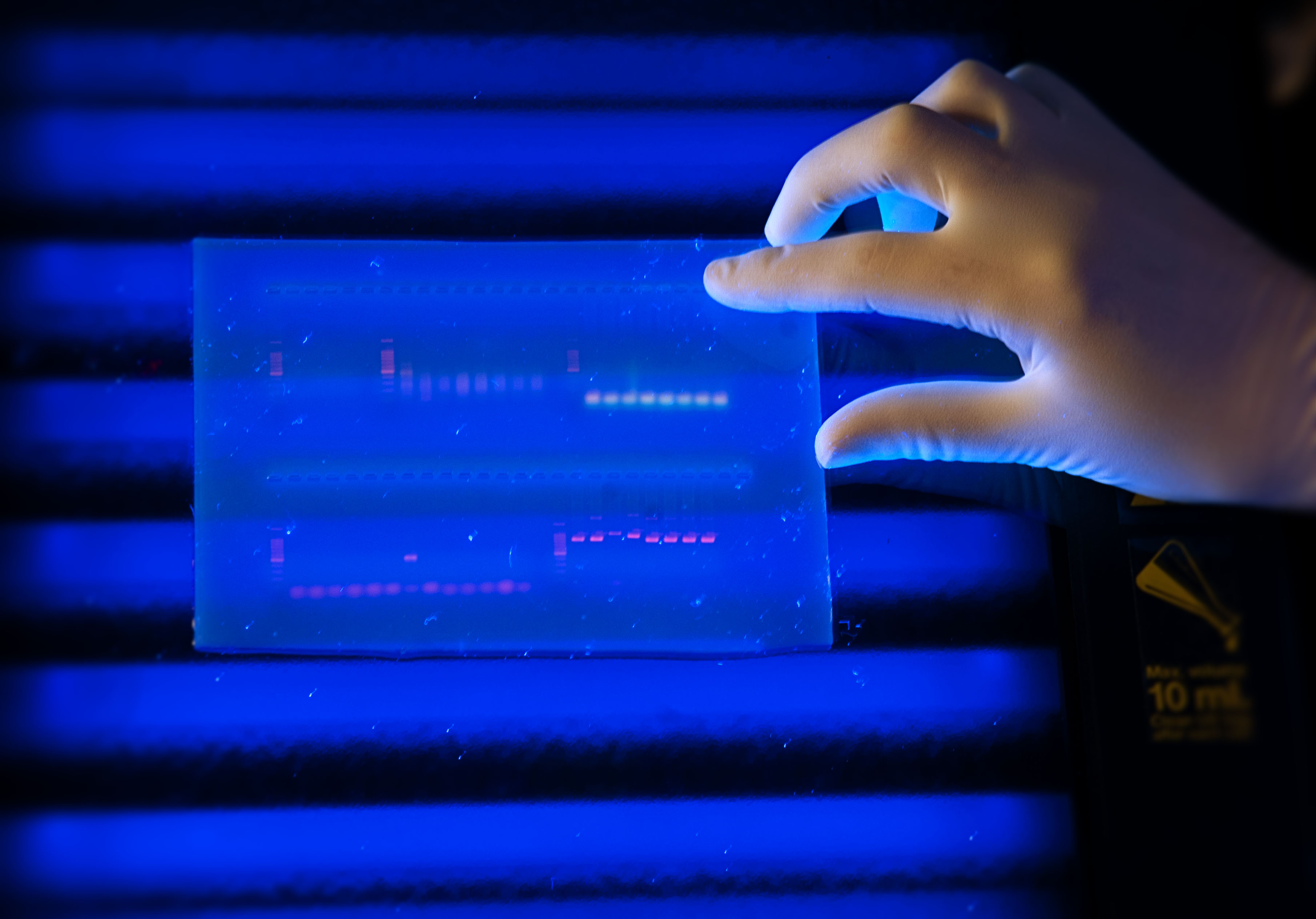
Molecular DNA
(Photo credit: SNRE Lab/Flickr)

There are A LOT of moral and ethical implications around gene editing embryos, with many unforeseen medical consequences of making inherited changes to human DNA. There are also cultural implications as gene engineering could lead to another form of eugenics, where those with the means to confer preferable traits to their offspring exclusively benefit from this technology. Attempts have been made to establish regulations and boundaries to the application of gene editing. An influential science advisory group formed by the National Academy of Sciences and the National Academy of Medicine has strongly urged that this technology only be used for dire medical problems.

Only time will tell the effectiveness of gene editing regulation. For now these recent advancements in embryonic gene editing open up a world of possibilities, and push human technological ability into the realm of the remarkable and somewhat unbelievable.

You can read the full article of this recent work published in the journal Nature.

Share this:

  • Click to share on Bluesky (Opens in new window) Bluesky
  • Click to share on Facebook (Opens in new window) Facebook
  • Click to share on Reddit (Opens in new window) Reddit
  • Click to share on Threads (Opens in new window) Threads
  • Click to share on WhatsApp (Opens in new window) WhatsApp
  • Click to share on Mastodon (Opens in new window) Mastodon

Related

Tags: dna DNA (DEOXYRIBONUCLEIC ACID) DNA editing embryo molecular ecology molecular therapy

Post navigation

❮ Previous Post: There’s only one way to get these exclusive, limited-edition Jaunty Ocean Critter stickers!
Next Post: Unflappable Mola Molas, a Cousteau biopic, sharkcats, and more! Monday Morning Salvage: August 21, 2017 ❯

You may also like

Weekly Salvage
Crab industry in crisis, world’s largest deep-sea mining vessel takes to sea, Bayou Women, ocean trash, and more! Monday Morning Salvage: May 7, 2018
May 7, 2018
Science
Hatteras to Sargasso
May 20, 2010
Uncategorized
Ethical debate: Patient consent and medical progress
February 10, 2010
Uncategorized
Fun Science FRIEDay – Cure for HIV?
May 19, 2017

Popular Posts

Shark scientists want their research to help save threatened species, but don’t know how. Our new paper can help.Shark scientists want their research to help save threatened species, but don’t know how. Our new paper can help.December 1, 2025David Shiffman
Norway and Cook Islands put their deep-sea mining plans on pause.Norway and Cook Islands put their deep-sea mining plans on pause.December 3, 2025Andrew Thaler
What Ocean Ramsey does is not shark science or conservation: some brief thoughts on "the Shark Whisperer" documentaryWhat Ocean Ramsey does is not shark science or conservation: some brief thoughts on "the Shark Whisperer" documentaryJuly 2, 2025David Shiffman
The Trouble with Teacup PigsThe Trouble with Teacup PigsOctober 14, 2012Andrew Thaler
What we know we don't know: impacts of deep-sea mining on whales, dolphins, sharks, turtles, and other migratory species.What we know we don't know: impacts of deep-sea mining on whales, dolphins, sharks, turtles, and other migratory species.November 20, 2025Andrew Thaler
2025: My year in writing, public speaking, and media interviews2025: My year in writing, public speaking, and media interviewsDecember 3, 2025David Shiffman
Urea and Shark OsmoregulationUrea and Shark OsmoregulationNovember 15, 2010David Shiffman
Shark of Darkness: Wrath of Submarine is a fake documentaryShark of Darkness: Wrath of Submarine is a fake documentaryAugust 10, 2014Michelle Jewell
How tiny satellites are tracking marine wildlifeDecember 1, 2025Andrew Thaler
Build a dirt cheap, tough-as-nails field computer in a Pelican caseBuild a dirt cheap, tough-as-nails field computer in a Pelican caseJuly 21, 2015Andrew Thaler
Subscribe to our RSS Feed for updates whenever new articles are published.

We recommend Feedly for RSS management. It's like Google Reader, except it still exists.

Southern Fried Science

  • Home
  • About SFS
  • Authors
  • Support SFS


If you enjoy Southern Fried Science, consider contributing to our Patreon campaign.

Copyright © 2025 Southern Fried Science.

Theme: Oceanly Premium by ScriptsTown