

Skip to content

Southern Fried Science

Over 15 years of ocean science and conservation online

  • Home
  • About SFS
  • Authors
  • Support SFS

Recent Posts

We Asked IMCC7 Attendees What Ocean Conservation Needs. Here’s What They Said.
November 5, 2026
Researching Historical Erasure on Public Lands
July 31, 2026
5 things I learned helping to reassess the global conservation status of every species of tuna and billfish
September 15, 2026
Key takeaways from my Convention on Migratory Species report on fish aggregating devices in the Mediterranean Sea
September 3, 2026
Jabberwocks and Snallygasters: teaching environmental education with monsters, mayhem, and dice.
August 31, 2026
The conservation impacts of recreational fishing
August 25, 2026

Here lies American science

Posted on November 28, 2014December 1, 2014 By Guest Writer
Blogging

wrightAndrew Wright is a British marine biologist that has been working on the science-policy boundary around the world for over a decade. His experiences have led him to champion a better communication of science to policy makers and the lay public. His research has included a population viability analysis for the vaquita, sperm whales bioacoustics and the impacts of noise on various marine mammals. Andrew is currently working on several projects, most relating to investigating either sleeping behaviour or chronic stress in wild cetaceans. He is also spearheading efforts to bring more marketing techniques into conservation outreach.


As most of you know by now, on November 12th, the European Space Agency (ESA) landed a probe (Philae) on the surface of a comet (67P/Churyumov–Gerasimenko) as part of the Rosetta mission. However, perhaps some of you are unaware that NASA cut a strikingly similar mission (Comet Rendezvous Asteroid Flyby) due to budget constraints. NASA basically had to choose between two missions and picked the other one (the Cassini-Huygens mission to Saturn). That forgotten mission was scheduled to touch-down on the comet Kopff in 2001, and its cancellation left the ESA to grab first prize for a soft-landing on a comet.
Read More “Here lies American science” »

Fun Science FRIEDay – Beauty Sleep

Posted on November 28, 2014November 27, 2014 By Kersey Sturdivant
Blogging, Uncategorized

Happy Fun Science FRIEDay!!!

It’s the Turkey Holiday, and aside from eating and socializing, I suspect quite a many of you have also been getting lots of sleep!

Despite how little of it some of us get during our normal routine, sleep is important… right? We know that sleep has tons of benefits for the body such as allowing our muscles and bones to repair themselves, and keeping our immune system healthy. Sleep is also important for our brains, allowing for memories to be consolidated and other important functions to be performed.

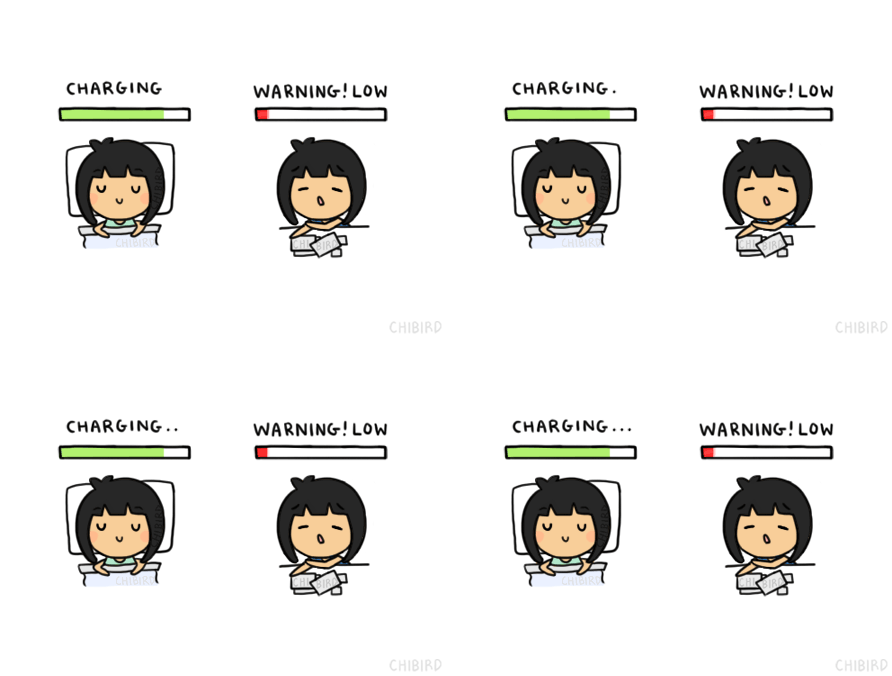
Sleeping is like recharging your batteries. ^u^  (Photo credit: Chibird, http://rebloggy.com/post/cute-sleep-animation/42472951026)
Sleeping is like recharging your batteries. ^u^
(Photo credit: Chibird, http://rebloggy.com/post/cute-sleep-animation/42472951026)

Read More “Fun Science FRIEDay – Beauty Sleep” »

Ocean Things to Be Thankful For: Megalodon is Dead, but We Still Have Sharks (and Whales)

Posted on November 26, 2014 By Chuck Bangley
Conservation

This time of year, it’s appropriate to think of things to be thankful for.  This being an ocean-focused blog, I’d like to share something ocean-related that I’m thankful for, and hopefully spread a little Ocean Optimism in the process.  What I’m thankful for is that Carcharocles megalodon is extinct.  This may not seem like cause for optimism, but honestly the present-day ocean and Megalodon are better off without each other.  And while we may not have 50-foot sharks around anymore (at least not the superpredatory kind), there are actually a lot of species we know and love that have either outlasted Megalodon or are only around because the big beast isn’t around anymore.

Read More “Ocean Things to Be Thankful For: Megalodon is Dead, but We Still Have Sharks (and Whales)” »

Ocean things we’re thankful for, West Coast Edition

Posted on November 26, 2014 By Andrew Thaler
Blogging

As some of you know (especially if you follow us on OpenExplorer), Amy and I have once again made the vast, continent-spanning migration from the Pacific to Atlantic coast, this time settling down in rural Virginia. While we enjoyed our time out in the weirdly foggy, impossibly dry San Francisco Bay Area, we also learn that the southeast US is our ecological niche. Even so, we met hundreds of new and interesting people, got to play with some tremendous tech, and had a great time. So here are the top five San Francisco Bay Area ocean things we are thankful for.

1. Vallejo

Of all the cities that comprise the “Bay Area”, Vallejo, the smallest and furthest from the heart of San Francisco, feels the most maritime, by far. With a downtown only blocks from the waterfront, an expansive city park right at the edge, and an active ferry terminal for commuters, people with a nautical cut to their jib will feel right at home. Though smaller and more suburban than most Bay Area cities, it’s also a whole lot cheaper, with 2 bedroom houses renting for the cost of hot swapping* a futon in San Francisco.

Read More “Ocean things we’re thankful for, West Coast Edition” »

Fun Science FRIEDay – Death Star

Posted on November 21, 2014November 21, 2014 By Kersey Sturdivant
Blogging

Happy Fun Science FRIEDay!

While Ebola wreaks havoc on Homo sapiens in the terrestrial world, there has been an even more virulent disease causing the destruction of a marine animal, the sea star. Today we talk about this deadly condition impacting sea star populations and the recent discovery of just what is causing this affliction.


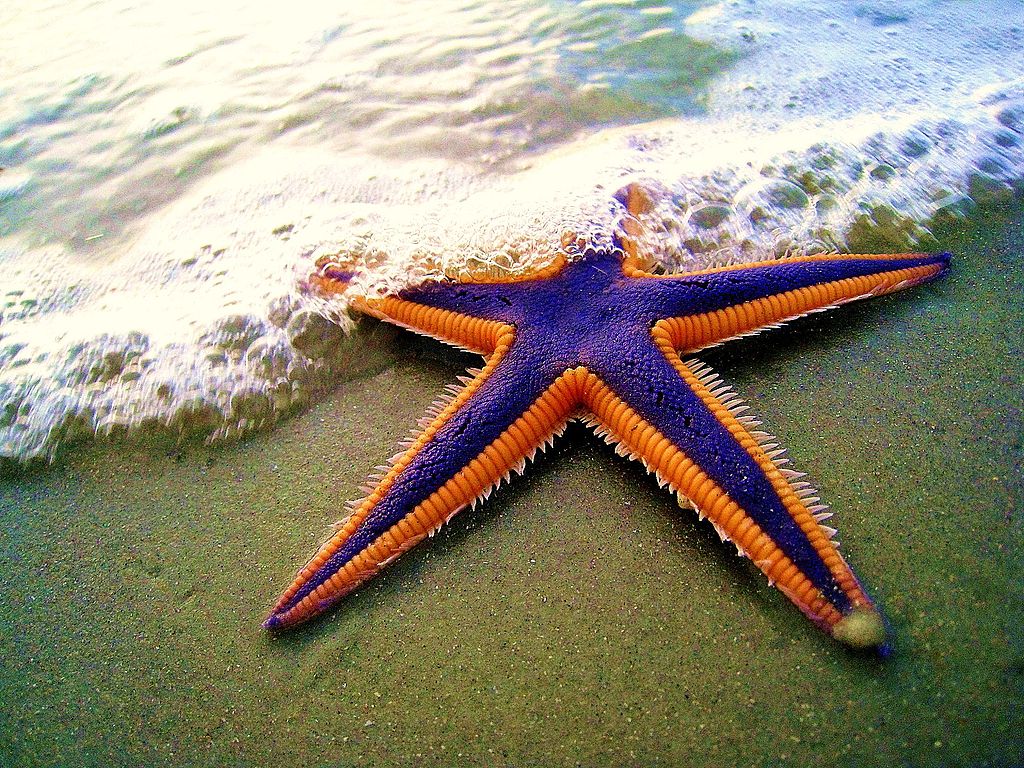
Royal starfish (Astropecten articulatus) on the beach. (Photo credit: TheMargue - http://www.fotopedia.com/items/flickr-2884079538)
Royal starfish (Astropecten articulatus) on the beach.
(Photo credit: TheMargue – http://www.fotopedia.com/items/flickr-2884079538)

Read More “Fun Science FRIEDay – Death Star” »

Agents of seal: stealthy seals use subsurface structures to sneak by sharks

Posted on November 18, 2014December 8, 2014 By Michelle Jewell 1 Comment on Agents of seal: stealthy seals use subsurface structures to sneak by sharks
Blogging, Science

michelleMichelle Jewell is a Zoologist specialized in predator/prey behaivour and the Scientific Communicator for EDNA Interactive.  She has spent the past 4 years studying the behaviour of white sharks and Cape fur seals at Geyser Rock, ‘Shark Alley’, South Africa.  

Predators are highly influential in ecosystems because of the many top-down effects they can have.  The most obvious and direct way predators influence an ecosystem is by eating and reducing the number of prey animals in the system, but another equally important way is the indirect influence they have on the behaviour of prey animals.

If you have avoided parking on a risky-looking street, taken a different route between classes to avoid a bully, or abandoned a forest hike because of snapping twigs in the distance, you have been indirectly affected by perceived ‘predators’.  In the wild, prey animals will also change their behaviour when they perceive that predators are around, and these altered behaviours often influence other species, ultimately shaping the ecosystem.

Read More “Agents of seal: stealthy seals use subsurface structures to sneak by sharks” »

Fun Science FRIEDay – The Origin of HIV

Posted on November 14, 2014November 25, 2014 By Kersey Sturdivant
Blogging, Science

Happy Fun Science FRIEDay


After a hiatus, I hope to get back to regularly writing these pieces. This week I was particular inspired to focus on an article I read about the discovery of the origins of the human immunodeficiency virus (HIV) and subsequently the origins of AIDS.

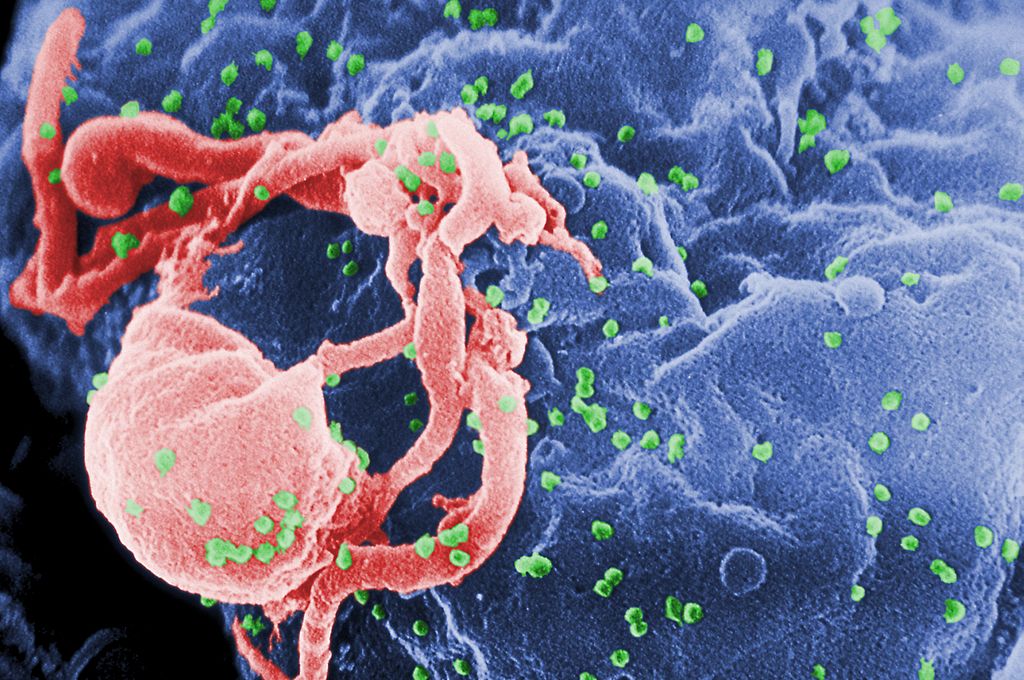
Scanning electron micrograph of HIV-1 (in green) budding from cultured lymphocyte. Multiple round bumps on cell surface represent sites of assembly and budding of virions. Photo Credit: Centers for Disease Control (CDC)
Scanning electron micrograph of HIV-1 (in green) budding from cultured lymphocyte. Multiple round bumps on cell surface represent sites of assembly and budding of virions.
Photo Credit: Centers for Disease Control (CDC)

AIDS burst onto the scene like a bat out of hell, wreaking havoc on an unsuspecting human population. First recognized in the early 1980s by the Centers for Disease Control and Prevention, better known as the CDC), AIDS went on to cause approximate 36 million deaths globally becoming one of the most devastating diseases in human history. But where did this affliction come from and what were the chain of events that led to the pandemic?

Read More “Fun Science FRIEDay – The Origin of HIV” »

Marine Ecology via Remote Observation: an update from #ROV2PNG

Posted on November 12, 2014November 12, 2014 By Andrew Thaler
Science

Note: we’re home after an exceptional 3 weeks of work in Papua New Guinea. Sadly, the course was so intense that we weren’t able to produce updates during the program. Instead, please accept these time-shifted updates from #ROV2PNG. After more than a week of building robots, developing research proposals, presenting and defending their proposals to … Read More “Marine Ecology via Remote Observation: an update from #ROV2PNG” »

Newly-build robots face many sea trials: an update from #ROV2PNG

Posted on November 10, 2014 By Andrew Thaler
Science

Note: we’re home after an exceptional 3 weeks of work in Papua New Guinea. Sadly, the course was so intense that we weren’t able to produce updates during the program. Instead, please accept these time-shifted updates from #ROV2PNG.

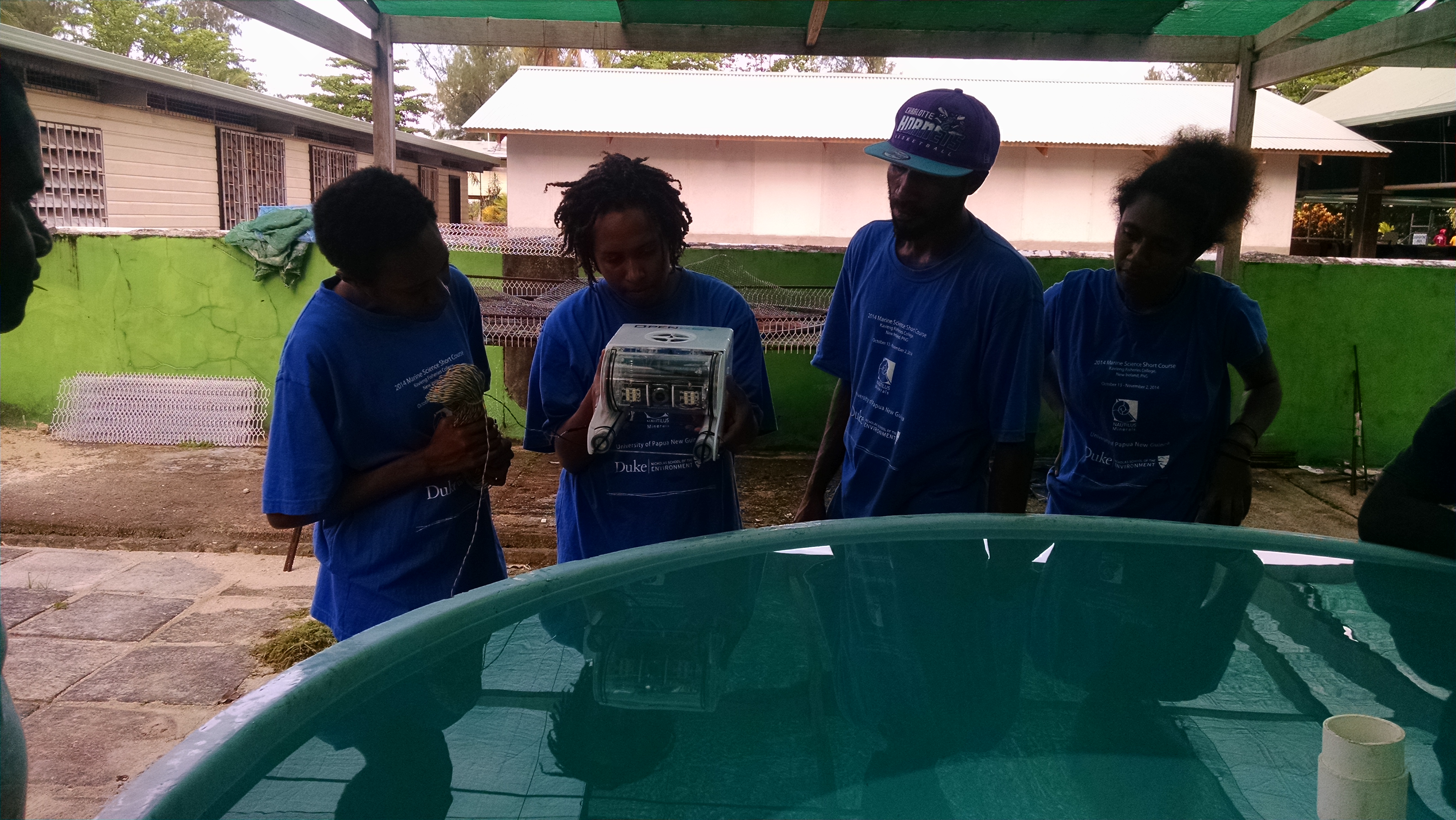
Students prepare for Pilot Academy.

With a week of robot building behind us, it’s time to put our robots, and our newly minted robot pilots to the test. Monday began with a day of tether management and pilot training. The OpenROV does not come with its own, pre-built tether management system; operators must design their own and adapt it to the unique challenges of their field environment. So we set the team off to develop their own tether management systems and the results were astounding, artistic, and clever.

One of several innovative tether management systems.

With tethers securely managed, it was time for Erika’s Pilot Academy. As some teams continued to perform maintenance and troubleshooting, and some worked on their ecology projects, others were led, group by group, to the test tank, where Erika and Dominik had built a challenge course for them to fly. Without looking at the tank or robot, each student had to pilot an ROV around the tank, collect a weighted target, and bring it to the surface. Even for veteran OpenROV pilots, this exercise can be challenging. We closed out the first day of pilot training with 23 skilled pilots.

Read More “Newly-build robots face many sea trials: an update from #ROV2PNG” »

Watch Outbreak Wednesday at 8 and tweet along with public health experts!

Posted on November 10, 2014 By David Shiffman
Popular Culture, Science

Much of the public panic about the current ebola situation can be contact traced to the 1995 movie “Outbreak.” This fictional movie is based on the supposedly true story “the Hot Zone” by Richard Preston , though an important new analysis by infectious disease researcher Dr. Tara Smith shows that the Hot Zone has some major factual … Read More “Watch Outbreak Wednesday at 8 and tweet along with public health experts!” »

Posts pagination

Previous 1 … 103 104 105 … 277 Next

Popular Posts

Getting a sense of porpoiseJanuary 20, 2009Andrew Thaler
This is the worst academic presentation in the world ... tributeApril 23, 2015Chris Parsons
That's not a blobfish: Deep Sea Social Media is Flooded by AI SlopThat's not a blobfish: Deep Sea Social Media is Flooded by AI SlopDecember 19, 2025Andrew Thaler
Shark of Darkness: Wrath of Submarine is a fake documentaryShark of Darkness: Wrath of Submarine is a fake documentaryAugust 10, 2014Michelle Jewell
Have we found the city of Atlantis?Have we found the city of Atlantis?September 1, 2026Chris Parsons
What Ocean Ramsey does is not shark science or conservation: some brief thoughts on "the Shark Whisperer" documentaryWhat Ocean Ramsey does is not shark science or conservation: some brief thoughts on "the Shark Whisperer" documentaryJuly 2, 2025David Shiffman
Ethical Debate: Killing sharks for science?Ethical Debate: Killing sharks for science?June 1, 2010David Shiffman
The 45 most influential female ecologists alive today according to twitterThe 45 most influential female ecologists alive today according to twitterFebruary 10, 2014Guest Writer
Soon may the explainer come: Everything you’ve always wanted to know about sea shanties but were afraid to askSoon may the explainer come: Everything you’ve always wanted to know about sea shanties but were afraid to askNovember 22, 2022David Shiffman
Our favorite sea monsters – The Kraken (#1)Our favorite sea monsters – The Kraken (#1)September 10, 2010Andrew Thaler

squishy

Subscribe to our RSS Feed for updates whenever new articles are published.

We recommend Feedly for RSS management. It's like Google Reader, except it still exists.

Southern Fried Science

  • Home
  • About SFS
  • Authors
  • Support SFS


If you enjoy Southern Fried Science, consider contributing to our Patreon campaign.

Copyright © 2026 Southern Fried Science.

Theme: Oceanly Premium by ScriptsTown