
Skip to content

Southern Fried Science

Over 15 years of ocean science and conservation online

  • Home
  • About SFS
  • Authors
  • Support SFS

Recent Posts

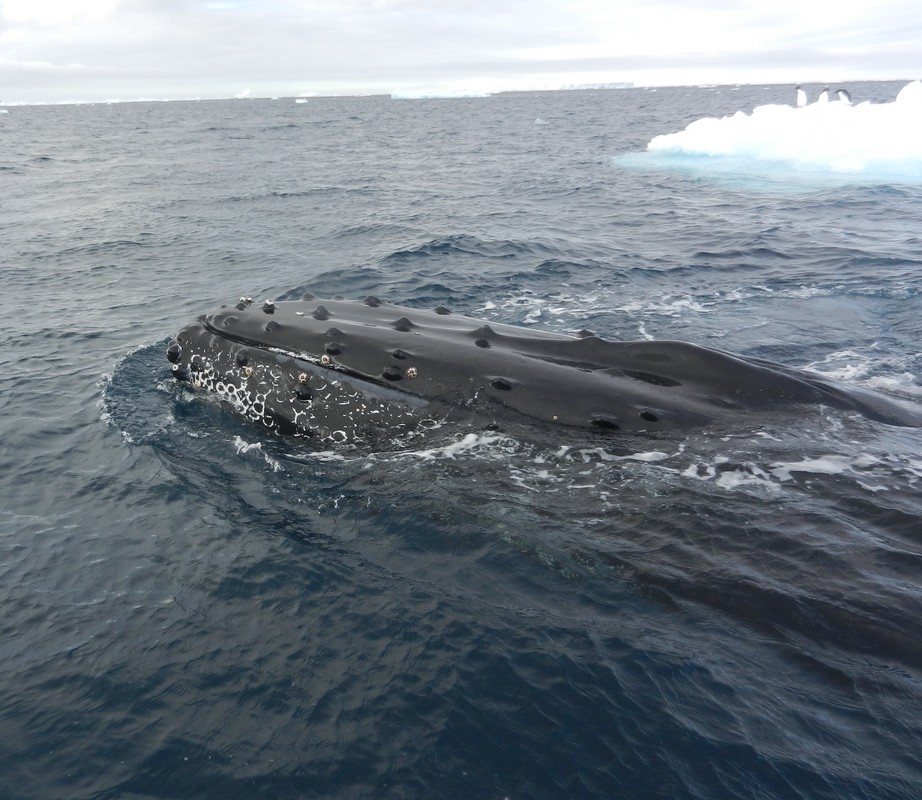
humpback whale in Antarctica
The evolution of the International Whaling Commission – from  whaling quotas to whale conservation
June 10, 2026
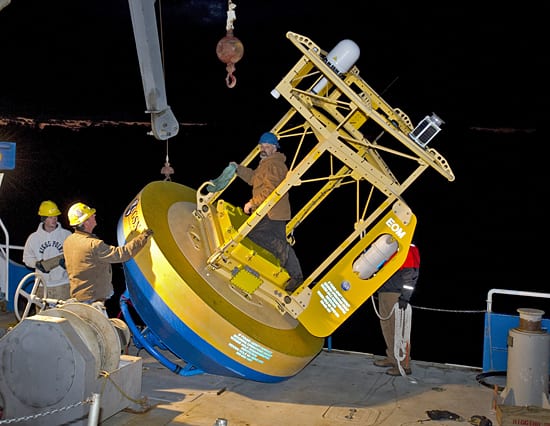
Isn’t ironic, don’t you think: dismantling the Ocean Observatories Initiative on World Oceans Day
June 9, 2026
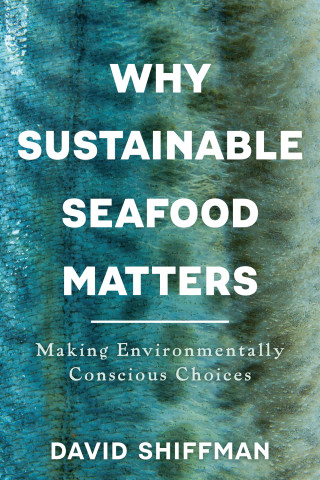
“Why Sustainable Seafood Matters” is now available for preorder! Here’s what it’s about, and why I decided to write it.
June 8, 2026
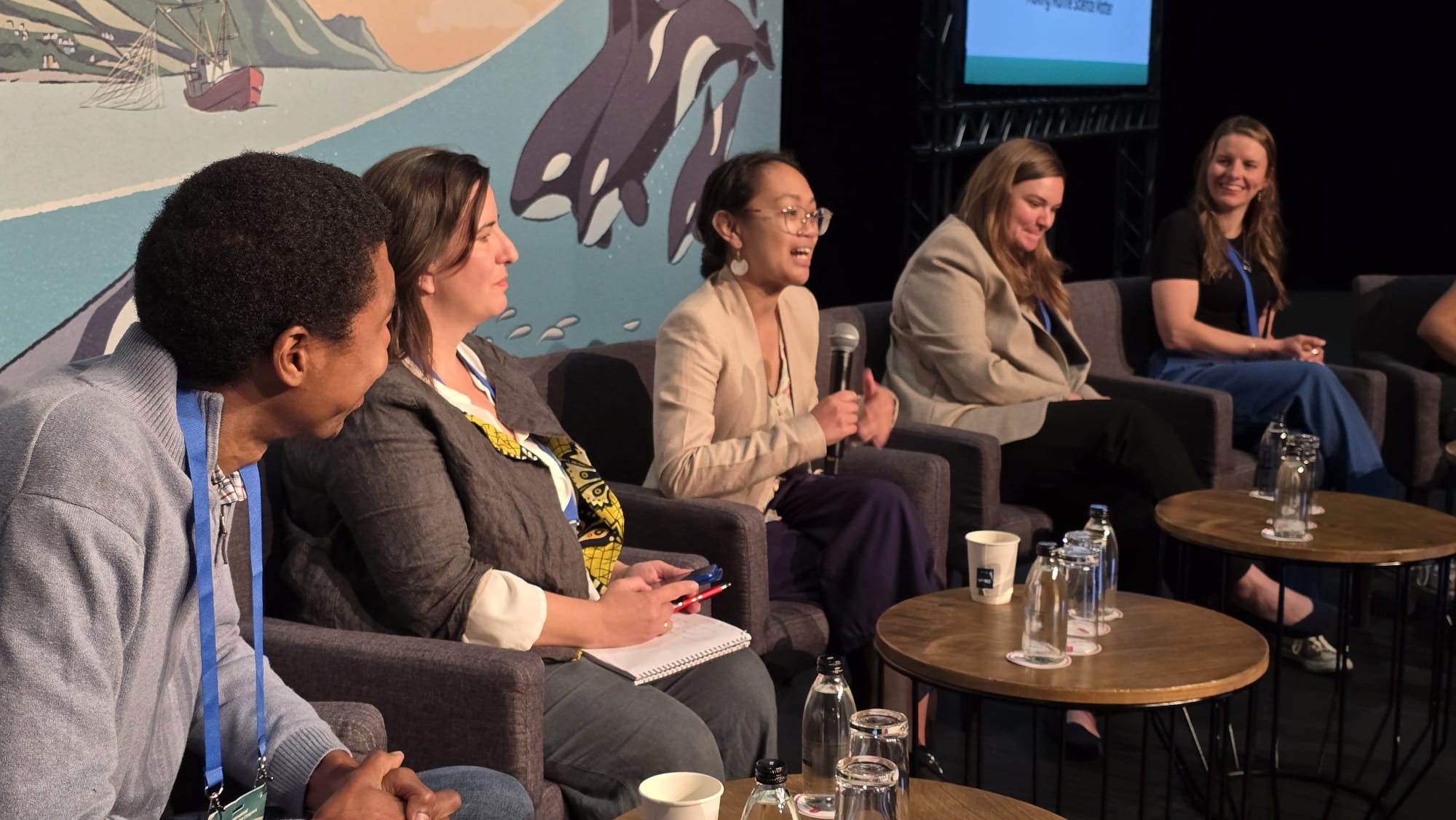
Here’s how to join my IMCC8 symposium, “Ocean Science Communication: What’s New and What’s Next?”
April 22, 2026
Deep Sea Mining Symposium Announcement
April 21, 2026
Join Me at Upwell: A Wave of Ocean Justice — Our Fourth Year!
March 24, 2026

SFS Gear Review: Ex Officio Buzz Off Gear

Posted on March 24, 2011March 15, 2011 By Bluegrass Blue Crab 2 Comments on SFS Gear Review: Ex Officio Buzz Off Gear
Uncategorized

Amongst my field gear is a buzz off shirt, hat, and bandana that were purchased in Alaska to ward off the state bird – the mosquito. Upon arriving to Fairbanks, I realized within the space of a few days that I would need some better bug gear for my tenure there and found a local store stocked with an entire floor of their store featuring buzz off gear.

Ex Officio definitely has a style that carries over into their bug gear, making it a cross between travel gear and classic field clothes. I kind of wish they had included their travel pockets in the shirt, for instance. But they’ve included the buzz off chemical, whatever that may be, into their quick-dry cloth, meaning that you can wash and wear while traveling.

Read More “SFS Gear Review: Ex Officio Buzz Off Gear” »

Indian Ocean Tuna Commission Rejects Shark Conservation Policies

Posted on March 24, 2011 By David Shiffman 1 Comment on Indian Ocean Tuna Commission Rejects Shark Conservation Policies
Conservation, Science

Last week, the Indian Ocean Tuna Commission held their annual meeting in Sri Lanka. As one of the few international fisheries policy organizations in the region, the IOTC is also responsible for management of billfish and sharks. Several new shark conservation policies were proposed this year. These included species-specific protections for hammerhead and oceanic whitetip sharks, closing loopholes in existing policies that ban finning sharks and discarding the bodies at sea, and requiring fishermen to collect and report more types of data on their shark bycatch. All of these proposals were rejected.

Read More “Indian Ocean Tuna Commission Rejects Shark Conservation Policies” »

A brief example of asymmetry in Sperm Whales

Posted on March 23, 2011 By Andrew Thaler 1 Comment on A brief example of asymmetry in Sperm Whales
Science

In the lecture we just posted, Keith Rittmaster mentioned that Sperm Whales are highly asymmetric. Below is just one examples of this dramatic asymmetry, the size difference between the left and right nostrils in the cranium.

Read More “A brief example of asymmetry in Sperm Whales” »

Bonehenge: The afterlife of a Sperm Whale

Posted on March 23, 2011 By Andrew Thaler
Science

Keith Rittmaster discusses Bonehenge. For more on Bonehenge, check out http://bonehenge.org/ Read our previous posts about the project: Visiting Bonehenge and Bonehenge – Community action in science outreach

Biodiversity Wednesday: South Carolina’s Santee Cooper Lake System

Posted on March 23, 2011March 23, 2011 By David Shiffman 3 Comments on Biodiversity Wednesday: South Carolina’s Santee Cooper Lake System
Conservation, Science

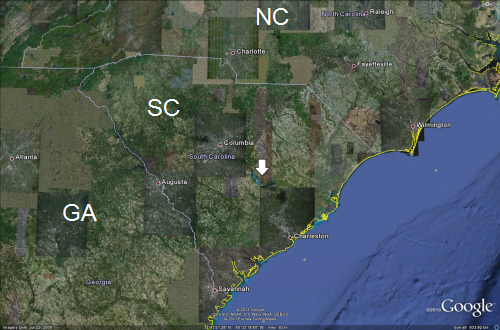
As part of our Biodiversity Wednesday series, we’ve discussed amazing ecosystems all over the world. This week’s post will focus on an area a little closer to home (at least a little closer to my home). The Santee Cooper lake system, home to unique fish and a fascinating history, is less than an hour from Charleston. If you’ve ever driven on I-95 through South Carolina, you’ve gone right over it.

The Santee-Cooper system is marked with a white arrow. Image created with Google Earth

Read More “Biodiversity Wednesday: South Carolina’s Santee Cooper Lake System” »

State of the Field: A New Type of Policy Analysis

Posted on March 22, 2011March 22, 2011 By Bluegrass Blue Crab
Uncategorized

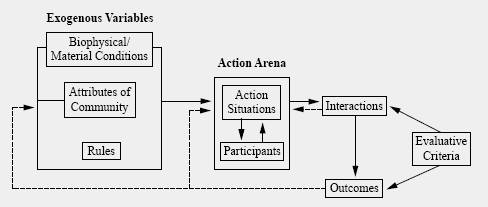
The focus on community and informal rules that were found to frequently structure successful commons management made apparent that the word ‘policy’ needed to be expanded. Policy scholars now look beyond the official written laws, reports, and regulations that are often written by a central government to multi-scalar rules that govern the structure and behavior in a system (Ostrom 2005). They include non-written cultural norms, religious prescriptions, and community ethics that are often more strongly followed that written, formal rules (Berkes 2008). Along with a more broadly defined concept of policy, commons scholars also introduced a more broad definition of institution within which these policies are made and enforced. Much like policies, institutions can be governmental as well as religious, moral, or cultural. Hanna and Jentoft (1996) give an appropriately broad definition for natural resource institutions: “institutions represent the arrangements which people devise to control their use of the natural environment”. Ostrom (2005) promotes an institutional analysis in order to encompass these new conceptions of policy and institution. Her work recently earned the Nobel prize and is rapidly becoming the most used framework for policy analysis.

Ostrom’s Institutional Analysis and Design (IAD) Framework is not specific for natural resources or even commons problems, but serves as a place to begin policy analysis for all sorts of policy problems, including education, gender relations, crime, and natural resources. A short description here does not fully describe the IAD framework – for that, refer to Ostrom’s 2005 book. To highlight a few pertinent features, the framework is centered around a decision-making arena called the action arena rather than on the formation of a particular policy. Inputs to the action arena include exogenous variables describing the biophysical characteristics, community factors, and existing rules relating the action arena in play. This action arena then interacts with action arenas at other levels of governance (operational, collective choice, constitutional, and super-constitutional) to form an outcome. The outcome is evaluated by some defined set of criteria and the process feeds back to become iterative. The main benefit of the framework is to allow for comparative studies between empirical studies by scholars around the world in many disciplines.


Read More “State of the Field: A New Type of Policy Analysis” »

Weekly dose of TED – Robert Full on engineering and evolution

Posted on March 18, 2011March 4, 2011 By Andrew Thaler
Uncategorized

We see so many powerful designs in nature, yet when we design our own structure we tend to build rigid, fixed, industrial beasts. What designs in nature inspire you? How do we break away from a culture of hard edges and inflexible machines?

SFS Gear Review: Chacos

Posted on March 17, 2011March 15, 2011 By Bluegrass Blue Crab
Uncategorized

At the end of each summer, I generally have a distinctive “z” shaped tan on my feet from wearing Chacos almost every day. I originally got a pair upon the suggestion of a friend on my field crew while working in Olympic National Park and that pair lasted me almost 5 years. They became my best friend as a sandal in which I could walk up fairly large hills and with which I could backpack in the summers. Much like many of my shoes, they also work well around town or while traveling since they look fairly nice as well.

Read More “SFS Gear Review: Chacos” »

Tsunami severely damages Charles Darwin Research Station

Posted on March 16, 2011March 16, 2011 By Andrew Thaler

The world’s attention is rightfully focus on the ongoing tragedy unfurling in Japan. Earthquake aftershocks continue to cause damage and the Fukushima nuclear power plant is not yet under control. But the tsunami the struck the Japanese coast continued across the Pacific, and while no place was as hard hit as Japan, there were other casualties, including the Charles Darwin Research Station on the Galapagos island of Santa Cruz.

Read More “Tsunami severely damages Charles Darwin Research Station” »

Beneath the Waves Film Festival starts tomorrow!

Posted on March 16, 2011March 16, 2011 By David Shiffman
Uncategorized

The Beneath the Waves Film Festival begins tomorrow night. The lineup includes films by students, conservation organizations, and professional filmmakers. Topics include overfishing, biodiversity, marine mammals, sharks, and more. In the coming weeks, we’ll post some of our favorite movies on Southern Fried Science. In the meantime, here is the introductory film.  

Posts pagination

Previous 1 … 175 176 177 … 273 Next

Popular Posts

That's not a blobfish: Deep Sea Social Media is Flooded by AI SlopThat's not a blobfish: Deep Sea Social Media is Flooded by AI SlopDecember 19, 2025Andrew Thaler
What Ocean Ramsey does is not shark science or conservation: some brief thoughts on "the Shark Whisperer" documentaryWhat Ocean Ramsey does is not shark science or conservation: some brief thoughts on "the Shark Whisperer" documentaryJuly 2, 2025David Shiffman
The story of the pride flag made from NASA imagery: Bluesky's most-liked imageThe story of the pride flag made from NASA imagery: Bluesky's most-liked imageSeptember 27, 2024David Shiffman
I can serve on your graduate thesis committee. Here’s what you can expect of me, and what I expect in return.I can serve on your graduate thesis committee. Here’s what you can expect of me, and what I expect in return.October 16, 2025David Shiffman
Shark of Darkness: Wrath of Submarine is a fake documentaryShark of Darkness: Wrath of Submarine is a fake documentaryAugust 10, 2014Michelle Jewell
The plague-busting, prairie-dog-vaccinating, ferret-saving droneThe plague-busting, prairie-dog-vaccinating, ferret-saving droneNovember 1, 2016Andrew Thaler
What is a Sand Shark?What is a Sand Shark?November 12, 2017Chuck Bangley
Our favorite sea monsters – Ningen (#4)Our favorite sea monsters – Ningen (#4)September 7, 2010Andrew Thaler
Fun facts and FAQs about Megalodon, Maryland's new (and definitely extinct) official state sharkFun facts and FAQs about Megalodon, Maryland's new (and definitely extinct) official state sharkApril 15, 2026David Shiffman
"Why Sustainable Seafood Matters" is now available for preorder! Here's what it's about, and why I decided to write it."Why Sustainable Seafood Matters" is now available for preorder! Here's what it's about, and why I decided to write it.June 8, 2026David Shiffman

squishy

Subscribe to our RSS Feed for updates whenever new articles are published.

We recommend Feedly for RSS management. It's like Google Reader, except it still exists.

Southern Fried Science

  • Home
  • About SFS
  • Authors
  • Support SFS


If you enjoy Southern Fried Science, consider contributing to our Patreon campaign.

Copyright © 2026 Southern Fried Science.

Theme: Oceanly Premium by ScriptsTown