Seriously, what the fuck? A proposal to protect the Atlantic bluefin tuna prized in sushi was rejected at a UN wildlife meeting today. The decision was reached after Japan, Canada and scores of poor nations opposed the measure on the grounds that banning exports of the fish would devastate fishing economies. Monaco introduced the proposal … Read More “Bluefin tuna fails to make UN’s list of protected fish” »
Charlie is a little blown away by good company and the nice sunset.
It had to happened one day. My colleague and Antarctic explorer David Honig sends this photograph of the infamous post “How to brew beer in a coffee maker, using only materials commonly found on a modestly sized oceanographic research vessel” proudly displayed aboard the oceanographic research vessel RVIB Nathaniel B. Palmer. In recognition of his … Read More “Brewmaster Sightings” »
The first shark conservation proposal at CITES has been defeated. This was not a proposed appendix II listing that I wrote about yesterday, but rather a nonbinding measure that “called for increased transparency in the shark trade and more research into the threat posed to sharks by illegal fishing” (from the AP article linked to above). If a non-binding measure that doesn’t actually ban any trade in shark products can’t pass, that’s not a good sign. Why did some countries vote against this non-binding measure to support research and increase transparency?
Read More “Shark conservation is not off to a good start at CITES” »
Southern Fried gives Charlie a ride
Debate over a communications study investigating science blogs and public engagement has recently engaged some of the research subjects and their friends to review the paper, which they’re totally entitled to do. Except that they, as traditional natural scientists, may not have the tools at hand to do justice to such a review. Dr. Isis’ response to the article may have been a bit dramatic but not entirely off the mark. The study was well-grounded within social studies of science theory, but perhaps not executed or written like a seasoned researcher, which I suspect the author’s not. So, beyond the fold, my social science perspective on the paper…
Read More “Science blogs and public engagement with science: across the disciplinary divide” »
Bomaiblat, Bluegrass, and Charlie at Benthic Ecology

The 15th meeting of the Convention on the International Trade in Endangered Species of Wild Fauna and Flora, also known as CITES, has begun, and representatives of 175 countries are meeting in Doha, Qatar. CITES rules have the power to make international trade of plant and animal species illegal, which has enormous significance for their conservation. 8 shark species have been proposed for CITES protection under appendix II- oceanic whitetip sharks, porbeagle sharks, spiny dogfish (commonly used for fish and chips in the UK), dusky sharks, three species of hammerheads (great, smooth, and scalloped), and my study animal the sandbar shark.
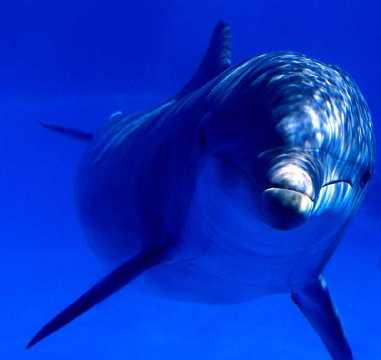
The Cove has recently collected a long list of awards including most notably an Oscar for best documentary. These well-deserved accolades reward the filmmakers for risky and groundbreaking filming in a highly protected cove in Japan where a dolphin fishery thrives, both to feed the aquarium trade and citizens wishing to enjoy a dolphin dinner. However, I caution viewers, as with most works of art that rely heavily on scientific information, that you should use the movie as inspiration but turn to the scientific literature for accurate information, especially in terms of mercury concerns within the dolphins. Mercury poisoning is scary, but it is only one amongst a long and growing list of toxicological concern. Its effects are relatively well-understood and known to be primarily of concern for pregnant women and small children.
Southern Fried and Bluegrass at Benthic Ecology, Charlie tagging along