Raise your hand if you realized there were frogs so translucent you could see their innards? Ok if you actually raised your hand while reading this, kudos, but put it down now. Glass frogs are tiny green organisms whos organs are visible from their underside given the translucent nature of their bellies. There were 148 … Read More “Happy Fun Science FRIEDay – Glass Frogs” »
In 2013 a colleague and I were commissioned by Cambridge University Press to write a book about applying to graduate school in the sciences. A large part of the approach was to source knowledge from others with experience in this process (both from admissions offices and former applicants), and to use that information to drive … Read More “Advice About Applying to Graduate School” »
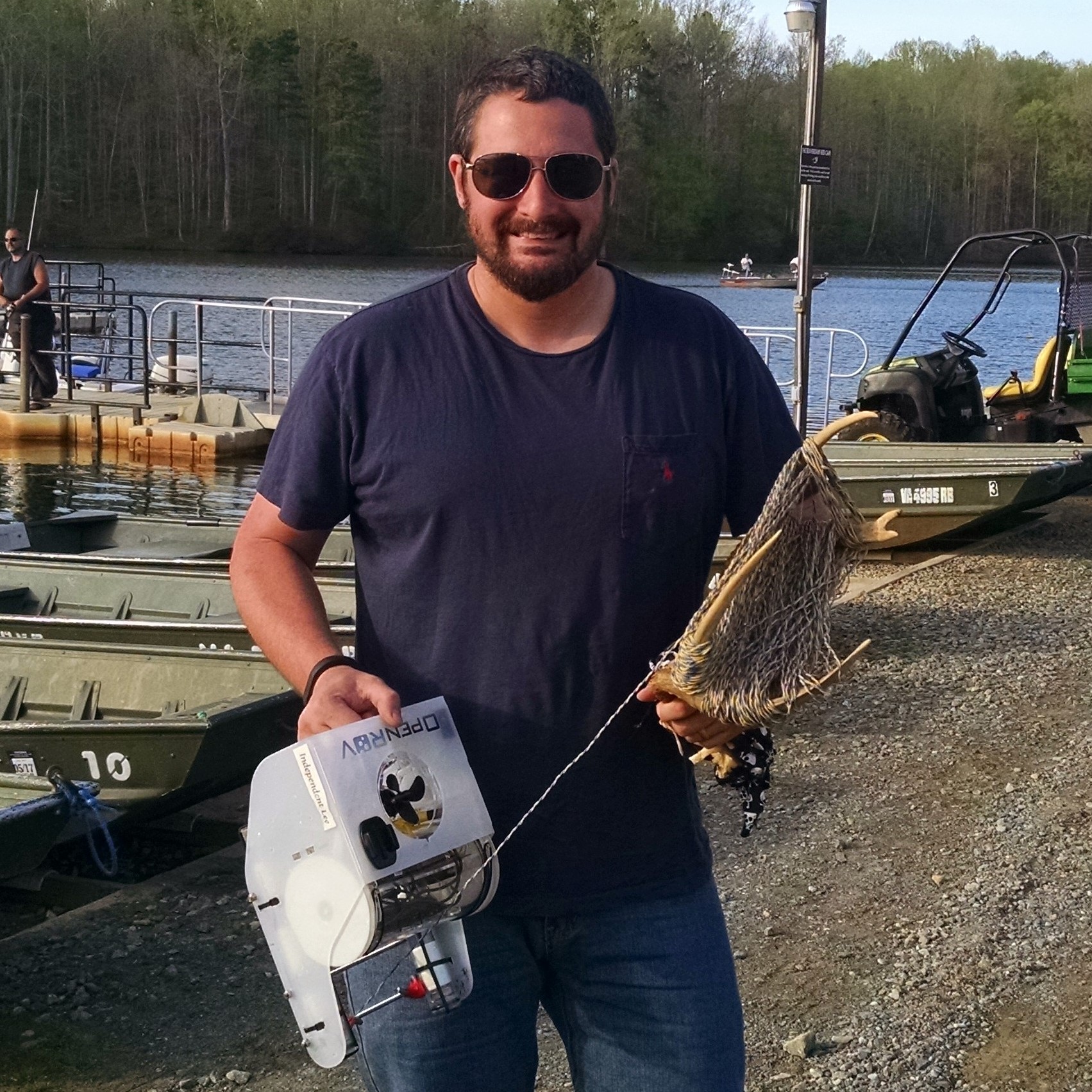
Two years ago, I moved to San Francisco. It was… an experience. I had the opportunity to meet some incredible technologists, leaders in the emerging world of citizen exploration, and developers, coders, and makers using their skills and expertise to help save the environment. I met some amazing drone builders developing platforms and tools to measure the world. I also learned that West Coast living was not for me. The southern Atlantic coast called me back. But before I left, I led a small team across the Pacific to Papua New Guinea, where we taught undergraduates from the University of Papua New Guinea and the University of the South Pacific how to build and operate OpenROVs and incorporate them into marine ecology research.
The West Coast was good to me. It helped refine my vision for bringing low-cost, open-source technologies into the marine science and conservation world. Citizen science is becoming increasingly important, and the need for both democratizing and decolonizing science will drive much of the evolution of the scientific community in the 21st century. Tools that are effective, cheap, and open-source will play a major role in this transition. I returned east and began planning the next phase of this vision.
The Chesapeake Bay (San Franciscans take heed, you can keep your “Area” but “The Bay” will always be the Chesapeake) is the largest estuary in the United States, is economically important for shipping, fisheries, and tourism, and also happens to be the body of water that I grew up on. I learned to swim, fish, sail, and motor in one of the Bay’s many tributaries. It’s also home to more than a dozen research institutes, which work, sometimes in coordination and sometimes not, on studying and protecting the Bay.
Read More “From Sea and Sky: Hacking the Chesapeake with #BayBots” »
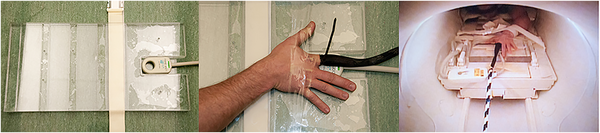
You’ve been there before. You are sitting or standing around and get a mental sensation that you need to “pop your knuckles”. A swift squeeze of your fingers and the tension is relieved. Crisis averted. But why do knuckles make that popping sound when you crack them? If questions like this keep you up at night… maybe you need to reevaluate your priorities. But, if the start of this article has piqued your interest, you will be pleased to know that a a team of researchers, led by the University of Alberta Faculty of Rehabilitation Medicine, have confirmed the reasons for knuckle popping.

The metocarpophaangeal (MCP) joint of interest centred over the bore of the radiofrequency coil (middle). The participant’s hand within the imaging magnet (right). (Photo credit: Kawchuck et al. 2015, PLoS ONE)

A longtime submariner I know tells the story of a most unusual dive. On this particular plunge, they went down into the briny deep to place what can best be described as a giant manhole cover on the seafloor. There was a hole, and, by all accounts, the sea was draining in to it.
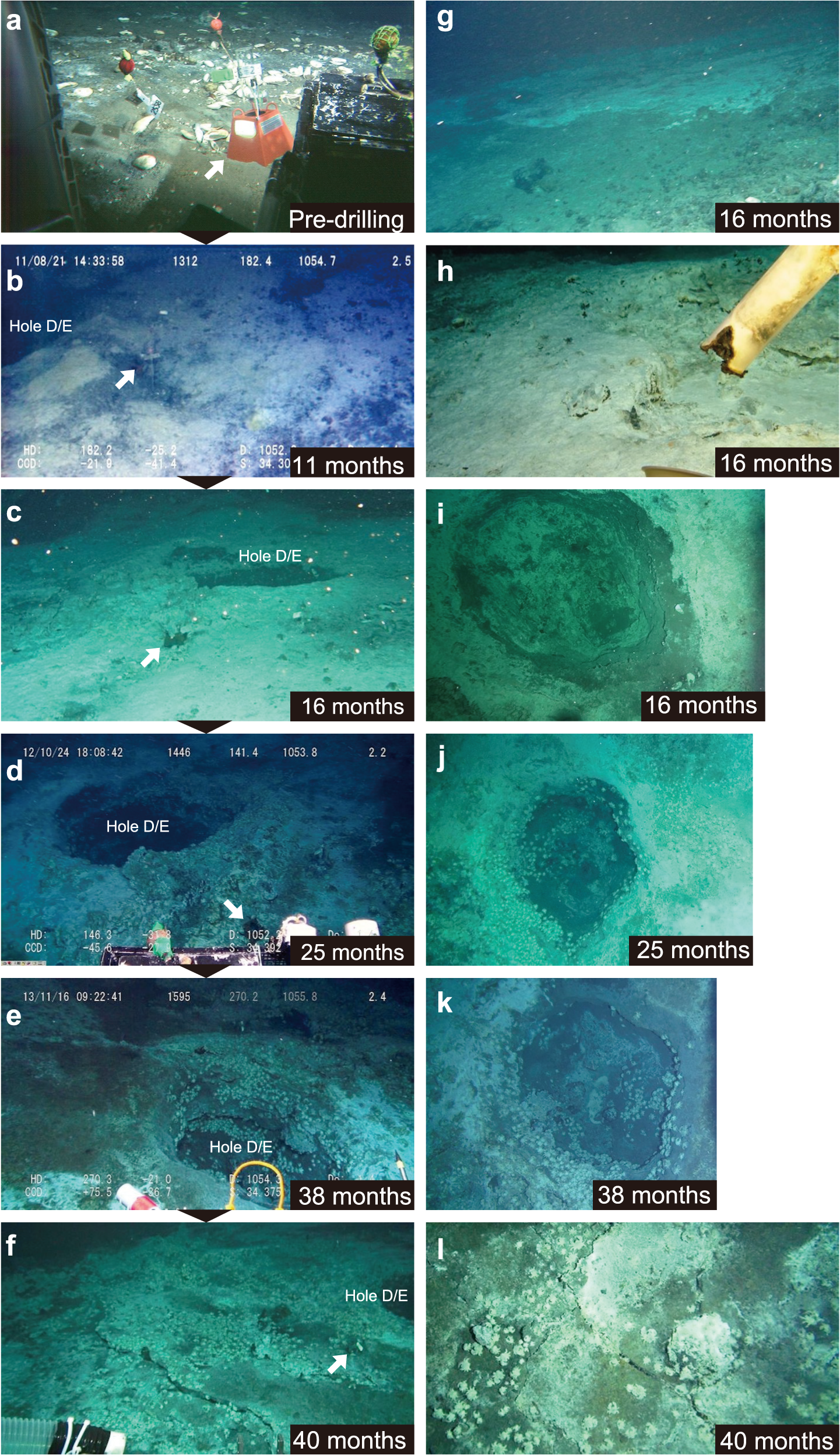
For more than half-a-century, we’ve been drilling holes in the bottom of the sea. Some reveal the buried history of the evolution of our oceans. Others uncover vast wells of crude oil. Science, exploration, and exploitation have all benefited from ocean drilling programs. But what happens to the seafloor when you punch a hole in the ocean? In my friend’s case, the drilling program opened a sub-sea cavern, resulting in changes to local current regimes, potentially disturbing the surrounding benthic community. The most practical solution was to simply plug the hole.
We’ve punched a lot of holes in the seafloor, but despite a few anecdotes and scant research, we know precious little about how these holes actually alter the marine environment. This is particularly worrying, as deep-sea mining at hydrothermal vents, manganese nodule fields, and oceanic crusts are slowly creeping out of the realm of science fiction and into our oceans. Ocean drilling in the deep sea is perhaps the closest analog to industrial-scale deep-sea mining. Understanding the potential impacts is critical to designing management and mitigation regimes that protect the delicate deep seafloor.
Read More “What happens when we punch a hole in the seafloor?” »
Conference season is fast approaching, and around the hallowed halls of academia frantic graduate students are rushing around trying to cat herd committee members for thesis drafts and preparing the capstone to all of their recent study and research: the thesis defense. For the past two weeks my life has largely been back to back student presentations, and on the whole they were excellent. a couple of moments when nerves got the better of presenters, but generally high quality.
Then I went to an academic meeting, and I was reminded again why we are struggling to communicate environmental issues to the general public. I had forgotten quite how excruciatingly dull and painfully constructed academic presentations can be.
The presenters were completely unaware of the effect of their talks on the audience, who were checking email, napping and in one case just staring blankly at a wall, which was obviously more entertaining than the presentation at hand.
It really was a master class in how to ensure that your presentation was as dull, dense, and obtuse as possible. So for the benefit of those who what to ensure that they can give the most perfectly dull academic presentation, here are some tips:
Read More “This is the worst academic presentation in the world … tribute” »
This post in the second of a series entitled “The Basics of the Human Dimensions”, which gives the most basic tips for how to work with social scientists and social questions in marine conservation efforts. Whether you are the stakeholder, the collaborating natural scientist, or both, this series will hopefully make the journey into the human dimensions easier.
A common adage in fisheries management is that “you’re managing the fishermen, not the fish” – and this is emblematic of many conservation issues. Conservation efforts rely upon good information (which also requires diverse inputs, but that’s a story for another day) but perhaps most importantly, understanding how decision-makers will use that information and how communities will integrate that information into their daily practices. Conservation is a lived experience, not theory in a textbook.
As a response to an awakening in the ecological sciences to this paradigm, there are frequent calls for integrating the social sciences into their analyses. A program within the National Science Foundation directs research dollars to “Coupled Human and Natural Systems”, the Resilience Alliance is pushing the theory of socioecological systems, and out of geologists comes the term “anthropocene” – all efforts to formally incorporate social scientists into traditionally natural science research efforts. But not all social sciences are created equal. Which one you need depends upon your subject matter, but also the kind of data that will mesh best with your natural science methods. Here’s a quick review of the disciplinary divides within the social scientist, so you have an idea of who best to reach out to in putting together your next proposal:
Read More “You say you need to incorporate the social sciences? Which kind?” »
Happy FSF Folks!
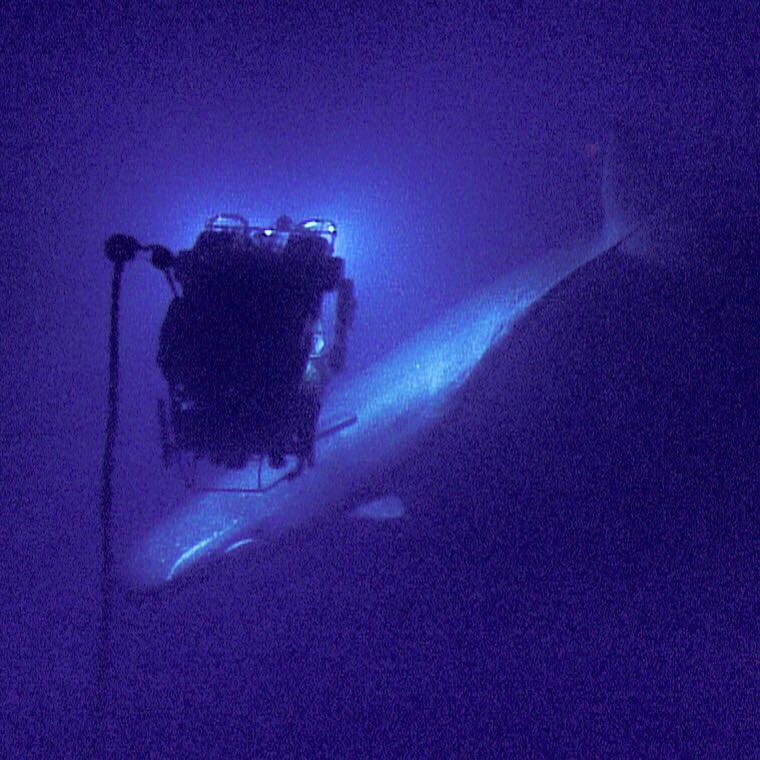
So this news has been making the rounds, and it is too amazing not to include for FSF. So if you missed it, you are in luck because we highlight it again here. A giant sperm whale was captured by a remotely operated vehicle (ROV) piloted as part of Bob Ballard and the Corps of Exploration’s Nautilus cruise. The whale was captured by the ROV Hercules at 598 meter (1,962 ft) below the sea surface in the Gulf of Mexico off the coast of Louisiana.

Read More “Fun Science FRIEDay – The Moby Dick of Sperm Whale Encounters” »
There are still a couple of days left to donate to the most important marine science and outreach crowdfunding campaign of our time, “buy David Shiffman a less ugly pair of sunglasses.” In the meantime, new rewards have been unlocked! For a $30 donation, you’ll receive a small 3D printed megalodon tooth, one of the first of … Read More “Watch James Cameron’s Deepsea Challenge and tweet along with us Tuesday at 8 p.m.!” »
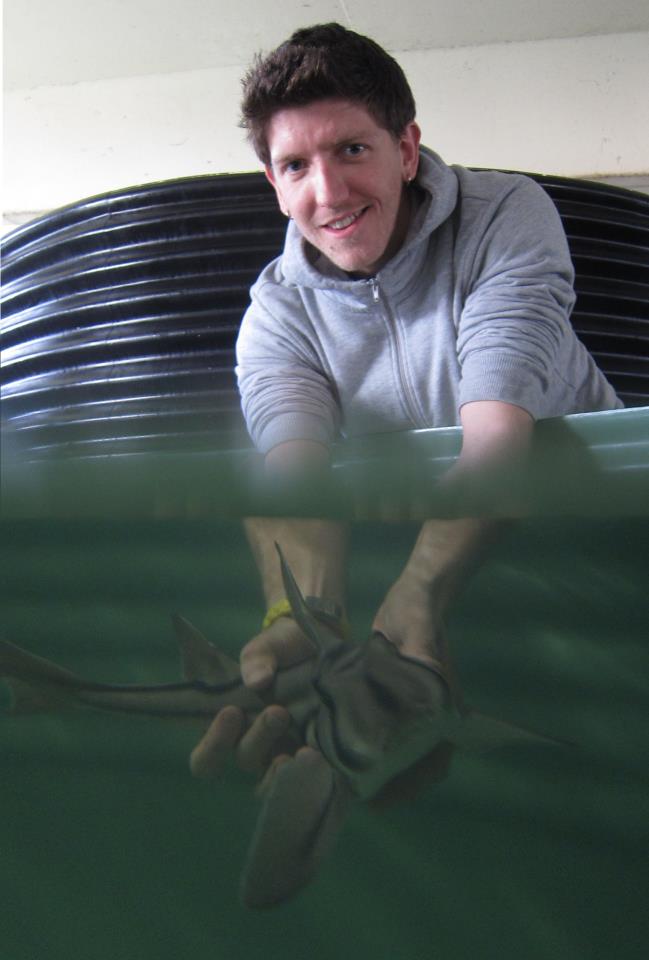
Dr. Ryan Kempster is a shark biologist in the Neuroecology Group at the University of Western Australia. Ryan founded the shark conservation group Support Our Sharks to inform the world about the plight of the most vulnerable shark species. His research focuses on the sensory biology and conservation of sharks and rays. Sharks have always been his passion, and protecting them his goal. To do this, Ryan has embarked on a career in research to better understand sharks. He takes every opportunity to communicate his findings to the general public in the hope that he can inspire others to follow in his passion for protecting these amazing animals.
Effective management of sharks starts with an understanding of their population status, which ultimately instructs their future conservation. Unfortunately, many shark species are at significant risk of unrecoverable decline, with some species having declined to near extinction in recent years. We believe that Citizen Science could hold the key to improving our understanding and management of shark populations, whilst also advancing community education. This is why we have developed SharkBase, a global shark encounter database helping to map the distribution and population structure of sharks worldwide (you can also record ray and skate sightings).