
Skip to content

Southern Fried Science

Over 15 years of ocean science and conservation online

  • Home
  • About SFS
  • Authors
  • Support SFS

Tag: deep-sea mining

One Mining Code to Rule Them All: The poison pill at the heart of the Deep-Sea Mining negotiations.

Posted on July 19, 2023January 4, 2024 By Andrew Thaler
One Mining Code to Rule Them All: The poison pill at the heart of the Deep-Sea Mining negotiations.
Featured, Science

The International Seabed Authority is once again gathered in Kingston, Jamaica to continue negotiations on a set of rules and regulations to govern seafloor mining in the high seas, beyond any nation’s borders. At stake is access to vast fields of polymetallic nodules spread across the abyssal plains. These nodules are rich in nickel and … Read More “One Mining Code to Rule Them All: The poison pill at the heart of the Deep-Sea Mining negotiations.” »

No, the deep-sea mining debate is not “gone”

Posted on April 20, 2023 By Andrew Thaler 2 Comments on No, the deep-sea mining debate is not “gone”
No, the deep-sea mining debate is not “gone”
Science

Earlier this month, Mining.com published an article on the next steps in the development of deep-sea mining which featured a pretty surprising statement from the CEO of The Metals Company:

“People think we are debating if this (deep sea mining) should happen or not, and that’s gone. It’s happening.”

Gerard Barron/Mining.com

One of the interesting things about deep-sea mining is that most of the people involved in the industry are environmentally motivated: the folks leading the charge for deep-sea mining and the folks urging caution have much more shared environmental values than coverage of the deep-sea mining negotiations would suggest. Which is why this quote caught me off-guard. Though an unapologetic proponent for the potential of deep-sea mining, Barron is usually much more diplomatic in his media statements. To declare that the debate is done seems reckless.

The deep-sea mining debate is most certainly not “gone”. It is, at the moment, more fiercely discussed that at any previous point in the industry’s 50 year history. While mining contractors have overcome significant political and technological hurdles to reach a point where they are on the cusp of the first commercial trials, the call for a moratorium on the development of the industry has more support, both within the International Seabed Authority, and without, than ever before. The invocation of the 2-year-trigger in 2021 jumpstarted the debate and forced the ISA to meet a deadline for finalization of the Mining Code, the legal structure that will determine when and how mining will proceed in the high seas.
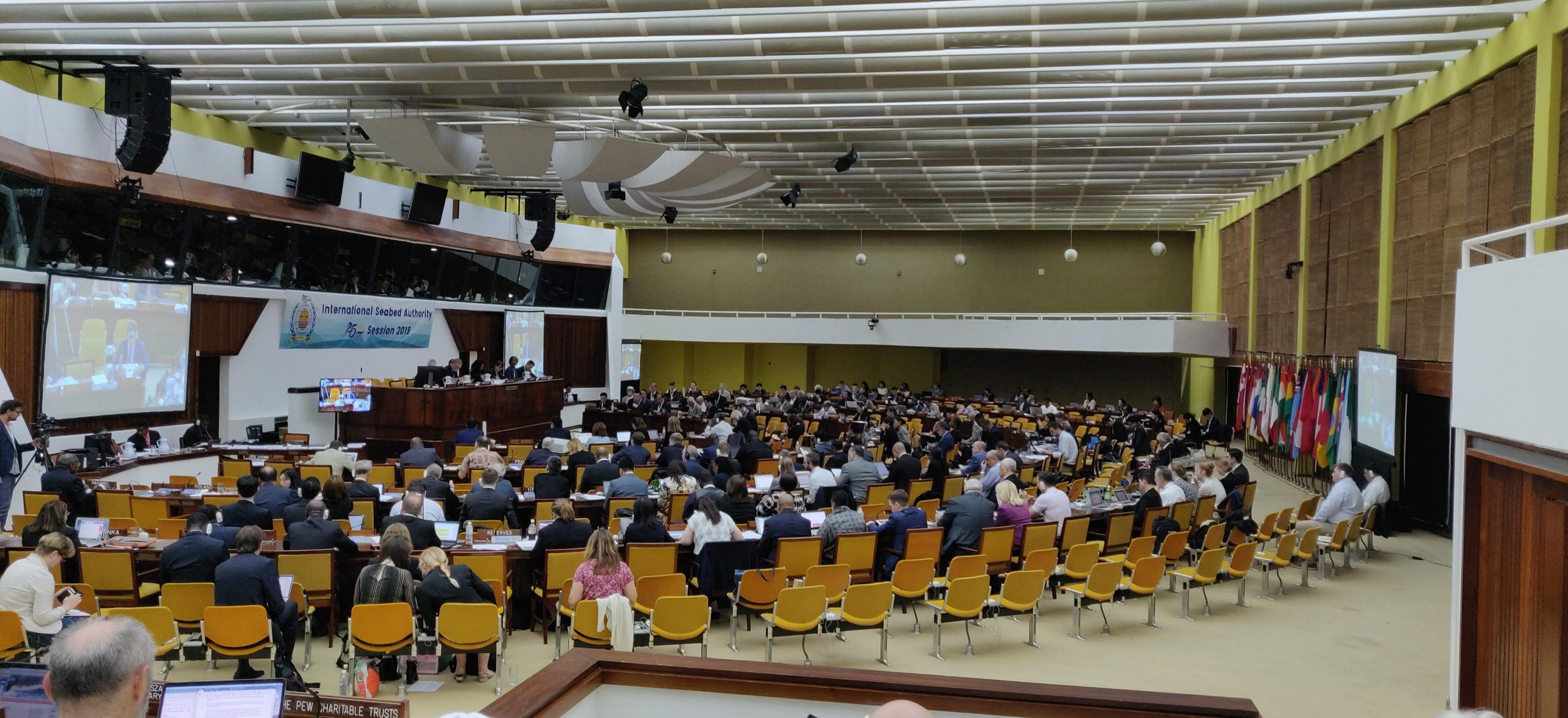

Read More “No, the deep-sea mining debate is not “gone”” »

What does the high seas biodiversity treaty means for the future of deep-sea mining?

Posted on March 17, 2023March 18, 2023 By Andrew Thaler
What does the high seas biodiversity treaty means for the future of deep-sea mining?
Uncategorized

This month, delegations from around the world agreed upon a treaty to protect biodiversity beyond national jurisdiction — ocean life beyond the limit of any country’s borders. The High Seas Treaty represents the culmination of over 2 decades of debate and negotiation. Once adopted, it establishes a framework for the protection and equitable sharing of marine genetic resources — animals and their DNA; promotes the implementation of marine protected areas in the high seas; and creates a scientific and technical body to review environmental impact assessments for ocean activities beyond borders.

While this treaty is a monumental achievement for protecting the common heritage of humankind, it still leaves several loopholes for ocean exploitation. Chief among them is the exemption of deep-sea mining from the final regulations.

Read More “What does the high seas biodiversity treaty means for the future of deep-sea mining?” »

It’s science fiction, until it isn’t.

Posted on January 17, 2023 By Andrew Thaler
It’s science fiction, until it isn’t.
Conservation

This piece originally appeared in the farewell issue of the Deep-sea Mining Observer.

Four years ago, I took over the Deep-sea Mining Observer from my predecessor, Arlo Hemphill. Conceived by the Pew Charitable Trust in 2016, The DSM Observer was created to be an online trade journal for the emerging industry as the International Seabed Authority navigated through the creation of an Exploitation Code for Seabed Minerals in the Area. Originally envisioned to run for two years, we continued to cover and report on critical developments into 2022.

After six years, the Deep-sea Mining Observer is coming to close.

During my tenure here, I tried to capture the full breadth of issues surrounding deep-sea mining. We covered the first species to be IUCN Red Listed due to the potential threat of mining. We examined the rise and fall of Nautilus Minerals. We reported the launch of the Patania II nodule collector test vehicle. We investigated how bioprospecting, often put forward as an industry in potential conflict with deep-sea mining, works in practice. We explored the complex political and geologic history of the Rio Grande Rise. We looked at how new technologies may change the financial landscape for seabed mining. We tracked a semi-mysterious cache of polymetallic nodules from the CCZ offered for sale. And we looked at how other industries intersect with deep-sea mining.

Read More “It’s science fiction, until it isn’t.” »

A roundup of recent deep-sea mining news

Posted on October 31, 2022October 31, 2022 By Andrew Thaler
Uncategorized
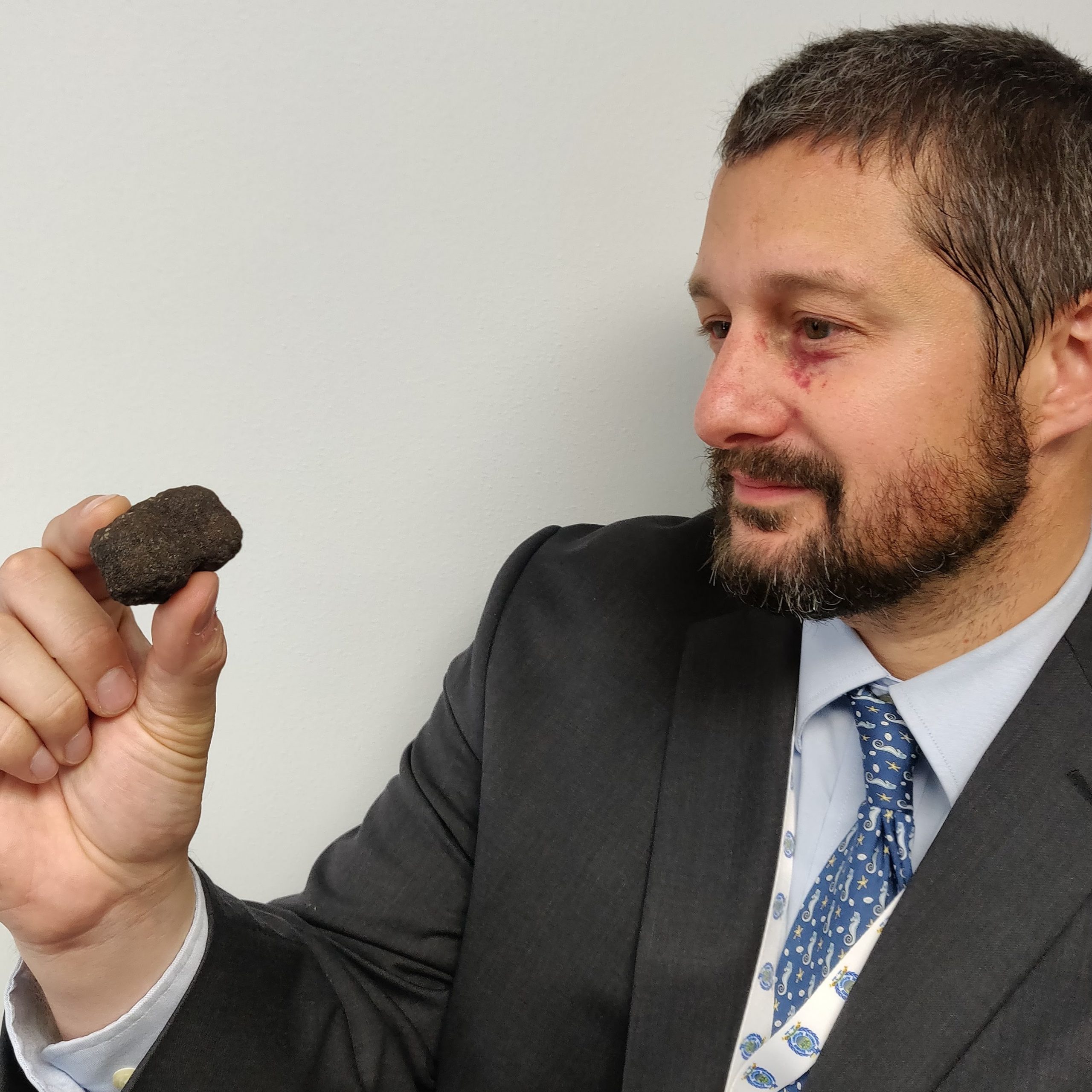
The author, pondering a polymetallic nodule.

The third part of the 27th session of the International Seabed Authority, a meeting where the rules and regulations about how the deep ocean will be mined, begins today. If process is your jam, you can watch the UN negotiations here: https://isa.org.jm/web-tv

For a very concise overview of where we currently stand, I published the transcript of my recent talk, here: Deep-Sea Mining: A whirlwind tour of the state of the industry and current policy regimes

Some recent press to get you up to speed

  • Landing on the Abyssal Plain
  • New Zealand joins call for ‘conditional’ ban on seabed mining in international waters
  • NZ Opposes Seabed Mining in International Waters
  • Cook Islands Seabed Minerals Authority ‘concerned’ with New Zealand’s call for deep sea mining ban
  • The Case Against Deep-Sea Mining
  • How will China’s submersibles help us explore the ocean depths?

Read More “A roundup of recent deep-sea mining news” »

Deep-Sea Mining: A whirlwind tour of the state of the industry and current policy regimes

Posted on September 23, 2022October 4, 2022 By Andrew Thaler
Science

On April 28, 2022, I was invited to give a short talk to a gathering of Environmental NGO representatives to provide an overview and my perspective on the current state of development for deep-sea mining. Below is the transcript of that talk.

Good afternoon and thank you for inviting me. Today I’m going to give you a very brief whirlwind tour of the current state of deep-sea mining and the policy regime around this developing industry.

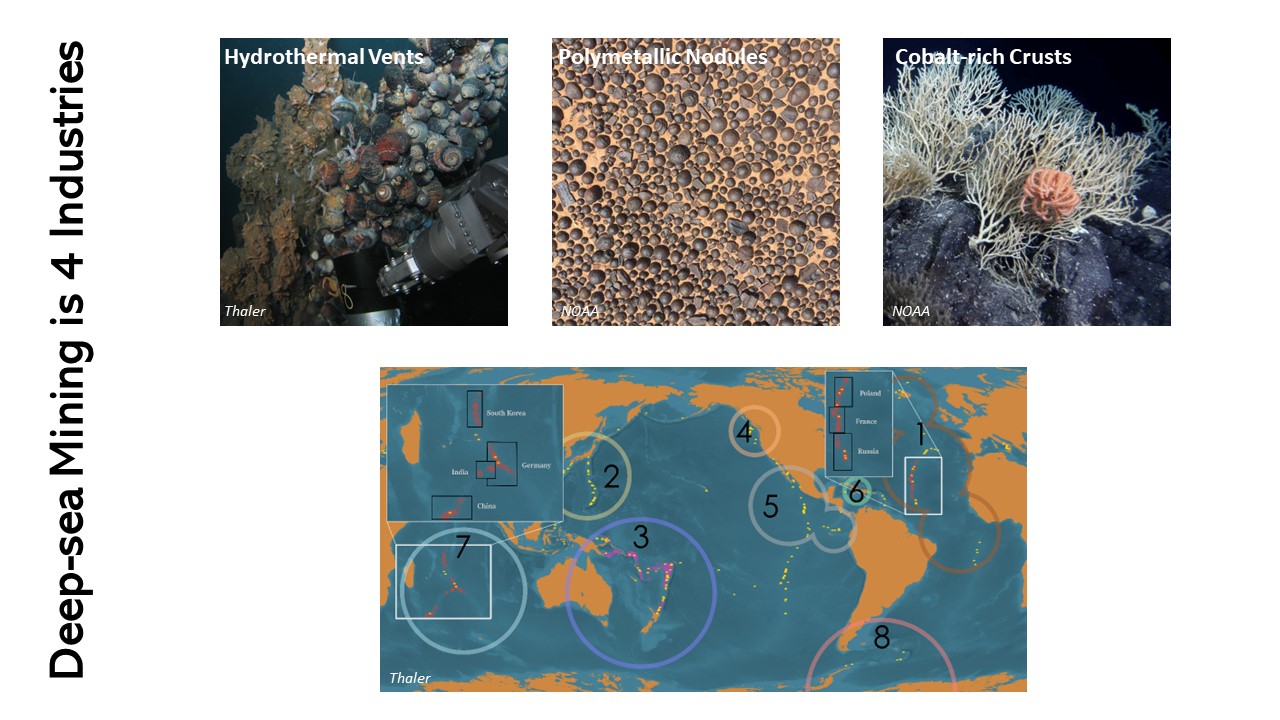
The first thing I need to highlight is that we often talk about deep-sea mining as one cohesive thing, but it’s really four separate and distinct industries, all developing in tandem, with significant differences in the types of metals targeted, the technology necessary to exploit those metals, and the motivations for doing so.

Read More “Deep-Sea Mining: A whirlwind tour of the state of the industry and current policy regimes” »

Two Years of Deep-sea Mining in Review: For Deep-sea mining, battery technology is the ultimate x-factor

Posted on March 20, 2022March 21, 2022 By Andrew Thaler
Two Years of Deep-sea Mining in Review: For Deep-sea mining, battery technology is the ultimate x-factor
Science

As in-person negotiations on the future of exploitation in the deep ocean resume this week in Kingston Jamaica, we reflect back on the last two years of development as reported on our sister site, the Deep-sea Mining Observer. This article first appeared on August 26, 2021.


Deep-sea mining is frequently framed as a race to the seafloor. While that is not technically true–deep-sea mining has, in fact, been incredibly slow to develop as an industry, with nearly half a century of technological innovation, diplomatic negotiation, and environmental exploration under its belt without producing a single ounce of commercial ore–the deep-sea mining industry is in a race against the one major technological innovation that could upend the industry’s claim to being a foundational technology for the renewable resource transition. 

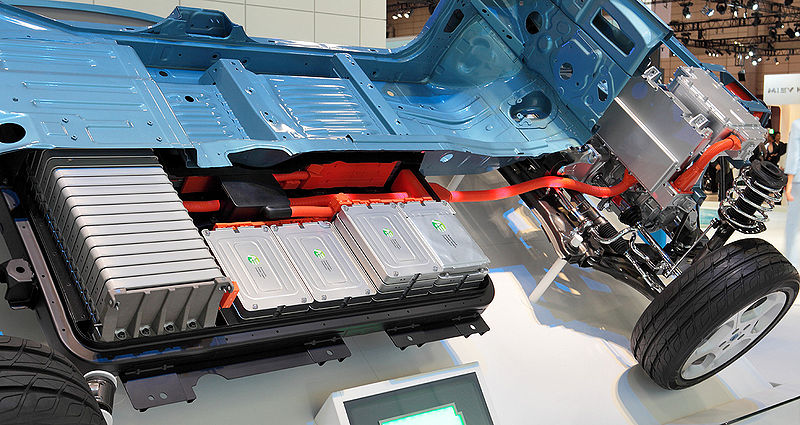
The race is not to the bottom of the sea before fossil fuel consumption creates runaway global warming (with a 30-year-horizon, deep-sea mining is well positioned to facilitate the long-term transition to renewables, but is unlikely to make a major impact in the resource demands needed to meat the IPCC 2030 targets). The race is to reach commercial production before the evolving state of battery technology renders the majority of seabed resources superfluous. Battery chemistry is the x-factor that will shape the long-term prospects for the viability of deep-sea mining. 

Read More “Two Years of Deep-sea Mining in Review: For Deep-sea mining, battery technology is the ultimate x-factor” »

Two Years of Deep-sea Mining in Review: Major Brands Say No to Deep-sea Mining, for the Moment

Posted on March 20, 2022March 17, 2022 By Andrew Thaler
Two Years of Deep-sea Mining in Review: Major Brands Say No to Deep-sea Mining, for the Moment
Science

As in-person negotiations on the future of exploitation in the deep ocean resume this week in Kingston Jamaica, we reflect back on the last two years of development as reported on our sister site, the Deep-sea Mining Observer. This article first appeared on April 15, 2021.


On Wednesday, March 30, several major technology and automotive companies joined the deep-sea mining moratorium movement. Google, BMW, Volvo, and Samsung SDI (a Samsung subsidiary responsible for manufacturing small lithium-ion batteries for smartphones and other applications) signed on to the World Wide Fund For Nature’s Global Deep-sea Mining Moratorium Campaign. These are the first major corporations to commit not to source minerals from the deep seabed or finance deep-sea mining activities, and to exclude seafloor minerals from their supply chain. 

“Sustainability leaders should be concerned about how their green image could be affected by incorporating deep sea minerals into their metal supply chain,” says Kristina M. Gjerde, Senior High Seas Advisor to the IUCN Global Marine and Polar Programme. “Deep sea minerals are not solving the problem of harmful impacts, just relocating it elsewhere, where the affected communities are less able to speak for themselves. Moreover, it should be clear by now that relocating mining to the deep sea is unlikely to reduce the issues associated with terrestrial mining. By increasing the availability of minerals, deep sea mining could in fact make it harder to clean up terrestrial mining activities.”

As major automotive manufacturers in the midst of a pivot to electric vehicles, BMW and Volvo’s announcements represent a potential threat to the deep-sea metal market. BMW expects 50% of all its vehicle sales to be electric by the end of the decade, with several BMW subsidiaries, including Mini, producing only EVs by 2030. Volvo, who also intends to be fully electric by 2030, recently shipped its first all-electric vehicle to the United States, though software issues caused the long-awaited XC40 Recharge to be held in port pending a critical system update.

Read More “Two Years of Deep-sea Mining in Review: Major Brands Say No to Deep-sea Mining, for the Moment” »

Two Years of Deep-sea Mining in Review: Delegates struggle to develop Regional Environmental Management Plans during a global pandemic

Posted on March 20, 2022March 21, 2022 By Andrew Thaler
Two Years of Deep-sea Mining in Review: Delegates struggle to develop Regional Environmental Management Plans during a global pandemic
Science

As in-person negotiations on the future of exploitation in the deep ocean resume this week in Kingston Jamaica, we reflect back on the last two years of development as reported on our sister site, the Deep-sea Mining Observer. This article first appeared on January 29, 2021.


Since the pandemic brought travel to a halt, the International Seabed Authority has been working to meet contractor deadlines and make progress on a variety of issues revolving around finalizing the mining code, facilitating workshops, and engaging stakeholders and experts through remote meetings. These efforts include workshops on the development of Regional Environmental Management Plans (REMPs) for the Northwest Pacific and the Northern Mid-Atlantic Ridge. Though some stakeholders were satisfied with the efforts to move workshops online, many were left frustrated by a process that felt rushed, less transparent, and less inclusive of the breadth of stakeholders represented by the deep-sea mining community.

Regional Environmental Management Plans are one of the foundational policy instruments that determine how contractors act and interact within a geographic region. They provide guidance for not just individual lease blocks, but for how the whole of an area, including multiple lease blocks by multiple contractors, as well as areas of particular environmental interest and set asides will be managed. The process of negotiating a REMP is long and detail-oriented and includes the input of numerous stakeholder groups and expert advisors. So far, only a single REMP, for the Clarion-Clipperton  Fracture Zone, has been approved by the International Seabed Authority. 

Read More “Two Years of Deep-sea Mining in Review: Delegates struggle to develop Regional Environmental Management Plans during a global pandemic” »

Two Years of Deep-sea Mining in Review: Has pulling the Trigger already backfired?

Posted on March 19, 2022March 17, 2022 By Andrew Thaler
Two Years of Deep-sea Mining in Review: Has pulling the Trigger already backfired?
Science

As in-person negotiations on the future of exploitation in the deep ocean resume this week in Kingston Jamaica, we reflect back on the last two years of development as reported on our sister site, the Deep-sea Mining Observer. This article first appeared on August 26, 2021.


The Republic of Nauru turned the deep-sea mining world on its head this summer when it invoked Article 15, colloquially known as the Trigger, starting a 2-year countdown on the finalization of mining regulations for polymetallic nodules in areas beyond national jurisdiction. This countdown means that commercial deep-sea mining could potentially commence within 3 years. But that commencement depends on a suite of benchmarks, both procedural and technological, that have yet to be met. 

While Nauru and its deep-sea mining contractor, Nauru Ocean Resources Inc. (a wholly owned subsidiary of The Metals Company), emphasize the urgency of unlocking seafloor metals to accelerate the transition to a fossil fuel-free future, many stakeholders have expressed surprise at what they feel is a premature invocation of a rule designed to prevent oppositional member states from stonewalling progress on a mining code. 

The two year clock doesn’t guarantee that a mining code will be complete within that time frame, but rather that either the mining code be finalized or a submitted Plan of Work be considered by the Council based on current and best-available standards and guidelines. Though The Metals Company has stated in the past that it would not support invoking Article 15 unless it was certain it had the backing of the majority of the Council, those political winds could easily change in the next three years, and the Council retains the authority to reject a Plan of Work. 

It remains to be seen whether and if a mining code drafted under ticking clock of the two-year countdown will be more or less amenable to the preferences of deep-sea mining contractors and their sponsor states, but initial responses from delegations representing ISA Council members, the Legal and Technical Commission, and observers suggest that invoking Article 15 is just as likely to backfire on the Republic of Nauru and The Metals Company. 

Read More “Two Years of Deep-sea Mining in Review: Has pulling the Trigger already backfired?” »

Posts pagination

Previous 1 … 5 6 7 … 16 Next

Popular Posts

That's not a blobfish: Deep Sea Social Media is Flooded by AI SlopThat's not a blobfish: Deep Sea Social Media is Flooded by AI SlopDecember 19, 2025Andrew Thaler
What Ocean Ramsey does is not shark science or conservation: some brief thoughts on "the Shark Whisperer" documentaryWhat Ocean Ramsey does is not shark science or conservation: some brief thoughts on "the Shark Whisperer" documentaryJuly 2, 2025David Shiffman
The story of the pride flag made from NASA imagery: Bluesky's most-liked imageThe story of the pride flag made from NASA imagery: Bluesky's most-liked imageSeptember 27, 2024David Shiffman
I can serve on your graduate thesis committee. Here’s what you can expect of me, and what I expect in return.I can serve on your graduate thesis committee. Here’s what you can expect of me, and what I expect in return.October 16, 2025David Shiffman
Shark of Darkness: Wrath of Submarine is a fake documentaryShark of Darkness: Wrath of Submarine is a fake documentaryAugust 10, 2014Michelle Jewell
Screaming into the void - Why your scientific paper doesn’t matterScreaming into the void - Why your scientific paper doesn’t matterJune 18, 2026Chris Parsons
The plague-busting, prairie-dog-vaccinating, ferret-saving droneThe plague-busting, prairie-dog-vaccinating, ferret-saving droneNovember 1, 2016Andrew Thaler
What is a Sand Shark?What is a Sand Shark?November 12, 2017Chuck Bangley
Our favorite sea monsters – Ningen (#4)Our favorite sea monsters – Ningen (#4)September 7, 2010Andrew Thaler
Fun facts and FAQs about Megalodon, Maryland's new (and definitely extinct) official state sharkFun facts and FAQs about Megalodon, Maryland's new (and definitely extinct) official state sharkApril 15, 2026David Shiffman
Subscribe to our RSS Feed for updates whenever new articles are published.

We recommend Feedly for RSS management. It's like Google Reader, except it still exists.

Southern Fried Science

  • Home
  • About SFS
  • Authors
  • Support SFS


If you enjoy Southern Fried Science, consider contributing to our Patreon campaign.

Copyright © 2026 Southern Fried Science.

Theme: Oceanly Premium by ScriptsTown