Skip to content

Southern Fried Science

Over 15 years of ocean science and conservation online

  • Home
  • About SFS
  • Authors
  • Support SFS

Tag: environmental ethic

Getting a handle on workworking chemicals, or sometimes we all need to vent.

Posted on June 22, 2021January 8, 2024 By Andrew Thaler
Getting a handle on workworking chemicals, or sometimes we all need to vent.
Built to Last, Conservation

This is Part 2 of Built to Last: A Reflection on Environmentally Conscientious Woodworking.

  • Built to Last: A Reflection on Environmentally Conscientious Woodworking
  • Part 1: I turned my woodshop into a personal solar farm.
  • Part 2: Getting a handle on workworking chemicals, or sometimes we all need to vent.
  • Part 3: Furniture as Revolution.
  • Part 4: The best tool for the job is you
  • A good joint is built to last: archaeologists uncover evidence for the earliest structural use of wood.

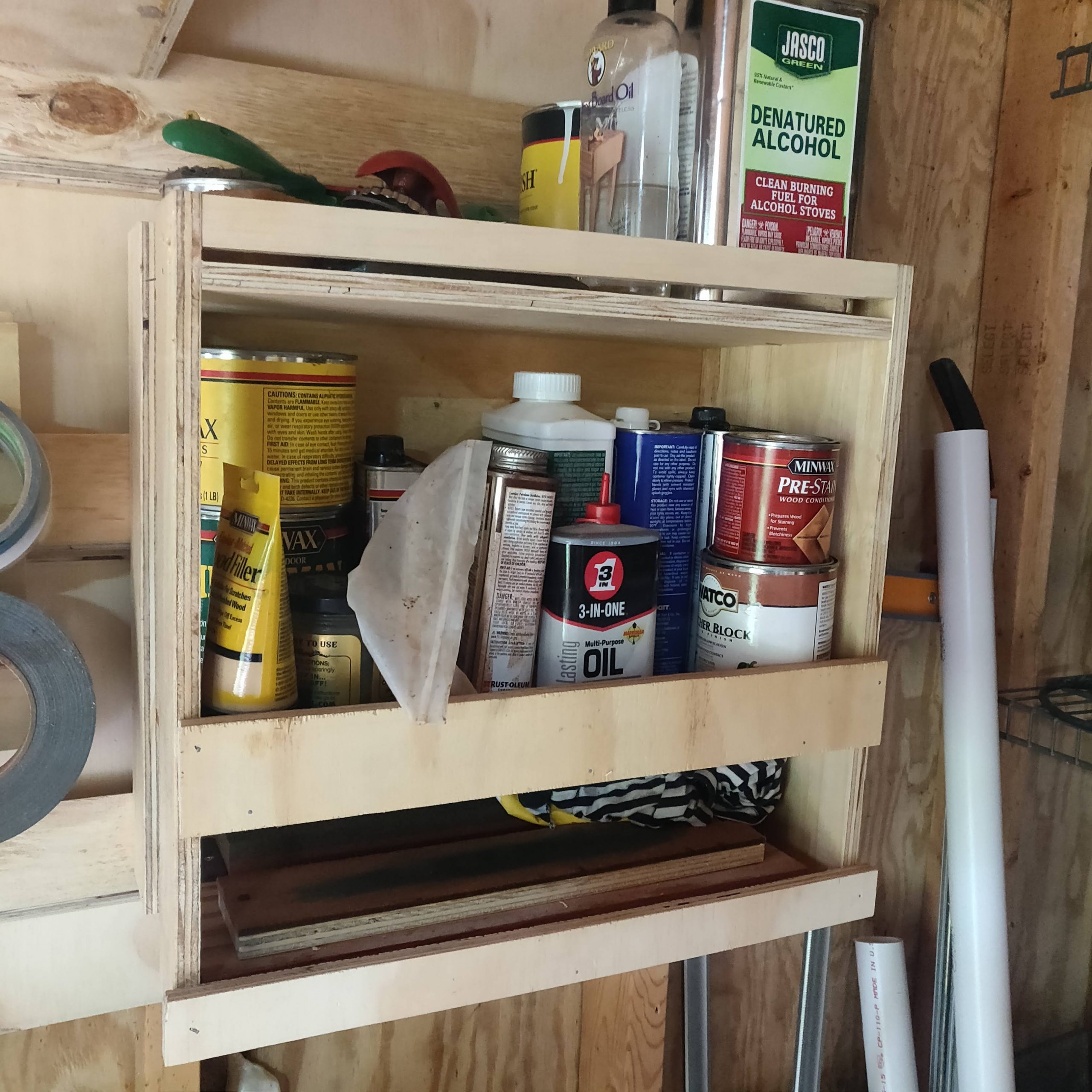
Walk into any woodshop and you find a shelf full of chemicals. Solvents, paints, varnishes, lacquers, oils, glues, and a host of other exotic and not so exotic solutions are a staple of the craft. These compounds are used to join, clean, prepare, and finish most woodworking projects, as well as maintain your tools. Do any amount of woodworking, and you’ll almost certainly accumulate a shelf of assorted, half-used, chemicals of your own. 

What’s almost certainly not present in most woodshops, especially hobbyist woodshops, are the Material Safety Data Sheets (MSDSs) for these chemicals. MSDSs tell you everything you could possibly want to know about the hazards associated with commercial chemical compounds. For many common woodworking products, the MSDSs are pretty intense. 

I’ll be completely honest here. I have never had MSDSs in my workshop. It was only while doing the background research for this article that I realized I needed to pay more attention to the assorted chemicals involved in the craft, and started compiling all the potential hazards. I suspect that the vast majority of hobbyist woodworkers are the same. 

Woodworking chemicals contain irritants, release volatile organic compounds (VOCs), are cut with heavy metals, and are often just plastic. They can be bad for your skin, bad for your lungs, and bad for your brain. When produced, disposed of, accidentally discharged, or as they break down through regular wear, they can release harmful compounds into the environment. If not disposed of correctly, some of these products will spontaneously burst into flames.

Read More “Getting a handle on workworking chemicals, or sometimes we all need to vent.” »
Built to Last: A Reflection on Environmentally Conscientious Woodworking

Posted on June 18, 2021January 8, 2024 By Andrew Thaler
Built to Last: A Reflection on  Environmentally Conscientious Woodworking
Built to Last, Conservation

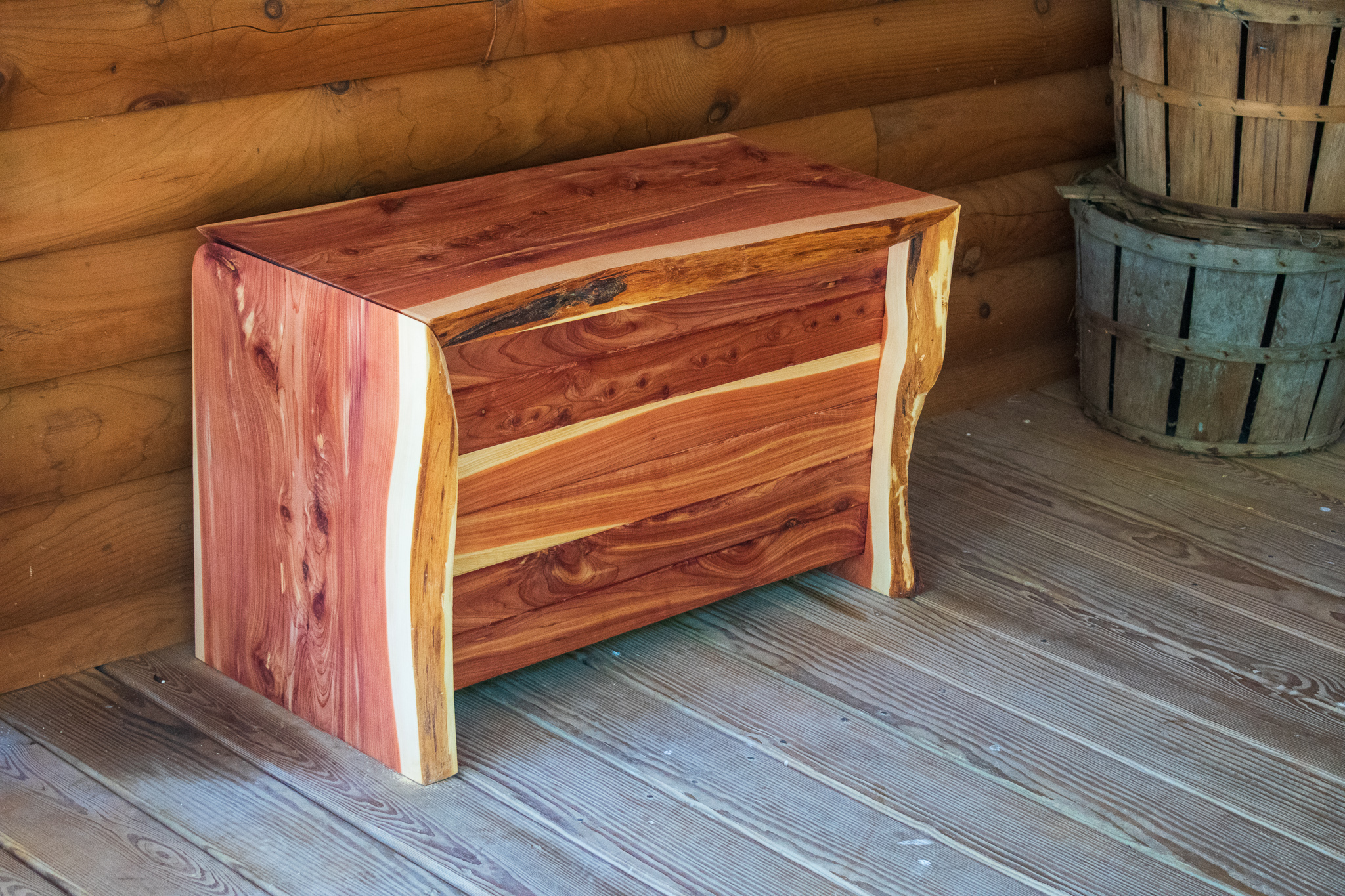
I make things. I make weird electronic things. I make scientific instrument things. And I make things out of wood. I make a lot of things out of wood. 

When I’m not working on marine conservation technology, educational programming, or high seas policy, I’m usually out back in the woodshop, building furniture, functional art, and other woodcrafts. This probably isn’t a surprise. For the last eleven years, one of the most popular articles at Southern Fried Science has been How to build a canoe from scratch on a graduate student stipend. 

Every few years, I turn an analytical eye on my hobbies, assessing the lifecycle of the materials I use, the sources of inefficiency, and, most importantly, how the practice of the craft aligns with or deviates from my personal environmental ethic. In other words, I do a sustainability audit on my recreational activities. For the last year, I’ve focused on understanding and improving the environmental impacts of my woodworking.

Read More “Built to Last: A Reflection on Environmentally Conscientious Woodworking” »

Popular Posts

Shark scientists want their research to help save threatened species, but don’t know how. Our new paper can help.Shark scientists want their research to help save threatened species, but don’t know how. Our new paper can help.December 1, 2025David Shiffman
Norway and Cook Islands put their deep-sea mining plans on pause.Norway and Cook Islands put their deep-sea mining plans on pause.December 3, 2025Andrew Thaler
What Ocean Ramsey does is not shark science or conservation: some brief thoughts on "the Shark Whisperer" documentaryWhat Ocean Ramsey does is not shark science or conservation: some brief thoughts on "the Shark Whisperer" documentaryJuly 2, 2025David Shiffman
The Trouble with Teacup PigsThe Trouble with Teacup PigsOctober 14, 2012Andrew Thaler
What we know we don't know: impacts of deep-sea mining on whales, dolphins, sharks, turtles, and other migratory species.What we know we don't know: impacts of deep-sea mining on whales, dolphins, sharks, turtles, and other migratory species.November 20, 2025Andrew Thaler
2025: My year in writing, public speaking, and media interviews2025: My year in writing, public speaking, and media interviewsDecember 3, 2025David Shiffman
Urea and Shark OsmoregulationUrea and Shark OsmoregulationNovember 15, 2010David Shiffman
Shark of Darkness: Wrath of Submarine is a fake documentaryShark of Darkness: Wrath of Submarine is a fake documentaryAugust 10, 2014Michelle Jewell
How tiny satellites are tracking marine wildlifeDecember 1, 2025Andrew Thaler
Build a dirt cheap, tough-as-nails field computer in a Pelican caseBuild a dirt cheap, tough-as-nails field computer in a Pelican caseJuly 21, 2015Andrew Thaler
Subscribe to our RSS Feed for updates whenever new articles are published.

We recommend Feedly for RSS management. It's like Google Reader, except it still exists.

Southern Fried Science

  • Home
  • About SFS
  • Authors
  • Support SFS


If you enjoy Southern Fried Science, consider contributing to our Patreon campaign.

Copyright © 2025 Southern Fried Science.

Theme: Oceanly Premium by ScriptsTown