Earlier this week, Congresswoman Miller of West Virginia introduced the Responsible Use of Seafloor Resources Act of 2024 bill into Congress. This bill is among the few significant pieces of new national legislation promoting deep-sea mining to be introduced in the modern era. The text is available here: A Bill to support international governance of seafloor resource exploration and responsible polymetallic nodule collection by allied partners, strengthen domestic processing and refining capabilities, and for other purposes (opens a .pdf from a Google Drive).
In what I’m sure is a surprise to some, I don’t hate it.
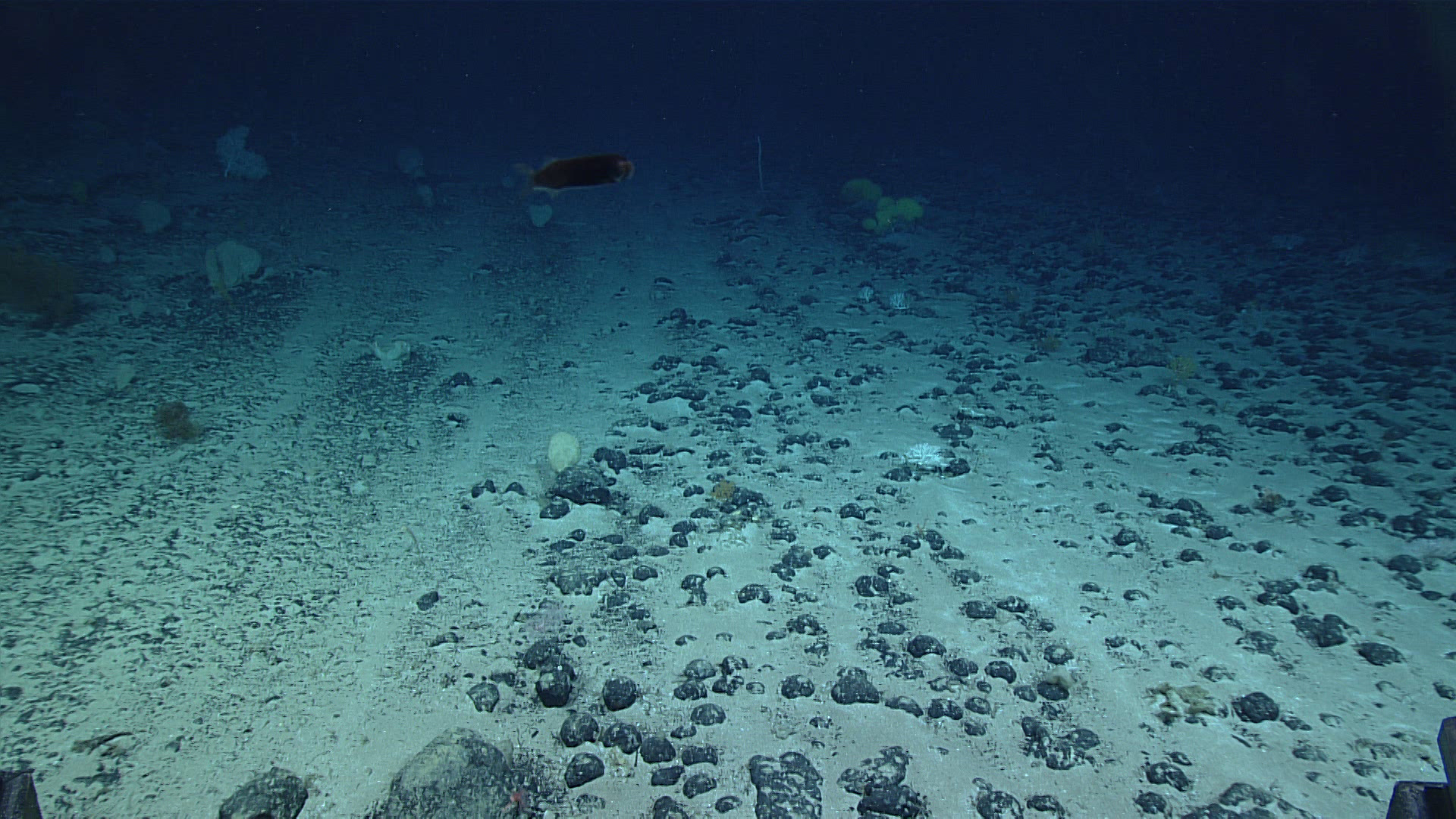
For starters, this is not a deep-sea mining bill. It says nothing about implementing or expanding deep-sea mining activity within the US EEZ. This is a polymetallic nodule processing bill. That’s a very different proposition.
The bill does two things. It directs the President to provide unspecified interagency support for partners engaged in seafloor nodule collection and processing that is compliant with other US regulations. That support could be financial, it could be diplomatic, it could be a warm smile and a reassuring nod from Joe Biden.
The bill also directs the Executive Branch to coordinate the development of infrastructure to process and refine seafloor nodules within the United States. That’s where things get interesting. The US never ratified the Convention on the Law of the Sea, which means the US doesn’t get to participate in the mining of polymetallic nodules in areas beyond national jurisdiction, if the industry reaches commercialization, but it also means that the US isn’t beholden to certain limitations within UNCLOS that make commodifying deep-sea metals more challenging.
There shall be no discrimination between minerals derived from the Area and from other sources. There shall be no preferential access to markets for such minerals or for imports of commodities produced from such minerals, in particular: by the use of tariff or non-tariff barriers.
UNCLOS Part 11: Section 6, Article 1
In short, countries who are members of the International Seabed Authority can’t privilege the source of metals that are produced by deep-sea mining. Cobalt, for example, from the DRC or the CCZ had to be treated the same as far as trade and tariffs are concerned. The US isn’t party to that limitation.
Frankly, refining ore is a nasty process, and if polymetallic nodule mining moves forward, I would rather see that refining happen in a country with relatively strong environmental regulations that can also exert influence over the mining companies themselves. A US that is the major importer and processor of polymetallic nodules is a US whose federal regulations can supersede the International Seabed Authority if the ISA’s environmental rules are found to be lacking.
The nodule production bill also directs several federal agencies to provide reports of the current state of relevant legislation and critical minerals supply. That’s something that is largely already happening.
If the US became a major importer and processor of polymetallic nodules, it would have substantially more economic influence over the development of the industry. Combined with something like the American Seabed Protection Act of 2023 (which was never brought to a vote), that could set a strong precedent for a well-regulated industry with an additional level of checks beyond the ISA Mining Code.
But this is the 118th Congress of the United States of America. Somehow I doubt this bill will even leave committee before the session ends.
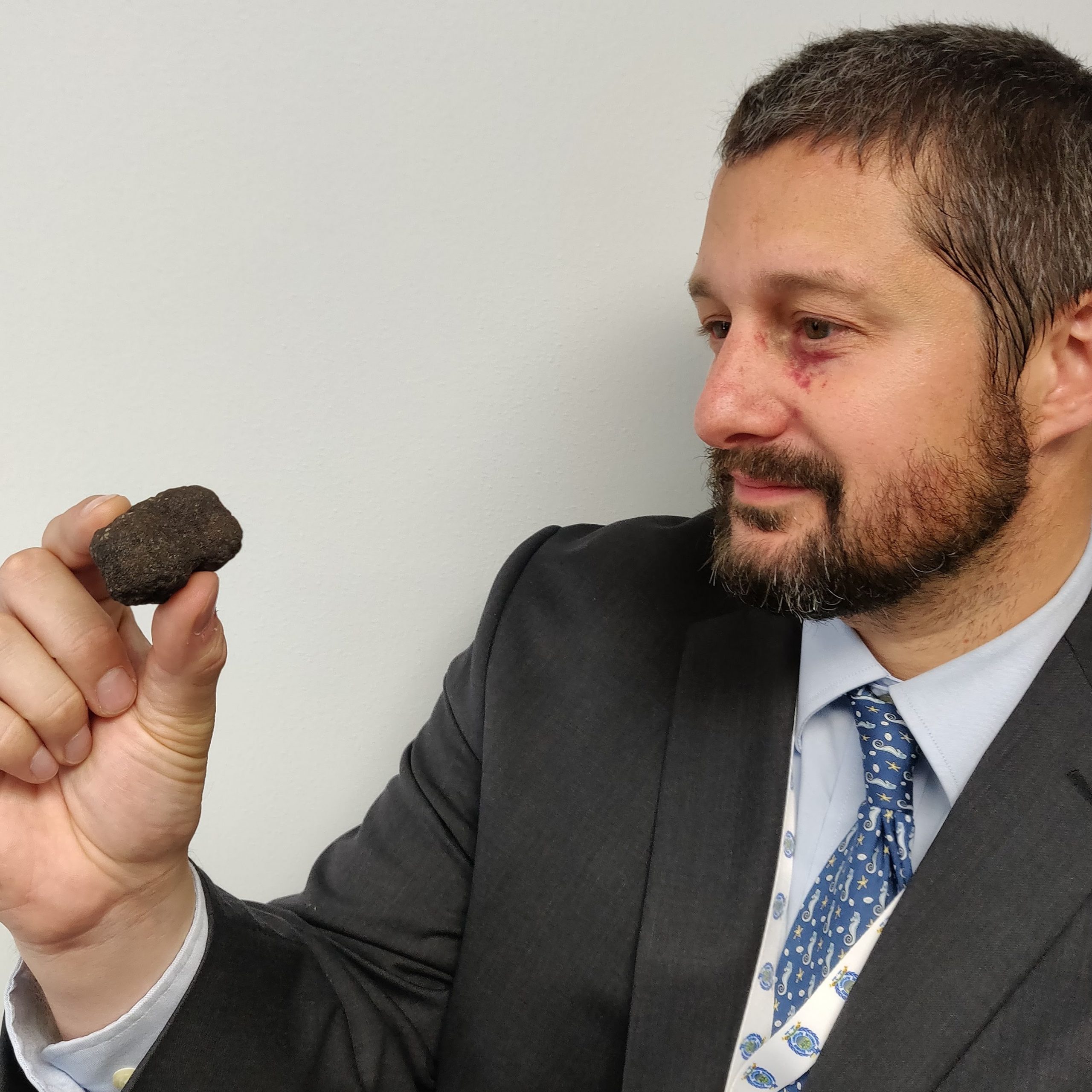
Featured image: a much younger Andrew ponders a polymetallic nodule at the 25th Session of the International Seabed Authority. Photo by Matthieu Rytz.
Southern Fried Science is free and ad-free. Southern Fried Science and the OpenCTD project are supported by funding from our Patreon Subscribers. If you value these resources, please consider contributing a few dollars to help keep the servers running and the coffee flowing. We have stickers.