The conservation movement is full of organizations whose stated goal is to protect specific organisms (i.e. “save the whales” or “save the sea turtles”) or to protect certain ecosystems (i.e. “save the rain forest” or “save the coral reef”). While these groups do admirable work, I can’t help put notice that they primarily focus on charismatic, likable organisms and ecosystems that are considered beautiful. The reason for this is simple- it’s easier to get the public to support conserving these things. Any conservation is a good thing, but when we focus exclusively on what we like instead of what’s important to the environment, it can lead to ecological disaster. That’s why I was so excited to learn of the existence of the “save the krill” movement.
Category: Science

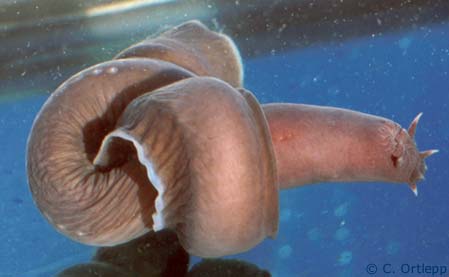
Today is Hagfish Day! Who knew?
What is a hagfish?
Hagfish are primitive eel-like chordates make famous for their relative unattractiveness*, profuse production of slime, and charismatic ability to tie themselves in knots. They are perhaps the only ‘fish’ that possesses a skull, but no vertebral column. But the question “What is a hagfish?” goes much deeper than that and it’s answer is fundamental to the evolution of vertebrates and, ultimately, us.
Read More “Grampa Hagfish: say hello to your greatest uncle” »
In the latest edition of Shark Science Monday, Woods Hole/Boston University researcher Julia Spät discusses how ocean acidification is likely to affect sharks. As always, feel free to ask questions for Julia in the comments. ~WhySharksMatter
Watch this clip (warning, some foul language): The head over to a Shot of Prevention and read this excellent post: Why My Child With Autism Is Fully Vaccinated (warning, comments are depressing). ~Southern Fried Scientist
How to brew beer in a coffee maker, using only materials commonly found on a modestly sized oceanographic research vessel has picked up a second wind today thanks to Boing Boing. Several new readers have asked about that puzzling picture in the post, featuring a research vessel apparently sinking with its bow pointing straight out … Read More “The Ship that Flips” »
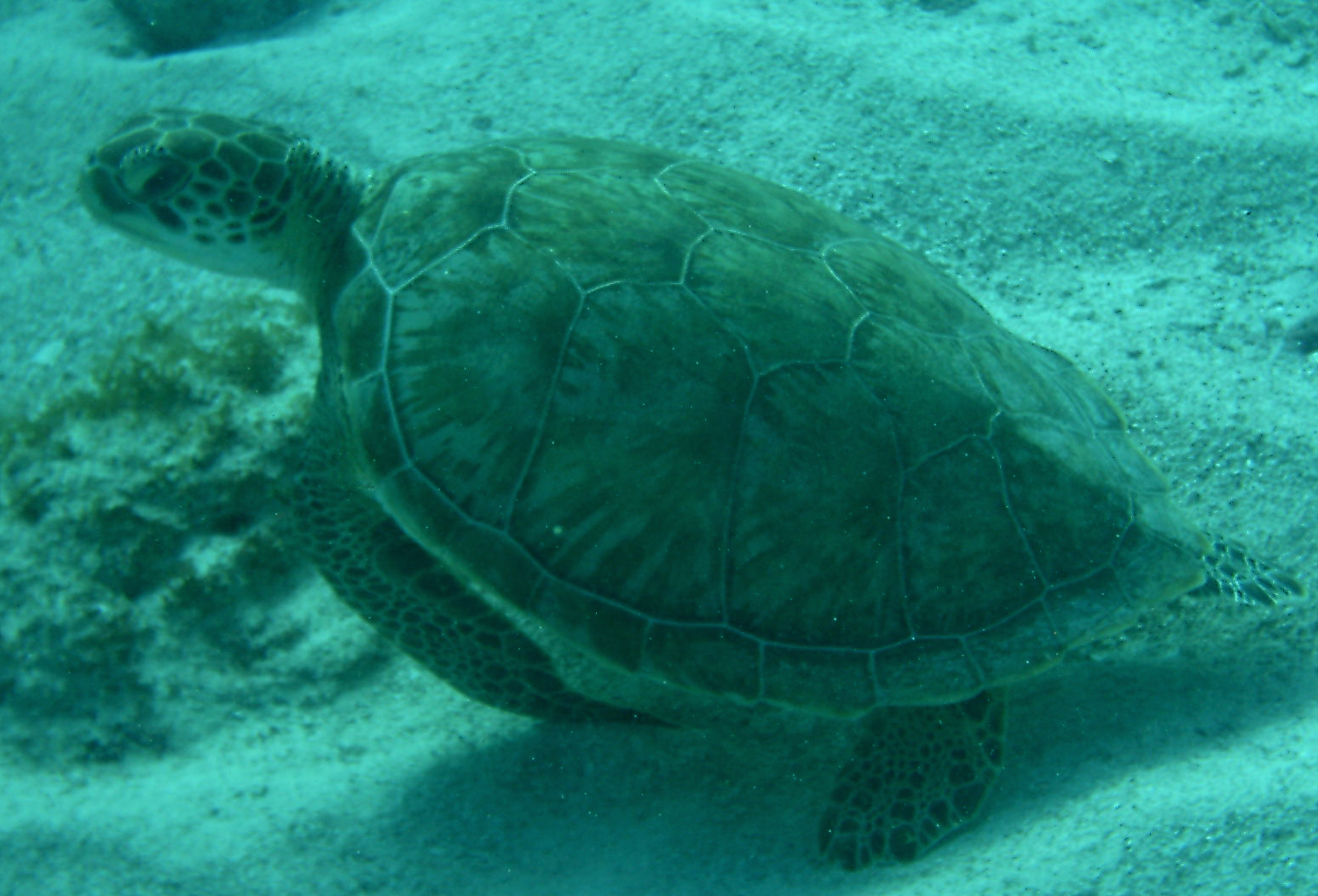
When most people think of an animal threatened by global warming, images of a polar bear drowning because of lost ice habitat come to mind. Few know that climate change can also threaten animals used to living in environments much warmer than the Arctic. Even when you’re used to heat, too much heat can be a serious problem- particularly in vulnerable early life history stages.
One example of this phenomenon is the sea turtle. Though one species (the leatherback) often ventures into Arctic waters, the other species are largely confined to tropical and temperate climates. All seven species are threatened or endangered due to decades of bycatch mortality and habitat destruction, and they are in serious trouble as a result of warming beach temperatures.
Read More “Altered sea turtle sex ratios: Can global warming harm warm-water animals?” »
A major threat facing sharks is the loss of important nursery habitat. In this week’s Shark Science Monday, Thomas Farrugia discusses how effective habitat restoration can be. Feel free to ask questions for Thomas in the comments. ~WhySharksMatter

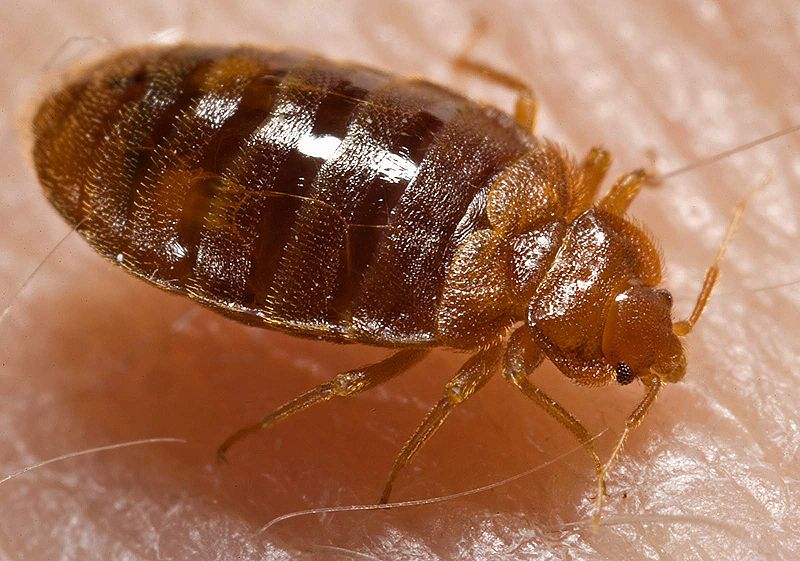
Bed bugs, the nasty nocturnal nursery rhyme nightmares than are making a comeback throughout the northeastern United States. Infestations, previously relegated to the status of urban legend in much of the developed world, are on the rise due to a combination of more frequent travel, pesticide resistance, and the end of the ‘better living through chemistry” era when DDT was a perfectly acceptable thing to spray into your baby’s crib. They’re mean, nasty blood suckers that have risen over the summer to become the scourge of hotel managers everywhere. Except, they’re really pretty harmless. Most people don’t even have a reaction to the bite, they are shockingly poor vectors for disease, and, when you get past the blood sucking, they’re rather cute as far as bugs go. There is one rather disagreeable feature about these critters, and it’s the reason we should all be thankful that we’re only bitten by them.
Traumatic Insemination.
An e-mail has been making the rounds over the last few weeks purports to show evidence of an illegal turtle egg harvest in Costa Rica. It contains several pictures like this: While the pictures are real, the e-mail is misleading. They show a sustainable, legal turtle harvest that actually helps the Olive Ridley turtle population. … Read More “A short note on the “turtle harvest” e-mail” »
Dear Dr. Schiffman, I am a recent graduate in biology. After several attempts to work in a population genetics molecular biology lab, I realized that there was way too much maths and other difficult concepts and that I would be much better off studying orgasmal biology such as sharks or skates or rays. As you … Read More “Re: Application for Job in Sahrk Biology” »