Skip to content

Southern Fried Science

Over 15 years of ocean science and conservation online

  • Home
  • About SFS
  • Authors
  • Support SFS

Category: Uncategorized

Nodules for sale: tracking the origin of polymetallic nodules from the CCZ on the open market. 

Posted on February 22, 2019February 22, 2019 By Andrew Thaler
Nodules for sale: tracking the origin of polymetallic nodules from the CCZ on the open market. 
Uncategorized

[This article originally appeared yesterday in the Deep-sea Mining Observer. ~Ed.]

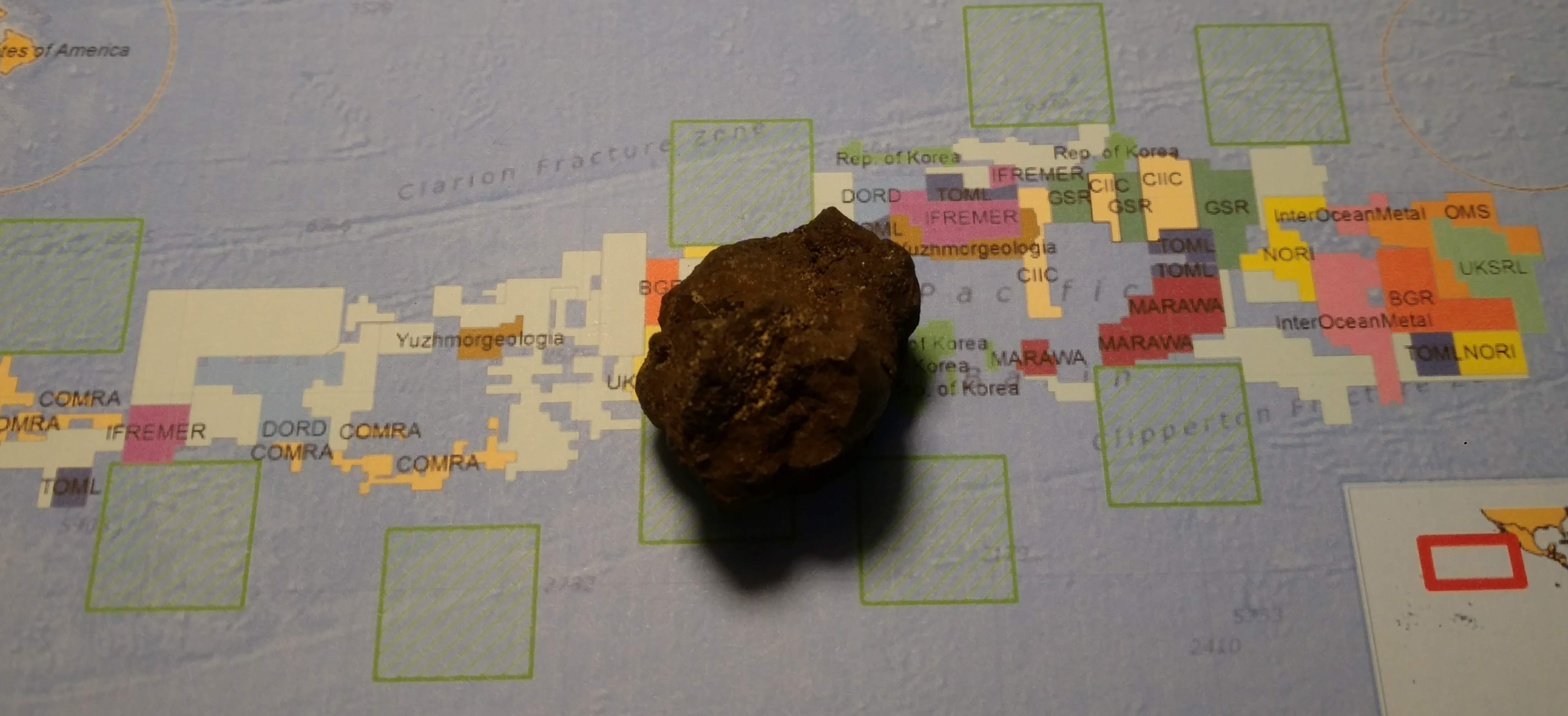
You can buy a 5-lb bag of polymetallic nodules from the Clarion-Clipperton Fracture Zone on Amazon, right now.

Depending on your vantage point and how long you’ve participated in the deep-sea mining community, this will either come as a huge surprise or be completely unexceptional. Prior to the formation of the International Seabed Authority, there were no international rules governing the extraction of seafloor resources from the high seas. Multiple nations as well as private companies were engaged in exploration to assess the economic viability of extracting polymetallic nodules and tons of material was recovery from the seafloor for research and analysis. Some of that material almost certainly passed into private hands.

Read More “Nodules for sale: tracking the origin of polymetallic nodules from the CCZ on the open market. “ »

Fun Science FRIEDay – Life is Inevitable

Posted on February 8, 2019February 8, 2019 By Kersey Sturdivant
Uncategorized

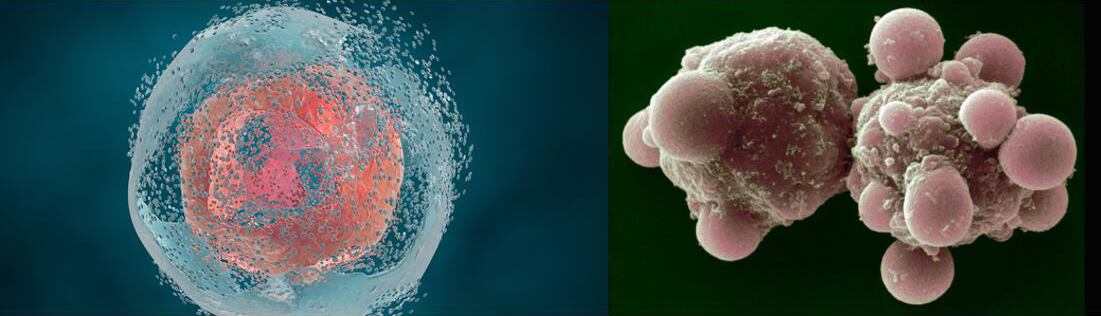
Why does life exist? Its an age old question that has been debated for centuries with popular hypotheses crediting celestial interference, a primordial soup, or a colossal stroke of luck. However, a relatively recent and provocative hypothesis suggests luck has nothing to do with it, and that instead, life is an inevitable consequence of physics.

The author of the concept, Jeremy England – professor of biophysics at MIT, suggests, “the origin and subsequent evolution of life follow from the fundamental laws of nature and should be as unsurprising as rocks rolling downhill.”


(Photo credit: creative-bioarray)

Read More “Fun Science FRIEDay – Life is Inevitable” »

Logs from a majestic pit of acid: Diving Belize’s Blue Hole with Erika Bergman.

Posted on February 5, 2019February 21, 2019 By Erika Bergman
Logs from a majestic pit of acid: Diving Belize’s Blue Hole with Erika Bergman.
Uncategorized

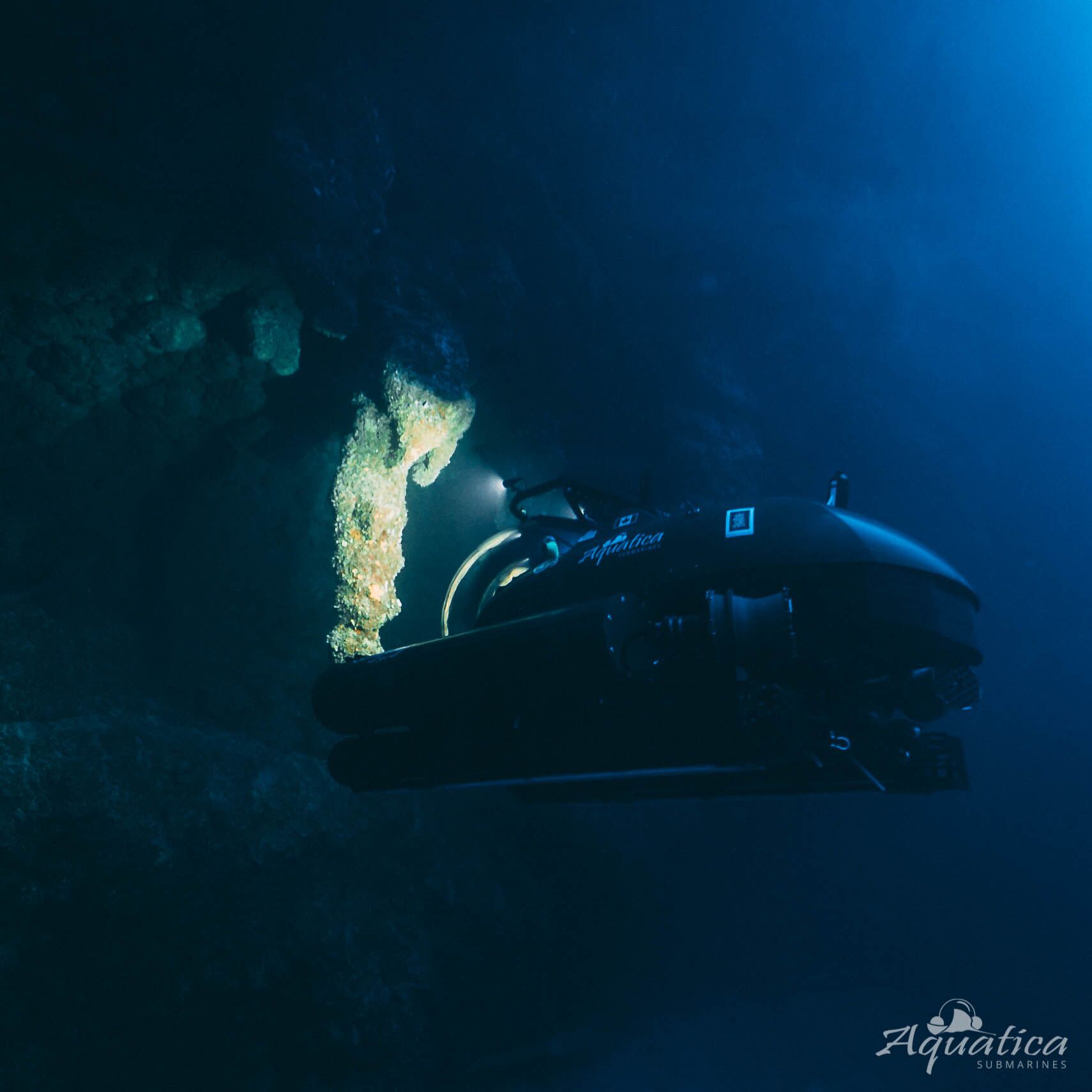
In November of 2018 Aquatica Submarines shipped a three person submarine, Stingray 500, across frosty North America on the back of a truck then over the rolling winter seas of the Gulf of Mexico to Belize aboard the R/V Brooks McCall. Our destination was a site located 7 miles into Lighthouse Reef – a perfect sinkhole in the ocean known as the Great Blue Hole. We traveled to this UNESCO World Heritage site to explore and document a geologic phenomenon in support of conservation science and to conduct outreach. Our mission was two fold, map the Great Blue Hole using high resolution sonar and take people worldwide on this journey with us on broadcast TV. Everything we collected, from CTD data and dissolved oxygen content, to video footage and experiential data, gives us the fodder we need to tell a story about an unusual place on our planet most people have never seen, until now.

Photo courtesy Aquatica Submarines.

Geology from not-a-geologist

Over the past 14,000 years the polar ice caps, formed during the last glacial maximum, have thawed and raised sea level in steps. These defrosting events are captured in a stone record of an oceanic sinkhole in Belize. The aptly named Great Blue Hole is a collapsed cave, filled with stalactite caverns, and built up from layers of fine limestone and rougher calcium carbonate walls. The stepped rise of sea level can be seen in the form of terraces carved deeply by erosion into the otherwise vertical rock walls. Straight vertical stretches of wall are free of erosion because sea level rose rapidly during a few brief decades between each step. As each melting event took place sea level rose dramatically, as much as 100 feet in 100 years, followed by centuries of stability. Preserved from the disturbance of time, and isolated in the darkness, the hole holds clues to a very natural part of our planet’s life cycle. It’s these terraces and stalactites we set out to map.

Photo courtesy Aquatica Submarines.

Read More “Logs from a majestic pit of acid: Diving Belize’s Blue Hole with Erika Bergman.” »

Why I don’t bite everyone that stresses me out: The cost-benefit analysis of predators

Posted on January 20, 2019January 20, 2019 By Michelle Jewell
Uncategorized

There is controversy whenever a human creates a close interaction with a wild animal.  Those arguing in favour of the human’s behavior inevitably settle on the argument that if the animal didn’t like it, the animal would have bit them or exhibited some sudden reaction to the human.  People who propose this argument have a … Read More “Why I don’t bite everyone that stresses me out: The cost-benefit analysis of predators” »

I built an open-source robot that steps your steps when the steps you stepped weren’t counted by your step counter: Frequently Asked Questions

Posted on January 6, 2019January 7, 2019 By Andrew Thaler
Uncategorized

The future of fitness tracking is here! reStepper is an open-source, arduino-powered machine to walk your fitness tracker after those unfortunate workouts when your steps didn’t get logged. Did you have the audacity to take you child for a walk in a stroller? Get those steps back! Were you foolish enough to go swimming when you could have walked in aimless circles around the pool? Don’t let the credit drift away! Reckless enough to do something, anything, that might require you to take off your jewelry before working up a sweat? Let the reStepper sweat it all back! Maybe you just don’t want third parties to know where you run, or where your secret morel patch is, or how fast they need to make the people harvesting machines in order to catch Charlton Heston.

The reStepper, an engineering marvel.

Ummm.

It’s funny.

So what is it?

The reStepper is an open-source machine that “walks” a fitness tracker for you.

Read More “I built an open-source robot that steps your steps when the steps you stepped weren’t counted by your step counter: Frequently Asked Questions” »

Orca protection and vanishing Arctic lakes: Thursday Afternoon Dredging, December 20th, 2018

Posted on December 20, 2018December 20, 2018 By David Shiffman
Uncategorized

Cuttings (short and sweet): Follow YouTube science communicator Kurtis Baute on twitter! Ottawa designates two new areas as critical habitat for killer whales in B.C. waters. CHEK news. Spoils (long reads and deep dives): Arctic lakes are vanishing by the hundreds. By Chelsea Harvey, for Scientific American. Even fish get the bends. By Anna Saleh, … Read More “Orca protection and vanishing Arctic lakes: Thursday Afternoon Dredging, December 20th, 2018” »

To tweet to whom – a tweeting guide for marine scientists

Posted on December 18, 2018December 19, 2018 By Chris Parsons
Uncategorized

“Logic is a tweeting bird” – Spock, Star Trek

Social media can be a great tool for spreading and disseminating published science. Potentially it can reach a wide audience and for free !

Most platforms allow you to insert links to direct readers to the original paper or publication. If you are working in an area that is relevant to conservation or policy, social media can be a great way of getting papers to the right audience that may need that information (Parsons et al., 2014). Moreover, there is now increasing data that using social media can increase download and citation rates of scientific papers, which in turn is good for the careers of scientists in an academic setting.

Read More “To tweet to whom – a tweeting guide for marine scientists” »

Amazing fish eyes, the real cost of halibut, and protecting local species: Thursday Afternoon Dredging, December 13, 2018

Posted on December 13, 2018December 13, 2018 By David Shiffman
Uncategorized

Cuttings (short and sweet): Follow UBC’s wildlife conservation economics lab on twitter!  The Deep-Sea Fish with the Telescopic Tubular Eyes. By Craig McClain, for Deep Sea News.  How to take action to help endangered species near you. A Revelator News Podcast by John Platt.  Spoils (long reads and deep dives): Why does halibut cost so … Read More “Amazing fish eyes, the real cost of halibut, and protecting local species: Thursday Afternoon Dredging, December 13, 2018” »

Florida releases draft land-based shark fishing regulations

Posted on December 11, 2018December 13, 2018 By David Shiffman 2 Comments on Florida releases draft land-based shark fishing regulations
Uncategorized

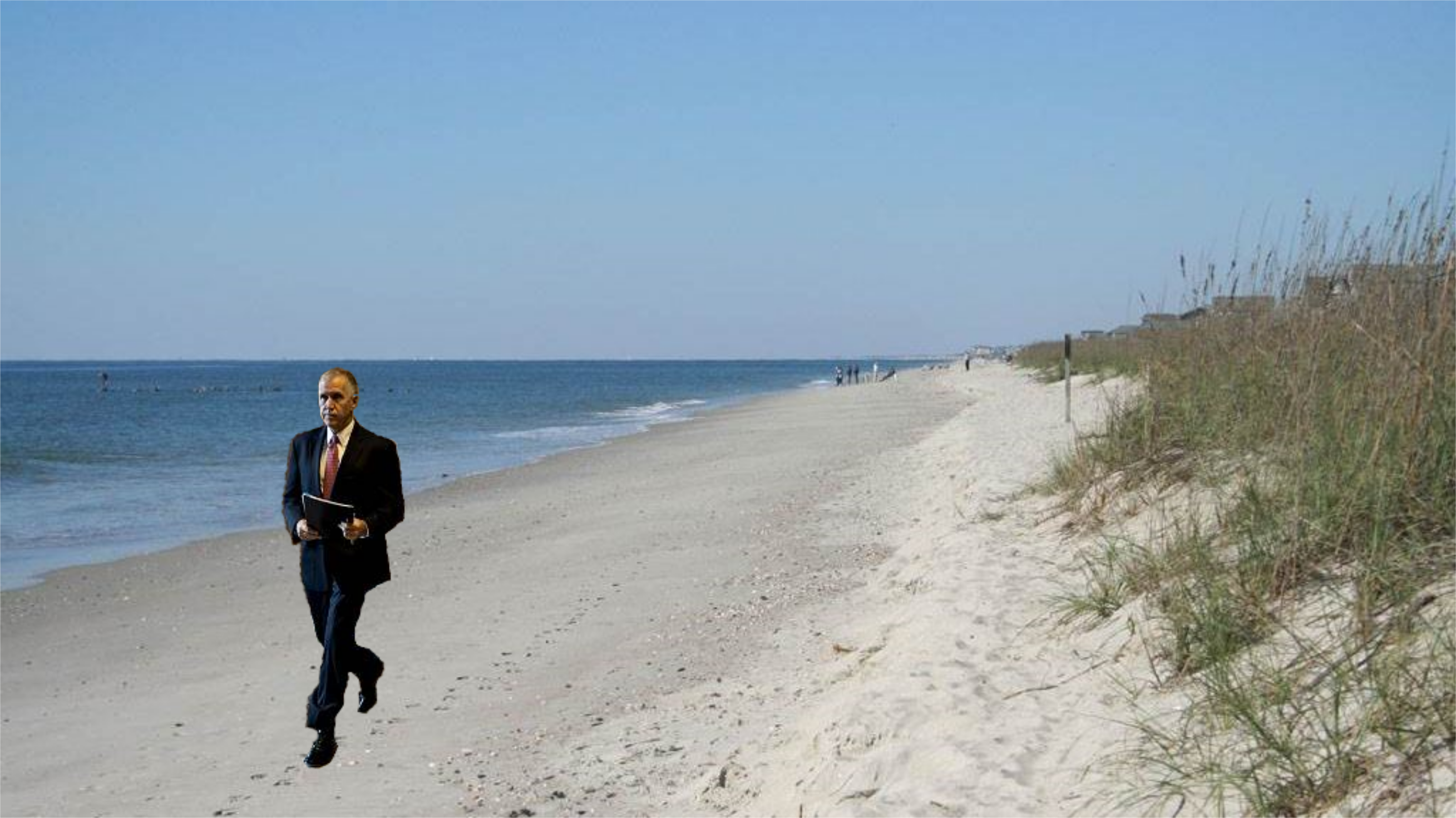
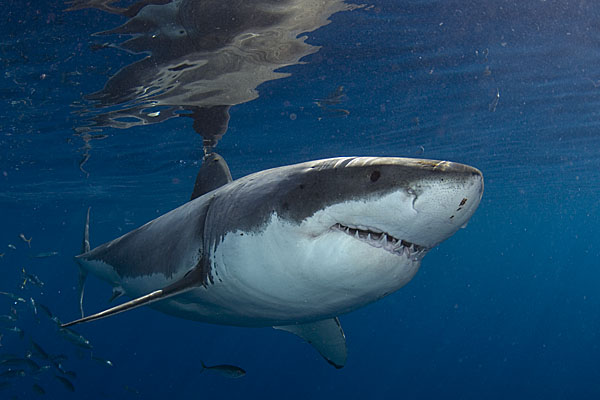
After months of expert and public consultation, the Florida Fish and Wildlife Conservation Commission has announced the draft text of new regulations that will govern land-based shark fishing. It’s mostly very good news that directly addresses most of our concerns! 

A review of the problem
Land-based anglers in Florida (those who fish from beaches, docks, and piers) catch large numbers of threatened, protected species, handling them in needlessly cruel ways that likely result in mortality or permanent injury. Anglers are aware that what they’re doing causes harm to certain species and violates some existing regulations. Hammerhead sharks in particular are extremely physiologically vulnerable and need to be released much faster than they are currently being released or else they will very likely die. 

(Learn more: see my paper on this subject, my blog post summarizing that paper, an open letter calling for action, an op-ed I wrote about this, a review of the existing rules and how they’re regularly violated, and a years-old blog post describing one problematic incident with land-based shark fishing)

Read More “Florida releases draft land-based shark fishing regulations” »

Dive bombing birds, octopus intelligence, and a red tide update: Thursday Afternoon Dredging, December 6, 2018

Posted on December 6, 2018 By David Shiffman
Uncategorized

Cuttings (short and sweet): Follow Joe Cunningham, a marine engineer who was just elected to Congress, on twitter! The dive bombing birds of Newfoundland. By Craig McClain, for Deep Sea News How much does it cost to save a species? Less than you think! By Erik Vance, for the last word on nothing. Spoils (long … Read More “Dive bombing birds, octopus intelligence, and a red tide update: Thursday Afternoon Dredging, December 6, 2018” »

Posts pagination

Previous 1 … 5 6 7 … 119 Next

Popular Posts

Playing God - How the ESA "God Squad" just voted for the extinction of a uniquely American whalePlaying God - How the ESA "God Squad" just voted for the extinction of a uniquely American whaleApril 9, 2026Southern Fried Science
The story of the pride flag made from NASA imagery: Bluesky's most-liked imageThe story of the pride flag made from NASA imagery: Bluesky's most-liked imageSeptember 27, 2024David Shiffman
Here's how to join my IMCC8 symposium, "Ocean Science Communication: What's New and What's Next?"Here's how to join my IMCC8 symposium, "Ocean Science Communication: What's New and What's Next?"April 22, 2026David Shiffman
What Ocean Ramsey does is not shark science or conservation: some brief thoughts on "the Shark Whisperer" documentaryWhat Ocean Ramsey does is not shark science or conservation: some brief thoughts on "the Shark Whisperer" documentaryJuly 2, 2025David Shiffman
Our favorite sea monsters – Ningen (#4)Our favorite sea monsters – Ningen (#4)September 7, 2010Andrew Thaler
On the clarity of animals: the art and science of clearing and stainingOn the clarity of animals: the art and science of clearing and stainingDecember 17, 2013Guest Writer
Join Me at Upwell: A Wave of Ocean Justice — Our Fourth Year!Join Me at Upwell: A Wave of Ocean Justice — Our Fourth Year!March 24, 2026Angelo Villagomez
Shark of Darkness: Wrath of Submarine is a fake documentaryShark of Darkness: Wrath of Submarine is a fake documentaryAugust 10, 2014Michelle Jewell
What can the funniest shark memes on the internetz teach us about ocean science and conservation?What can the funniest shark memes on the internetz teach us about ocean science and conservation?November 8, 2013David Shiffman
That's not a blobfish: Deep Sea Social Media is Flooded by AI SlopThat's not a blobfish: Deep Sea Social Media is Flooded by AI SlopDecember 19, 2025Andrew Thaler
Subscribe to our RSS Feed for updates whenever new articles are published.

We recommend Feedly for RSS management. It's like Google Reader, except it still exists.

Southern Fried Science

  • Home
  • About SFS
  • Authors
  • Support SFS


If you enjoy Southern Fried Science, consider contributing to our Patreon campaign.

Copyright © 2026 Southern Fried Science.

Theme: Oceanly Premium by ScriptsTown