Skip to content

Southern Fried Science

Over 15 years of ocean science and conservation online

  • Home
  • About SFS
  • Authors
  • Support SFS

Recent Posts

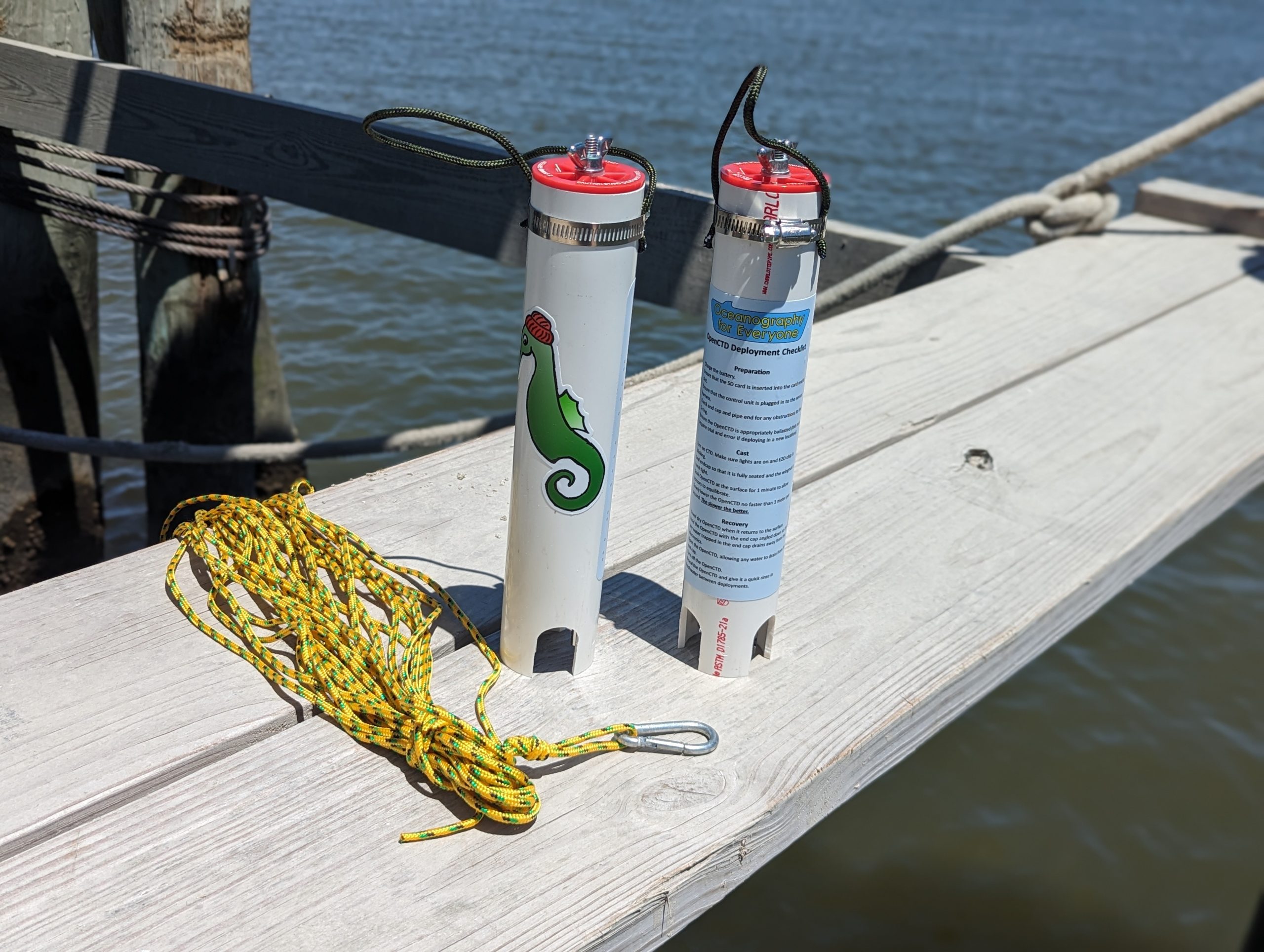
The next OpenCTD is here!
June 22, 2026
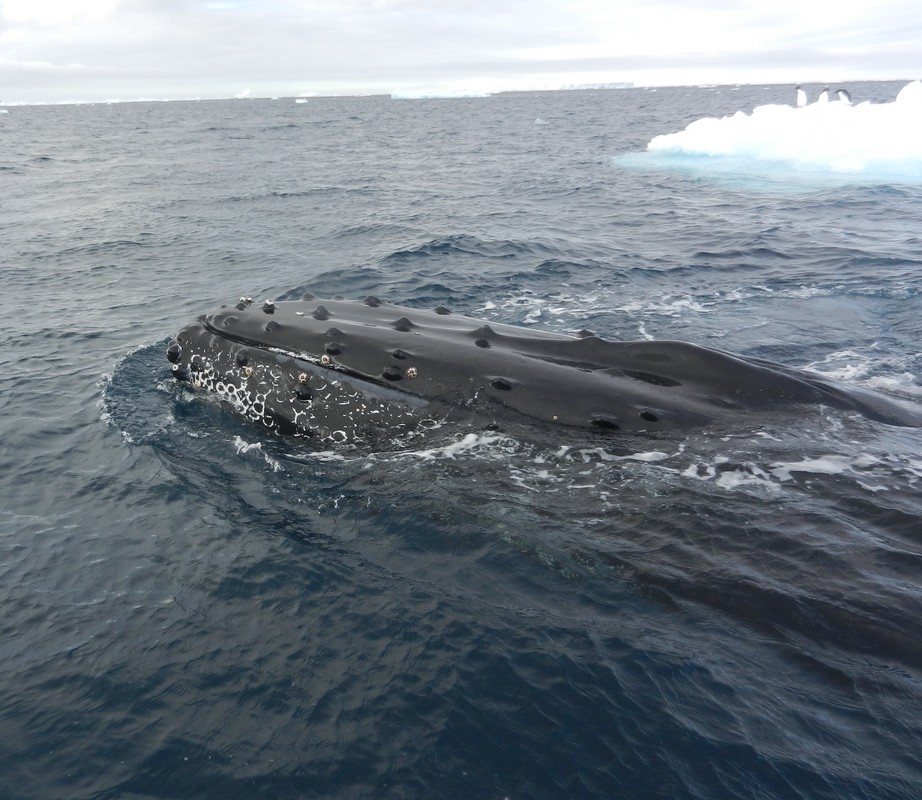
humpback whale in Antarctica
The evolution of the International Whaling Commission – from  whaling quotas to whale conservation
June 10, 2026
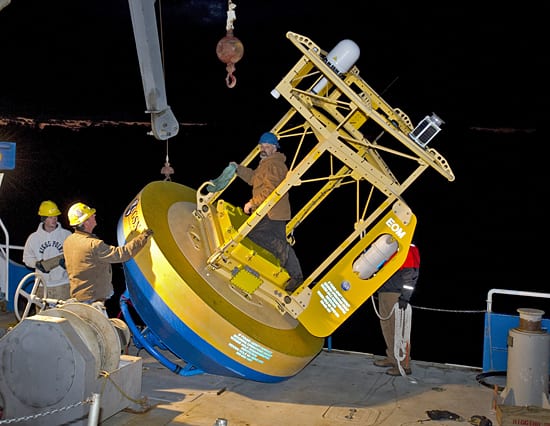
Isn’t ironic, don’t you think: dismantling the Ocean Observatories Initiative on World Oceans Day
June 9, 2026
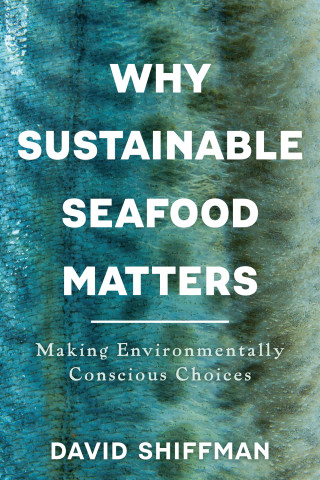
“Why Sustainable Seafood Matters” is now available for preorder! Here’s what it’s about, and why I decided to write it.
June 8, 2026
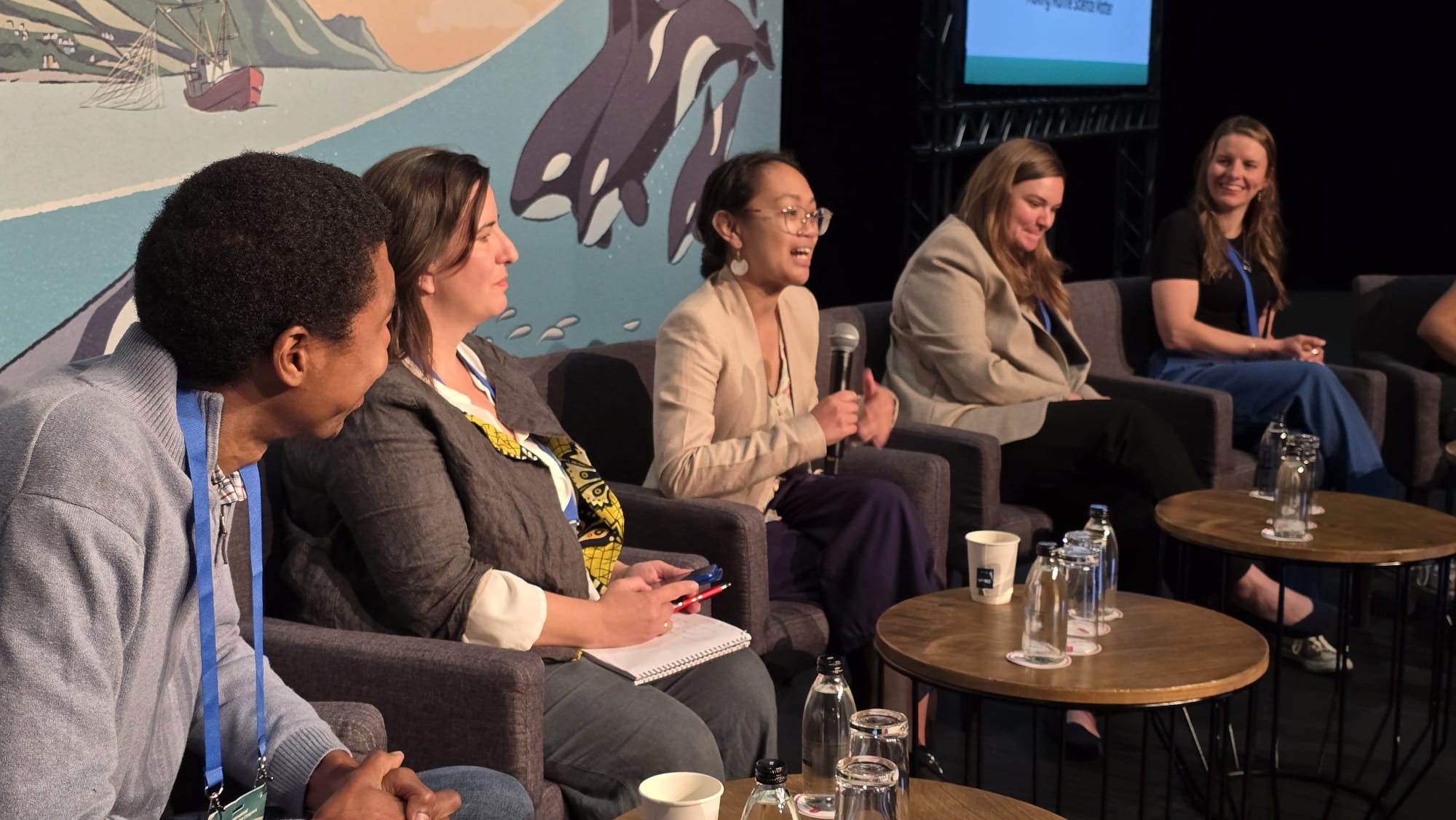
Here’s how to join my IMCC8 symposium, “Ocean Science Communication: What’s New and What’s Next?”
April 22, 2026
Deep Sea Mining Symposium Announcement
April 21, 2026

The Ocean Adventure: mud, robots, and ecosystems

Posted on May 24, 2012May 29, 2012 By Andrew Thaler 2 Comments on The Ocean Adventure: mud, robots, and ecosystems
Science

We traveled to Cape Lookout Bight aboard the R/V Susan Hudson to sample sediment and test our homemade ROV. Along the way, we asked the research team to talk about their favorite marine ecosystems. httpv://www.youtube.com/watch?v=_vpX4XGNjf8 Let us know what your favorite marine ecosystems are in the comments below.

Chemistry of the Great Big Blue: A Pesticide Mystery

Posted on May 23, 2012May 23, 2012 By Bluegrass Blue Crab
Uncategorized

As part of my ongoing community-based research on water quality in coastal North Carolina, I ended up tasked with answering what I thought would be  a very basic question: what is the predominant pesticide used in my county? The largest farm and by far the largest amount of cropland is occupied by a traditional corn/soy rotation with the occasional cotton thrown in. Given the multitude of American acres donated to corn/soy, I figured I could easily find out the basics of that crop’s chemistry. Not so. My little information adventure has made me realize why there are so many rumors surrounding farming’s impact on water quality in the region. Rumors are easier to find than facts.

Read More “Chemistry of the Great Big Blue: A Pesticide Mystery” »

#SciFund Returns: Where have all the coral reef fish gone?

Posted on May 22, 2012 By Andrew Thaler 1 Comment on #SciFund Returns: Where have all the coral reef fish gone?
Science

#SciFund, a month long initiative to raise funds for a variety of scientific research projects, is once again upon us. Project leaders post a project description and an appeal for funds, and members of the public are invited to make small donations to projects that they deem worthy. Donations come with rewards such as access to … Read More “#SciFund Returns: Where have all the coral reef fish gone?” »

False Fish, Pink Slime, and Dactylopius frappucoccus: food supply, food choices, and establishing a personal food ethic

Posted on May 21, 2012May 21, 2012 By Andrew Thaler 5 Comments on False Fish, Pink Slime, and Dactylopius frappucoccus: food supply, food choices, and establishing a personal food ethic
Uncategorized

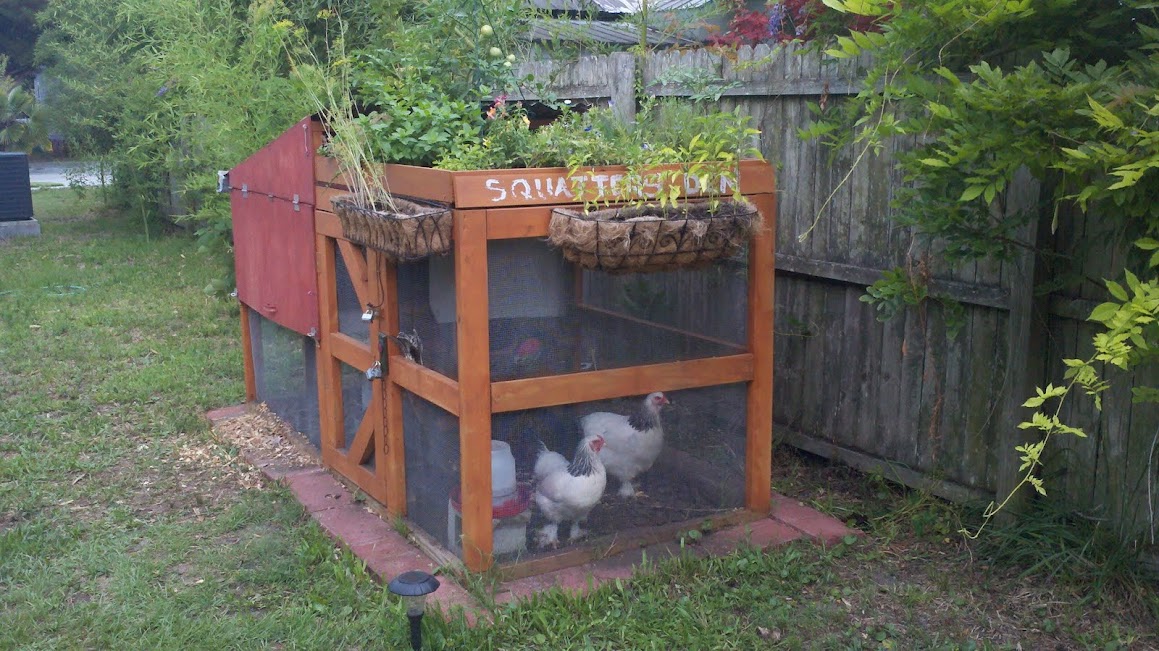
One solution, though not everyone can raise their own chickens.
A significant source of food for me. Of course not everyone can raise their own chickens.

Food is a tricky. For some people, food choice is an essential component of cultural heritage and national identity. For others, food choice is a statement of philosophical or moral principles. For many, being able to reject food is an unobtainable luxury. One thing is certain: food is so central to the human experience that when we question our food choices, when we are forced (or force others) to change them, when we discover that the choices we make are not what we think they are, it is impossible to separate our food ethics from our social structure. Which is why seemingly trivial revelations–bugs in your coffee, meat made slime, or a fish by any other name–often result in major outrage and structural changes. Eating is simultaneously a deeply personal experience and one in which, for much of the developed world, we are completely detached from the source.

Read More “False Fish, Pink Slime, and Dactylopius frappucoccus: food supply, food choices, and establishing a personal food ethic” »

Traumatized animal radically changes diet and behavior in an unhealthy way: the real story of the “vegetarian shark”

Posted on May 18, 2012 By David Shiffman 12 Comments on Traumatized animal radically changes diet and behavior in an unhealthy way: the real story of the “vegetarian shark”
Science

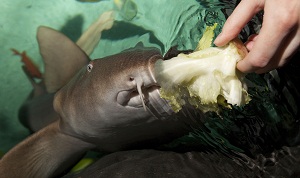
Florence the "vegetarian" nurse shark eating lettuce. Photo courtesy Jamie Turner, Sea Life Centre Birmingham

Between my well-documented love for sharks and my famously vegetable-less diet, a recent story about a “vegetarian shark” was destined to be e-mailed to me by friends and family. For those of you unfamiliar with the story, a captive nurse shark at an aquarium in the United Kingdom has been eating lettuce and celery, and refusing to eat normal nurse shark food (crustaceans and fish). As a result of this…no, wait, that’s pretty much the whole story. This animal has been dubbed “the world’s first vegetarian shark”, and my twitter and Facebook feeds have been full of people misinterpreting what this means even worse than the original media coverage did.

This is not a case of an animal “changing the reputation of sharks worldwide, and in the greenest way possible”, as reported on EcoRazzi. This is not a case of “even sharks realizing that vegetarianism is the most environmentally friendly diet”, as some have claimed. The reality is much more troubling. Following an incredibly traumatic experience (a 2009 surgical procedure to remove a rusty hook lodged in the digestive tract), an animal has radically changed its natural behavior in a way that isn’t healthy.

Yes, unhealthy- regardless of your views on the health benefits of a vegetarian diet, I’ve been assured by friends who do eat vegetables that lettuce and celery don’t have a lot of nutritional content. Fortunately, the aquarium staff at the Birmingham Sea Life Centre is aware of this and is working hard to get this animal the nutrition it needs. According to the press release (available online here), aquarium curator Graham Burrows said “we’re having to hide pieces of fish inside celery sticks, hollowed out cucumbers and between the leaves of lettuces to get her to eat them”. One could argue that the fact that the shark is still eating fish (although hidden among veggies) means that it isn’t a vegetarian at all, but that isn’t really the most important point here.

Read More “Traumatized animal radically changes diet and behavior in an unhealthy way: the real story of the “vegetarian shark”” »

An open letter to anyone who manages the RSS feed for a scientific journal

Posted on May 16, 2012May 16, 2012 By Andrew Thaler 1 Comment on An open letter to anyone who manages the RSS feed for a scientific journal
Science

To y’all’er’um it may concern, I really appreciate what you do. Checking the RSS feeds for my favorite scientific journals is the first thing I do, every morning; it’s how I find out about the latest publications in my various interests. That being said, when I come back from lunch and you do this: I’m … Read More “An open letter to anyone who manages the RSS feed for a scientific journal” »

The Semester I Got Crabs

Posted on May 14, 2012October 27, 2013 By Guest Writer 2 Comments on The Semester I Got Crabs
Science

Shannon is a student who participated in my blogging workshop as part of her Science and Nature Writing class earlier this semester. He she recounts her experience conducting independent research at the Duke University Marine Lab.


This past semester I was simply enjoying my life and doing what college students do when it happened: I got crabs. Sixty-four of them, to be exact. Never before had I experienced such prolonged irritation; before long I was just itching to get rid of them. For weeks I was sure that I had made a foolish mistake, vowing to be more careful in the future. Now, I’m not talking about Pthirus pubis, the sexually transmitted disease—get your mind out of the gutter! The crabs I’m referring to are Clibanarius vitattus, the striped hermit crabs that haunted my dreams and terrorized my every waking moment for the duration of my first ever independent study experiment.

Read More “The Semester I Got Crabs” »

#SciFund Returns: Can an abalone in a bag save two on the reef?

Posted on May 10, 2012May 10, 2012 By Andrew Thaler
Science

#SciFund, a month long initiative to raise funds for a variety of scientific research projects, is once again upon us. Project leaders post a project description and an appeal for funds, and members of the public are invited to make small donations to projects that they deem worthy. Donations come with rewards such as access to … Read More “#SciFund Returns: Can an abalone in a bag save two on the reef?” »

#SciFund Returns – A Climate for Castrators?

Posted on May 9, 2012 By Andrew Thaler 2 Comments on #SciFund Returns – A Climate for Castrators?
Science

#SciFund, a month long initiative to raise funds for a variety of scientific research projects, is once again upon us. Project leaders post a project description and an appeal for funds, and members of the public are invited to make small donations to projects that they deem worthy. Donations come with rewards such as access to … Read More “#SciFund Returns – A Climate for Castrators?” »

Shark fin bans: A storify of this week’s twitter discussion

Posted on May 8, 2012 By David Shiffman 20 Comments on Shark fin bans: A storify of this week’s twitter discussion
Conservation, Science

Earlier this week, I asked my twitter followers what they thought about shark fin bans, which prompted a long and stimulating discussion. What follows is my first attempt at “Storify”, shared in the hopes that the discussion can continue here.

As I’ve said before, I’m not a big supporter of shark fin bans because they don’t allow for sustainable, well-managed fisheries to supply the market. Additionally, they promote the common (and false) belief that shark fin soup is the only major problem facing sharks, and don’t address many of the other important issues associated with shark conservation.

Instead, I favor a comprehensive approach to shark management, including requiring that sharks be landed with fins attached (i.e. a ban on “finning” but the fins can still be used if the shark is landed whole), special protections for threatened and endangered species, science-based fisheries quotas for species that can sustain fishing, time/area closures or gear restrictions when necessary, and  careful monitoring (including requiring that all fishing nations report the species composition of their catch).

Check out the great discussion if you missed it, and let me know what you think of this important issue in the comments of this post.

Read More “Shark fin bans: A storify of this week’s twitter discussion” »

Posts pagination

Previous 1 … 143 144 145 … 273 Next

Popular Posts

That's not a blobfish: Deep Sea Social Media is Flooded by AI SlopThat's not a blobfish: Deep Sea Social Media is Flooded by AI SlopDecember 19, 2025Andrew Thaler
What Ocean Ramsey does is not shark science or conservation: some brief thoughts on "the Shark Whisperer" documentaryWhat Ocean Ramsey does is not shark science or conservation: some brief thoughts on "the Shark Whisperer" documentaryJuly 2, 2025David Shiffman
Screaming into the void - Why your scientific paper doesn’t matterScreaming into the void - Why your scientific paper doesn’t matterJune 18, 2026Chris Parsons
Ageism in the conservation job marketAgeism in the conservation job marketJune 19, 2026Chris Parsons
I can serve on your graduate thesis committee. Here’s what you can expect of me, and what I expect in return.I can serve on your graduate thesis committee. Here’s what you can expect of me, and what I expect in return.October 16, 2025David Shiffman
The story of the pride flag made from NASA imagery: Bluesky's most-liked imageThe story of the pride flag made from NASA imagery: Bluesky's most-liked imageSeptember 27, 2024David Shiffman
What is a Sand Shark?What is a Sand Shark?November 12, 2017Chuck Bangley
Shark of Darkness: Wrath of Submarine is a fake documentaryShark of Darkness: Wrath of Submarine is a fake documentaryAugust 10, 2014Michelle Jewell
Our favorite sea monsters – Ningen (#4)Our favorite sea monsters – Ningen (#4)September 7, 2010Andrew Thaler
The plague-busting, prairie-dog-vaccinating, ferret-saving droneThe plague-busting, prairie-dog-vaccinating, ferret-saving droneNovember 1, 2016Andrew Thaler

squishy

Subscribe to our RSS Feed for updates whenever new articles are published.

We recommend Feedly for RSS management. It's like Google Reader, except it still exists.

Southern Fried Science

  • Home
  • About SFS
  • Authors
  • Support SFS


If you enjoy Southern Fried Science, consider contributing to our Patreon campaign.

Copyright © 2026 Southern Fried Science.

Theme: Oceanly Premium by ScriptsTown