


Skip to content

Southern Fried Science

Over 15 years of ocean science and conservation online

  • Home
  • About SFS
  • Authors
  • Support SFS

Recent Posts

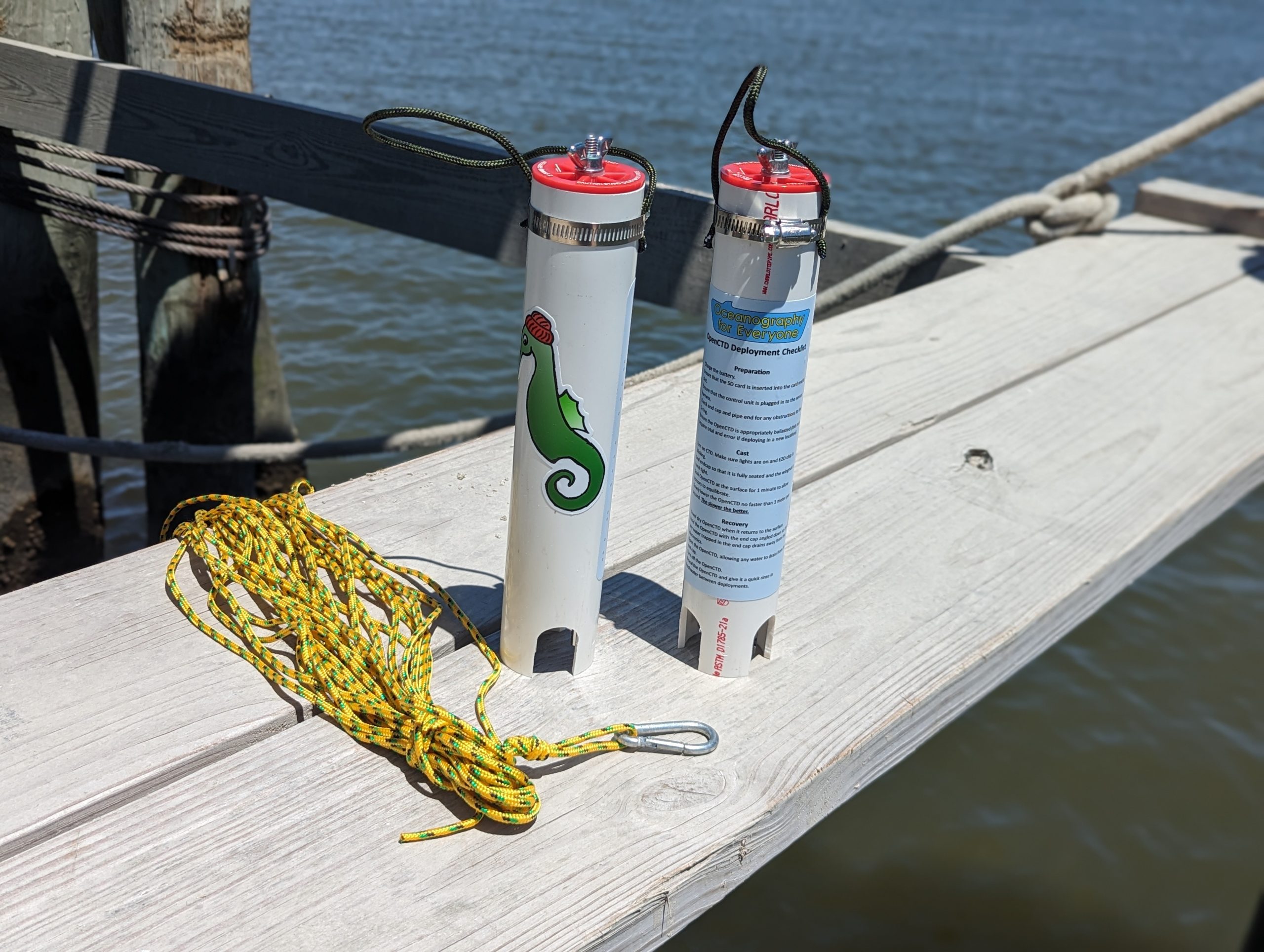
The next OpenCTD is here!
June 22, 2026
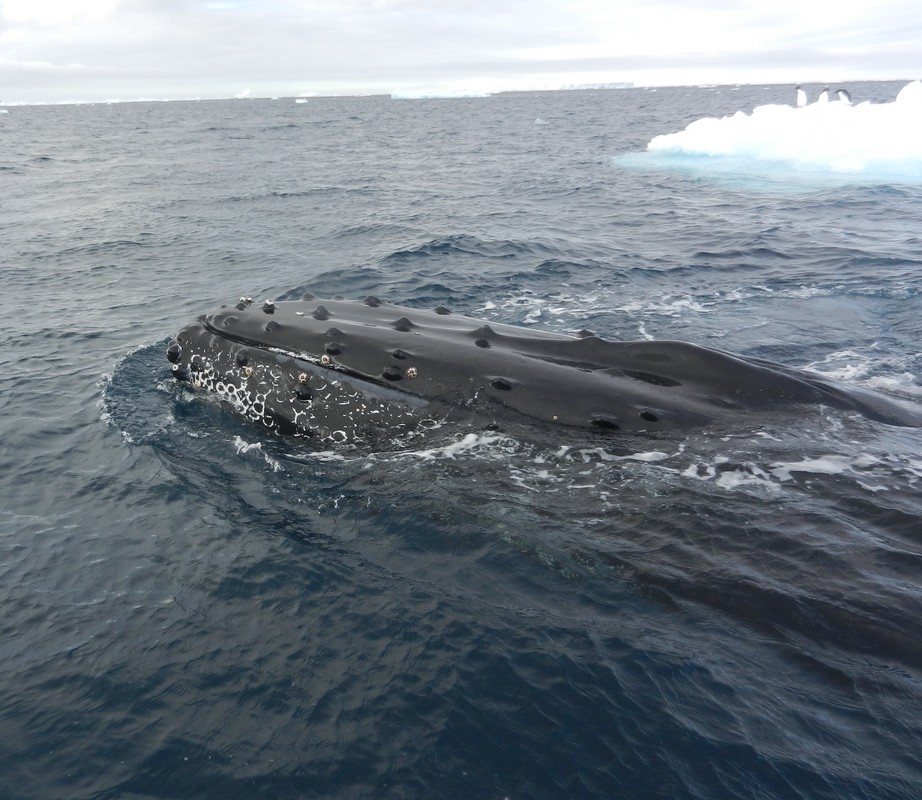
humpback whale in Antarctica
The evolution of the International Whaling Commission – from  whaling quotas to whale conservation
June 10, 2026
Isn’t ironic, don’t you think: dismantling the Ocean Observatories Initiative on World Oceans Day
June 9, 2026
“Why Sustainable Seafood Matters” is now available for preorder! Here’s what it’s about, and why I decided to write it.
June 8, 2026
Here’s how to join my IMCC8 symposium, “Ocean Science Communication: What’s New and What’s Next?”
April 22, 2026
Deep Sea Mining Symposium Announcement
April 21, 2026

Help identify this mystery machine from the darkest recesses of our lab

Posted on February 28, 2011 By Andrew Thaler 10 Comments on Help identify this mystery machine from the darkest recesses of our lab
Science

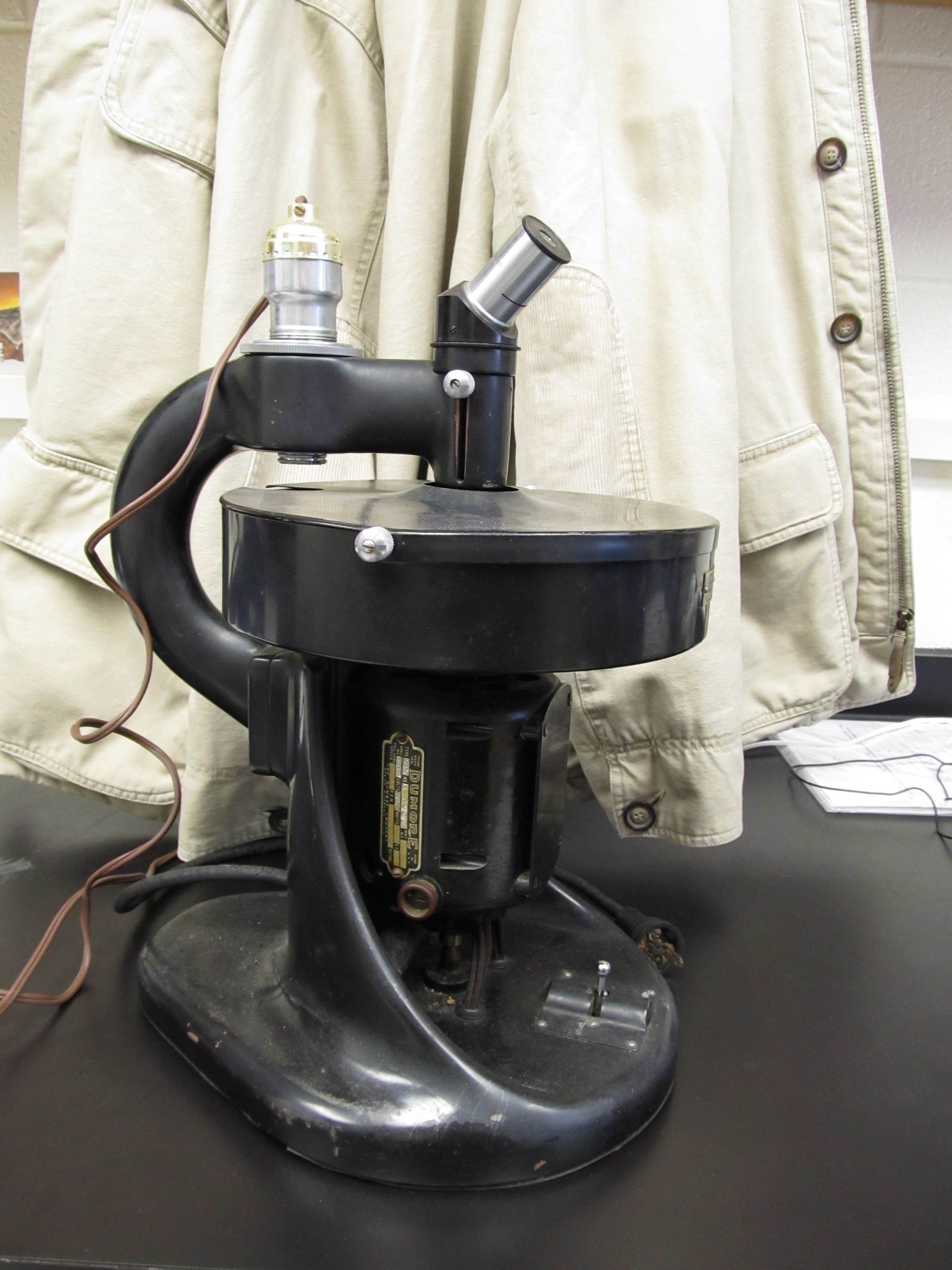
The mystery machine

While cleaning out our lab the other day, we discovered this mysterious piece of equipment buried deep within a cabinet. After querying several dozen scientists of different eras, we have determined only that it was manufactured in the early 20th century and no one has any idea what it is. The optics were made by Bausch and Lomb, the motor was made by Dunmore. We have a few guesses about its intended purpose.

This machine is massive, it weighs about 50 pounds and is forged from Bakelite and steel. The drum is clearly some kind of centrifuge and the optics point into the center of the spinning drum. No one has yet been willing to plug it in and turn it on. There are two patent numbers listed on the plate – patent # 1,648,369 and patent # 1,907,803.

Read More “Help identify this mystery machine from the darkest recesses of our lab” »

Political Ecology at Home – Lessons from Abroad?

Posted on February 28, 2011February 22, 2011 By Bluegrass Blue Crab
Uncategorized

Political ecology within the First World came from a gradual realization that the definition of the field did not only apply to exotic cultures abroad, but had resonance domestically. As first defined by Blaikie and Brookfield (1987), political ecology combines “the concerns of ecology and a broadly defined political economy. Together this encompasses the constantly shifting dialectic between society and land-based resources, and also within classes and groups within society itself” (17). Scholars returning from research in the Third World observed this shifting dialectic in their own countries, complete with struggles over power and access between sectors of society.

The first call to the political ecology community to consider applying their principles to the First World came from Louise Fortmann (1996) in her article “Bonanza! The unasked questions: Domestic land tenure through international lenses.” Although she admitted there are vast differences between home and abroad, she identifies six lessons from the international land tenure debate that could have traction in the United States: property as social process, customary tenures, common property and community management of resources, gender, the complexity of tenancy relationships, and land concentration.

Read More “Political Ecology at Home – Lessons from Abroad?” »

Weekly dose of TED – Greg Stone: Saving the ocean one island at a time

Posted on February 25, 2011 By Andrew Thaler
Uncategorized

Kiribati is perhaps one of the most remote countries in the world. Despite its distance from the sources of environmental degradation, it will probably be the very first country to be destroyed by climate change. Most of the country, a collection of small islands spanning an area almost as large as the United States, lies … Read More “Weekly dose of TED – Greg Stone: Saving the ocean one island at a time” »

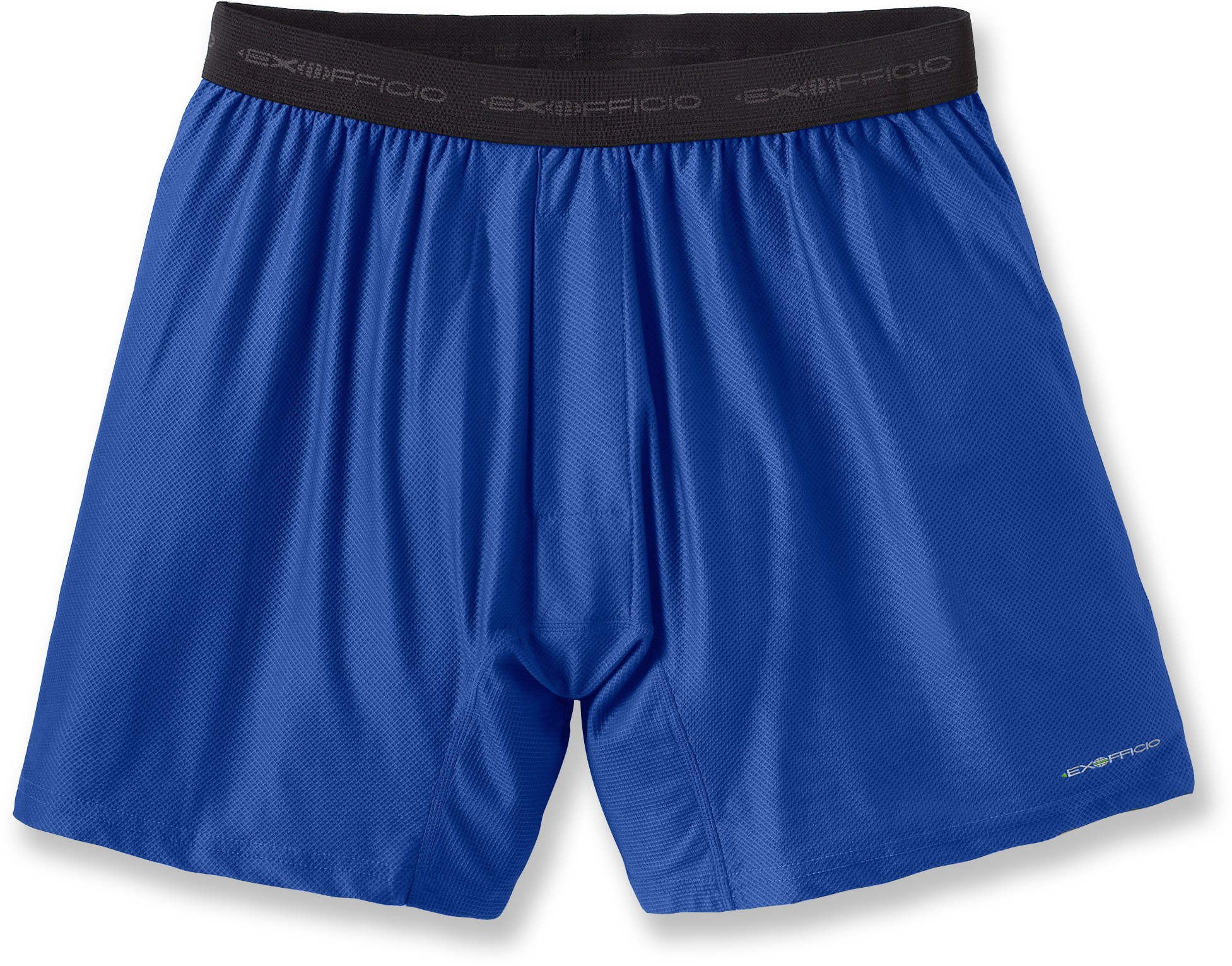
SFS Gear Review: ExOfficio anti-microbial Underwear

Posted on February 24, 2011February 23, 2011 By Andrew Thaler 3 Comments on SFS Gear Review: ExOfficio anti-microbial Underwear
Uncategorized

There’s a reason I wrote this free form poem, and that reason is Exoficio’s anti-bacterial boxer shorts. Yes, today we’re talking about underwear. Let’s face it, a bad pair of underpants can make a field season miserable, while a decent pair will make you, and everyone around you, much more comfortable. Life is messy, especially while doing field work.

Read More “SFS Gear Review: ExOfficio anti-microbial Underwear” »

Stem cell research, science policy, and President Bush’s book

Posted on February 24, 2011February 21, 2011 By David Shiffman
Science

At the recommendation of my parents, I’ve started reading “Decision Points”,  President Bush’s autobiography. I’ve enjoyed it more than I expected to. It paints a picture of a well-intentioned guy doing what he thought was right in tough circumstances and occasionally getting it wrong. I find this view of President Bush more appealing than either of the common liberal caricatures of him (those being either an evil genius trying to destroy the world or a bumbling idiot completely out of his depth).

Each chapter focuses on an important decision he made during his two-term Presidency. One of these concerned his stem cell research policy and made a few references to his policy towards science as a whole. Since liberals considered his science policies so bad that incoming-President Obama references “restoring science to it’s rightful place” in his inauguration speech, I was curious to hear President Bush’s side of the story.

Read More “Stem cell research, science policy, and President Bush’s book” »

Turtle science at the Archie Carr National Wildlife refuge

Posted on February 23, 2011February 23, 2011 By David Shiffman
Conservation, Science

The high density of sea turtles at the Archie Carr National Wildlife Refuge provides a  wonderful opportunity for research, and a team from the University of Central Florida takes full advantage of it. They were kind enough to allow me to tag along.

Read More “Turtle science at the Archie Carr National Wildlife refuge” »

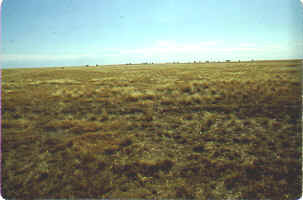
Biodiversity Wednesday: Shortgrass Prairie

Posted on February 23, 2011February 23, 2011 By Bluegrass Blue Crab
Uncategorized

from www.tarleton.edu/

The middle of America boasts some of the best soils in the world, making it “the breadbasket of America”, if not the world. However, that soil is both a blessing and a curse – native species of grasses and the birds, bugs, and bison that depended on the area have been pushed out in favor of human food production. The ecosystem of middle America looks today like miles upon miles of rows of corn and soy, not the shortgrass prairie that once inhabited the area.

Read More “Biodiversity Wednesday: Shortgrass Prairie” »

State of the Field: Pay for that Particulate!

Posted on February 22, 2011February 22, 2011 By Bluegrass Blue Crab
Uncategorized

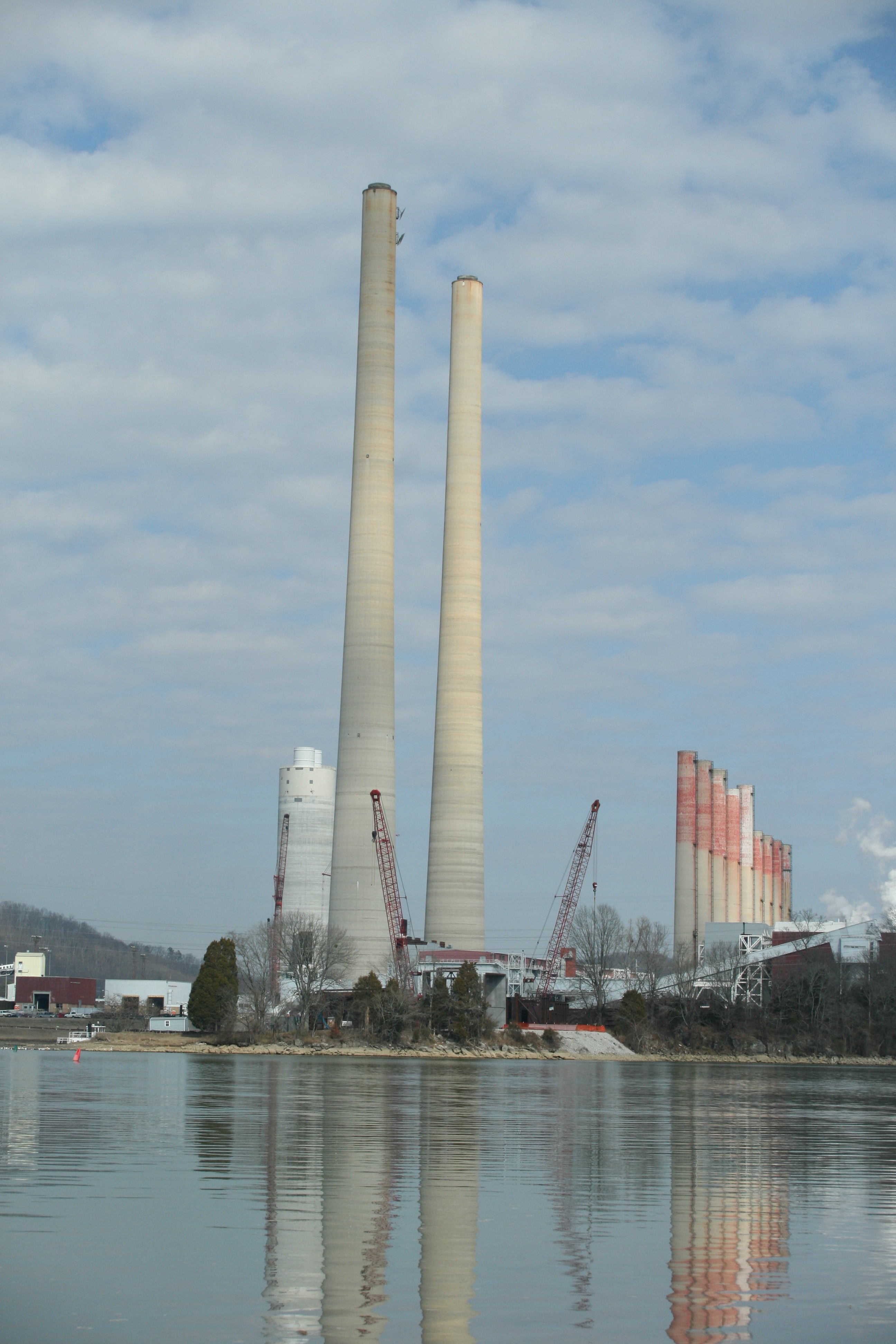
What are the true costs of power? photo by author

Ever wonder why coal-fired power is so much cheaper than the alternatives? Coal-producing communities aren’t paid for their personal health impacts, the environment is not paid for streams turned acid, and mountains are not paid for their removal. More subtle costs are also passed on: rising rates of asthma from particulates in the air, introduction of malaria into previously unaffected areas from a warming world, and the relocation of whole countries due to sea level rise.

Pollution is a classic example of an economic externality – companies choosing not to sequester chemicals in their effluent pass the cost of pollution and remediation on to those downstream. Therefore the cost of production signaled by price does not represent the true cost of production. The contradiction is deeper, however, and forms one of the main critiques of capitalism – the “second contradiction of capitalism”. Capitalism relies on the continual growth of the market, costs determined by the raw material and labor inputs. However, these costs assume limitless availability of what Marx calls “conditions of production” – the infrastructure and environmental services that are required for production. These, however, are not limitless and therefore not cost-free. Rising costs will eventually outpace price and production will therefore cease (O’Connor 1998).

Read More “State of the Field: Pay for that Particulate!” »

Shark Science Monday: Nick Dulvy talks about determining shark’s conservation status

Posted on February 21, 2011 By David Shiffman 2 Comments on Shark Science Monday: Nick Dulvy talks about determining shark’s conservation status
Conservation, Science

In this week’s edition of Shark Science Monday, Nick Dulvy, co-chair of the IUCN Shark Specialist Group, discusses how researchers determine the conservation status of shark species. If you have a question for Nick, leave it below and I’ll make sure he sees it.

Reader Survey: Who reads Southern Fried Science?

Posted on February 21, 2011 By Andrew Thaler 6 Comments on Reader Survey: Who reads Southern Fried Science?
Uncategorized

Introduction

Who are our readers? That is the question we wanted to answer at the beginning of this year. Are you scientists, students, or interested laypeople? Where are you from? What do you like and what don’t you like? Is anybody out there?

So last month we launched a survey to help us find out.

Read More “Reader Survey: Who reads Southern Fried Science?” »

Posts pagination

Previous 1 … 178 179 180 … 273 Next

Popular Posts

That's not a blobfish: Deep Sea Social Media is Flooded by AI SlopThat's not a blobfish: Deep Sea Social Media is Flooded by AI SlopDecember 19, 2025Andrew Thaler
What Ocean Ramsey does is not shark science or conservation: some brief thoughts on "the Shark Whisperer" documentaryWhat Ocean Ramsey does is not shark science or conservation: some brief thoughts on "the Shark Whisperer" documentaryJuly 2, 2025David Shiffman
Screaming into the void - Why your scientific paper doesn’t matterScreaming into the void - Why your scientific paper doesn’t matterJune 18, 2026Chris Parsons
Ageism in the conservation job marketAgeism in the conservation job marketJune 19, 2026Chris Parsons
I can serve on your graduate thesis committee. Here’s what you can expect of me, and what I expect in return.I can serve on your graduate thesis committee. Here’s what you can expect of me, and what I expect in return.October 16, 2025David Shiffman
The story of the pride flag made from NASA imagery: Bluesky's most-liked imageThe story of the pride flag made from NASA imagery: Bluesky's most-liked imageSeptember 27, 2024David Shiffman
What is a Sand Shark?What is a Sand Shark?November 12, 2017Chuck Bangley
Shark of Darkness: Wrath of Submarine is a fake documentaryShark of Darkness: Wrath of Submarine is a fake documentaryAugust 10, 2014Michelle Jewell
The next OpenCTD is here!The next OpenCTD is here!June 22, 2026Andrew Thaler
Our favorite sea monsters – Ningen (#4)Our favorite sea monsters – Ningen (#4)September 7, 2010Andrew Thaler

squishy

Subscribe to our RSS Feed for updates whenever new articles are published.

We recommend Feedly for RSS management. It's like Google Reader, except it still exists.

Southern Fried Science

  • Home
  • About SFS
  • Authors
  • Support SFS


If you enjoy Southern Fried Science, consider contributing to our Patreon campaign.

Copyright © 2026 Southern Fried Science.

Theme: Oceanly Premium by ScriptsTown